Coffee on Ozempic: Does Caffeine Interact With Semaglutide
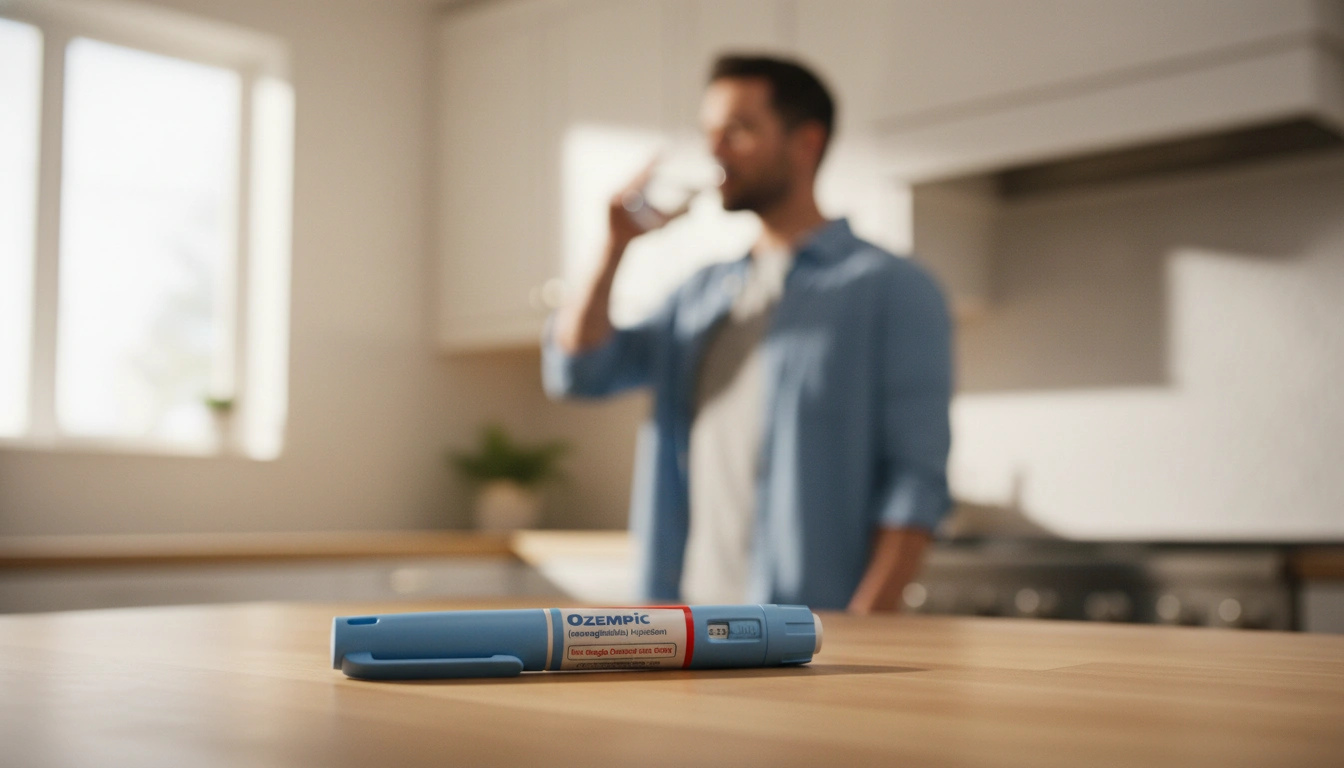
For a lot of people, coffee is non-negotiable. It’s the first thing in the morning, the ritual that starts the day, the thing you’re not willing to give up regardless of what medication you’re on. The good news is that coffee and Ozempic are generally compatible. There’s no pharmacological interaction between caffeine and semaglutide that requires you to stop drinking coffee. But there are some practical considerations that can make the difference between your coffee habit working with your treatment and quietly working against it.
Is There a Direct Interaction Between Caffeine and Semaglutide
The straightforward answer is no. Caffeine doesn’t interfere with how semaglutide is absorbed, metabolized, or eliminated from your body. There’s no known pharmacokinetic interaction between the two, meaning your coffee isn’t reducing the effectiveness of your medication or causing it to behave differently in your system.
What does exist is a set of indirect effects worth understanding. Caffeine affects your digestive system, your hydration status, your blood sugar response, and your sleep quality, and all of those things matter on semaglutide.
How Coffee Affects Your Digestive System on Ozempic
This is where coffee and semaglutide start to intersect in ways that matter practically. Semaglutide slows gastric emptying, meaning food and beverages move out of your stomach more slowly than normal. Coffee, on the other hand, stimulates gut motility and can have a mild laxative effect for some people, particularly those who drink it on an empty stomach.
For most patients, these opposing effects cancel each other out to some degree without creating significant problems. But for patients who are already managing GI sensitivity on semaglutide, coffee can tip the balance in either direction. Some patients find that coffee worsens nausea, particularly on injection day when GI sensitivity is at its peak. Others find that coffee’s motility-stimulating effect actually helps counteract the constipation that can occur with semaglutide’s slowing of digestion.
The key variable is your individual GI response and when you drink coffee relative to your injection schedule. If you consistently feel worse after coffee on injection day, that’s information worth acting on. Shifting your coffee consumption to later in the day, or choosing a smaller amount on injection day specifically, tends to resolve the issue for most patients.
Acidic coffee can also irritate the stomach lining, and semaglutide patients with heightened GI sensitivity sometimes find that high-acid coffees worsen reflux or nausea. Switching to a lower-acid roast, cold brew (which is naturally lower in acidity), or adding a small amount of food before drinking coffee can make a meaningful difference.
Coffee, Hydration, and Semaglutide
Hydration matters more on semaglutide than most patients initially appreciate. Adequate fluid intake helps manage nausea, supports the renal effects of GLP-1 activation, and prevents the dehydration that can concentrate uric acid and worsen certain side effects. The article on electrolytes on semaglutide covers the hydration picture in detail, and the caffeine dimension fits naturally into that conversation.
Caffeine has a mild diuretic effect, meaning it increases urine output slightly. For most people drinking moderate amounts of coffee (one to two cups per day), this effect is minor and doesn’t create meaningful dehydration. For patients drinking four or more cups daily, the cumulative diuretic effect becomes more relevant, particularly if appetite suppression from semaglutide is already reducing overall fluid intake.
The practical approach is simple: for every cup of coffee you drink, make sure you’re also drinking water. Keeping a water bottle within reach throughout the day and sipping consistently is more effective than trying to compensate for multiple cups of coffee with a large amount of water at once.
Blood Sugar and Coffee on Semaglutide
This one is more nuanced than most coffee drinkers expect. Black coffee has a minimal direct effect on blood glucose. But coffee triggers a cortisol and adrenaline response that can cause blood sugar to rise slightly in the morning, even before you’ve eaten anything. For most healthy people this is unremarkable. For patients on semaglutide who are managing insulin resistance or diabetes, it’s worth knowing about.
Semaglutide is quite effective at blunting post-meal blood sugar spikes, and its glucose-stabilizing effects generally handle the modest coffee-related cortisol response without issue. But patients who are tracking their blood glucose closely may notice a small morning rise on days when they drink coffee before eating, and this is a normal physiological response rather than a sign that something is wrong.
What does matter significantly for blood sugar on semaglutide is what goes into your coffee. Black coffee is essentially a non-issue from a glycemic standpoint. Coffee with added sugar, flavored syrups, sweetened creamers, or large amounts of milk is a different story. A typical flavored latte from a coffee chain can contain 30 to 50 grams of sugar, which runs directly counter to the glucose-stabilizing effects of semaglutide and adds significant empty calories in a context where every calorie needs to earn its place.
If coffee is a daily habit for you on semaglutide, transitioning toward lower-sugar versions is worth the effort. Unsweetened almond milk or oat milk, a small amount of regular milk, or a sugar-free flavoring are all reasonable ways to keep coffee enjoyable without the glycemic load. Many patients on semaglutide find their taste preferences shift naturally, and very sweet coffee becomes less appealing over time as the medication reduces sugar cravings.
Appetite Suppression and Morning Coffee
Many Ozempic patients notice that coffee further suppresses their already reduced appetite, particularly in the morning. This creates a practical nutrition challenge. If coffee replaces breakfast entirely, patients start the day behind on protein and other nutrients, and catching up later when appetite is low throughout the day becomes difficult.
The appetite-suppressing combination of semaglutide plus morning coffee is one reason many patients end up severely under-eating in the morning hours and then struggling to meet their nutritional targets for the day. It’s not that coffee is causing harm, it’s that it’s masking hunger signals that were already quiet.
A practical approach is to eat before you drink coffee, or at minimum alongside it, rather than using coffee as a way to postpone eating entirely. Even a small protein-forward breakfast, two eggs, a few bites of Greek yogurt, or a small protein shake, consumed before or with your first cup, helps ensure you’re getting nutritional input early in the day when your overall intake is likely to be limited anyway.
Injection Day Coffee: What Works
Injection day is when coffee requires the most thought. As covered in the broader injection-day eating strategy, GI sensitivity peaks in the 12 to 36 hours post-injection for many patients. Coffee’s acidity and its stimulating effect on gut motility can amplify nausea during this window.
A few practical adjustments help most patients manage coffee on injection day. Drinking coffee after eating something small rather than on a completely empty stomach reduces the likelihood of nausea. Cold brew, with its lower acidity, is better tolerated than hot drip coffee or espresso for many patients on sensitive days. Reducing the volume on injection day (one cup instead of two or three) and drinking it more slowly than usual also makes a meaningful difference.
If you inject in the evening, morning coffee the following day is typically fine because the peak GI sensitivity window has largely passed by then. This is one of the practical advantages of evening injection timing that patients often discover over time.
What About Decaf
Decaffeinated coffee removes most of the caffeine but retains the acidity and the gut-stimulating compounds that make coffee behave the way it does. Patients who switch to decaf on injection day or during sensitive periods often find it’s somewhat better tolerated, though not dramatically so if acidity is the main issue.
Cold brew decaf is the gentlest option for patients who want to keep a coffee-like ritual on difficult days without the additional GI stimulation that regular coffee provides.
The Bottom Line on Coffee and Ozempic
You don’t need to give up coffee on semaglutide. What you do need to do is pay attention to how your body responds to it during different phases of your injection cycle, keep added sugars in check, stay on top of hydration, and make sure coffee isn’t replacing the food intake your body needs.
For most patients, modest coffee consumption with minimal added sugar is completely compatible with semaglutide treatment and doesn’t require any significant modification. Injection day and early dose escalation periods may require some temporary adjustments, but those tend to resolve as your body adapts to treatment.
For patients managing the broader nutritional picture on semaglutide, the article on managing carbs on semaglutide covers how to think about the sugar and carbohydrate content of beverages and foods in a way that supports rather than undermines your treatment.
If you’re considering starting semaglutide and want clinical guidance from the beginning, TrimRx’s intake assessment is the right place to start.
This information is for educational purposes and is not medical advice. Consult with a healthcare provider before starting any medication. Individual results may vary.

Transforming Lives, One Step at a Time
Keep reading

Mail Carriers on Ozempic: Walking Routes and Long Days
Mail carriers and others who work walking delivery routes cover a lot of ground. A route can mean ten miles or more on foot,…

Snowbirds on Ozempic: Wintering Away From Home
Every fall, many retirees head south for the winter, to Florida, Arizona, Texas, or further afield, and stay until spring. For people on Ozempic…

Pickleball on Ozempic: Strength, Falls and Fueling
Pickleball has become one of the most popular ways for adults, particularly those over 50, to stay active. Morning open play turns into lunch…


