Cooking for One on Ozempic: Practical Meal Planning for Small Portions
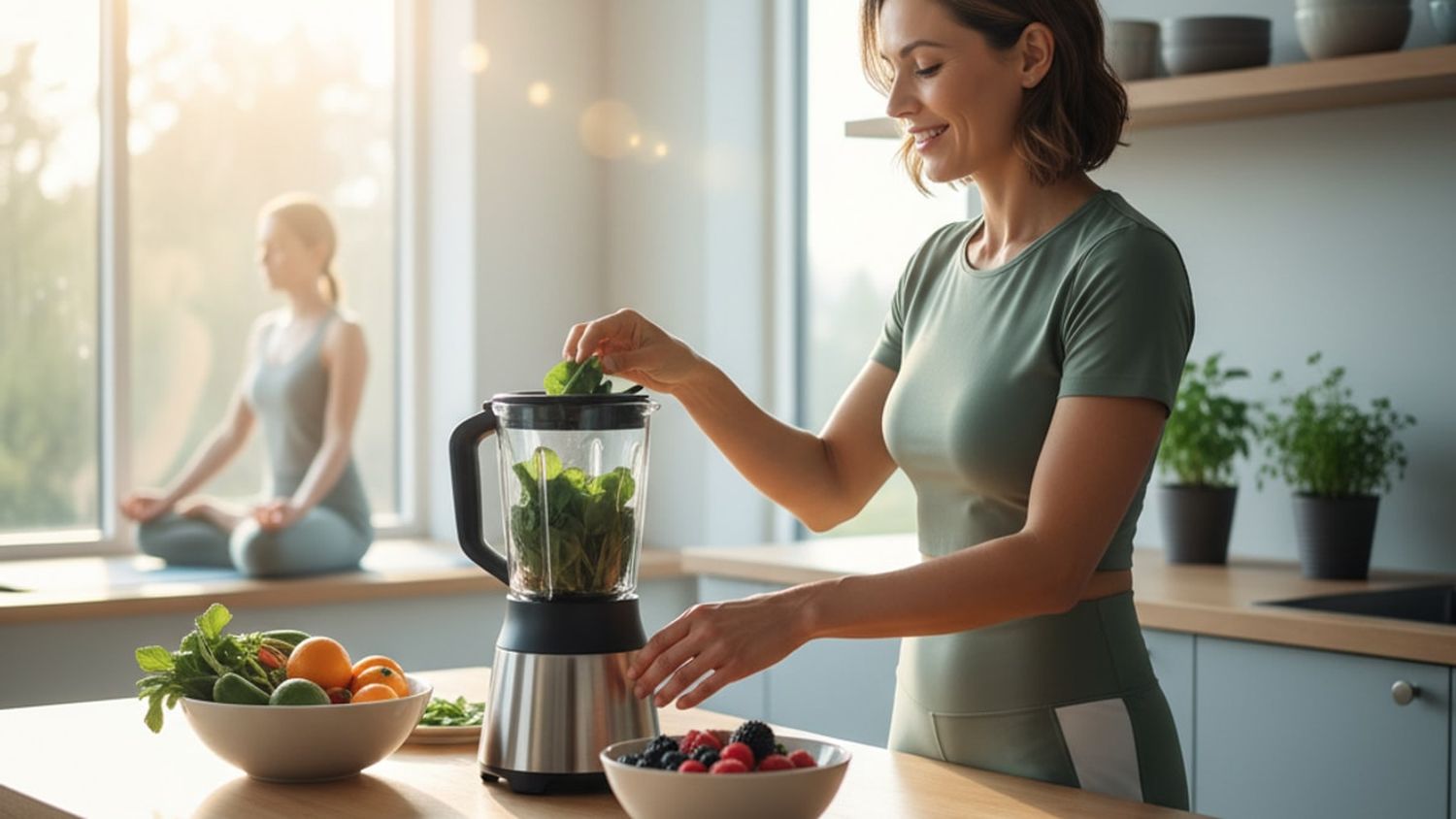
Most recipes are written for four people. Most grocery quantities assume a household. And most meal planning advice is built around the idea that you’ll eat a full portion of whatever you prepare. None of that maps cleanly onto the experience of cooking for one person on Ozempic, where a single chicken breast might last two meals, a bunch of kale could take a week to use up, and the motivation to cook anything at all disappears on days when appetite is minimal.
Cooking for one on semaglutide isn’t just a logistics problem. It’s a combination of reduced appetite, unpredictable hunger, food that goes to waste before it gets eaten, and the low-grade frustration of preparing a meal you’re then not hungry enough to finish. Getting the system right makes a meaningful difference in whether nutrition stays on track throughout treatment.
The Core Challenge: Appetite Doesn’t Follow a Schedule
Before getting into practical strategies, it helps to name the specific problem clearly. Cooking for one is manageable in normal circumstances because you can predict roughly how much you’ll eat. On Ozempic, that predictability largely disappears, particularly in the early months.
Some days appetite is minimal from morning to night. Other days, usually further from injection day, hunger returns more noticeably. Dose increases temporarily reset the pattern, making the weeks following a new dose feel similar to week one again. Planning meals in advance becomes complicated when you genuinely don’t know whether you’ll be able to eat a full serving of anything on a given day.
The solution isn’t to stop planning. It’s to build a system flexible enough to accommodate unpredictable appetite without resulting in wasted food, poor nutrition, or the kind of decision fatigue that leads to not eating at all.
Shopping Differently for One Person on Ozempic
The grocery shopping habits that worked before semaglutide often don’t translate. Buying a full bunch of fresh herbs, a large bag of salad greens, or a family-size protein portion creates waste when portions shrink and appetite becomes unpredictable.
Shift Toward Shelf-Stable and Frozen Staples
Frozen proteins, frozen vegetables, and canned goods become significantly more useful on Ozempic than they were before. A bag of frozen chicken breasts allows you to pull out a single piece and leave the rest. Frozen fish fillets portion naturally into single servings. Canned salmon, tuna, sardines, and white beans have indefinite shelf lives and deliver meaningful protein and micronutrients without any prep work or waste.
Frozen vegetables solve the spoilage problem that fresh vegetables create for single-person households on semaglutide. A bag of frozen spinach, edamame, or broccoli florets can sit in the freezer for weeks and be portioned out one small handful at a time. The nutritional content is comparable to fresh, and the convenience is substantially higher when appetite is unpredictable.
Buy Fresh Ingredients in Smaller Quantities
When fresh produce is worth having, buying smaller quantities more frequently beats buying large quantities less often. A single avocado rather than a bag of four. Two eggs from a smaller carton rather than a full dozen if egg consumption has dropped. A small bunch of kale rather than the family-size bag that will half-wilt before it gets eaten.
Some grocery stores and markets sell loose produce by weight rather than in pre-packaged quantities, which is useful for single-person households. If yours does, taking advantage of that option for items you use slowly reduces waste meaningfully.
Build Around Protein Anchors That Scale Easily
The most practical proteins for cooking for one on Ozempic are those that portion naturally into single servings without leaving awkward remainders. Individual eggs, single fish fillets, individual cans of tuna or salmon, and Greek yogurt in single-serve containers all work better in this context than a large pork loin or a whole rotisserie chicken that needs to be portioned and stored across multiple meals.
That said, batch-cooking a larger protein and eating it across several days is a legitimate strategy, particularly for proteins like shredded chicken or ground beef that adapt easily to different preparations. The key is having a plan for how the remaining portions will be used before you cook rather than hoping inspiration strikes later.
Meal Planning Strategies That Work for One Person on Ozempic
The most effective approach for single-person households on semaglutide is what might be called a component-based system rather than a recipe-based one. Instead of planning specific meals for specific days, you prepare a set of versatile components at the beginning of the week and combine them differently depending on what you can eat on a given day.
The Component Approach
Cook a batch of one protein, one grain or starch if you’re including those, and two or three vegetables at the start of the week. These components can be combined in different ways across different meals, reducing the need to cook from scratch on days when appetite is low and motivation is minimal.
Consider this scenario: a patient cooking for one on Ozempic who prepares a batch of shredded chicken breast, a pot of cooked lentils, and two sheet pans of roasted vegetables (broccoli and zucchini) on Sunday. On Monday when appetite is good, they combine all three into a bowl with a drizzle of olive oil. On Wednesday after a dose increase when nausea is present, they eat only the broth-warmed lentils with a small amount of spinach stirred in. On Friday when appetite has partially returned, they wrap the remaining chicken and vegetables in a small whole-grain tortilla. The same batch of components produces three different meals adapted to three different appetite states without any additional cooking.
Single-Serving Recipe Scaling
For patients who prefer cooking specific recipes rather than assembling components, learning to scale recipes to one or two servings is a useful skill on Ozempic. Most recipes divide straightforwardly: half the ingredients produce half the volume. The exceptions are baking recipes (where ratios matter more) and dishes with long cooking times (where scaling down can affect texture or moisture).
A practical shortcut is bookmarking recipes that are naturally written for one or two servings. Egg dishes, stir-fries, grain bowls, and simple protein preparations all scale to single servings easily and don’t require the complex ratio adjustments that larger batch recipes do.
Accept That Some Meals Will Be Assembly Rather Than Cooking
On low-appetite days, expecting yourself to cook a proper meal is often unrealistic and counterproductive. Building a set of no-cook or minimal-prep options into your weekly plan gives you a nutritionally adequate fallback that doesn’t require energy you may not have.
A plate of cottage cheese with cucumber slices and a hard-boiled egg is not a recipe. It requires no cooking and about two minutes of assembly. It also delivers 20 to 25 grams of protein, meaningful calcium, and reasonable fiber in a format that’s easy to eat even when appetite is minimal. Having the ingredients for two or three of these assembly-style options in the refrigerator at all times means that on difficult days, nutrition doesn’t fall apart just because cooking isn’t happening.
Storing and Using Leftovers Effectively
When you’re cooking for one on Ozempic and eating smaller portions than you used to, almost everything becomes a leftover. Managing those leftovers well is central to keeping the system from breaking down.
Portion and Refrigerate Immediately
The moment food comes off the heat, portioning it into single-serving containers before putting it away removes a decision from later meals. If a batch of lentil soup goes into the refrigerator as one large pot, it requires active decision-making to portion each time you eat. If it goes into four labeled containers with roughly equal portions, grabbing one requires no thought at all, which matters on days when appetite is low and cognitive bandwidth for food decisions is equally limited.
Glass containers in consistent sizes make this easier. Having a set of same-size containers means portions stay predictable, reheating is straightforward, and the visual uniformity of the refrigerator makes it easier to see at a glance what’s available.
Know the Realistic Shelf Life of What You’re Storing
Cooked proteins stay safe in the refrigerator for three to four days. Cooked grains last four to five days. Cooked vegetables are best within three to four days but decline in texture faster than proteins. For a single person on Ozempic eating smaller portions than usual, finishing a batch of food within four days requires more eating occasions than it might seem, particularly on low-appetite days.
If a batch of food won’t realistically be eaten within four days, freezing individual portions immediately after cooking is more practical than hoping appetite increases in time. Individual frozen portions of soup, shredded chicken, or cooked lentils can be pulled out one at a time as needed, which essentially functions as homemade convenience food tailored to GLP-1 portion sizes.
Repurpose Rather Than Repeat
Eating the same meal four days in a row can kill appetite even more effectively than semaglutide does. Repurposing leftovers into different formats keeps meals from feeling repetitive without requiring additional cooking. Leftover roasted vegetables become a frittata ingredient with eggs. Shredded chicken from a soup gets stuffed into a half avocado with a squeeze of lemon. Cooked lentils go into a wrap with yogurt and cucumber. The underlying ingredients are the same, but the eating experience is different enough to feel like variety.
Managing the Emotional Side of Cooking for One on Ozempic
Cooking for one already carries a certain low-level resistance for many people before semaglutide. The effort-to-reward ratio of preparing a full meal for yourself can feel off, particularly when you’re going to eat a third of it and put the rest away. Add appetite suppression to that equation, and the motivation to cook anything can drop to near zero.
Reframing what counts as cooking helps. A meal that takes five minutes to assemble and doesn’t involve a stovetop is still a meal. Warming up a container of soup from the freezer and eating it with a hard-boiled egg is still feeding yourself adequately. The standard of what constitutes a proper meal doesn’t need to stay the same as it was before GLP-1 treatment, because the goal isn’t culinary achievement. It’s consistent nutrition that supports your weight loss and health goals.
For broader context on how meal planning shifts during semaglutide treatment, the article on meal prep on Ozempic covers the full framework for planning when appetite is unpredictable. And for specific guidance on how portion sizes change on semaglutide and what that means nutritionally, portion sizes on semaglutide is a useful companion read.
If you’re ready to start Ozempic or semaglutide with clinical support, the TrimRx intake quiz connects you with a provider team that can guide your treatment from the beginning.
This information is for educational purposes and is not medical advice. Consult with a healthcare provider before starting any medication. Individual results may vary.

Transforming Lives, One Step at a Time
Keep reading
How to Keep an Ozempic Routine on Rotating Shifts
The good news is that the injection is the easiest part of this. Semaglutide is dosed weekly and has a long duration of action,…

Was Your Weight Gain Really Menopause? What Ozempic Working Tells You
It tells you almost nothing about the cause, and that is worth understanding before you draw conclusions about the last several years. A treatment…

Ozempic and Social Isolation: When Food Was How You Connected
This is a real cost of treatment and it does not get discussed much, partly because it sounds minor next to the medical benefits….


