What Does an Ozempic Shot Look Like? A Visual Guide
Introduction
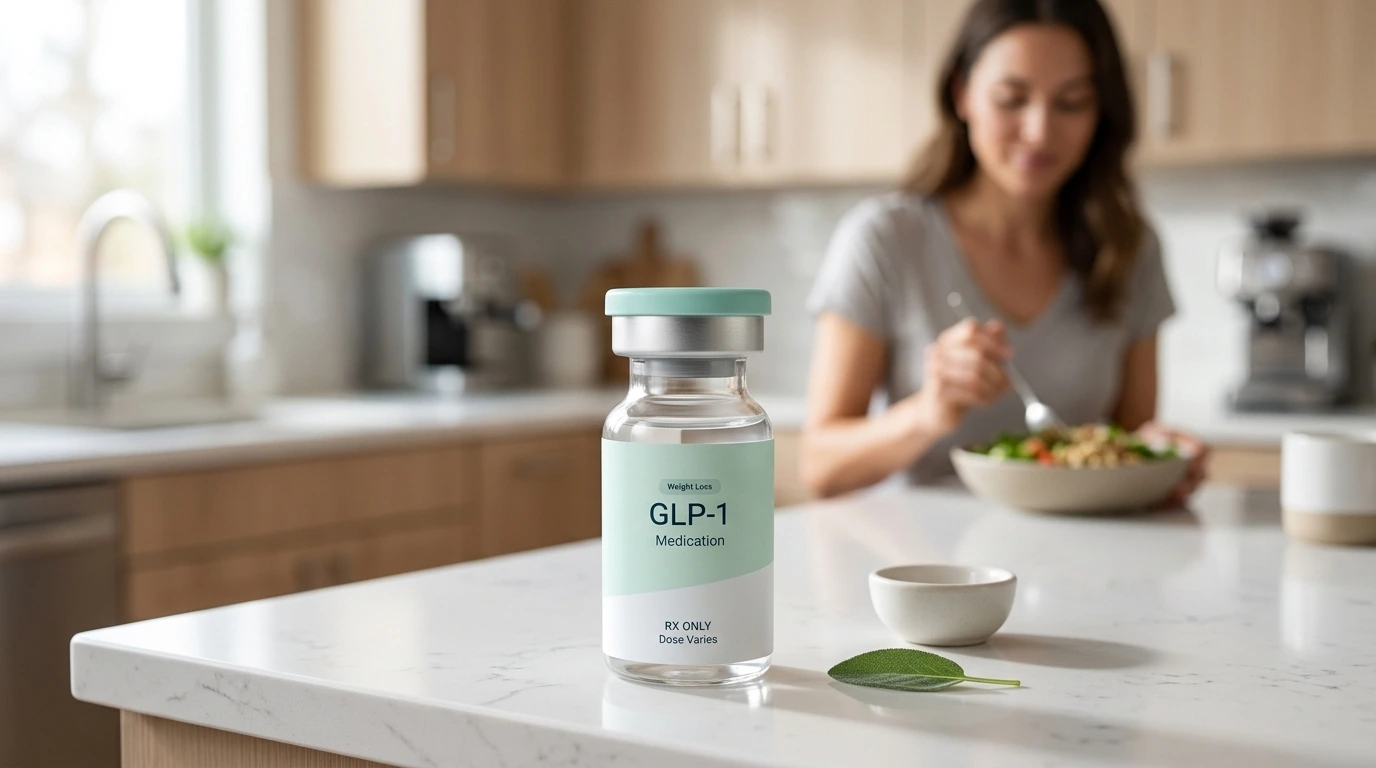
Starting a new chapter in your weight loss journey can bring a mix of excitement and uncertainty, especially when it involves a self-administered medication. If you have been prescribed Ozempic®, you are likely curious about the device you will handle each week. Unlike the traditional glass vials and long syringes often associated with older medications, modern GLP-1 (glucagon-like peptide-1) receptor agonists are delivered through sophisticated, user-friendly pens. At TrimRx, we believe that understanding the visual details of your treatment is the first step toward building confidence in your metabolic health routine. This guide provides a detailed breakdown of the physical appearance of the medication, the pen device, and the needles, ensuring you know exactly what to expect. Knowing these visual cues helps ensure safety and confirms you are using the device as intended for your health goals.
Quick Answer: An Ozempic® shot is a slim, light-blue, pre-filled multi-dose pen roughly the size of a large highlighter or marker. It features a removable cap, a clear medication window, a dose-selector dial, and a digital-style counter that displays the specific dose you have selected.
If you are exploring whether a personalized prescription program may fit your needs, you can complete the free assessment quiz.
The Physical Design of the Pen Device
The medication is housed in a specialized delivery system known as a FlexTouch pen. This is a multi-dose, disposable injector designed to be intuitive and ergonomic. Because the pen is pre-filled, you do not have to draw medication from a separate vial when using the branded product.
For a broader overview of preparation and injection technique, review this step-by-step guide to injecting GLP-1 medication.
The Pen Body and Protective Cap
The main body of the pen is constructed from a durable, light-blue plastic. It is cylindrical and approximately five inches long, making it easy to grip and stabilize against the skin. When not in use, the pen is covered by a large, opaque blue cap.
This cap is more than just a cover; it is a critical safety feature. It protects the medication from light exposure, which can cause the active molecule to degrade over time. It also keeps the tip of the pen clean before you attach a new needle. Underneath the cap, you will find the attachment point for the disposable needles and the clear medication window.
The Medication Window
Near the top of the pen, integrated into the blue plastic body, is a clear window. This allows you to inspect the liquid inside the cartridge before every injection. The medication should always appear clear and colorless.
If you look through the window and see liquid that is cloudy, discolored, or contains visible floating particles, the medication may be compromised. In such cases, the pen should not be used, and you should contact your pharmacist for guidance. Seeing a tiny air bubble in this window is completely normal and does not interfere with the safety or accuracy of the dose.
You can also review this GLP-1 storage and potency guide for additional information about medication appearance and handling.
The Dose Selector and Counter
At the bottom end of the pen, there is a gray dose-selector dial. You turn this dial to click through to your prescribed dose. As you turn the dial, numbers appear in the dose counter window.
This window uses a digital-style display to show the exact number of milligrams (mg) you are preparing to inject. You will also see a “flow check” symbol—a small dotted line—which is used when priming a brand-new pen for the first time. The mechanical design ensures that you cannot dial a dose higher than what remains in the pen.
The Injection Button
At the very end of the pen is a gray injection button. Unlike some older medical pens where the button extends outward as you dial, this button remains flush with the pen body. This design makes it easier for individuals to depress the button with their thumb, even if they have limited hand strength. When you press the button, the pen uses a mechanical spring to deliver the liquid through the needle.
Key Takeaway: The Ozempic® pen is a highly engineered, mechanical device designed to minimize user error by providing clear visual feedback through the dose counter window and medication window.
Identifying Dose Strengths by Color
One of the most important visual aspects of the pen is the color-coding on the label. Because this medication is typically started at a low dose and increased over time—a process called titration—the manufacturer uses different label colors to distinguish between pen strengths.
The Color-Coding System
Each pen contains a specific total amount of medication and is intended for a specific dose range. Always verify that the color on your pen matches the dose your healthcare provider has prescribed for your current stage of treatment.
| Label Color | Single Dose Per Injection | Total Medication in Pen | Typical Use Case |
|---|---|---|---|
| Red Label | 0.25 mg or 0.5 mg | 2 mg total | Initial start and first increase |
| Blue Label | 1 mg | 4 mg total | Maintenance dosing |
| Yellow Label | 2 mg | 8 mg total | Maximum therapeutic dose |
The Red Label Pen is most common for beginners. It allows you to select either a 0.25 mg dose or a 0.5 mg dose. This versatility is helpful during the first two months of treatment as your body adjusts to the medication.
The Blue Label Pen is designed specifically for those who have moved up to a 1 mg weekly dose. The dial on this pen is fixed to reach the 1 mg mark for each of the four doses contained in the pen.
The Yellow Label Pen is the highest strength currently available. It is used by individuals who require the full 2 mg dose to reach their metabolic health goals.
If you are unsure whether a prescription program may be appropriate, you can start the assessment process.
The Needle System
The Ozempic® shot does not arrive with a needle permanently attached. Instead, it uses ultra-thin, disposable needles that are designed to be screwed onto the pen just before your weekly injection.
For more information about choosing an injection area, see this guide to where to inject GLP-1 medication.
Physical Appearance and Gauge
The needles used are typically 32-gauge and very short, usually measuring only 4 millimeters (mm) or 6 mm in length. To put this in perspective, a 32-gauge needle is about as thin as two human hairs. This design is intentional; the medication is intended for subcutaneous injection—the layer of fat just under the skin—rather than the muscle. Because the needle is so fine, most people report feeling very little to no discomfort during the process.
Components of the Disposable Needle
Each needle comes in its own sterile, individual package. When you open the package, you will see several layers of protection:
- The Paper Tab: A seal that you must peel off to reveal the attachment end of the needle.
- The Outer Needle Cap: A large plastic shield that you use to screw the needle onto the pen.
- The Inner Needle Cap: A secondary, smaller plastic cover that sits directly over the needle itself.
- The Needle: The actual thin metal tip that delivers the medication.
Note: It is a common mistake for new users to leave the inner needle cap on during the injection. You must remove both the outer and inner plastic caps before the needle can actually enter the skin.
What the Medication Liquid Looks Like
The liquid inside the pen is an isotonic solution containing the active ingredient, semaglutide. Under a microscope, semaglutide is a complex molecule, but to the naked eye, the solution should be indistinguishable from water.
Clarity and Color
The liquid must be crystal clear. If the medication is exposed to extreme temperatures—such as being left in a hot car or accidentally frozen in the back of a refrigerator—the proteins in the medication can “denature” or break down. This often results in a visual change.
Do not use the pen if the liquid looks:
- Cloudy or “milky”
- Tinted with any color (yellow, pink, or brown)
- Stringy or containing small white flakes (often called “scales”)
If the liquid looks different from what you expect, it may no longer be effective, or it could potentially cause an injection site reaction.
You can compare these concerns with this guide to expired GLP-1 medication and storage safety.
Air Bubbles
It is standard for a small air bubble to be present in the pen window. This occurs during the manufacturing process. These tiny bubbles do not pose a health risk during a subcutaneous injection, but the “flow check” procedure (detailed below) is designed to clear out larger air pockets to ensure you receive the full, accurate dose.
Compounded Alternatives vs. Branded Pens
At TrimRx, we connect our patients with licensed providers who may prescribe compounded semaglutide when appropriate. It is important to understand that compounded medications look different from the branded Ozempic® pen.
Appearance of Compounded Semaglutide
Compounded medications are prepared by FDA-registered, inspected compounding pharmacies. Because they are custom-mixed, they do not arrive in the proprietary FlexTouch pen. Instead, they typically come in the following formats:
- A Multi-dose Vial: A small glass bottle with a rubber stopper on top.
- Insulin Syringes: Thin, individual syringes with fixed, ultra-fine needles.
- Generic Pens: Some pharmacies may use a different style of multi-dose injector pen that functions similarly but has a different color or shape than the branded version.
Note: Compounded semaglutide and compounded tirzepatide are not FDA-approved. They are prepared for individual patients based on a provider’s prescription, often to navigate shortages or to provide more flexible dosing options.
While the delivery method may differ, the goal remains the same: supporting your metabolic health through a personalized, medically supervised program.
Packaging and Authenticity
Because of the high demand for GLP-1 medications, it is helpful to know what the official packaging looks like. A genuine box will be made of high-quality cardboard with clear, crisp printing.
What is Inside the Box?
A standard box of Ozempic® typically contains:
- One pre-filled, multi-dose pen.
- A supply of disposable needles (usually 4 or 6).
- An “Instructions for Use” manual with detailed diagrams.
The box will feature a barcode, a lot number, and an expiration date. If the box appears to have been opened, or if the tamper-evident seals are broken, you should not use the medication.
Signs of a Genuine Device
A genuine FlexTouch pen has a specific mechanical “feel.” When you turn the dose-selector dial, you should hear and feel a distinct clicking sound. The gray button at the end should remain flush with the pen body. If the button pops out like a ballpoint pen when you dial the dose, this is a major warning sign that the device may be counterfeit.
Step-by-Step: Preparing for the Injection
Understanding what the shot looks like is only half the battle; you also need to know how to handle the device properly.
Step 1: Inspect the pen. Remove the blue pen cap and look at the medication window. Confirm the liquid is clear and colorless. Check the label to ensure you have the correct dose strength (Red, Blue, or Yellow).
Step 2: Attach the needle. Peel off the paper tab from a new needle. Push the needle straight onto the pen and twist until it is tight. Pull off the large outer cap (keep it for later) and the small inner cap (toss it).
Step 3: Perform a flow check. If this is a new pen, turn the selector to the flow check symbol (a small dotted line). Hold the pen with the needle pointing up and press the gray button. A drop of liquid should appear at the needle tip.
Step 4: Select your dose. Turn the dial until your prescribed dose (e.g., 0.25 or 0.5) is centered in the dose counter window.
Step 5: Inject and count. Insert the needle into the skin of your abdomen, thigh, or upper arm. Press and hold the gray button. Once the counter returns to “0,” continue holding the pen in place while you count to six. This ensures the full dose is delivered.
For a complete walkthrough, read this GLP-1 injection preparation guide.
Bottom line: The “six-second rule” is vital because the medication is thick and moves slowly through a very thin needle; removing the pen too early can cause the medication to leak out onto your skin.
Proper Storage and Maintenance
The appearance and efficacy of your medication depend heavily on how it is stored. Because semaglutide is a protein-based medication, it is sensitive to heat and cold.
- Before First Use: Store all unused pens in the refrigerator between 36°F and 46°F. Never store them in the freezer. If a pen accidentally freezes, it must be discarded.
- After First Use: You can keep your “in-use” pen in the refrigerator or at room temperature (up to 86°F) for up to 56 days.
- Light Protection: Always put the blue pen cap back on after every use. This protects the medication from light, which can degrade the active ingredients.
For more storage guidance, review these GLP-1 refrigeration and handling tips.
Important: Do not store the pen with the needle attached. This can lead to medication leakage, air entering the pen, or contamination. Always use a fresh needle for every dose.
Managing Common Visual Concerns
Many people notice small details during their first few weeks that can cause concern. Most of these are normal features of the pen’s design.
The “Overfill” Phenomenon
After you have used all the intended doses in a pen, you may still see a small amount of liquid in the window. This is known as overfill. Manufacturers include a bit of extra liquid to account for the flow check and to ensure the final dose is accurate. You should not attempt to “rescue” this extra liquid; once the dial no longer turns to your full dose, the pen is finished.
The Dial Stopping Early
If you are trying to select your dose and the dial stops before it reaches your number, it means the pen is empty. Do not force the dial. This is a built-in safety mechanism to prevent you from receiving a partial dose. At this point, you should dispose of the pen in a sharps container and start a fresh one.
How TrimRx Supports Your Journey
We understand that navigating the technical side of weight loss medication can feel overwhelming. Our mission at TrimRx is to make this process as clear and supportive as possible. We provide a telehealth-first platform that connects you with specialists who understand the science of GLP-1 medications and the reality of a busy lifestyle.
Whether you are using a branded medication or a compounded version from one of our partner pharmacies, we ensure you have 24/7 access to a dedicated team to answer questions about your treatment’s appearance, usage, or side effects. Our personalized programs are designed to fit your unique health profile, providing a transparent path to sustainable results without the stress of in-person waiting rooms or hidden fees.
- Personalized Programs: Tailored to your specific goals and history.
- Clinical Expertise: Access to licensed providers through our platform.
- Transparency: No hidden fees, regardless of your dose.
- Comprehensive Support: Unlimited access to specialists.
Key Takeaway: Success in weight management comes from more than just medication; it comes from having a supportive, knowledgeable team that helps you feel confident in every aspect of your care.
Conclusion
Understanding what an Ozempic® shot looks like—from the light-blue pen body to the crystal-clear liquid—is essential for a safe and successful experience. By familiarizing yourself with the color-coded labels, the ultra-thin needle system, and the mechanical functions of the FlexTouch pen, you can remove the guesswork from your weekly routine. Remember that while branded and compounded options look different, the clinical oversight and personalized support provided through our platform remain constant.
- Verify the label color (Red, Blue, or Yellow) matches your prescription.
- Ensure the medication is always clear and colorless before use.
- Always use a fresh, disposable needle for every weekly injection.
- Store your medication properly to maintain its appearance and strength.
“Confidence in your weight loss journey starts with clarity. When you know exactly what to expect from your medication, you can focus on the lifestyle changes that lead to long-term health.”
If you are ready to take the next step in your metabolic health journey, the best place to start is with a free eligibility assessment to see which personalized program may be right for your unique needs.
FAQ
What should I do if the liquid in my pen looks cloudy?
If the medication in the window looks cloudy, discolored, or contains flakes or particles, you should not use it. This is often a sign that the medication has been exposed to extreme temperatures or light and has begun to break down. Consult your pharmacist or healthcare provider for a replacement and ensure your remaining pens are stored correctly in the refrigerator.
For additional context, review these GLP-1 storage and handling basics.
Why is there still liquid left in my pen when I have finished all my doses?
It is completely normal to see a small amount of leftover liquid in the pen window after your final dose; this is called “overfill.” The pen is designed with this extra volume to ensure the mechanical spring can deliver every prescribed dose accurately and to allow for the initial flow check. Once the dose selector dial will no longer turn to your full prescribed dose, the pen is considered empty and should be discarded.
Can I use the same needle more than once?
No, you must use a new, sterile needle for every injection. Reusing needles can lead to infections, skin irritation, or the needle becoming dull, which makes the injection more painful. Additionally, leaving a used needle on the pen can cause medication to leak out or air to enter the cartridge, which can affect the accuracy of your next dose.
You can review this GLP-1 injection safety guide for a broader walkthrough.
Is the compounded version of semaglutide supposed to look different?
Yes, compounded semaglutide will not arrive in the branded blue FlexTouch pen. It is typically provided in a multi-dose glass vial, and you will use separate, very thin insulin syringes to draw and inject the medication. While the delivery device looks different, our platform ensures that all compounded medications are prepared in FDA-registered, inspected pharmacies to maintain high quality and safety standards.
If you are considering a prescription program, you can complete the free assessment to learn whether it may fit your needs.
TrimRX does not practice medicine or prescribe medications. Compounded medications are not FDA-approved and are not evaluated by the FDA for safety or efficacy. Results vary by individual and are not guaranteed.
Disclaimer: This content is for informational purposes only and does not constitute medical advice. It is not intended to diagnose, treat, cure, or prevent any disease or condition. Individual results may vary. Always consult a qualified healthcare professional before starting any weight loss program or medication.

Transforming Lives, One Step at a Time
Keep reading
Is It Normal for Nausea to Come Back on Ozempic?
Many people on Ozempic or another GLP-1 have a rough first few weeks, then settle in and feel much better. So it can be…
Is It Normal to Not Feel Anything After Taking Ozempic?
You have heard stories about people losing interest in food overnight or feeling queasy after their first dose. Then you take your own first…

Is It Normal to Have Dark Urine on Ozempic?
Noticing that your urine is darker than usual can be worrying. On Ozempic or another GLP-1, the most common reason is simple: you are…


