Do GLP 1 Injections Need to Be Refrigerated?
Introduction
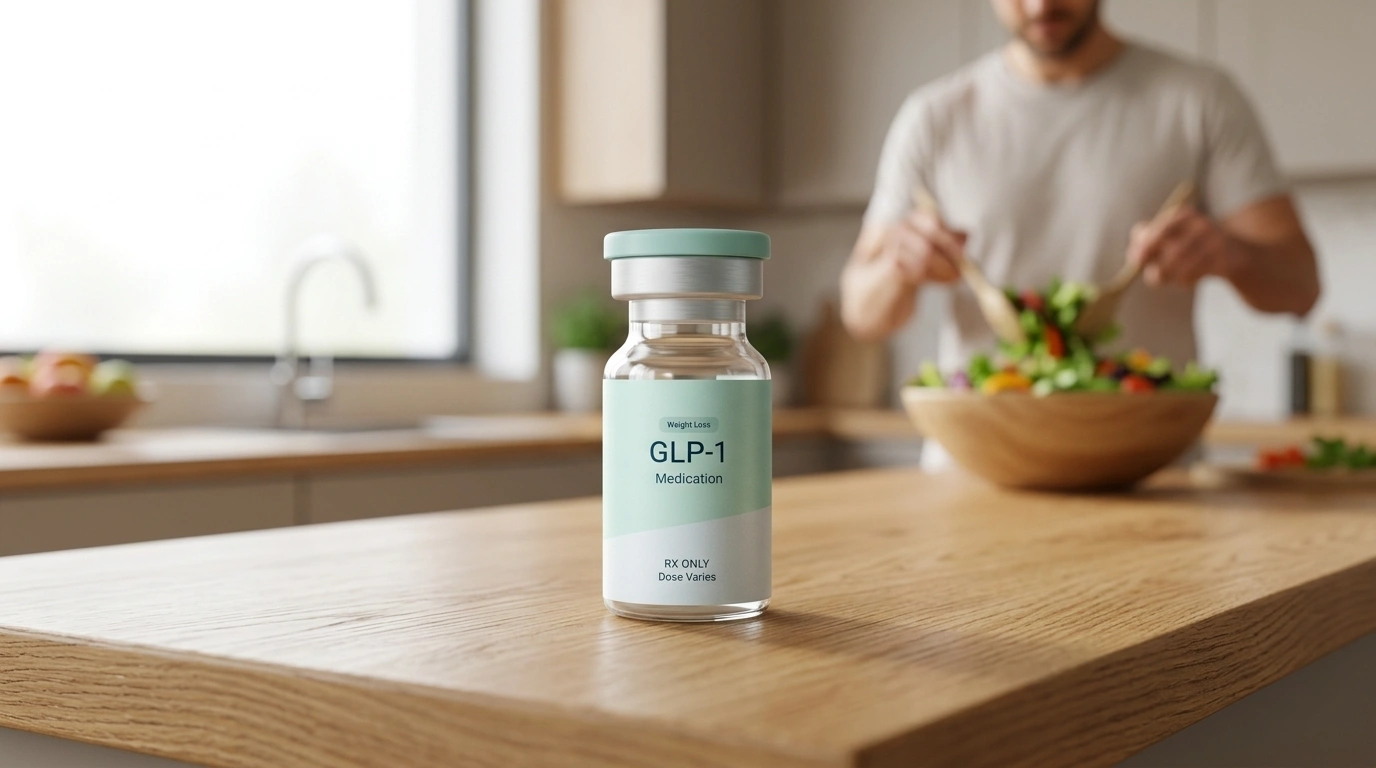
Starting a weight management journey with GLP-1 receptor agonists—medications like semaglutide and tirzepatide—is a significant step toward better metabolic health. However, after the initial excitement of receiving your first shipment, a very practical question often arises: do these injections need to stay in the fridge? The short answer is yes, but the specific rules depend on whether the medication is unopened, currently in use, or a compounded formulation.
At TrimRx, we believe that understanding the logistics of your treatment is just as important as the clinical results themselves. Proper storage ensures the medication remains potent and safe for use throughout your program. This article covers the essential refrigeration requirements for various GLP-1 medications, how to handle them during travel, and why temperature control is critical for maintaining the integrity of these peptide-based therapies. By following these guidelines, you can protect your investment in your health and ensure every dose works as intended. If you are considering prescription treatment, you can complete a free eligibility assessment to explore whether a personalized program may be appropriate for you.
Quick Answer: Most GLP-1 injections must be refrigerated between 36°F and 46°F (2°C to 8°C) before their first use. While many branded pens can stay at room temperature for 21 to 56 days once opened, compounded formulations often require continuous refrigeration to maintain stability.
Why Refrigeration Matters for GLP-1 Medications
To understand why refrigeration is so critical, it helps to understand what these medications actually are. GLP-1 receptor agonists, such as semaglutide and tirzepatide, are biological medications made of peptides. A peptide is essentially a short chain of amino acids, which are the building blocks of proteins. These complex molecules are highly sensitive to their environment.
When these medications are exposed to temperatures outside of a specific range, the peptide structure can begin to break down, a process known as denaturing. Once a peptide denatures, it loses its biological activity. In plain English, the medication becomes less effective or even completely useless. Because your body relies on the precise structure of these molecules to signal your brain and digestive system, any degradation can stall your progress. For additional background, review this guide to how GLP-1 medications should be stored.
Key Takeaway: GLP-1 medications are “biologics” that require cold chain storage to prevent the delicate peptide chains from breaking down and losing their potency.
Specific Storage Rules for Branded Medications
Each branded medication has its own manufacturer-tested stability profile. This profile determines how long the medication can safely remain at room temperature (typically defined as up to 86°F) before it must be discarded. You can also review this GLP-1 refrigeration and storage guide for a broader comparison.
Ozempic® Storage Guidelines
Ozempic® (semaglutide) is widely used for blood sugar management and is sometimes prescribed off-label for weight loss.
- Before first use: You must keep the pen in the refrigerator between 36°F and 46°F. It is safe to use until the expiration date printed on the carton.
- After first use: Once you have used the pen for the first time, it can be stored either in the refrigerator or at room temperature for up to 56 days.
- Light protection: Always keep the pen cap on when you are not using it to protect the solution from light.
Wegovy® Storage Guidelines
Wegovy® (semaglutide) is FDA-approved specifically for chronic weight management in adults with obesity or overweight conditions.
- Refrigeration: Store the single-dose pens in the refrigerator between 36°F and 46°F.
- Room temperature window: If necessary, an unopened Wegovy® pen can be kept at room temperature (up to 86°F) for up to 28 days.
- Original carton: It is vital to keep the pens in their original carton to shield them from light until you are ready to administer the dose.
Mounjaro® and Zepbound® Storage Guidelines
Mounjaro® and Zepbound® both contain the active ingredient tirzepatide. Mounjaro® is indicated for type 2 diabetes, while Zepbound® is approved for weight loss.
- Optimal storage: Both should be kept in the refrigerator until used.
- Room temperature window: These medications can stay at room temperature for up to 21 days. If they are left out longer than three weeks, the manufacturer recommends discarding them.
- No re-refrigeration: Once Zepbound® or Mounjaro® has reached room temperature, it should not be put back into the refrigerator. It must be used within that 21-day window.
Storing Compounded Semaglutide and Tirzepatide
Many individuals access weight loss treatment through a personalized program like the one we offer at TrimRx. These programs often utilize compounded semaglutide or compounded tirzepatide. It is important to note that compounded medications are not FDA-approved. However, they are prepared and shipped by FDA-registered, inspected compounding pharmacies to meet the specific needs of an individual patient.
Compounded formulations often come in multi-dose glass vials rather than pre-filled pens. Because these formulations may not contain the same preservatives as branded products, their storage requirements are often stricter. For more information, read this compounded GLP-1 expiration and storage guide.
- Continuous refrigeration: Most compounding pharmacies recommend that vials stay in the refrigerator at all times, except for the few minutes required to draw up a dose.
- Beyond Use Date (BUD): Compounded medications do not have the same multi-year shelf life as branded products. Always check the “Beyond Use Date” printed on your vial by the pharmacy. This date indicates how long the medication is guaranteed to be stable and sterile.
- Amber vials: You may notice your medication comes in a dark-colored glass vial. This is designed to protect the light-sensitive peptides from UV rays, but you should still keep the vial inside its box for extra protection.
The “No-Freeze” Policy: A Critical Warning
While heat is a major enemy of GLP-1 medications, extreme cold is equally dangerous. You should never, under any circumstances, freeze your medication.
What happens if the medication freezes?
Freezing causes the water in the solution to expand and form ice crystals. This process physically shreds the peptide molecules. Even if the medication thaws out and looks clear again, the molecular structure has been permanently altered.
Note: If you see ice crystals in your vial or pen, or if you know the medication has been frozen, do not use it. Contact your healthcare provider or the pharmacy to arrange for a replacement.
Common freezing risks at home:
- The back wall: The back of many refrigerators is significantly colder than the front. If a vial touches the cooling element or the back wall, it can flash-freeze.
- The top shelf: In some models, the cold air from the freezer vent blows directly onto the top shelf.
- Mini-fridges: Small dorm-style refrigerators are notorious for inconsistent temperatures and accidental freezing.
For more cold-weather handling advice, review these GLP-1 storage and injection tips.
Safe Home Storage: Finding the “Sweet Spot”
To ensure your medication remains at a consistent temperature, you need to choose the right location in your refrigerator.
Step 1: Choose the middle shelf.
The middle shelf offers the most stable temperature environment. It is far enough away from the freezer vent to prevent freezing, yet cold enough to stay within the required 36°F–46°F range.
Step 2: Avoid the door.
The refrigerator door is the warmest part of the unit. Every time you open the fridge to grab a snack or a drink, the temperature in the door spikes. These frequent fluctuations can degrade sensitive peptides over time.
Step 3: Keep it in the box.
The original packaging serves two purposes. First, it protects the medication from light. Second, it acts as a thermal buffer, providing a small amount of insulation against minor temperature changes when the fridge door is open.
Step 4: Use a thermometer.
If you want to be absolutely certain, place a simple refrigerator thermometer near your medication. This allows you to verify that your fridge is actually performing at the temperature set on the dial.
How to Travel with GLP-1 Injections
Life doesn’t stop just because you are on a weight loss program. Whether you are traveling for work or vacation, you can keep your progress on track with a little planning. This GLP-1 travel and handling guide offers additional guidance for managing temperature during trips.
Air Travel and TSA
You are legally allowed to carry your medication and necessary needles through airport security in the United States. You do not need to pack them in your checked luggage—in fact, you should never do so. The cargo hold of an airplane is not temperature-controlled and can reach sub-zero temperatures that will freeze and ruin your medication.
- Carry-on only: Always keep your GLP-1 injections in your carry-on bag.
- Original labels: Keep the medication in its original packaging with the prescription label visible. This helps TSA agents quickly verify the contents.
- Gel packs: You are permitted to carry ice packs or gel packs to keep your medication cool, even if they are larger than the standard liquid limit, as long as they are “medically necessary.”
Road Trips and Commuting
Never leave your medication in a parked car, even for a few minutes. In the summer, a car can quickly reach 120°F, which will destroy the peptides instantly. In the winter, the car can become a freezer. If you are on a long road trip, use a small, insulated cooler bag.
Bottom line: When traveling, your goal is to maintain the “cold chain” using insulated bags and gel packs, ensuring the medication never touches the ice directly to avoid accidental freezing.
Warming Your Injection for Comfort
One common complaint among GLP-1 users is that injecting cold liquid straight from the fridge can cause a “sting” or mild skin irritation. This is a normal reaction to the temperature difference.
To make the experience more comfortable, you can take your pen or vial out of the refrigerator about 15 to 30 minutes before your scheduled injection. Allowing it to reach room temperature naturally will not harm the medication.
What NOT to do:
- Do not put the vial in the microwave.
- Do not run it under hot water.
- Do not leave it in direct sunlight to warm up.
- Do not shake the vial vigorously; instead, gently roll it between your palms if the instructions suggest mixing.
Signs of Compromised Medication
Even with the best storage practices, accidents happen. Power outages, a fridge door left ajar, or a shipping delay can leave you wondering if your dose is still safe. Before every injection, you should perform a visual inspection. This guide to GLP-1 medication expiration and potency provides additional storage and inspection guidance.
The “Clear and Colorless” Rule
Most GLP-1 medications, including semaglutide and tirzepatide, should be perfectly clear and colorless. Some may have a very slight yellow tint, but they should never be “milky” or “cloudy.”
Discard the medication if you notice:
- Cloudiness: If the liquid looks hazy or like someone dropped a drop of milk into it, the proteins may have denatured.
- Particulates: If you see tiny flakes, “strings,” or solid bits floating in the liquid, the medication is compromised.
- Discoloration: Any significant change in color (e.g., turning brown or dark yellow) is a sign of degradation.
- Leakage: If the pen or vial appears to be leaking, the sterility of the medication has been lost.
If you suspect your medication has been exposed to extreme heat for more than a few hours, it is best to consult a healthcare professional. While the medication might not become “toxic,” its loss of potency means you won’t get the results you are working for.
Managing Power Outages
If the power goes out, your first instinct might be to panic about your medication. However, a modern, well-insulated refrigerator can maintain a safe temperature for several hours if the door stays closed.
- Keep the door shut: Every time you open the fridge during an outage, you let cold air escape.
- The 4-hour rule: Generally, a full refrigerator will keep food and medicine safe for about 4 hours without power.
- The cooler backup: If the outage lasts longer, move your medication to a small cooler with ice packs. Again, wrap the medication in a small towel so it doesn’t touch the ice directly.
How TrimRx Supports Your Journey
Navigating the logistics of weight loss medication doesn’t have to be overwhelming. Our mission is to provide you with more than just a prescription; we provide a complete support system.
The TrimRx platform connects you with licensed providers who specialize in metabolic health. When you participate in our personalized programs, we ensure your medication is shipped from FDA-registered, inspected compounding pharmacies that prioritize cold-chain integrity. From the moment you take our free assessment quiz to the day your package arrives at your door, we are here to ensure you have the tools and knowledge needed for sustainable success.
Our dedicated team is available to answer your questions about storage, side effects, or dosing schedules, providing the peace of mind that comes with expert supervision—all from the comfort of your home.
Conclusion
Properly storing your GLP-1 injections is one of the simplest yet most important things you can do to ensure the success of your weight loss program. By keeping your medication refrigerated, protecting it from light, and avoiding the “danger zone” of freezing or extreme heat, you protect the potency of the peptides that are helping you reach your goals.
- Always refrigerate unopened pens and vials.
- Check the specific room-temperature window for your branded pen (21–56 days).
- Keep compounded vials in the fridge as much as possible.
- Never freeze the medication.
- Inspect every dose for clarity before injecting.
If you are ready to take the next step in your health journey with a team that understands the details, you can see if you qualify for a personalized program.
Key Takeaway: Your weight loss results depend on the quality of your medication. Treat your pens and vials with care, and they will support you in achieving the transformation you deserve.
Ready to see which program is right for you? Take our free assessment quiz today to get started with a personalized, medically supervised plan.
FAQ
What happens if I accidentally left my Ozempic® pen on the counter overnight?
If the room temperature was below 86°F and the pen cap was on, it is likely still safe to use. Ozempic® can stay at room temperature for up to 56 days after the first use, though you should return it to the fridge to maximize its shelf life if it hasn’t been opened yet.
Can I use my GLP-1 medication if it was delivered and the ice packs are melted?
If the medication feels cool to the touch and the liquid is clear and colorless, it is generally still fine to use. However, if the vial feels warm or the liquid appears cloudy, you should contact your pharmacy or provider immediately before administering a dose.
Is it okay to store my weight loss injections in a mini-fridge?
While possible, it is not recommended because mini-fridges often have poor temperature regulation. They are prone to “cold spots” that can accidentally freeze your medication, especially if the vial is placed near the small freezer compartment.
Why does the medication have to stay in the original box?
The original box provides a critical layer of protection against light. GLP-1 peptides are light-sensitive and can break down when exposed to consistent UV rays or bright indoor lighting, so keeping them in the dark helps maintain their strength.
Disclaimer: This content is for informational purposes only and does not constitute medical advice. It is not intended to diagnose, treat, cure, or prevent any disease or condition. Individual results may vary. Always consult a qualified healthcare professional before starting any weight loss program or medication.

Transforming Lives, One Step at a Time
Keep reading
Weight Loss Progress Tracker
Track your weight loss over time, see progress clearly, and stay motivated with simple charts, summaries, and goal-based insights.
How to Create a Personalized Adherence Plan
Build a one-page GLP-1 adherence plan: record dose, pick a weekly time, set reminders, log side effects, and review monthly.

Weight Loss Medication Dosage Calculator
Estimate weight loss medication doses by weight and drug type, with starting guidance, dose progression info, and a clear medical disclaimer.


