Is Ozempic Only a Shot? Exploring Oral and Injectable Options
Introduction
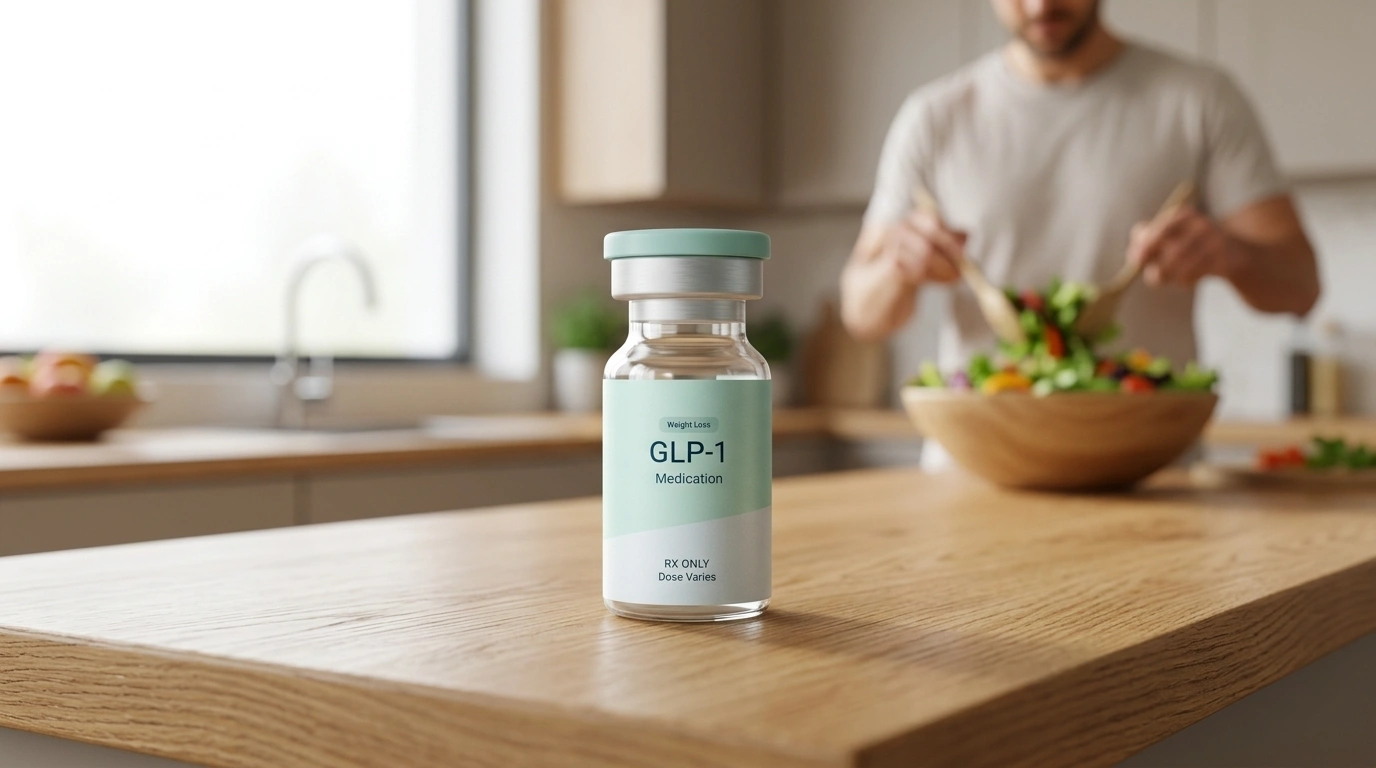
Finding out that a medication could help you reach your weight goals is often a moment of huge relief, but that feeling can quickly turn to hesitation if you have a fear of needles. Many people starting their research ask the same fundamental question: is Ozempic® only a shot? While the brand-name medication itself is exclusively an injectable, the science behind it is more flexible than most realize. At TrimRx, we believe that understanding your options is the first step toward a sustainable health journey, and if you want a personalized starting point, you can take the free assessment quiz. This post will cover the different ways the active ingredient in Ozempic® can be taken, the pros and cons of each method, and how a personalized program can help you decide which path fits your lifestyle. While Ozempic® is delivered via a weekly injection, there are oral alternatives and compounded options that provide more flexibility for those who prefer to avoid needles.
Quick Answer: While the brand-name medication Ozempic® is only available as a once-weekly subcutaneous injection, its active ingredient, semaglutide, is also available in oral forms. Other brand-name medications and compounded versions offer the same metabolic support in daily pill or sublingual formats.
What is Ozempic and How is it Administered?
Ozempic® is a brand-name prescription medication used primarily to treat type 2 diabetes, though it is frequently used off-label for weight management. Its active ingredient is semaglutide, which belongs to a class of drugs called glucagon-like peptide-1 (GLP-1) receptor agonists. These medications mimic a hormone naturally produced in your gut that tells your brain you are full and helps your body manage blood sugar levels.
As a brand-name product, Ozempic® is only manufactured as an injectable pen. It is designed for subcutaneous injection, which means it is delivered into the fatty tissue just under the skin rather than into a vein or muscle. Most people administer the shot in the abdomen, thigh, or upper arm once per week.
Why is it typically a shot?
The primary reason semaglutide started as an injection is due to how our bodies process proteins. Semaglutide is a large molecule. When you swallow a pill, your stomach acid and digestive enzymes are very good at breaking down proteins before they can reach your bloodstream. By injecting the medication into the fatty tissue, it is absorbed slowly and steadily, allowing it to work in your system for an entire week.
However, medical technology has evolved, and if you want a deeper look at the biology, our guide on how GLP-1 actually works for weight loss breaks it down clearly. While the Ozempic® brand remains an injection, scientists found ways to protect the semaglutide molecule so it could survive the trip through the stomach, leading to the development of oral versions.
Exploring Oral Alternatives to the Ozempic Shot
If you are looking for the benefits of semaglutide but want to avoid needles, you have options. The most well-known brand-name oral version of semaglutide is Rybelsus®.
Rybelsus: The Daily Pill
Rybelsus® contains the exact same active ingredient as Ozempic®, but it is formulated as a tablet. For a side-by-side explanation, see our guide comparing oral semaglutide and injections. To make sure the medication actually gets into your system, the pill includes a special ingredient called SNAC (sodium salcaprozate). This ingredient protects the semaglutide from stomach acid and helps the stomach lining absorb it.
Because the body is less efficient at absorbing a pill than an injection, there are specific rules for taking oral semaglutide:
- You must take it as soon as you wake up.
- You must take it on an empty stomach.
- You can only use a small sip of water (no more than 4 ounces).
- You must wait at least 30 minutes before eating, drinking anything else, or taking other medications.
Compounded Oral Semaglutide
Beyond brand-name tablets, many patients access semaglutide through compounded pharmacies. Our platform connects individuals with licensed providers who may prescribe compounded semaglutide. If you are trying to figure out whether treatment is a fit, start with what you really need to know about qualifying for semaglutide. These medications are prepared by FDA-registered, inspected compounding pharmacies.
Compounded versions may come in different formats, such as:
- Oral Capsules: Similar to the brand-name pill, taken daily.
- Sublingual Drops or Tablets: These are placed under the tongue. This method allows the medication to be absorbed through the mucous membranes in the mouth, bypassing the harsh environment of the stomach entirely.
Key Takeaway: Ozempic® is always an injection, but semaglutide (the active ingredient) is available as a daily pill or sublingual drop through other brands or compounded options.
Comparing Injections vs. Oral Medications
Choosing between a weekly shot and a daily pill involves looking at effectiveness, convenience, and your personal comfort level. For a broader look at outcomes and expectations, see whether GLP-1 works. Neither is objectively “better” for everyone; the best choice is the one you can stick with consistently.
| Feature | Injectable Semaglutide (e.g., Ozempic®) | Oral Semaglutide (e.g., Rybelsus®) |
|---|---|---|
| Frequency | Once per week | Once per day |
| Administration | Subcutaneous injection | Swallow with water or sublingual |
| Absorption | Very high and consistent | Lower; depends on strict fasting |
| Weight Loss | Often reported as slightly faster/higher | Effective, but may require higher doses |
| Storage | Usually requires refrigeration | Room temperature |
Effectiveness and Weight Loss
Clinical research suggests that injectable semaglutide may lead to more significant weight loss for some individuals compared to the currently approved doses of oral tablets. This is largely because the injection ensures a higher and more consistent concentration of the medication in the blood.
In studies, the 2.4 mg weekly injection (the dose found in Wegovy®, which is the version of semaglutide specifically approved for weight loss) showed very high efficacy. While the oral versions are also effective at managing blood sugar and supporting weight loss, the daily “absorption window” in the stomach is narrow. If you drink too much water or eat too soon after taking the pill, you might not get the full dose.
Convenience and Lifestyle
For some, the convenience of a weekly shot is the biggest selling point. You only have to think about your medication once every seven days. This is ideal for frequent travelers or people with busy morning routines.
For others, a daily pill feels more natural. If you already take vitamins or other daily medications, adding an oral semaglutide tablet to your routine may feel less intimidating than a needle. It also eliminates the need to manage sharps containers or worry about injection site reactions like mild bruising or itching.
The Role of Compounded Medications
When discussing whether Ozempic® is only a shot, it is important to mention compounded semaglutide and compounded tirzepatide. If you want to understand that second option better, read what the weight loss drug tirzepatide is. These are customized medications prepared by specialized pharmacies.
Note: Compounded semaglutide and compounded tirzepatide are not FDA-approved. However, they are prepared in FDA-registered and inspected compounding pharmacies to meet specific patient needs.
At TrimRx, our program focuses on providing access to these personalized options. Compounding allows for different delivery methods, such as sublingual liquids, which can be a middle ground for those who do not want an injection but struggle with the strict fasting requirements of a traditional pill.
Why choose a compounded option?
- Accessibility: During periods of medication shortages, compounded versions provide a way for patients to continue their treatment without interruption.
- Dosing Flexibility: Providers can sometimes fine-tune the dosage more precisely than the fixed-dose pens found in brand-name products.
- Delivery Method: If a patient is unable to use an injection, a sublingual compounded format offers an alternative way to receive the active ingredient.
How GLP-1 Medications Support Weight Loss
Whether you choose a shot or a pill, the underlying science remains the same. If you want a plain-English refresher, see our GLP-1 explainer. GLP-1 receptor agonists work by targeting several systems in the body simultaneously.
1. Brain Signaling The medication interacts with the hypothalamus, the part of the brain that regulates hunger. It increases feelings of satiety (fullness) and decreases cravings. This makes it easier for individuals to stick to a reduced-calorie diet without the constant “food noise” that often leads to overeating.
2. Gastric Emptying Semaglutide slows down the rate at which food leaves your stomach. This physical change means you stay full for a longer period after eating a meal.
3. Insulin Regulation These medications help the pancreas release the right amount of insulin when blood sugar levels are high. They also reduce the amount of sugar the liver produces. While this was originally designed for diabetes management, better blood sugar control is a cornerstone of metabolic health and sustainable weight management.
Who is a Candidate for Oral vs. Injectable Treatment?
Deciding which format is right for you is a conversation to have with a licensed healthcare provider. Generally, eligibility is based on your Body Mass Index (BMI) and the presence of any weight-related health conditions, such as high blood pressure or high cholesterol.
You might prefer the injection if:
- You want the highest possible efficacy for weight loss.
- You have a busy morning and cannot guarantee 30 minutes of fasting.
- You prefer only dealing with medication once a week.
- You are comfortable with a very small, thin needle.
You might prefer the oral/sublingual format if:
- You have a genuine needle phobia (trypanophobia).
- You prefer a daily routine to help you remember your medication.
- You travel frequently and do not want to carry injectable pens and needles.
- You have had skin reactions to injections in the past.
Bottom line: While Ozempic® is only an injection, the active ingredient semaglutide can be taken as a daily pill or sublingual drop, offering flexibility for different preferences.
Managing Side Effects
Regardless of whether you take a shot or a pill, GLP-1 medications can cause side effects as your body adjusts. Most of these are gastrointestinal and tend to be mild to moderate.
Common side effects include:
- Nausea
- Vomiting
- Diarrhea or constipation
- Stomach pain
- Heartburn
How to manage them:
- Eat smaller meals: Since your stomach empties more slowly, eating too much at once can cause discomfort.
- Stay hydrated: Drink plenty of water throughout the day, though remember the 30-minute rule if you are taking the oral version.
- Avoid greasy foods: High-fat or fried foods often worsen nausea on these medications.
- Support your system: We offer products like GLP-1 Daily Support to help provide the nutrients your body needs while your appetite is reduced.
If side effects become severe or persistent, it is essential to contact your healthcare provider. They may suggest adjusting your dose or switching delivery methods to see if your body tolerates one better than the other.
How to Get Started with a Personalized Program
Starting a weight loss journey can feel overwhelming, especially with so many different brand names and delivery methods to choose from. We aim to simplify this process through a telehealth-first approach. You do not need to spend hours in a waiting room or navigate confusing insurance hurdles alone.
Step 1: Complete the Free Assessment
The first step is our online assessment quiz. This helps us understand your health history, your goals, and your preferences regarding injections versus oral options.
Step 2: Consult with a Provider
A licensed healthcare professional will review your profile. They will determine if a GLP-1 medication is safe and appropriate for you. This is the time to discuss your preference for a pill or an injection.
Step 3: Receive Your Treatment
If prescribed, your medication is prepared by one of our partner FDA-registered compounding pharmacies and shipped directly to your door. Our programs are designed to be transparent, with no hidden fees, covering your consultations, lab work (if needed), and the medication itself.
Step 4: Ongoing Support
Your journey doesn’t end when the package arrives. We provide 24/7 access to a dedicated team to answer questions about side effects, dosing, or lifestyle changes. Our goal is to help you achieve long-term, sustainable health.
Myth vs. Fact: Oral Semaglutide
Myth: The oral version of semaglutide is just a “weak” version of Ozempic®. Fact: Oral semaglutide contains the same active ingredient. While the body absorbs it differently, it is a highly effective medication for many people when taken correctly.
Myth: You can just crush an Ozempic® pen and swallow the liquid. Fact: This is extremely dangerous and ineffective. The medication in the pen is formulated specifically for injection. Swallowing it would result in the stomach acid destroying the medication instantly.
Myth: Compounded oral versions are the same as “generic” Ozempic®. Fact: There is no such thing as “generic” Ozempic®. Compounded medications are customized preparations, not generic copies of a brand-name drug.
Is One Option More Affordable?
While we do not discuss specific pricing here, many patients find that the delivery method can influence the overall cost and accessibility of the program. Branded injections like Ozempic® and Wegovy® are often subject to insurance coverage rules that can be difficult to navigate.
Choosing a personalized program through a platform like ours often provides a more predictable experience. Because we work with compounding pharmacies, we can offer consistent programs that include all necessary medical supervision and support without the fluctuations often seen at traditional retail pharmacies.
Conclusion
The answer to “is Ozempic only a shot” is yes for the brand name, but no for the medicine inside it. Whether you are comfortable with a once-weekly injection or would much prefer a daily oral routine, the science of GLP-1 medications is accessible to you. The key is not just the medication itself, but the support system you have around you.
Our mission is to help you navigate these choices with empathy and clinical expertise. We believe weight loss is a deeply personal journey that requires a tailored approach, not a one-size-fits-all solution. By combining modern telehealth with science-backed treatments, we are here to help you take the next step toward a healthier version of yourself.
If you are ready to see which option is right for your health profile, the best next step is to take our free assessment quiz. This simple tool is the gateway to a personalized program designed to support your unique metabolic needs.
FAQ
Can I switch from the Ozempic shot to a pill?
Yes, many patients successfully transition from injectable semaglutide to an oral version. This usually requires a consultation with your healthcare provider to ensure the dosage is adjusted correctly, as the absorption rates differ between the two formats. For a closer look at that comparison, read our guide on oral semaglutide and injections.
Is the pill as effective for weight loss as the injection?
While both are effective, clinical trials generally show that higher-dose injections (like those found in Wegovy®) lead to more significant weight loss than the currently approved doses of oral semaglutide. However, for many people, the pill provides excellent results with the added benefit of being needle-free.
Why do I have to take the semaglutide pill on an empty stomach?
Semaglutide is a protein that is easily broken down by stomach acid and food. Taking it on an empty stomach with a very small amount of water gives the medication the best chance to bind to the stomach lining and be absorbed into your bloodstream before digestion begins.
Does TrimRx offer both shots and pills?
We connect you with licensed providers who can prescribe various forms of GLP-1 medications based on your medical eligibility. This includes compounded semaglutide and compounded tirzepatide in both injectable and oral or sublingual formats, depending on what the provider determines is best for your specific needs. If you want to find out whether you qualify for a personalized program, complete the free assessment quiz.
Disclaimer: This content is for informational purposes only and does not constitute medical advice. It is not intended to diagnose, treat, cure, or prevent any disease or condition. Individual results may vary. Always consult a qualified healthcare professional before starting any weight loss program or medication.

Transforming Lives, One Step at a Time
Keep reading

Does Water Weight Mask Fat Loss on Ozempic?
Yes, routinely, and sometimes for weeks at a time. This is the single biggest reason the scale is a frustrating instrument during weight loss….

Why Do Energy Drinks Feel Worse on Ozempic?
Because the drink has not changed but almost everything around it has. You are eating considerably less, so a large dose of caffeine is…
How Often Should You Weigh Yourself on Ozempic?
Weekly, at the same time and under the same conditions, suits most people well. It gives you enough data to see a trend without…


