What to Do if You Miss Your Ozempic Shot: Your Action Plan
Introduction
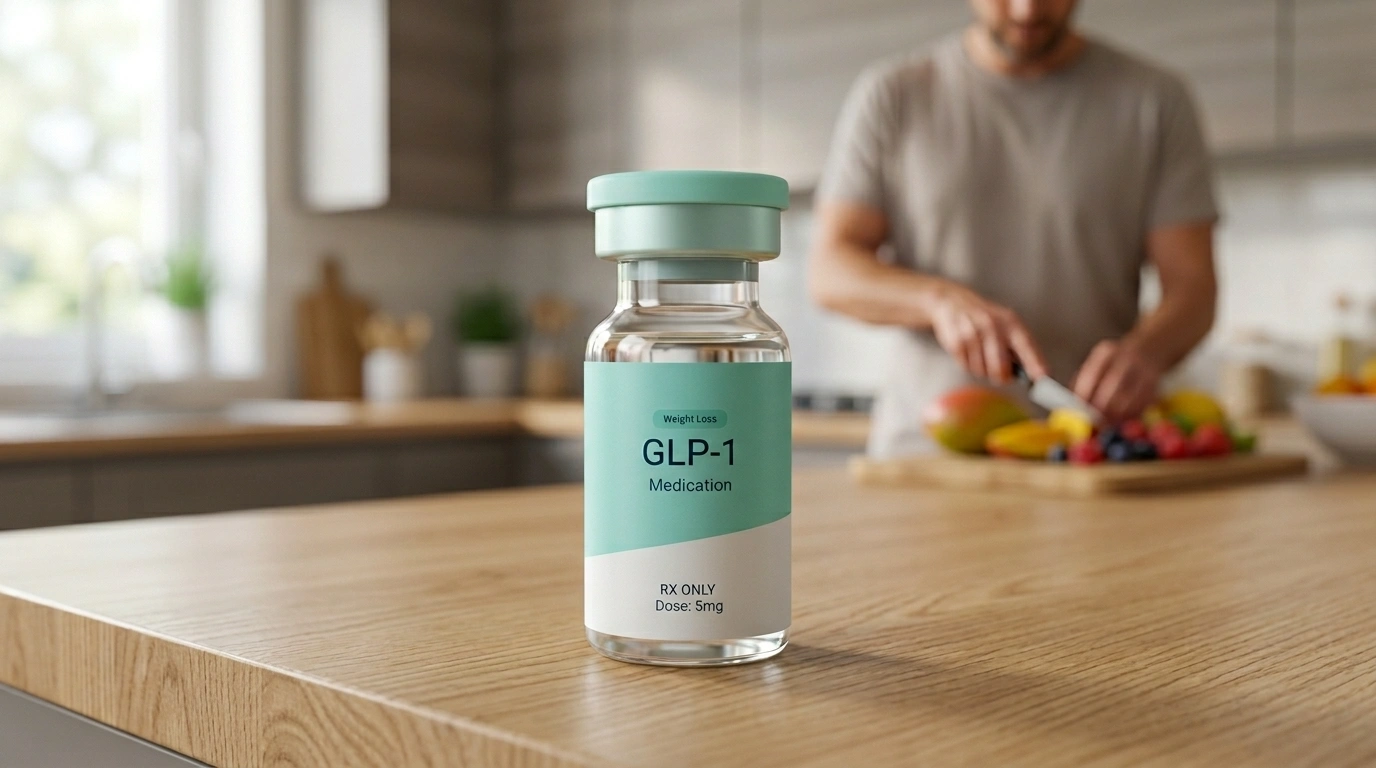
Life is rarely a straight line, and managing a weekly medication schedule can sometimes be a challenge. Whether you were traveling, faced a pharmacy delay, or simply had a busy week and forgot, missing a dose of Ozempic® (semaglutide) can cause a moment of panic. You might worry that your progress will stall or that you will experience a sudden return of hunger. At TrimRx, we believe that understanding your medication starts with learning what GLP-1 is and how it supports your weight loss journey.
The good news is that this medication is designed with a long-acting formula, meaning one missed day does not mean you have failed or lost your momentum. There is a specific clinical protocol for catching up, known as the “5-day rule,” which helps you navigate the timing of your next injection safely. This post covers the exact steps you should take based on how much time has passed, what is happening inside your body, and how to get back on track without increasing your risk of side effects.
Understanding the “Grace Period” of Semaglutide
To understand what to do when a dose is missed, it helps to understand how the medication works. Ozempic® is a GLP-1 receptor agonist. GLP-1 stands for glucagon-like peptide-1, which is a hormone your body naturally produces to regulate appetite and blood sugar. Semaglutide, the active ingredient in the medication, mimics this hormone but stays in the system much longer than the version your body makes.
The “half-life” of a medication is the time it takes for the concentration of the drug in your body to reduce by half. For semaglutide, the half-life is approximately seven days. This is why the medication is injected only once per week. Because it lingers in your system for so long, a single missed dose does not cause the medication levels in your blood to drop to zero immediately.
Key Takeaway: Because semaglutide has a seven-day half-life, your body maintains a “steady state” of the medication. Missing your shot by a day or two generally won’t cause the benefits to disappear instantly, but it is important to resume your schedule correctly.
When you take your weekly injection consistently, the medication builds up in your system until it reaches a consistent level. This is why many people notice the effects becoming more “reliable” after the first four to five weeks. If you miss a dose, that steady level begins to dip, but it does so slowly. This provides a built-in grace period that allows for some flexibility if you are late by a few days.
The 5-Day Rule: A Step-by-Step Recovery Guide
The medical community and the manufacturer generally follow a standard protocol for missed doses. This protocol is designed to keep the medication at an effective level without causing the severe side effects that can happen if you take too much in a short window.
Scenario 1: You are 1 to 5 Days Late
If you remember your missed dose within five days of the original scheduled time, you should take the injection as soon as you remember. For example, if your usual day is Monday and you remember on Wednesday or even Friday, go ahead and administer the dose.
After taking the late dose, you should continue with your next dose on your usual scheduled day. However, ensure there is at least a 48-hour gap between the late dose and your next regular dose. If you take the late dose on Friday and your next one is due Monday, you are safe to proceed.
Scenario 2: You are More Than 5 Days Late
If more than five days have passed since your scheduled injection, the protocol changes. At this point, you should skip the missed dose entirely. Do not take the injection. Instead, wait until your next regularly scheduled day to take your next dose.
For example, if your usual day is Monday and you realize on the following Sunday that you forgot, simply wait until Monday. Taking a dose so close to your next scheduled time increases the risk of the medication stacking too heavily in your system, which can lead to intense gastrointestinal distress.
Scenario 3: You Have Missed Two or More Doses
Missing two or more consecutive weeks is a more complex situation. When you go 14 days or longer without the medication, the levels in your body drop significantly. If you were on a high maintenance dose (such as 1.0 mg or 2.0 mg), jumping straight back into that dose after a two-week break can be very hard on the digestive system.
In this case, we recommend consulting with a healthcare provider. They may suggest “re-titrating,” which means temporarily dropping back to a lower starter dose to let your body get used to the medication again. At TrimRx, our clinical team works with individuals to adjust their personalized programs if a significant gap in treatment occurs, ensuring the transition back is as smooth as possible.
| Time Elapsed | Action to Take |
|---|---|
| 1-5 Days Late | Take the dose now and resume your normal schedule next week. |
| 5+ Days Late | Skip the missed dose. Wait for your next regularly scheduled day. |
| 14+ Days Late | Do not resume without consulting your provider. You may need a lower dose. |
What Happens in Your Body After a Missed Shot?
When you miss your injection, you may not feel anything different for the first 24 to 48 hours. However, as the days pass and the concentration of the medication in your blood begins to wane, several physiological changes can occur.
The Return of Appetite and “Food Noise”
One of the primary benefits of GLP-1 medications is the reduction of “food noise”—those intrusive, constant thoughts about eating or cravings. As the medication levels drop, these signals may return. You might notice that you feel hungry sooner after a meal or that you are thinking about snacks more often. This is a natural result of the GLP-1 receptors in your brain receiving less stimulation. For a deeper look at these changes, review common GLP-1 side effects.
Changes in Digestion
Semaglutide works partly by slowing down gastric emptying, which is the speed at which food leaves your stomach. When you miss a dose, your digestion may begin to speed back up to its “normal” rate. While this might temporarily relieve any constipation or bloating you had been experiencing, it also means you will lose that feeling of prolonged fullness after eating.
Blood Sugar Considerations
For those using Ozempic® specifically for Type 2 diabetes management, a missed dose can lead to higher blood sugar readings. Without the medication’s help in stimulating insulin secretion and suppressing glucagon, your body may struggle to regulate glucose effectively. If you monitor your blood sugar at home, you might see your numbers trending higher until you resume your regular schedule.
Bottom line: Missing a dose results in a slow decline of the medication’s effects. While one missed week won’t erase your long-term progress, you may notice a temporary return of hunger and a shift in how quickly you feel full after meals.
The Risk of Doubling Up: Why 48 Hours Matters
The most common mistake people make when missing a dose is trying to “make up for lost time” by taking a double dose or taking two shots very close together. This is highly discouraged by healthcare professionals.
Taking too much semaglutide at once can overwhelm the body’s receptors. The side effects of an overdose are primarily gastrointestinal and can be severe, including:
- Intense, persistent nausea
- Projectile or frequent vomiting
- Severe abdominal cramping
- Dehydration due to fluid loss
There is a strict “48-hour rule” regarding these injections. You should never administer a dose of semaglutide if it has been less than 48 hours since your last one. This safety margin ensures that the peak concentration of the drug doesn’t reach a level that the body cannot tolerate. If you ever accidentally take too much, or take doses too close together and experience severe symptoms, you should contact a healthcare provider or a poison control center immediately.
Returning After a Long Break: Missing Two or More Weeks
If life got in the way and you have been off your medication for two, three, or even four weeks, you should not simply pick up where you left off. The “starting” doses of these medications (usually 0.25 mg) are designed to slowly habituate your body to the drug. Most people eventually move up to 0.5 mg, 1.0 mg, or 2.0 mg.
If you have been off the medication for several weeks, your body has lost that habituation. If you were previously on a 1.0 mg dose and you inject that amount after a long break, your body will likely react as if it is a massive overdose. This often leads to the “nausea wall” that many people fear.
In these instances, a provider may suggest you go back down to the 0.25 mg or 0.5 mg dose for a week or two to “prime” the system again. We emphasize the importance of medical supervision in these moments. Our platform connects you with providers who can adjust your prescription to ensure you don’t suffer through unnecessary side effects while trying to get back on track. For a fuller walk-through, see our missed Ozempic shot guide.
Note: If you have missed more than two weeks of your program, please reach out to your clinical team before self-administering your next dose. Safety and comfort are essential for long-term success.
Strategies to Stay Consistent with Your Weekly Routine
Consistency is the engine that drives success with GLP-1 medications. While the occasional missed dose is manageable, staying on a regular schedule helps keep the medication levels stable, which minimizes side effects and maximizes weight loss results. Here are practical ways to ensure you never miss a shot:
- Select a “Low-Stress” Day: Many people find that Tuesday, Wednesday, or Thursday are the best days for injections. Weekends are often full of travel, social events, or routine changes that make it easier to forget. A mid-week injection often aligns better with a stable work-week routine.
- Use Digital Reinforcements: Don’t rely on memory alone. Set a recurring alarm on your phone specifically for your injection. Use a calendar app that requires you to “check off” the task so you have a digital record of when you took it.
- Habit Stacking: Tie your injection to a weekly habit you already have. For example, if you always do your laundry on Sunday evenings or grocery shop on Monday mornings, perform your injection immediately before or after that task.
- Visual Cues: Keep your medication in a consistent, visible spot in your refrigerator (away from the very back where it might freeze). Seeing the box every time you reach for the milk can serve as a powerful silent reminder.
- Preparation is Key: If you know you will be traveling, plan ahead. If you use a branded medication like Ozempic® or Wegovy®, the pens can often stay at room temperature for a certain number of days (check your specific medication’s instructions). If you are using a compounded medication, ensure you have a travel cooler bag to maintain the cold chain.
Managing Side Effects After a Late Dose
Sometimes, taking a dose late—even within the 5-day window—can cause a slight uptick in side effects like nausea or indigestion because the levels in your body were lower and are now being “topped off.”
If you find yourself feeling a bit queasy after getting back on track, focus on hydration and gentle nutrition. Small, frequent meals are often better tolerated than three large ones. This is also a time when targeted supplements can be beneficial. For example, our GLP-1 Daily Support supplement is designed to offer daily nutritional support alongside your routine.
Similarly, our Weight Loss Boost supplement is another option for energy support during weight loss when you want a little extra help staying on track.
Key Takeaway: If you experience mild nausea after resuming your dose, prioritize electrolytes and small portions of bland foods. Most “restart” side effects dissipate within 24 to 48 hours.
How Personalized Care Supports Your Long-Term Success
One of the biggest hurdles in any weight loss journey is the feeling of being alone when things don’t go according to plan. Whether it’s a missed dose, a plateau, or confusing side effects, having a dedicated support system makes all the difference.
At TrimRx, our telehealth-first approach is built around the idea that medical weight loss is not just about a prescription—it’s about a program. If you want a closer look at the process, read our guide on how to get GLP-1 weight loss prescriptions online. We provide access to licensed healthcare providers who specialize in GLP-1 treatments, ensuring that if you do miss a dose or run into a challenge, you have an expert team to turn to.
We offer personalized programs that include everything from the initial doctor consultation and lab work to the medication itself, shipped from FDA-registered, inspected compounding pharmacies. If you want to see whether a personalized program is a fit for your goals, see if you qualify for a personalized program.
Our goal is to remove the “waiting room” obstacles that often lead to missed doses. With 24/7 access to specialists, we ensure that your journey is as transparent and supportive as possible. Sustainable weight loss is a marathon, and we are here to provide the steady guidance you need to cross the finish line.
Conclusion
Missing an Ozempic® shot is a common occurrence and rarely a reason for significant concern if handled correctly. By following the 5-day rule—taking it if you’re early, skipping it if you’re late—you can maintain the safety and efficacy of your treatment. Remember that consistency is your best friend, but flexibility is your safety net. One missed week does not define your journey; your commitment to getting back on track does.
Quick Answer: If you miss your Ozempic® shot, take it as soon as you remember within 5 days. If more than 5 days have passed, skip it and wait for your next scheduled day. Never take two doses within 48 hours.
If you are looking for a weight loss program that offers clinical expertise and personalized support every step of the way, we are ready to help. Our mission is to combine the best of science and telehealth to make sustainable health reachable for everyone.
Next Step: Ready to start a program designed specifically for your health goals? Take our free assessment quiz to see if a personalized GLP-1 program is right for you.
FAQ
Can I change my “injection day” if I missed a dose?
Yes, you can shift your injection day. If you take a missed dose late, that new day can become your new weekly schedule, provided you always maintain at least 48 hours between injections. For example, if you move from Monday to Wednesday to catch up on a missed dose, you can simply keep Wednesdays as your new routine going forward.
Will I immediately gain weight if I miss one week?
No, you will not immediately regain weight from a single missed dose. Because the medication stays in your system for several weeks, your metabolism and appetite suppression will taper off gradually rather than stopping abruptly. However, your appetite may increase toward the end of the “off” week, so it is important to stick to the healthy eating habits you have developed.
What should I do if I missed my shot because the pharmacy is out of stock?
Pharmacy shortages are a common reason for missed doses. If you cannot find your branded medication, consult your healthcare provider about alternatives. Many people find that personalized programs through platforms like TrimRx, which utilize FDA-registered compounding pharmacies for Semaglutide or Tirzepatide, offer a more consistent supply and prevent the stress of nationwide shortages. If shortages are interrupting your routine, complete the free assessment to see whether a personalized program is a good next step.
Is it dangerous to skip a dose on purpose for a holiday or event?
It is generally not recommended to skip doses on purpose, as “pulsing” the medication can increase the likelihood of side effects when you restart. If you are concerned about side effects during a special event, talk to your provider. They can help you manage your schedule or provide tips on how to enjoy your event while staying consistent with your treatment plan.
Disclaimer: This content is for informational purposes only and does not constitute medical advice. It is not intended to diagnose, treat, cure, or prevent any disease or condition. Individual results may vary. Always consult a qualified healthcare professional before starting any weight loss program or medication.

Transforming Lives, One Step at a Time
Keep reading
Can You Take Ibuprofen on Ozempic?
For occasional use in someone who is well hydrated and has healthy kidneys, ibuprofen is generally considered reasonable, and it is worth checking with…

Why Do I Feel Best Two Days After My Ozempic Injection?
Because you are noticing the shape of a weekly dose, and day two often sits in a useful window: the initial side effects have…

Does Pepto Bismol Help Nausea on Ozempic?
Ask your pharmacist before using it, because Pepto Bismol is not the neutral stomach remedy most people assume. Its active ingredient, bismuth subsalicylate, contains…


