What to Expect After Your First Ozempic Shot
Introduction
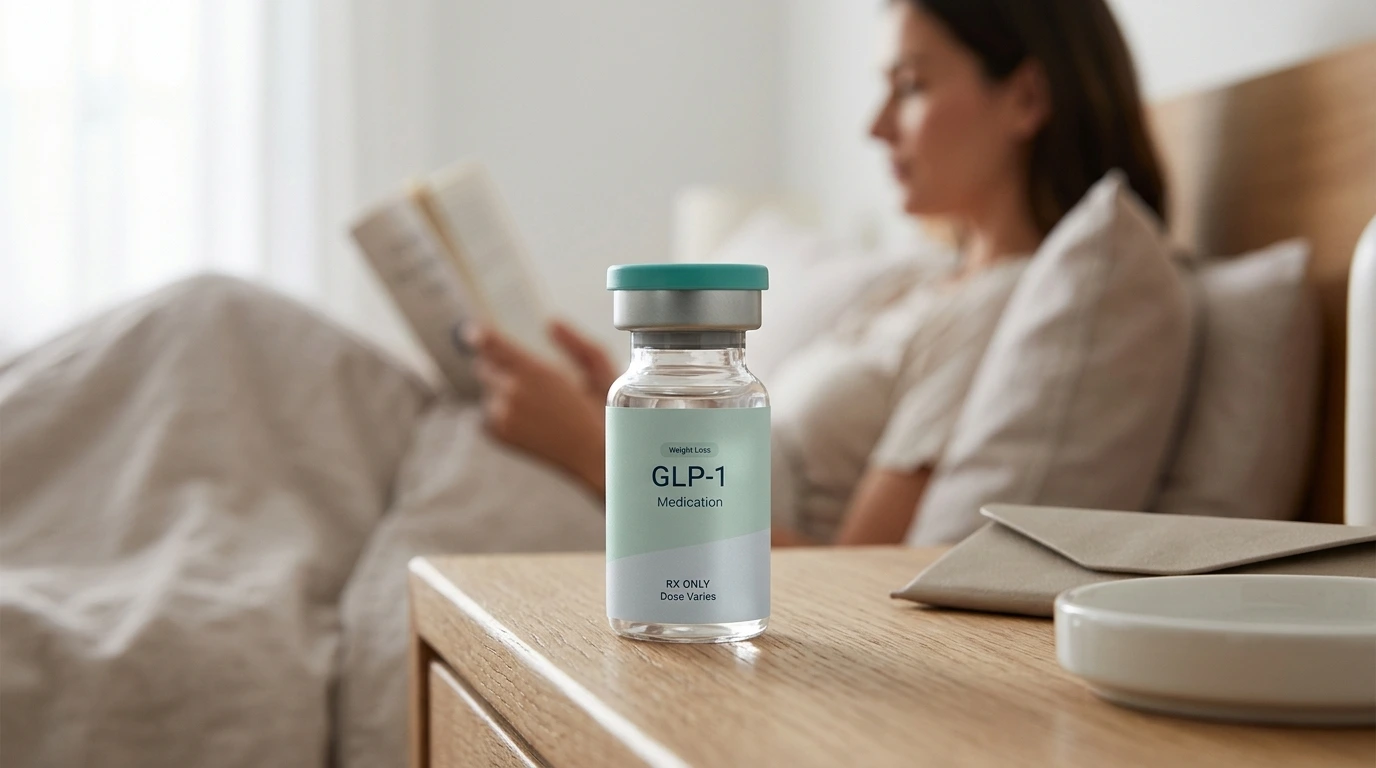
You have spent years navigating the frustrations of traditional weight loss, from restrictive diets to grueling workout schedules that never seem to move the needle. Now, you finally have your first Ozempic® (semaglutide) pen in hand, and while the excitement is real, it is often accompanied by a sense of uncertainty. Taking that first step toward metabolic health is a significant milestone, but knowing how your body will react in the hours and days following that initial injection can help you feel more in control.
At TrimRx, we believe that transparency and preparation are the keys to a successful weight loss journey. If you want to see whether a personalized plan is a fit, you can take our free assessment quiz. This guide will walk you through the physiological changes, potential side effects, and early signs of progress you may encounter during your first week. We will cover how the medication interacts with your system, what to do if you feel a bit off, and why those first seven days are so important for long-term success. Our goal is to help you navigate this transition with confidence and clarity.
The Science of Your First Injection
When you administer your first dose of Ozempic®, you are introducing a glucagon-like peptide-1 (GLP-1) receptor agonist into your system. For a plain-English overview, What is GLP-1? A 2026 Breakdown from Our Medical Experts is a helpful companion. A receptor agonist is essentially a medication that mimics a natural hormone in your body. In this case, it mimics GLP-1, which is a hormone produced in your gut that tells your brain when you are full and helps manage your blood sugar levels.
Quick Answer: After your first shot, the medication begins working at a molecular level within hours, though you may not “feel” different immediately. Most people notice a decrease in appetite and some mild digestive changes within the first 24 to 72 hours as the medication slows down digestion and communicates with the brain’s hunger centers.
The medication does not just disappear into your body; it begins a complex series of interactions. It travels through your bloodstream and binds to specific receptors in your pancreas and your brain. In the pancreas, it helps the organ release the right amount of insulin when your blood sugar is high. In the brain, it targets the hypothalamus, which is the control center for hunger and satiety (the feeling of fullness).
The Role of Gastric Emptying
One of the most immediate physical changes happens in your stomach. For a deeper dive into the mechanism, see How GLP-1 Actually Works for Weight Loss: The 2026 Breakdown. The medication slows down “gastric emptying,” which is the rate at which food moves from your stomach into your small intestine. This is a primary reason why you may feel full much sooner than usual. Instead of food passing through quickly, it sits in the stomach longer, sending consistent signals to your brain that you do not need more fuel.
The Starter Dose Philosophy
It is important to remember that your first shot is usually a “starter dose,” typically 0.25 mg. If you are still sorting through treatment basics, What Is GLP-1 Weight Loss Medication? explains the broader category. This dose is not intended to cause dramatic weight loss right away. Instead, its purpose is to “prime” your body and allow your digestive system to adjust to the presence of the medication. This slow introduction helps minimize side effects while your metabolic pathways begin to recalibrate.
The First 24 to 48 Hours: Immediate Physical Sensations
The first two days after your injection are often a period of discovery. Your body is encountering a new hormonal signal, and it is natural for your system to react. While some people feel absolutely no different, others may notice subtle shifts in how they perceive food or how their stomach feels.
The Onset of Appetite Changes For many, the first sign that the medication is working is a sudden quietness in the mind regarding food. This is often called a reduction in “food noise.” If you are used to constantly thinking about your next meal or reaching for snacks out of habit, you might find that those urges simply don’t appear. You may realize at noon that you haven’t thought about lunch yet, which can be a surprising and empowering experience.
Common Early Side Effects Because the medication affects the gastrointestinal tract, the most frequent side effects in the first 48 hours are digestive. You might experience:
- Mild nausea, especially if you eat a large meal
- A sense of being “overly full” or bloated
- Slight lightheadedness or fatigue
- Changes in bowel habits, such as mild constipation or diarrhea
These symptoms occur because your body is learning to process food at a slower pace. If you eat the same portion size you did before the shot, your stomach may feel uncomfortably packed because the food isn’t moving out as fast as it used to.
Key Takeaway: The first 48 hours are about observation. Pay close attention to your body’s signals for fullness, as they will likely arrive much earlier than you are accustomed to.
Days 3 to 7: Navigating the Full First Week
By the third or fourth day, the medication has reached a stable level in your bloodstream for that week’s dose. This is usually when the effects on appetite and satiety are the most pronounced.
Managing Your Portions During the middle of your first week, you will likely notice that your “stop” signal is much stronger. You might sit down with a standard plate of food and find that you are completely satisfied after eating only half of it. It is vital to listen to this signal. Forcing yourself to finish a plate out of habit can lead to significant nausea. This is a time to embrace smaller, more nutrient-dense meals.
The “Wearing Off” Effect Ozempic® has a half-life of about one week. This means that by day six or seven, the amount of medication in your system is at its lowest point before your next shot. Some people report that their hunger starts to return slightly on the day before their next injection. This is completely normal, especially on the low starter dose. As you continue the program and potentially move to higher doses, this “wearing off” sensation typically becomes less noticeable.
Energy Levels and Fatigue It is relatively common to feel a bit more tired than usual during your first week. This “startup fatigue” happens for two reasons. First, your body is adjusting to lower blood sugar levels and a new metabolic rhythm. Second, because you are eating less, you may unintentionally be consuming fewer calories or less hydration than your body needs to maintain its usual energy. If you want energy support during weight loss, Weight Loss Boost supplement can be a useful option.
Managing Side Effects: Tips for a Smooth Transition
Most side effects during the first week are mild and temporary. However, they can be bothersome if you are not prepared. We often see that a few simple lifestyle adjustments can make a significant difference in how you feel as your body acclimates.
Adjusting Your Eating Habits
Since your digestion has slowed down, the way you eat becomes just as important as what you eat.
- Eat Smaller, More Frequent Meals: Instead of three large meals, try four or five very small snacks throughout the day. This prevents the stomach from becoming too full at once.
- Prioritize Protein: Protein helps maintain muscle mass and keeps you feeling satisfied. Lean meats, eggs, and legumes are excellent choices.
- Avoid Greasy and Fried Foods: High-fat foods take even longer to digest. When combined with the slowed gastric emptying of the medication, these foods can lead to intense nausea or reflux.
- Stop Before You Are Full: Try to stop eating when you feel about 80% full. Because of the delay in signaling, you may actually be 100% full by the time the signal reaches your brain.
Hydration and Electrolytes
Nausea and fatigue are often exacerbated by dehydration. When your appetite drops, your thirst cues may also decrease. It is essential to sip water throughout the day. If you find yourself feeling particularly tired or experiencing a headache, an electrolyte drink (without added sugar) can help restore your balance.
Note: If you experience severe vomiting, intense abdominal pain that radiates to your back, or a complete inability to pass stool, contact a healthcare provider immediately. These can be signs of more serious complications that require professional medical evaluation.
Supporting Your Body with Nutrients
As your intake decreases, ensuring you get the right vitamins and minerals becomes paramount. Many people find that specific supplements can help bridge the gap. For that kind of nutritional support while appetite is reduced, GLP-1 Daily Support supplement is designed to help bridge the gap.
Weight Loss Expectations for Week One
It is natural to want to see immediate results on the scale after your first shot, but it is important to set realistic expectations. Most people lose between one and three pounds in their first week, though some may lose more and some may lose none at all.
Why the Scale Moves (or Doesn’t) Early weight loss is often a combination of reduced inflammation, loss of water weight, and the beginning of a caloric deficit. Because you are likely eating fewer processed foods and less sugar, your body stops holding onto excess water.
If you do not see the scale move in the first seven days, do not be discouraged. Remember, the first month is a “dose escalation” phase. You are not on a therapeutic weight-loss dose yet; you are on a starter dose meant to help your body adapt. The most important progress in week one is happening internally as your hormones begin to balance out.
Myth: If I don’t lose weight in the first week, the medication isn’t working for me. Fact: The 0.25 mg starter dose is designed for safety and acclimation, not maximum weight loss. Many people do not see significant weight changes until they reach higher doses in the second or third month.
Personalized Care and Telehealth Support
Navigating the first week of a GLP-1 program can feel overwhelming if you are doing it alone. This is where a personalized telehealth approach makes a difference. Rather than just receiving a prescription and being sent on your way, a structured program provides the oversight necessary to ensure you are safe and supported.
At TrimRx, we connect you with licensed healthcare providers who specialize in metabolic health. They review your medical history and health goals through our free assessment quiz to determine the best path forward for you. This might include prescriptions for compounded semaglutide or compounded tirzepatide, which are prepared by FDA-registered, inspected compounding pharmacies. If you’re comparing options, What is the Weight Loss Drug Tirzepatide? offers a helpful overview.
The benefit of our platform is the continuous access to specialists. If you experience unexpected nausea after your first shot or have questions about how to adjust your diet, you have a dedicated team ready to guide you. This level of support ensures that you don’t have to guess whether what you are feeling is “normal”—you have an expert to tell you exactly what to expect.
Preparing for Your Next Dose
As you approach the end of your first week, it is time to prepare for your second injection. Most people find that the second shot is easier because the “fear of the unknown” has passed.
Reviewing Your Injection Site If you experienced any redness or soreness at the site of your first injection, consider rotating to a different area for your second shot. Common sites include the abdomen (at least two inches from the belly button), the front of the upper thighs, or the back of the upper arms. Rotating the site every week can help reduce skin irritation.
Tracking Your Progress We recommend keeping a simple log during your first few weeks. Note things like:
- What time you took your shot
- Any side effects and when they occurred
- How your appetite felt throughout the week
- Your energy levels
This information is incredibly valuable when you have your follow-up consultations with your healthcare provider. It allows them to tailor your program to your specific needs, ensuring your journey remains both effective and comfortable.
Summary Checklist for Your First Week
To help you stay on track, here is a quick list of actions to take following your first Ozempic® shot:
- Prioritize hydration: Drink at least 64 ounces of water daily, adding electrolytes if you feel fatigued.
- Downsize your plates: Use smaller bowls or plates to help your brain adjust to smaller portion sizes.
- Monitor your protein: Aim for a high-protein snack or meal every few hours to support muscle health.
- Listen to your gut: Stop eating the moment you feel a hint of fullness.
- Stay consistent: Take your next dose at the same time and on the same day each week to maintain stable levels in your body.
Bottom line: Your first week is a learning phase for both your brain and your body. Focus on establishing healthy habits and listening to new satiety signals rather than obsessing over the scale.
Conclusion
The journey toward a healthier version of yourself is a marathon, not a sprint. While the first week after your Ozempic® shot may bring some mild challenges like nausea or fatigue, it also brings the exciting first signs of a quieter mind and a more controlled appetite. These changes are the foundation of a metabolic reset that can lead to sustainable, long-term weight management.
Our mission is to help you embrace a healthier lifestyle through a combination of science, empathy, and personalized care. We believe that everyone deserves a weight loss program that is as unique as they are, providing the tools and medical oversight needed to succeed without the stress of in-person waiting rooms.
If you are ready to take the next step or want to see if a personalized GLP-1 program is right for you, we invite you to take our free assessment quiz. It is the first step toward a treatment plan designed specifically for your body and your goals.
FAQ
How long does it take for the first Ozempic shot to work?
The medication begins working at the cellular level within hours of the first injection. However, most people start to notice a physical difference in their appetite or “food noise” within 24 to 72 hours. Significant weight loss typically takes several weeks to months as the dose is gradually increased.
Can I eat whatever I want during the first week?
While there are no strictly “forbidden” foods, you will feel much better if you avoid high-fat, greasy, or sugary items. Because Ozempic® slows your digestion, heavy foods can sit in your stomach for a long time, leading to nausea or discomfort. Focus on lean proteins and small portions to minimize side effects.
Is it normal to feel no different after the first shot?
Yes, it is perfectly normal to feel no change at all during the first week. The 0.25 mg starter dose is very low and is primarily meant to help your body get used to the medication. Some people require a higher dose before they notice a significant decrease in hunger or weight changes.
Should I take my first Ozempic shot on an empty stomach?
You can take the injection with or without food, as it does not affect how the medication is absorbed. However, some people find that taking the shot in the evening or after a light meal helps reduce potential nausea during the first 24 hours. Consistency in the day you take it is more important than whether you have eaten.
Disclaimer: This content is for informational purposes only and does not constitute medical advice. It is not intended to diagnose, treat, cure, or prevent any disease or condition. Individual results may vary. Always consult a qualified healthcare professional before starting any weight loss program or medication.

Transforming Lives, One Step at a Time
Keep reading
Can You Take Ibuprofen on Ozempic?
For occasional use in someone who is well hydrated and has healthy kidneys, ibuprofen is generally considered reasonable, and it is worth checking with…

Why Do I Feel Best Two Days After My Ozempic Injection?
Because you are noticing the shape of a weekly dose, and day two often sits in a useful window: the initial side effects have…

Does Pepto Bismol Help Nausea on Ozempic?
Ask your pharmacist before using it, because Pepto Bismol is not the neutral stomach remedy most people assume. Its active ingredient, bismuth subsalicylate, contains…


