Why Do I Bruise From My Ozempic Shot and How to Stop It
Introduction
Finding a small blue or purple mark at your injection site can be a jarring experience. You followed the instructions, took your weekly dose, and yet, a few days later, you are left with a visible bruise. If you have ever asked yourself, “Why do I bruise from my Ozempic shot?” you are certainly not alone. While Ozempic® (semaglutide) is a powerful tool for weight management and blood sugar control, the physical act of self-injection comes with a small learning curve.
At TrimRx, we understand that these minor side effects can feel discouraging when you are working hard toward a healthier lifestyle. We believe that knowledge is the best tool for reducing anxiety and improving your treatment experience. This post covers the biological reasons behind injection-site bruising, common mistakes that lead to skin discoloration, and practical steps you can take to keep your skin clear. While bruising is usually a harmless side effect, understanding how to refine your technique can make your journey more comfortable and sustainable. If you are exploring whether a personalized prescription program may be appropriate for you, you can complete a free eligibility assessment.
Quick Answer: Bruising from an Ozempic shot usually occurs when the needle accidentally punctures a tiny blood vessel called a capillary. This causes a small amount of blood to leak into the surrounding tissue, creating a bruise that typically fades within one to two weeks without intervention.
The Anatomy of an Injection: Why Bruising Happens
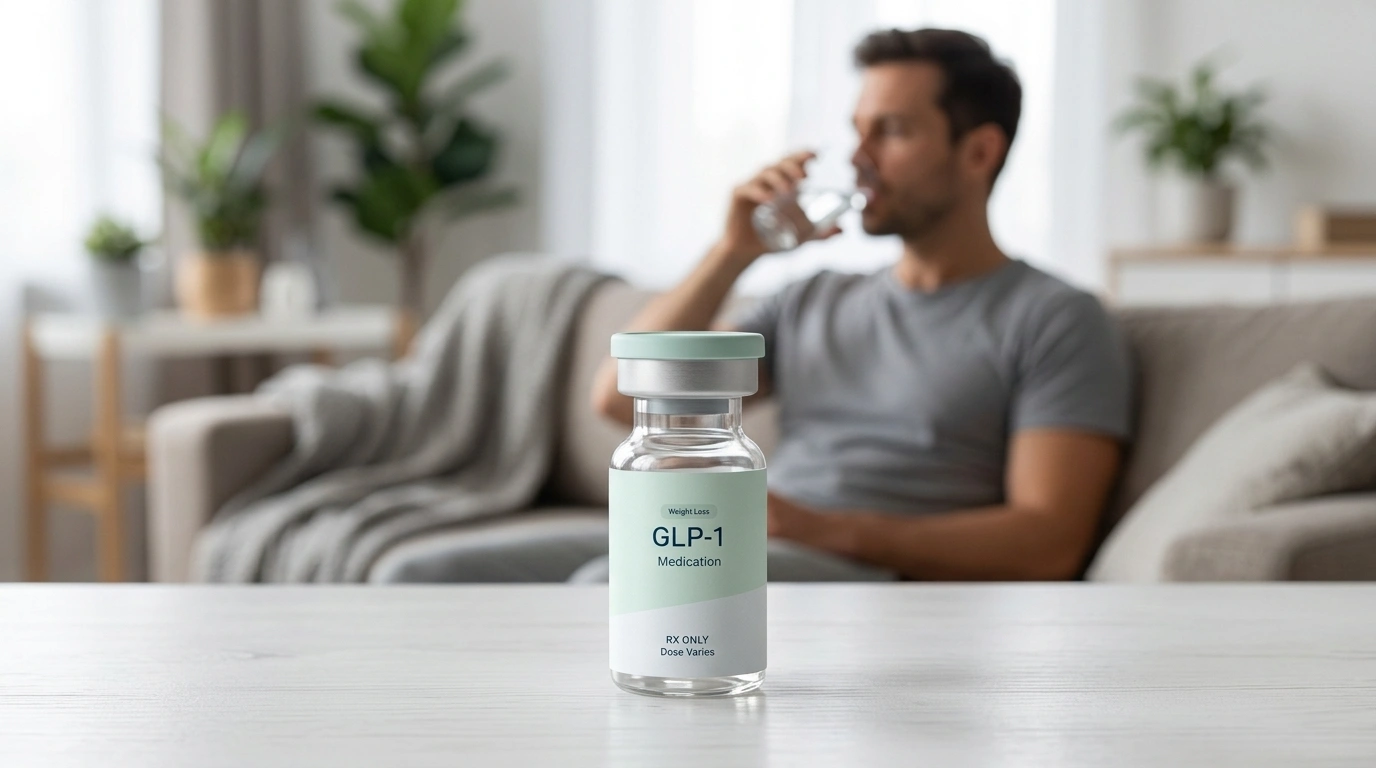
To understand why bruising happens, it is helpful to look at what occurs beneath the surface of your skin during an injection. Ozempic® is a GLP-1 receptor agonist, a type of medication that mimics a natural hormone in your body to help regulate appetite and blood sugar. This medication is administered as a subcutaneous injection.
A subcutaneous injection is a shot given into the fatty tissue layer located just below the skin and above the muscle. This area is ideal for medications like semaglutide because it has fewer large blood vessels and allows the medicine to be absorbed slowly and steadily into the bloodstream. However, even though this layer is relatively safe, it is still filled with a network of microscopic blood vessels known as capillaries. For additional guidance, review this complete guide to GLP-1 injection sites.
The Role of Capillaries
Capillaries are the smallest blood vessels in the human body. They are so thin that they are often invisible to the naked eye. When you insert a needle into your skin, there is a small chance that the tip will strike one of these tiny vessels.
If a capillary is punctured, a tiny amount of blood escapes into the surrounding fatty tissue. Because the skin remains intact, that blood has nowhere to go, so it settles under the surface. This is what creates the purple, blue, or yellow discoloration we recognize as a bruise. In the context of a weekly injection, this is officially known as an injection site reaction. You can also review this explanation of bruising and injection-site reactions on semaglutide.
Why Semaglutide Injections Are Unique
While bruising can happen with any injection, GLP-1 medications like Ozempic® or Wegovy® (the branded version specifically for weight loss) are given once a week. This means you are using the same general areas of your body repeatedly over many months. Without proper care and variety in where you place the needle, the skin and the underlying tissue can become sensitive, making the capillaries more prone to breakage.
Key Takeaway: Bruising is a mechanical issue related to the needle and the skin’s blood vessels, not a chemical reaction to the medication itself. It does not mean the medication is not working.
Common Risk Factors for Bruising
Not everyone who uses GLP-1 medications will experience bruising. Some individuals may go months without a single mark, while others seem to bruise every single time. Several biological and lifestyle factors influence how easily your skin reacts to the needle.
Medications That Increase Bruising
One of the most common reasons for significant bruising is the use of blood-thinning medications. These are clinically referred to as anticoagulants or antiplatelet agents. If your blood takes longer to clot, even a tiny puncture to a capillary will result in a larger bruise because the blood leaks for a longer period before the vessel seals itself.
Common substances that can increase your risk include:
- Prescription blood thinners: Medications like warfarin or apixaban.
- Over-the-counter pain relievers: Frequent use of NSAIDs (non-steroidal anti-inflammatory drugs) like aspirin, ibuprofen, or naproxen.
- Supplements: Certain natural supplements like fish oil, Vitamin E, garlic, and ginkgo biloba have mild blood-thinning properties.
If you are taking any of these, you may notice that your bruises are larger or take longer to disappear. Always consult a qualified healthcare professional before changing your medication or supplement routine.
Skin Health and Aging
As we age, our skin naturally becomes thinner and loses some of the protective fatty tissue that cushions our blood vessels. This makes the capillaries more vulnerable to the pressure of a needle. Individuals with very fair skin may also notice bruising more easily because the discoloration is more visible against a lighter pigment.
Hydration and Nutrition
Dehydration can make the skin less elastic and the blood vessels more fragile. Similarly, deficiencies in certain vitamins, such as Vitamin C or Vitamin K, can play a role in how well your body maintains its vascular walls. Maintaining a balanced diet and staying hydrated are essential components of our weight loss programs at TrimRx, as they support your body’s ability to heal and adapt to treatment.
Injection Technique: Where Bruises Are Made
In many cases, bruising is not a result of “bad luck” but rather a result of a small error in injection technique. Because these medications are self-administered, it is easy to fall into habits that inadvertently cause tissue trauma. This step-by-step GLP-1 injection guide offers additional technique guidance.
Pressing the Pen Too Hard
Many people feel anxious about ensuring the medication gets deep enough, so they press the injector pen firmly against their skin. This excessive pressure can compress the tissue and cause the needle to strike deeper vessels than intended. It can also cause the skin to “dimple,” which changes the angle of the needle and increases the likelihood of a tear in the capillary wall.
Reusing or Blunting the Needle
If you are using a pen that requires you to attach a new needle each time, it is vital to never reuse a needle. Needles are designed for a single use. Even one injection can cause the microscopic tip of the needle to dull or develop a tiny “hook.” Using a dull needle requires more force to penetrate the skin, which causes significantly more trauma to the tissue and almost guarantees a bruise.
The Angle of Insertion
The ideal angle for a subcutaneous injection is usually 90 degrees (straight in). If the needle enters at a shallow angle, it travels through more layers of the skin’s surface before reaching the fatty tissue. This “grazing” path increases the number of blood vessels the needle might encounter, leading to more surface-level bruising.
Step-by-Step: How to Inject Without Bruising
Improving your technique is the most effective way to prevent future marks. Follow these steps to ensure a smooth, clean injection every time.
Step 1: Prepare the medication. Remove your pen from the refrigerator about 30 minutes before your injection. Injecting cold medication can cause more stinging and tissue irritation than medication at room temperature.
Step 2: Clean the site correctly. Use an alcohol swab to clean the skin. Most importantly, wait for the alcohol to dry completely. If you inject through wet alcohol, it can be carried into the puncture site, causing irritation and inflammation that makes bruising more likely.
Step 3: Choose your spot and “pinch” if necessary. Select a site with plenty of subcutaneous fat. If you are quite lean, you may need to gently pinch an inch of skin and fat between your thumb and forefinger to create a stable “target” for the needle.
Step 4: Insert with a steady hand. Insert the needle straight in at a 90-degree angle using a quick, firm motion. Do not hesitate or push slowly, as this increases the time the needle is moving through the skin.
Step 5: Deliver the dose and wait. Depress the button fully. Most pens require you to hold the needle in place for a full 6 seconds (check your specific medication instructions) to ensure the full dose is delivered.
Step 6: Withdraw and apply pressure. Pull the needle straight out. Immediately apply firm, steady pressure to the site with a clean cotton ball or gauze for 10 to 20 seconds. This helps seal any tiny vessels that may have been nicked.
Bottom line: A “quick in, wait, and steady out” approach reduces the duration of tissue contact and minimizes the chance of blood leaking under the skin.
Choosing the Best Injection Site
Where you choose to inject can have a major impact on your comfort. The three recommended areas for GLP-1 injections are the abdomen, the front of the thighs, and the back of the upper arms. For a closer look at site selection, read this guide to where you can inject GLP-1 medication.
The Abdomen
The stomach is the most popular site because it usually has the most subcutaneous fat and is easy to reach. To avoid bruising here, stay at least two inches away from your belly button. The tissue near the navel is tougher and contains more blood vessels.
The Thigh
The front or outer part of the thigh is another excellent option. This area is often less sensitive than the abdomen, but because the skin can be tighter here, some people find it bruises more easily if they do not pinch the skin first.
The Upper Arm
The back of the arm is a great alternative if you want to give your stomach a break. However, this site is difficult to reach on your own. It is usually best to have a partner assist you with arm injections to ensure the angle is correct.
The Importance of Site Rotation
This is perhaps the most critical rule for preventing bruising and skin issues. You should never inject into the exact same spot two weeks in a row. Imagine your abdomen is a clock—inject at 12 o’clock one week, 3 o’clock the next, and so on. This gives the capillaries and tissue a full month or more to recover before they are used again. Learn more about why changing Ozempic injection sites matters.
Note: Never inject into skin that is already bruised, red, scarred, or hard. This can lead to poor medication absorption and increased pain.
Managing a Bruise Once It Appears
If you do see a bruise forming, do not panic. It is a temporary cosmetic issue and will not interfere with your weight loss progress.
- Apply Cold: If you notice a bruise immediately after the shot, apply a cold compress for 5–10 minutes. This constricts the blood vessels and can keep the bruise from getting larger.
- Avoid Massaging: It is a common myth that you should rub the injection site. Rubbing or massaging can actually push the medication into the muscle or spread the leaked blood further, making the bruise look worse.
- Warmth Later: After 24 hours, you can switch to a warm compress. This improves circulation to the area, which helps your body reabsorb the settled blood more quickly.
When to Call Your Healthcare Provider
While minor bruising is normal, there are certain “red flags” that indicate you should speak with a professional. At our platform, we prioritize your safety and encourage open communication with your clinical team.
Signs of Infection
A bruise is just discoloration. An infection is different. Seek medical advice if you notice:
- The site is hot to the touch.
- The redness is spreading in a “streak” or a growing circle.
- You have a fever or chills.
- There is pus or unusual drainage from the injection site.
Hematomas
A simple bruise is flat. A hematoma is a collection of blood that feels like a hard, painful lump under the skin. While often harmless, large hematomas should be evaluated by a provider to ensure they are healing correctly.
Systemic Bruising
If you are noticing bruises on your legs, arms, or torso in places where you did not inject, this is not related to your medication technique. It could indicate an underlying issue with your blood’s ability to clot, and you should schedule an appointment with your doctor immediately.
Alternatives and Support Through TrimRx
We know that some people have a deep-seated fear of needles or find the injection process consistently uncomfortable. If bruising or needle anxiety is preventing you from staying consistent with your treatment, there may be other paths available.
We provide access to various treatment options, including oral semaglutide and oral tirzepatide. These are tablets that are taken daily, eliminating the need for needles entirely. During your initial assessment, your provider can help determine if an oral format is appropriate for your health profile and goals. To explore whether a personalized program may fit your needs, see if you qualify for a personalized program.
Our program is built on more than just providing medication. We offer a comprehensive service model that includes doctor consultations, lab work, and 24/7 access to specialists. Whether you are dealing with minor bruising or need help adjusting your dosage, our team is here to guide you through every step of the process with science-backed advice and empathy.
Myth: Bruising means I injected into a muscle. Fact: While hitting a muscle can cause pain, most surface-level bruising is simply the result of nicking a tiny capillary in the fatty tissue.
Conclusion
Bruising from your Ozempic® shot is a common experience that is usually more of an aesthetic nuisance than a medical concern. It is most often caused by the needle encountering a tiny blood vessel or by small errors in how the injection is performed. By slowing down, rotating your injection sites, and using proper pressure, you can significantly reduce the frequency of these marks.
Remember that weight loss is a journey of many small steps. A minor bruise is just a sign that you are taking active, clinical steps toward your long-term health. We are committed to making that journey as smooth as possible by offering personalized programs, transparent support, and a variety of medication formats.
If you are ready to take the next step in your metabolic health journey with a team that puts your comfort first, we invite you to begin your journey today.
Ready to see which program fits your lifestyle? Take our free assessment quiz to explore your options for personalized, medically supervised weight loss.
FAQ
Is it normal to have a hard lump under the bruise?
A small, firm knot under the skin is often just a localized reaction or a small collection of blood called a hematoma. This usually softens and disappears within a few weeks as the body heals. However, you should avoid injecting into that same spot until the lump has completely vanished.
Can I use arnica cream on my injection bruises?
Many people find that over-the-counter arnica gel or cream helps speed up the fading of bruises. While scientific evidence is mixed, it is generally safe to use as long as the injection puncture has closed. Always check with your healthcare provider before adding new topical treatments to your routine.
Does bruising mean the medication didn’t absorb?
No, a bruise does not usually affect how the medication is absorbed by your body. The medication is still in the subcutaneous fat layer, where it is designed to be. As long as you followed the timing instructions on the pen, you can be confident that you received your dose.
Why do I only bruise some weeks and not others?
Your body’s vascularity varies slightly from inch to inch. One week, the needle may miss every capillary entirely; the next week, it may happen to hit a tiny vessel just under the surface. Factors like your hydration levels, recent use of pain relievers, or even how tired you are can influence how easily your vessels react.
If you are considering treatment and want to understand your next step, complete a free eligibility assessment.
Disclaimer: This content is for informational purposes only and does not constitute medical advice. It is not intended to diagnose, treat, cure, or prevent any disease or condition. Individual results may vary. Always consult a qualified healthcare professional before starting any weight loss program or medication.

Transforming Lives, One Step at a Time
Keep reading
Weekly Client Dinners on Ozempic: A Plan for Recurring Work Meals
Managing one difficult dinner is a matter of ordering well. Managing four a week indefinitely is a different problem, because anything that relies on…
How to Keep an Ozempic Routine on Rotating Shifts
The good news is that the injection is the easiest part of this. Semaglutide is dosed weekly and has a long duration of action,…

Was Your Weight Gain Really Menopause? What Ozempic Working Tells You
It tells you almost nothing about the cause, and that is worth understanding before you draw conclusions about the last several years. A treatment…


