Pilates on Ozempic: Is It a Good Fit for GLP-1 Patients?
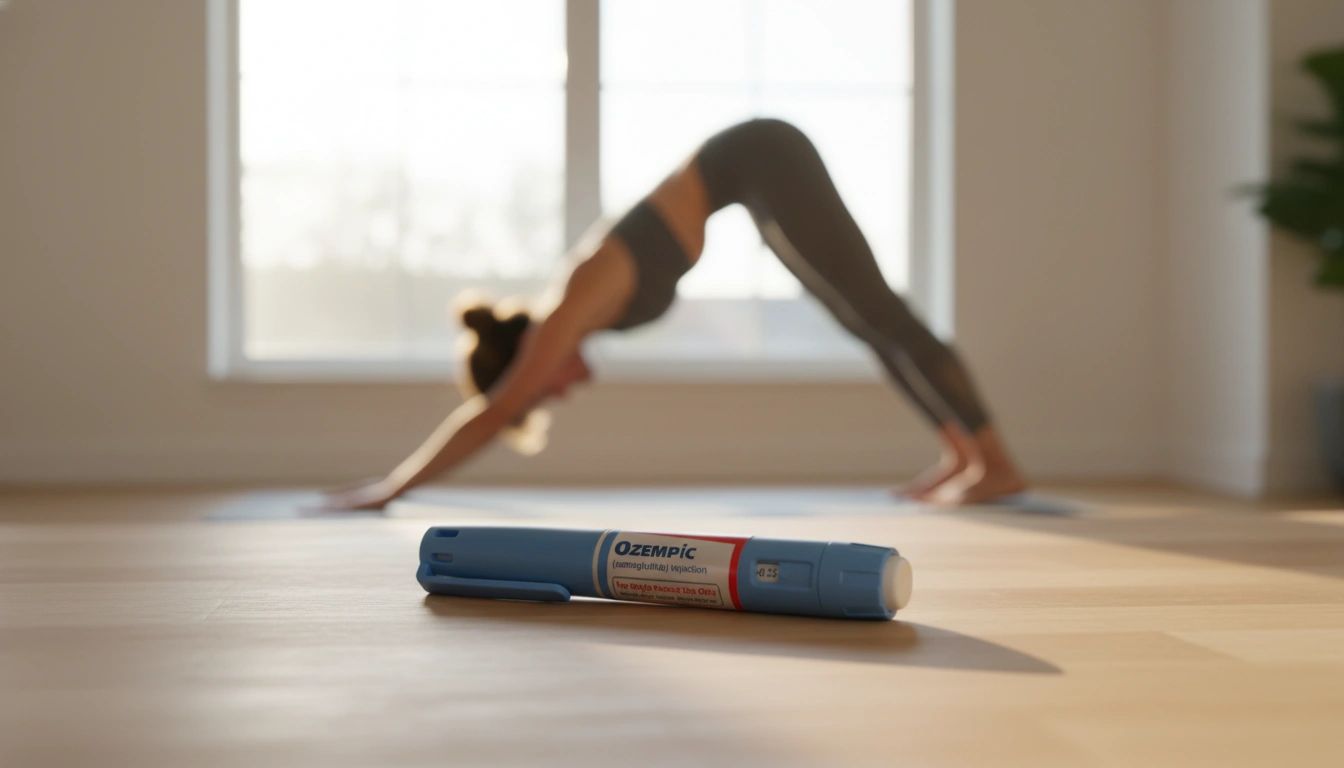
Pilates doesn’t get much attention in weight loss conversations dominated by calorie burn and cardio metrics, but for Ozempic patients, it offers something that higher-intensity training often can’t: a consistent, low-impact way to build functional strength, improve core stability, and support recovery without overtaxing a body that’s already managing significant metabolic change. Here’s an honest look at what pilates does and doesn’t offer during GLP-1 treatment, and how to use it effectively.
What Pilates Actually Is
Pilates is a system of exercises developed by Joseph Pilates in the early 20th century, built around controlled movement, breath, core engagement, and body awareness. It’s practiced either on a mat using bodyweight resistance or on specialized equipment like the reformer, which uses spring tension to create variable resistance.
The common perception of pilates as gentle or easy undersells what it actually involves. Reformer pilates in particular can be genuinely challenging, recruiting deep stabilizing muscles that standard gym exercises often bypass. Mat pilates at an intermediate or advanced level requires significant core and hip strength to execute properly. Neither version produces the cardiovascular intensity of running or cycling, but both provide a meaningful muscular stimulus, particularly for the deep postural and stabilizing muscles of the trunk, hips, and shoulders.
For Ozempic patients, this distinction matters. The question isn’t whether pilates burns enough calories. It’s whether pilates provides the right kind of stimulus to support the specific goals of GLP-1 treatment: muscle preservation, functional fitness, and sustainable long-term movement habits.
The Case for Pilates During GLP-1 Treatment
It’s Sustainable When Energy Is Low
One of the most consistent challenges patients face in the early months on Ozempic is managing exercise alongside reduced caloric intake, nausea, and fatigue. High-intensity training during this period is often unsustainable and can produce the kind of overtraining fatigue that causes patients to abandon exercise habits entirely.
Pilates occupies a useful middle ground. It’s demanding enough to provide genuine training stimulus but gentle enough on the cardiovascular and energy systems to be manageable on lower-energy days. A 50-minute reformer pilates class is unlikely to leave a patient depleted in the way that a hard interval session might, making it a more consistent choice for patients who are still finding their energy baseline on the medication.
Core Strength Has Specific Value on GLP-1
Rapid weight loss changes your body’s mechanical environment in ways that affect how you move. The shift in center of gravity as abdominal fat decreases, combined with the postural changes that often accompany significant weight loss, can create instability and movement compensation patterns if core strength doesn’t keep pace.
Pilates directly addresses this. Its emphasis on deep core engagement, spinal alignment, and controlled movement through range of motion builds exactly the functional stability that supports better movement quality as body composition changes rapidly. Patients who maintain pilates practice throughout GLP-1 treatment often report fewer joint complaints and better overall movement confidence than those who focus exclusively on cardio or heavy lifting.
Recovery Support
For patients who are also doing resistance training or higher-intensity cardio, pilates serves an effective recovery function. A lighter pilates session on a rest day from heavy lifting promotes blood flow, maintains movement quality, and addresses the mobility and flexibility work that strength-focused programs often neglect. This isn’t filler activity. It’s active recovery that directly supports performance in your harder training sessions.
Mind-Body Connection and Eating Awareness
This one is less quantifiable but consistently reported by patients. Pilates requires deliberate focus on breath and body awareness during practice. Several patients and practitioners report that this mindfulness component extends beyond the session, increasing general body awareness and making it easier to recognize hunger and satiation signals. For patients working on their relationship with food alongside GLP-1 treatment, this byproduct of regular pilates practice is a genuine ancillary benefit.
The article on how Ozempic changes your relationship with food covers the psychological shifts around eating that GLP-1 medications produce, many of which pilates’s mindfulness component can support.
What Pilates Doesn’t Do as Well
Muscle Mass Preservation
Here’s the honest limitation: pilates alone is not sufficient for muscle mass preservation during significant weight loss on Ozempic. The resistance loads involved in pilates, even reformer pilates with added spring tension, are generally lower than those needed to provide a strong enough progressive overload stimulus to counteract the muscle-catabolic effects of sustained caloric restriction.
This doesn’t mean pilates causes muscle loss. It means that pilates as a sole exercise modality, without any supplementary resistance training, leaves a meaningful gap in the muscle-preserving stimulus that GLP-1 patients need. Patients who do only pilates during significant weight loss on Ozempic are more likely to experience higher proportions of lean mass loss than those who combine pilates with two or more weekly resistance training sessions.
The solution is to treat pilates as a complement to resistance training, not a replacement for it. Two sessions of pilates per week alongside two sessions of progressive resistance work gives you the benefits of both without the gap that either alone would leave.
Cardiovascular Conditioning
Standard mat or reformer pilates does not provide meaningful cardiovascular training for most participants. Heart rate stays well below the aerobic training threshold throughout most sessions, which means it doesn’t contribute significantly to the cardiovascular adaptations that reduce long-term disease risk or support the metabolic improvements that GLP-1 medications initiate.
Patients who want pilates to cover their exercise bases entirely will need to add dedicated cardiovascular training, whether walking, cycling, swimming, or another preferred format, to their weekly routine.
How to Structure Pilates Within a GLP-1 Exercise Program
The most effective approach positions pilates as one component of a broader weekly movement program rather than a standalone solution.
A practical weekly structure for an Ozempic patient who enjoys pilates might look like this: two pilates sessions per week (one reformer, one mat, or two of the same format based on access and preference), two resistance training sessions targeting major muscle groups with progressive loading, and two to three days of moderate cardiovascular work like brisk walking or cycling. Rest or active recovery on the remaining day.
Within that structure, pilates contributes core strength, mobility, flexibility, movement quality, and a lower-intensity recovery option that makes the higher-intensity components more sustainable over time.
Reformer vs Mat Pilates for Ozempic Patients
Both formats have merit, but they serve slightly different purposes.
Reformer pilates offers the advantage of variable resistance through spring tension, which allows for more progressive loading than mat work. The reformer can be adjusted to make exercises more or less demanding, and some reformer exercises provide meaningful resistance for larger muscle groups like the glutes, hamstrings, and back. For patients looking to get closer to a true strength stimulus from pilates, reformer work is the better choice.
Mat pilates is more accessible (no equipment needed), more portable for travel, and builds bodyweight strength in ways that directly transfer to functional daily movement. For patients who are new to structured exercise, mat pilates is often a more approachable entry point before progressing to reformer work or adding external resistance training.
Pilates and Nausea Management
Pilates is generally well-tolerated during periods of nausea, which is one of its practical advantages for early-stage Ozempic patients. The supine and reclined positions used in many mat and reformer exercises are less likely to exacerbate nausea than upright cardio or heavy lifting. Sessions can be shortened or made gentler on higher-nausea days without abandoning the practice entirely.
Avoiding inversions and exercises with significant intra-abdominal pressure on days when gastrointestinal discomfort is prominent is a reasonable adaptation. Most pilates instructors can provide modifications for these situations if you communicate your current state before a class.
What the Research Shows
Research specifically on pilates during GLP-1 treatment is limited, as the intersection of these two modalities is relatively recent. The broader evidence on pilates for weight management and body composition is mixed, with studies showing modest effects on fat loss when pilates is done in isolation but more meaningful benefits on functional fitness, core strength, flexibility, and quality of life measures.
A 2021 systematic review published in the Journal of Bodywork and Movement Therapies found that pilates practice consistently improved core muscle strength, flexibility, and balance in adults across age groups, with additional benefits for chronic low back pain, which is a common complaint in patients with obesity. (Yamato TP et al., Journal of Bodywork and Movement Therapies, 2021, https://pubmed.ncbi.nlm.nih.gov/33992233/)
These functional improvements are directly relevant to Ozempic patients. Better core strength and balance support safer participation in other forms of exercise, reduce injury risk during weight loss, and improve quality of daily movement as body composition changes rapidly.
Putting It Together
Pilates is a genuinely good fit for GLP-1 patients when it’s positioned correctly within a broader exercise program. It’s sustainable during the energy-restricted early months of treatment, it builds functional strength and core stability that support better movement as body composition changes, and it provides an accessible recovery option alongside harder training days.
What it isn’t is a complete solution. Pairing pilates with progressive resistance training and regular cardiovascular movement creates the well-rounded program that produces the best body composition and metabolic outcomes during Ozempic treatment.
For a broader look at how different exercise modalities fit together during GLP-1 treatment, the article on best exercises to do while on Ozempic or semaglutide covers the full picture including how to prioritize when time is limited.
If you’re ready to explore Ozempic treatment with clinical support, start your TrimRx intake assessment here.
This information is for educational purposes and is not medical advice. Consult with a healthcare provider before starting any medication. Individual results may vary.

Transforming Lives, One Step at a Time
Keep reading

Weekly Client Dinners on Ozempic: A Plan for Recurring Work Meals
Managing one difficult dinner is a matter of ordering well. Managing four a week indefinitely is a different problem, because anything that relies on…

How to Keep an Ozempic Routine on Rotating Shifts
The good news is that the injection is the easiest part of this. Semaglutide is dosed weekly and has a long duration of action,…

Was Your Weight Gain Really Menopause? What Ozempic Working Tells You
It tells you almost nothing about the cause, and that is worth understanding before you draw conclusions about the last several years. A treatment…


