Motivation and GLP-1 Medications: How Appetite Changes Affect Drive
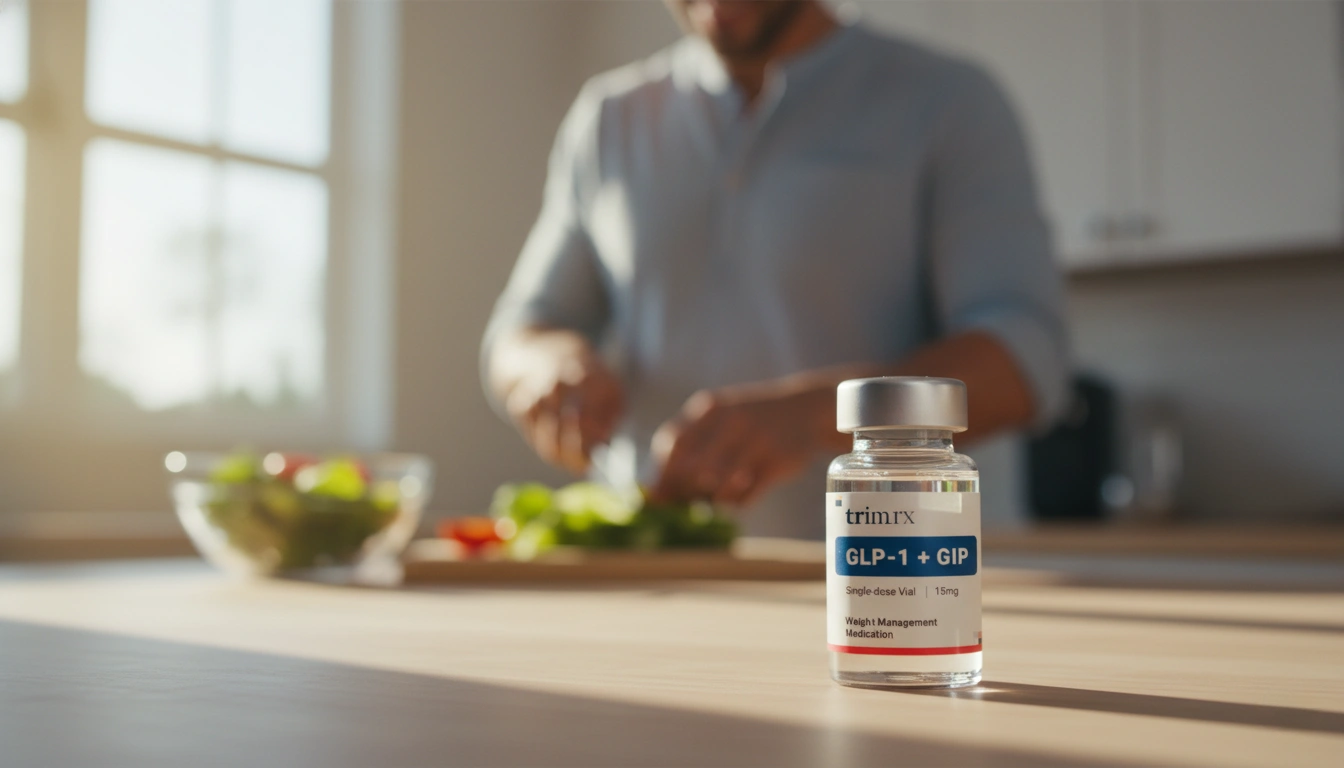
Most people start a GLP-1 medication focused on one thing: losing weight. What they don’t always anticipate is how quieting the constant pull of food can ripple into other areas of motivation. Some patients report feeling more energized and focused once appetite noise fades. Others describe a strange flatness, a loss of drive that extends beyond food into work, hobbies, and relationships. Both experiences are worth understanding before they catch you off guard.
The Link Between Appetite and Motivation
Hunger isn’t just a physical signal. It’s one of the brain’s primary motivational drives, rooted in dopamine pathways that evolved to push us toward reward-seeking behavior. When you’re hungry, your brain is actively priming you to act, to seek, to pursue. That same dopamine circuitry underlies motivation more broadly, including the drive to pursue goals, complete tasks, and engage with things you care about.
GLP-1 medications like semaglutide and tirzepatide work partly by modulating this reward circuitry. They activate GLP-1 receptors in the hypothalamus, ventral tegmental area, and nucleus accumbens, regions central to reward processing and goal-directed behavior. When those systems are dialed down for appetite, the effect doesn’t always stay neatly compartmentalized.
This is the neurological explanation behind one of the more surprising things patients report: that reducing food motivation can feel, at least temporarily, like reducing motivation in general.
What Patients Actually Experience
The range here is genuinely wide, and it’s worth laying out both ends.
The Positive Shift
Many patients describe a significant motivational boost after the first month or two on GLP-1 medications. The mental bandwidth previously consumed by thinking about food, planning meals, managing cravings, and recovering from overeating gets freed up. Patients report being more productive at work, more present in conversations, and more willing to pursue physical activity they’d been avoiding.
This tracks with the concept of food noise and what happens when it goes quiet. When the brain isn’t constantly running a background process around eating, cognitive resources become available for other things. For many patients, this feels like a fog lifting.
The Motivational Dip
For others, particularly in the early weeks of treatment, something different happens. The appetite suppression arrives before the psychological adjustment does. Food was providing dopamine hits multiple times a day, and without those, the overall reward tone of daily life can feel muted. This shows up as reduced enthusiasm for hobbies, lower energy for social engagement, and a kind of flat affect that patients sometimes describe as feeling “blah” without being able to explain why.
Consider this scenario: a patient two weeks into compounded semaglutide notices they’ve stopped looking forward to things they normally enjoy. They’re not depressed exactly, but nothing feels particularly appealing. Their provider asks about food intake and discovers they’re eating fewer than 800 calories a day because appetite suppression has been aggressive. Once protein intake is increased and caloric intake is brought to a more sustainable level, motivation gradually returns over the following two weeks.
That scenario reflects how often motivation dips on GLP-1 medications trace back to inadequate nutrition rather than a direct neurological effect of the medication. The brain runs on glucose and amino acids. When food intake drops sharply, cognitive and emotional drive often follow.
Dopamine, Reward, and the GLP-1 Effect
The relationship between GLP-1 medications and dopamine is an active area of research. Animal studies have consistently shown that GLP-1 receptor activation in the mesolimbic system reduces dopamine release in response to rewarding stimuli, not just food, but substances, novelty, and other reward cues. This is the same mechanism being studied in the context of GLP-1 medications and addiction.
In humans, this effect appears to vary considerably by individual. Some patients experience almost no change in non-food motivation. Others notice a meaningful reduction in the “pull” toward rewarding activities. Neither outcome is pathological, but the second one is worth monitoring, particularly if it persists past the initial adjustment period.
If reduced motivation is affecting your quality of life, work performance, or relationships after the first two months of treatment, that’s a conversation worth having with your provider rather than something to push through alone.
Exercise Motivation Specifically
One area where GLP-1 patients frequently notice motivational shifts is exercise. Physical activity requires both physical energy and psychological drive, and both can be temporarily affected during early treatment.
The good news is that most patients report exercise motivation improving over time as weight comes off, physical capacity increases, and the psychological rewards of movement become more accessible. A patient who found walking painful at a higher weight often discovers at month three or four that they genuinely want to move more, not because they’re forcing themselves, but because it feels different now.
The challenge is getting through the early period. Nausea and fatigue in the first weeks can make exercise feel unappealing or physically difficult. Strategies that help include shifting workouts to times of day when GI symptoms are lowest, choosing lower-intensity movement like walking or gentle yoga rather than pushing for performance, and treating exercise as a non-negotiable minimum rather than an ambitious target during the adjustment window.
The article on GLP-1 medications and energy levels covers the fatigue side of this equation in more detail.
Motivation and the Psychology of Change
There’s a psychological dimension to motivation on GLP-1 medications that doesn’t get enough attention. Weight loss, particularly rapid weight loss, disrupts identity. If part of your self-concept was built around food, around being someone who loves eating, cooking, or socializing around meals, losing that connection can feel destabilizing even when it’s technically what you wanted.
Some patients experience a version of motivational ambivalence: they’re glad the medication is working, but they miss something they can’t quite name. This isn’t a sign that treatment is wrong for them. It’s a normal response to significant behavioral and physiological change. The article on body image and weight loss on GLP-1 addresses this emotional terrain more fully.
What the Research Shows
A 2022 study published in Obesity Reviews examined behavioral and psychological outcomes in patients on GLP-1 receptor agonists and found that improvements in health-related quality of life, including emotional wellbeing and vitality scores, were consistently reported across trials, with the most significant improvements appearing after 12 to 16 weeks of treatment. Early treatment weeks showed more variable psychological outcomes, consistent with the adjustment picture described above.
(Wharton S, et al. “Obesity Reviews: Patient-reported outcomes in GLP-1 receptor agonist trials.” Obesity Reviews, 2022. https://pubmed.ncbi.nlm.nih.gov — search “GLP-1 receptor agonist quality of life patient-reported outcomes 2022 Obesity Reviews”)
Keeping Motivation on Track During Treatment
A few practical approaches that patients find helpful:
Setting non-scale goals gives motivation a place to land that isn’t just the number on the scale. Whether that’s a fitness milestone, a social engagement target, or a work project, having something to move toward helps maintain drive during weeks when physical progress feels slow.
Maintaining adequate nutrition is non-negotiable. Motivation dips that trace back to under-eating are fixable. Tracking protein and overall intake, even loosely, gives you data to work with if drive starts flagging.
Staying connected to why you started matters more than most people expect at month two or three, when novelty has worn off and results feel slower. Revisiting your original reasons, whether health, energy, longevity, or something else, can anchor motivation through the middle stretch of treatment.
If you’re considering GLP-1 treatment and want to understand what the experience might look like for your specific situation, the intake assessment connects you with a clinical team that can walk you through the full picture.
This information is for educational purposes and is not medical advice. Consult with a healthcare provider before starting any medication. Individual results may vary.

Transforming Lives, One Step at a Time
Keep reading

A History of Disordered Eating and Starting a GLP-1: Building Support
The honest answer to what you should watch for is that self-monitoring is not the right tool here, and this article is not going…
What Labs Should Your Doctor Run Now That You’re on a GLP-1?
There is no universal panel, and anyone handing you a fixed list is guessing about your situation. What gets checked depends on what conditions…

Can’t Eat Enough Protein on a GLP-1? Why It Matters and What Helps
This is one of the most common difficulties on these medications, and the tension in your question is real: protein is the thing most…


