Social Eating on GLP-1: How to Navigate Dinners, Parties, and Pressure
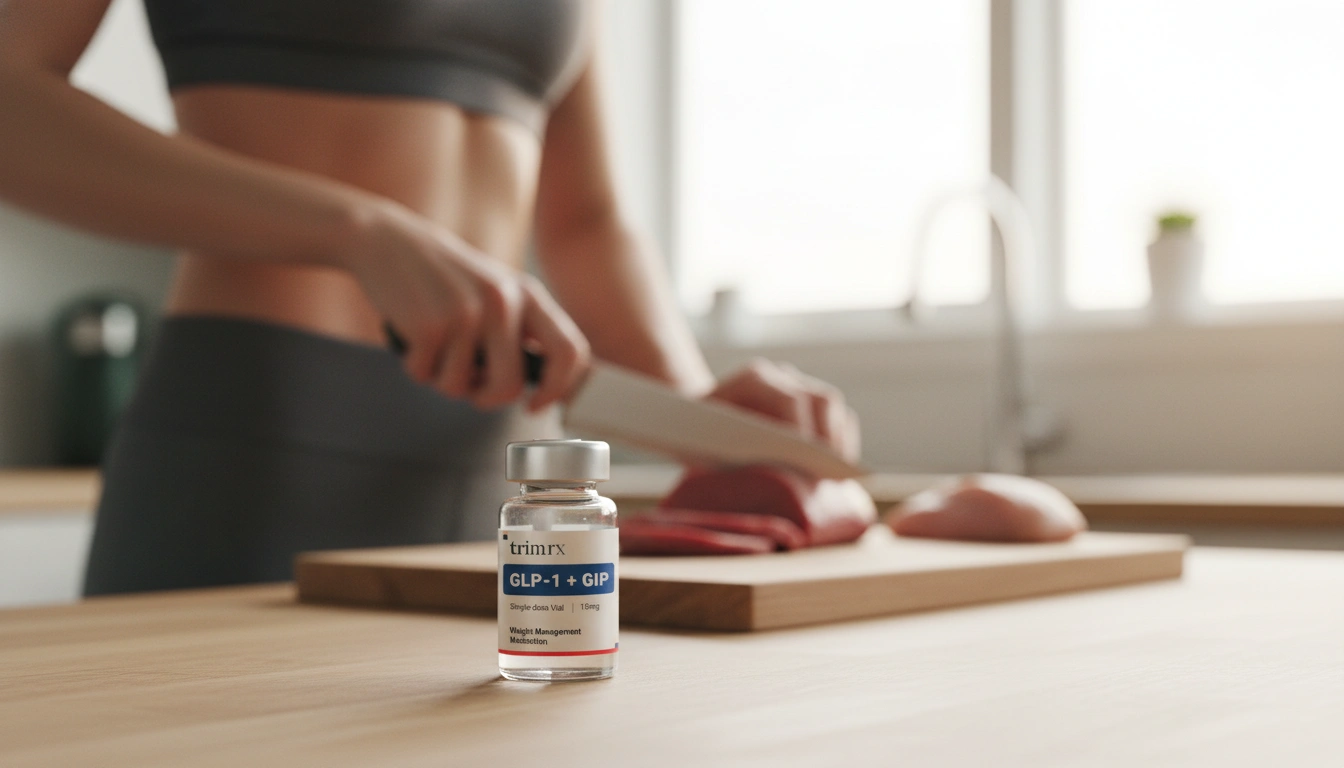
Food is rarely just food in a social context. It’s connection, celebration, hospitality, and sometimes pressure. When you’re on a GLP-1 medication and your appetite has dropped significantly, situations that used to feel easy, a dinner with friends, a holiday gathering, a work lunch, can suddenly feel complicated. You’re not hungry. You don’t want to explain why. And the person who cooked for you is watching your plate.
This article is about the practical side of navigating social eating on semaglutide or tirzepatide, what actually works, and how to handle the conversations you didn’t expect to have.
Why Social Eating Feels Different on GLP-1
The appetite changes that make GLP-1 medications effective are exactly what makes social eating tricky. On a typical day, you can eat a small amount and move on. At a dinner party or restaurant, there are other people involved, expectations around participation, and sometimes a host who equates a full plate with a compliment.
Beyond the logistical challenge, there’s an emotional one. Eating together is one of the primary ways humans bond. When your relationship with food changes as dramatically as it does on semaglutide or tirzepatide, it can feel like you’re stepping slightly outside a ritual that used to feel automatic. Some patients describe feeling like an observer at meals rather than a participant, which can be isolating if it catches them off guard.
The good news is that this adjustment period is real but temporary for most patients. As appetite stabilizes and a new normal settles in, social eating becomes easier to navigate. The strategies below help bridge the gap while you’re still finding your footing.
Restaurants: Ordering When You’re Not Very Hungry
Restaurants are actually one of the easier social eating contexts to manage on GLP-1 medications, because you have full control over what you order and nobody is watching how much you finish.
A few approaches that work well:
Order an appetizer or small plate as your main. Most menus have options that are genuinely satisfying in smaller portions. A soup, a salad with protein, or a single appetizer is a legitimate meal when your appetite is reduced, and most servers won’t blink.
Share a dish. Splitting an entree with someone at the table is normal in plenty of contexts and removes the expectation of finishing a full portion on your own.
Order what sounds good, not what you think you should be able to finish. Leaving food on your plate is fine. Ordering something you have zero appetite for because it seems like the right size is a setup for an uncomfortable meal.
Front-load protein. If you know you’ll only get a few bites of real engagement with your food before fullness kicks in, make those bites count nutritionally. Choosing dishes where protein is the centerpiece rather than a side element helps you meet nutritional needs even when volume is low.
The article on restaurant menus on tirzepatide has more specific ordering strategies if you’re navigating this regularly.
Dinner Parties and Home Gatherings
Home gatherings are where social eating pressure tends to peak, because someone cooked for you and there’s a direct human relationship attached to the food on your plate. This is where patients most often feel caught between honesty and not wanting to make their host feel bad.
You don’t owe anyone a detailed explanation of your medication or appetite. A few phrases that deflect gracefully without requiring disclosure:
“Everything looks amazing, I’m just pacing myself tonight.” “I’ve been having a lighter appetite lately but this is delicious.” “I’m going to start small and come back for more.”
None of these are dishonest, and all of them acknowledge the food positively without inviting a medical discussion you didn’t sign up for.
If you’re close enough to the host that honesty feels right, a simple “I’m on a medication that affects my appetite, so I’m eating smaller amounts right now, but I wanted to be here and enjoy the evening” lands well with most people. Most hosts care more about your presence than your portion size, even if their initial reaction is to try to feed you more.
Taking small amounts of several dishes, if the format allows it, is often the smoothest path. You’re participating in the meal, the host sees you engaging with the food, and you’re not committed to finishing a full serving of anything.
Alcohol and Social Situations
Social events often involve alcohol, and this is worth thinking through separately. GLP-1 medications change how alcohol feels for many patients. Slower gastric emptying means alcohol enters the bloodstream more gradually but can produce a stronger effect than expected once it does. Some patients also find that their tolerance drops significantly on semaglutide or tirzepatide.
The practical implication: if you drink at social events, start with less than you normally would and see how you feel before having more. The article on alcohol on semaglutide covers this in detail, including how alcohol interacts with weight loss progress.
Sparkling water in a wine glass, a single drink nursed over an evening, or simply choosing not to drink are all options that let you participate in the social ritual without the unpredictability of alcohol on a significantly reduced food intake.
Handling Comments and Questions
“You’ve barely eaten anything.” “Are you on a diet?” “You’ve lost so much weight, what are you doing?”
These comments are coming, if they haven’t already. Having a few prepared responses takes the pressure off in the moment.
For people you don’t want to discuss your treatment with: “I’ve been making some changes and feeling really good” is complete and true. It invites follow-up if you want to share more, and closes naturally if you don’t.
For people who press: “It’s a medical thing I’m working on with my doctor” signals that the conversation has a boundary without being unfriendly.
For people you trust: being open about GLP-1 treatment is increasingly normal. Many patients find that once they mention it, others in the room have questions because they or someone they know is considering it too.
The article on how to talk to friends and family about taking Ozempic has more guidance on these conversations, including how to handle less supportive responses.
Staying Connected to the Social Part of Social Eating
Here’s something worth holding onto: the point of a dinner or a gathering was never really the food. It was the people. GLP-1 medications change your relationship with eating, but they don’t change your capacity for conversation, laughter, presence, or connection.
Some patients find that once food stops being the focus of their social attention, they actually enjoy gatherings more. They’re less preoccupied with what they’re eating, less likely to overeat and feel uncomfortable afterward, and more mentally present in the actual interactions. That’s not a guaranteed experience, but it’s a common one, and it’s worth orienting toward as you adjust.
Consider this scenario: a patient three months into tirzepatide treatment dreads an upcoming family reunion because food is central to how their family celebrates. They go, eat small amounts of several dishes, deflect a few comments with practiced ease, and end the evening realizing they had more genuine conversations than they’d had at any previous reunion. The food was less interesting. The people were more so.
A Note on Injection Day Timing
If you have a social event involving a significant meal, it’s worth knowing that injection day and the day after often bring the strongest appetite suppression and the most GI sensitivity for many patients. If you have flexibility in when you inject, timing your dose a few days before a major event can mean your appetite is slightly more available for the occasion. Discuss this with your provider before adjusting your schedule, as consistency matters for dosing.
If you’re still exploring whether GLP-1 treatment fits your lifestyle, including your social life, the intake assessment is the first step toward a clinical conversation about what treatment might look like for you.
This information is for educational purposes and is not medical advice. Consult with a healthcare provider before starting any medication. Individual results may vary.

Transforming Lives, One Step at a Time
Keep reading
A History of Disordered Eating and Starting a GLP-1: Building Support
The honest answer to what you should watch for is that self-monitoring is not the right tool here, and this article is not going…
What Labs Should Your Doctor Run Now That You’re on a GLP-1?
There is no universal panel, and anyone handing you a fixed list is guessing about your situation. What gets checked depends on what conditions…
Can’t Eat Enough Protein on a GLP-1? Why It Matters and What Helps
This is one of the most common difficulties on these medications, and the tension in your question is real: protein is the thing most…


