Contrave vs Mounjaro: Comparing Older and Newer Weight Loss Options
Contrave and Mounjaro are both FDA-approved for weight management, but they work through completely different mechanisms and produce very different results. If you’re trying to understand which one makes more sense for your situation, the comparison is worth taking seriously because the gap between them in terms of clinical outcomes is substantial.
What Each Medication Is
Contrave is a fixed-dose combination of bupropion and naltrexone. Bupropion is an antidepressant that affects dopamine and norepinephrine signaling. Naltrexone is an opioid antagonist used in addiction medicine. Together, they’re thought to reduce food cravings and appetite by acting on reward and hunger pathways in the brain. Contrave has been FDA-approved for chronic weight management since 2014 and is taken as an oral tablet, typically working up to four tablets per day over a gradual titration schedule.
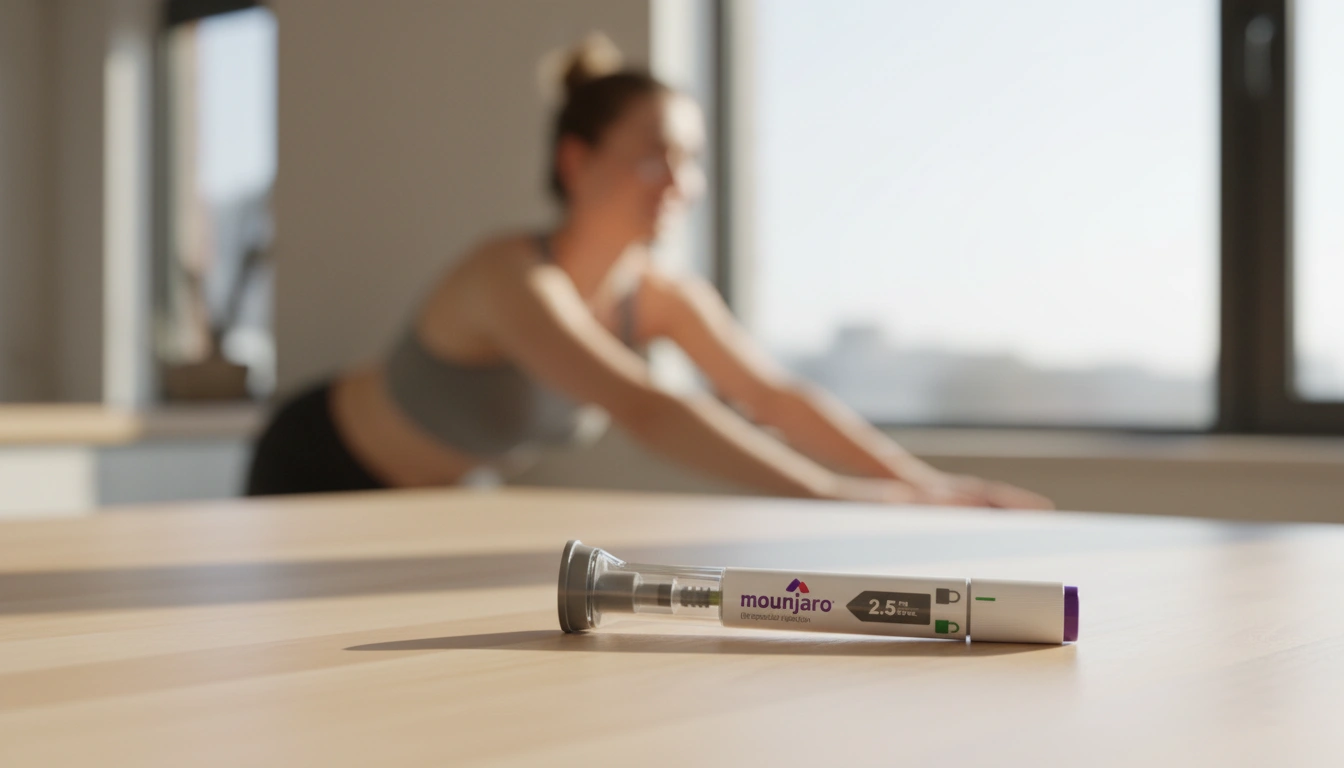
Mounjaro is the brand name for tirzepatide, a dual GIP and GLP-1 receptor agonist manufactured by Eli Lilly. It was originally approved for type 2 diabetes management and later approved under the name Zepbound specifically for chronic weight management in adults with obesity or overweight with a weight-related condition. It’s administered as a once-weekly subcutaneous injection and works by mimicking two gut hormones that regulate appetite, gastric emptying, and insulin secretion simultaneously.
The mechanism difference matters. Contrave works centrally, targeting brain chemistry involved in cravings and reward. Tirzepatide works both centrally and peripherally, affecting appetite signaling in the brain while also slowing how quickly food moves through the stomach and improving metabolic function throughout the body.
How the Results Compare
This is where the comparison becomes most striking. Contrave clinical trials showed average weight loss of around 4 to 5 percent of body weight over one year in patients who also followed a reduced-calorie diet and exercise program. That’s a modest but real result for patients with more limited weight loss goals.
Tirzepatide’s results in the SURMOUNT trials are in a different category entirely. Published data in the New England Journal of Medicine showed that patients on the highest dose of tirzepatide lost an average of 22.5 percent of their body weight over 72 weeks. Even at lower doses, tirzepatide consistently outperformed older weight loss medications by a wide margin. For a patient weighing 250 pounds, a 5 percent loss means 12 pounds. A 20 percent loss means 50 pounds. That difference is clinically and practically significant.
Side Effect Profiles
Contrave’s most common side effects include nausea, constipation, headache, insomnia, dry mouth, and dizziness. It carries a black box warning for increased suicidal thoughts in young adults, consistent with bupropion’s antidepressant classification. It’s contraindicated in patients with a history of seizure disorders, eating disorders involving purging, or those currently taking monoamine oxidase inhibitors. Blood pressure can increase on Contrave, so monitoring is important.
Tirzepatide’s most common side effects are gastrointestinal, particularly nausea, vomiting, diarrhea, and constipation, most pronounced during dose escalation and typically improving over time. Serious but less common risks include pancreatitis and a theoretical thyroid C-cell tumor risk based on animal studies, which means it’s contraindicated in patients with a personal or family history of medullary thyroid carcinoma or multiple endocrine neoplasia syndrome type 2.
For patients managing other conditions alongside weight loss, it’s worth knowing how tirzepatide interacts with existing medications. The article on Zepbound and metformin covers one common combination, and the article on tirzepatide and thyroid medication addresses another frequent question.
The Oral vs Injectable Question
One reason some patients consider Contrave over injectable options is the convenience of a pill. No needles, no refrigeration, no injection site rotation. For patients with needle anxiety or practical concerns about injectable medications, that’s a real factor.
That said, once-weekly injections are considerably less frequent than four daily tablets, and most patients who use GLP-1 injections report that the process becomes routine quickly. The article on how to rotate injection sites for semaglutide and tirzepatide covers the practical side of managing injections at home.
Cost and Access
Contrave is available as a generic (bupropion-naltrexone) which has brought its cost down significantly compared to when it launched. For patients paying out of pocket, generic versions can be considerably more affordable than GLP-1 medications at brand-name prices.
Compounded tirzepatide changes that calculation. Through telehealth platforms like TrimRx, compounded tirzepatide is available at a fraction of the cost of brand-name Mounjaro or Zepbound, making the cost gap between these two medication categories much smaller than it used to be. When the price difference narrows and the efficacy difference remains as wide as the clinical data shows, the case for choosing Contrave on cost grounds becomes harder to make.
Who Each Medication Is Right For
Consider this scenario: a patient has 15 pounds to lose, no history of conditions that affect GLP-1 candidacy, and is primarily struggling with food cravings rather than overall appetite. Contrave’s craving-focused mechanism might address their specific issue, and the oral format suits their preferences.
Now consider a different patient who has 60 pounds to lose, has tried behavioral interventions without lasting success, and wants the most clinically effective option available. The data points clearly toward tirzepatide. The weight loss difference between these two medications at population level isn’t marginal. It’s the difference between a modest result and a transformative one for many patients.
Contrave still has a role for patients who aren’t candidates for GLP-1 therapy, who prefer oral medications, or who have cost constraints that make even compounded injectables difficult to access. But for patients who qualify for tirzepatide and want the strongest evidence-based option available, Mounjaro and its compounded equivalent represent a meaningfully different level of treatment.
TrimRx offers compounded tirzepatide through a telehealth model with licensed provider oversight and home delivery. If you’re weighing your medication options and want to find out whether tirzepatide is appropriate for your situation, start your assessment and a provider will review your information.
This information is for educational purposes and is not medical advice. Consult with a healthcare provider before starting any medication. Individual results may vary.

Transforming Lives, One Step at a Time
Keep reading

Mounjaro Alternatives: What Else to Consider
If Mounjaro isn’t the right fit, the closest alternatives are other GLP-1 medications, chiefly semaglutide (Ozempic for diabetes, Wegovy for weight), along with a…

Mounjaro vs Zepbound: Same Drug, Two Brands
Like their semaglutide counterparts, Mounjaro and Zepbound are the same medication (tirzepatide) sold under two names for two purposes: Mounjaro is approved for type…

Retatrutide vs Mounjaro: Triple Agonist vs Dual Agonist
The core difference between retatrutide and Mounjaro comes down to how many hormone targets each hits: retatrutide activates three receptors, while Mounjaro (tirzepatide) activates…


