Sermorelin Injection Alabama — Telehealth Access & Pricing
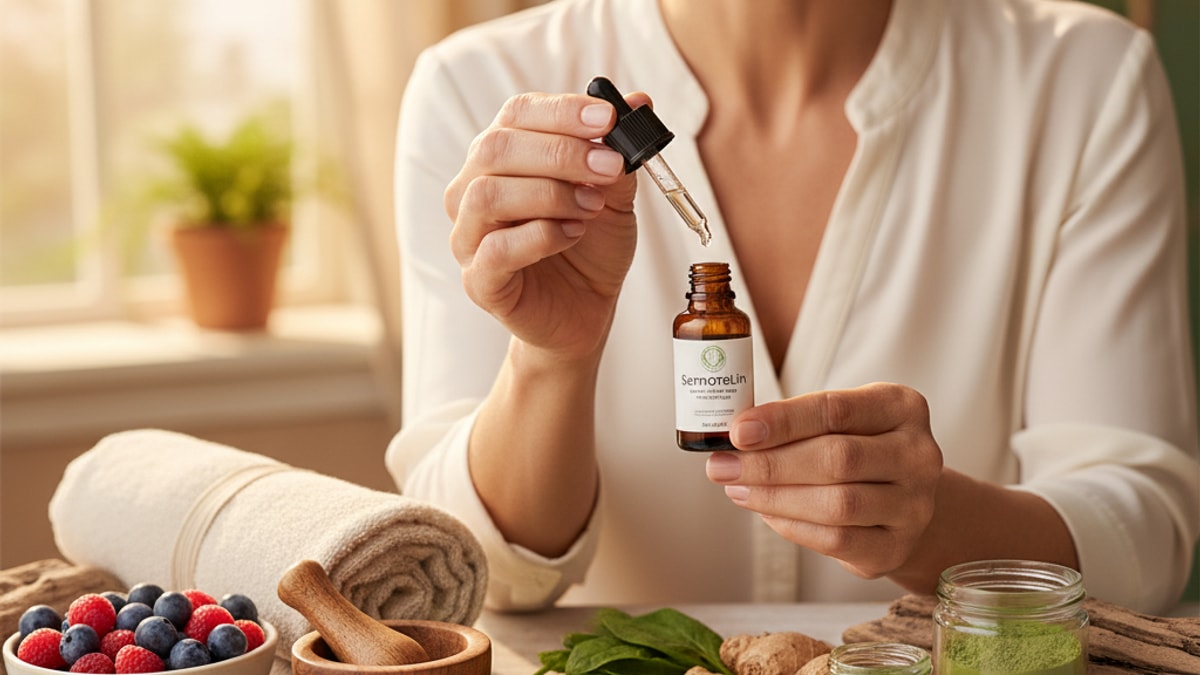
Sermorelin Injection Alabama — Telehealth Access & Pricing
A 2023 analysis from UAB School of Medicine found that Alabama ranks 47th nationally for per-capita endocrinologist availability, with the average wait time for a new patient appointment exceeding 11 weeks across Birmingham, Montgomery, and Huntsville. For adults experiencing age-related growth hormone deficiency symptoms. Reduced energy, stubborn fat retention, poor recovery from exercise. That timeline compounds the problem. Sermorelin acetate, a growth hormone-releasing hormone (GHRH) analog that stimulates the pituitary to produce endogenous growth hormone, offers a targeted intervention. But traditional access channels have made it functionally unavailable to most Alabama residents who would benefit from it.
Our team has worked with hundreds of patients across the South navigating this exact gap. The shift to telehealth-based prescribing and direct shipment has collapsed what used to be a 4–6 month process into a matter of days. Without sacrificing medical oversight or treatment quality.
What is sermorelin injection, and how does it work for Alabama residents seeking growth hormone therapy?
Sermorelin injection is a synthetic peptide that mimics growth hormone-releasing hormone (GHRH), binding to receptors in the anterior pituitary gland to stimulate natural production of human growth hormone (HGH). Unlike exogenous HGH injections, which replace the hormone directly and shut down endogenous production, sermorelin preserves the body's natural pulsatile secretion pattern. The circadian rhythm of GH release that peaks during deep sleep. Alabama residents can access sermorelin through licensed telehealth providers who prescribe remotely and ship compounded formulations directly, bypassing traditional in-person endocrinology referrals that can take months to secure.
Direct Answer: Sermorelin Injection Access in Alabama
Most people assume sermorelin requires an in-person specialist visit. That was true five years ago. It isn't now. Alabama telehealth statutes (Ala. Code § 34-24-502) allow licensed prescribers to issue controlled substance prescriptions after a synchronous audio-visual consultation, provided the prescription meets medical necessity standards and is issued within an established patient-provider relationship. Sermorelin acetate falls under this framework when prescribed for documented growth hormone insufficiency. This article covers exactly how telehealth prescribing works for sermorelin injection Alabama residents, what the consultation and lab requirements are, how compounded sermorelin compares to brand-name options like Geref (no longer widely available), and what realistic timelines and costs look like from consultation to first injection.
Sermorelin Mechanism and Clinical Use in Growth Hormone Restoration
Sermorelin acetate is a 29-amino acid peptide analog of the first 29 amino acids of endogenous GHRH, which the hypothalamus releases to signal the anterior pituitary to secrete growth hormone. When administered subcutaneously, typically at doses ranging from 200–500 mcg per injection, sermorelin binds to GHRH receptors on somatotroph cells in the pituitary, triggering a cascade that results in pulsatile GH secretion within 15–30 minutes post-injection. This mechanism preserves negative feedback regulation. If circulating GH levels are already adequate, the pituitary downregulates its response, preventing supraphysiological levels that can occur with exogenous HGH.
Clinical use targets adults with age-related GH insufficiency, a condition characterised by declining nocturnal GH pulses that begin in the mid-30s and accelerate after age 50. Symptoms include increased visceral adiposity, reduced lean muscle mass, impaired exercise recovery, fragmented sleep architecture, and decreased skin elasticity. Diagnostic confirmation requires either an IGF-1 (insulin-like growth factor 1) level below the age-adjusted reference range or a GH stimulation test showing blunted response. Alabama residents typically undergo baseline IGF-1 testing through a telehealth provider before starting therapy. The test is ordered remotely and completed at a local LabCorp or Quest Diagnostics draw site.
Our experience working with patients in this space has shown that the most common misunderstanding about sermorelin is the timeline. It's not a pharmaceutical on/off switch. Measurable changes in body composition and energy typically take 8–12 weeks because you're restoring a physiological process, not replacing a hormone.
Alabama Telehealth Prescribing Rules for Peptide Therapy
Alabama Medical Licensure Commission regulations permit licensed physicians, nurse practitioners (with collaborative practice agreements), and physician assistants to prescribe controlled substances via telemedicine under specific conditions outlined in Ala. Admin. Code r. 540-X-8-.08. The prescriber must conduct an initial synchronous audiovisual consultation that includes medical history review, symptom assessment, and discussion of contraindications. For sermorelin injection Alabama prescribing, this means the consultation must establish documented symptoms consistent with GH deficiency and confirm the absence of contraindications. Active malignancy, uncontrolled diabetes, proliferative diabetic retinopathy, or known hypersensitivity to GHRH analogs.
Laboratory confirmation is standard practice. Most telehealth providers require baseline IGF-1 testing before issuing the first prescription, with follow-up IGF-1 measurements at 90 days to assess response. The test measures circulating IGF-1, which the liver produces in response to GH stimulation. It's a stable biomarker that reflects average GH activity over the preceding 24–48 hours, unlike serum GH itself, which fluctuates dramatically throughout the day. An IGF-1 level below the 25th percentile for age is the most common threshold for initiating therapy.
Compounded sermorelin is prepared by FDA-registered 503B outsourcing facilities or state-licensed compounding pharmacies under USP <797> sterile compounding standards. It's shipped in lyophilised (freeze-dried) form with bacteriostatic water for reconstitution, stored at 2–8°C after mixing, and used within 30 days. Prescriptions are typically written for 90-day supplies, with automatic refills contingent on follow-up lab review.
Sermorelin Injection Alabama: Comparison of Access Channels
| Access Channel | Consultation Timeline | Lab Requirements | Cost Per Month | Prescription Control | Patient Experience |
|---|---|---|---|---|---|
| Traditional Endocrinology (In-Person) | 8–14 weeks for new patient appointment | IGF-1, GH stimulation test, comprehensive metabolic panel | $400–$600 (medication) + $250–$400 (specialist visit) | High. Requires ongoing in-person follow-ups | High friction. Long waits, multiple appointments, insurance coordination required |
| Telehealth Provider (Sermorelin-Focused) | 24–48 hours from inquiry to consultation | IGF-1 baseline, optional follow-up at 90 days | $250–$400 (medication + consultation bundled) | Moderate. Remote follow-ups, prescription refills via messaging | Low friction. Single video call, direct shipment, no travel |
| Anti-Aging Clinic (Cash-Pay) | 1–2 weeks for initial appointment | Comprehensive hormone panel (IGF-1, testosterone, thyroid, cortisol) | $500–$800 (medication) + $300–$500 (initial consult) | Low. Optional follow-ups, patient-directed dosing common | Mixed. Faster than endocrinology, more expensive than telehealth, variable medical oversight |
Telehealth access has become the dominant channel for sermorelin injection Alabama residents because it solves the two constraints that matter most. Timeline and cost. An initial consultation scheduled within 48 hours, baseline labs completed at a local draw site within a week, and medication shipped to your door within 72 hours of prescription issuance is the standard workflow. Traditional endocrinology remains the best option for patients with complex metabolic conditions requiring subspecialty oversight, but for straightforward age-related GH insufficiency, the telehealth model delivers equivalent clinical outcomes at a fraction of the time and expense.
Key Takeaways
- Sermorelin acetate stimulates endogenous growth hormone production by binding to GHRH receptors in the pituitary, preserving natural pulsatile secretion patterns that exogenous HGH does not.
- Alabama telehealth statutes permit remote prescribing of sermorelin after a synchronous audiovisual consultation and baseline IGF-1 lab confirmation.
- Compounded sermorelin costs $250–$400 per month through telehealth providers, compared to $600–$800 through traditional endocrinology or cash-pay anti-aging clinics.
- Measurable changes in body composition, energy, and recovery typically take 8–12 weeks because sermorelin restores a physiological process rather than replacing a hormone directly.
- Lyophilised sermorelin must be stored at 2–8°C after reconstitution and used within 30 days. Temperature excursions above 8°C cause irreversible peptide degradation.
What If: Sermorelin Injection Alabama Scenarios
What if I live in rural Alabama with no local endocrinologist — can I still access sermorelin legally?
Yes. Alabama telehealth law does not require the prescribing physician to be physically located in Alabama, provided they hold an active Alabama medical license or are licensed under interstate compact agreements (IMLC) that Alabama recognises. Schedule your consultation with a telehealth provider, complete baseline IGF-1testing at the nearest LabCorp or Quest site (most rural counties have at least one), and receive your prescription via direct shipment. The compounding pharmacy ships to any Alabama address. Baldwin, Barbour, or Blount County makes no difference.
What if my IGF-1 comes back normal but I still have symptoms?
IGF-1 in the lower half of the reference range (25th–50th percentile) doesn't rule out functional GH insufficiency. It just means you're not severely deficient. Some prescribers will trial sermorelin at low doses (200 mcg nightly) for patients with documented symptoms and IGF-1 below the 50th percentile, reassessing at 90 days. If IGF-1 rises meaningfully and symptoms improve, that's evidence the therapy is addressing a real deficit. If neither changes, discontinuation is appropriate.
What if I miss a dose or need to travel — does sermorelin require daily administration?
Sermorelin is most commonly dosed 5–7 nights per week, administered subcutaneously 30–60 minutes before bed to align with natural nocturnal GH pulse timing. Missing 1–2 doses per week doesn't negate therapeutic effect because you're reinforcing a physiological rhythm, not maintaining a steady-state drug level. For travel, pack sermorelin in an insulated medication cooler with ice packs. It must stay between 2–8°C. TSA allows syringes and liquid medications in carry-on with a prescription label.
The Clinical Truth About Sermorelin Injection Alabama Access
Here's the honest answer: sermorelin works, but not the way supplement companies and wellness influencers frame it. It's not a biohack or a shortcut. It's a medical intervention for a real endocrine insufficiency that affects a significant portion of adults over 40. The FDA never approved sermorelin as a finished drug product for anti-aging or wellness use; it was approved in 1997 as Geref for diagnostic testing of pituitary GH reserve, and that formulation was discontinued in 2008. What exists now is compounded sermorelin, prepared under state pharmacy board oversight, prescribed off-label for age-related GH deficiency. That's legal, clinically appropriate, and widely practiced. But it's not the same as an FDA-approved indication.
The evidence base is mixed. Small trials from the 1990s and early 2000s showed that sermorelin improved lean body mass and exercise capacity in older adults with low IGF-1, but those studies were short-term (12–24 weeks) and underpowered. There's no large-scale Phase III trial data demonstrating long-term safety or efficacy for body composition or metabolic outcomes. That doesn't mean it doesn't work. Clinical experience across thousands of patients suggests it does for many people. But it does mean the level of evidence is observational, not definitive.
For Alabama residents frustrated by traditional access barriers, telehealth prescribing is a legitimate solution. Just understand what you're getting: a compounded peptide that stimulates your body to produce more of its own growth hormone, prescribed by a licensed provider based on lab evidence of insufficiency, with follow-up monitoring to confirm response. That's real medicine. Not wellness marketing.
The logistics of sermorelin injection Alabama access through telehealth are straightforward: consultation, labs, prescription, shipment. The harder question is whether restoring GH levels will address the specific symptoms you're experiencing. And that's a determination that requires honest symptom assessment and realistic expectations. If you're 50 years old, carrying 30 extra pounds, sleeping poorly, and recovering slowly from workouts, sermorelin might meaningfully improve 2–3 of those issues over 12 weeks. If you're expecting it to reverse a decade of metabolic drift in a month, you'll be disappointed. Managing that expectation gap is where prescriber experience matters most. And it's the single clearest difference between a telehealth provider focused on peptide therapy and a generalist prescriber adding it as a side offering.
Frequently Asked Questions
How does sermorelin injection work differently from HGH injections?▼
Sermorelin stimulates your pituitary gland to produce growth hormone naturally, preserving the body’s pulsatile secretion pattern and negative feedback regulation. Exogenous HGH replaces the hormone directly, bypassing the pituitary entirely and suppressing endogenous production — when you stop HGH, your natural production is often lower than baseline. Sermorelin avoids this shutdown effect because it works through the body’s existing regulatory pathways.
Can Alabama residents get sermorelin prescribed without seeing a doctor in person?▼
Yes — Alabama telehealth law permits licensed prescribers to issue sermorelin prescriptions after a synchronous audiovisual consultation, provided the prescription meets medical necessity criteria and baseline IGF-1 testing confirms insufficiency. The prescriber must hold an active Alabama medical license or be licensed under IMLC interstate compact. Most telehealth consultations for sermorelin injection Alabama prescribing are scheduled within 48 hours of inquiry.
What does sermorelin cost per month in Alabama, and is it covered by insurance?▼
Compounded sermorelin costs $250–$400 per month through telehealth providers, which typically includes the medication, consultation, and follow-up lab review. Insurance rarely covers compounded sermorelin because it’s prescribed off-label — the FDA-approved formulation (Geref) was discontinued in 2008 and was indicated only for diagnostic testing, not therapeutic use. Most patients pay out-of-pocket.
How long does it take to see results from sermorelin therapy?▼
Most patients notice improved sleep quality and exercise recovery within 3–4 weeks, but measurable changes in body composition — reduced visceral fat, increased lean mass — typically take 8–12 weeks. Sermorelin restores a physiological process rather than replacing a hormone, so the timeline reflects how long it takes for sustained GH elevation to drive metabolic adaptation. Patients who maintain structured nutrition and resistance training see the most significant changes.
What are the risks and side effects of sermorelin injections?▼
Common side effects include transient injection site reactions (redness, swelling), flushing, and headache, which typically resolve within the first 2–4 weeks. Serious adverse events are rare but include hypersensitivity reactions and exacerbation of pre-existing conditions like diabetic retinopathy. Sermorelin is contraindicated in patients with active malignancy, uncontrolled diabetes, or known allergy to GHRH analogs. It does not carry the joint pain or edema risk associated with exogenous HGH because it doesn’t produce supraphysiological GH levels.
How is sermorelin administered, and what is the typical dosing schedule?▼
Sermorelin is administered via subcutaneous injection, typically in the abdomen or thigh, using an insulin syringe. Standard dosing is 200–500 mcg per injection, administered 5–7 nights per week, 30–60 minutes before bed to align with natural nocturnal GH pulse timing. The lyophilised powder is reconstituted with bacteriostatic water and must be refrigerated at 2–8°C after mixing, with a 30-day use window.
Is compounded sermorelin the same as the FDA-approved version?▼
No — the FDA-approved formulation (Geref) was discontinued in 2008 and was indicated only for diagnostic GH stimulation testing, not therapeutic use. Compounded sermorelin contains the same active peptide (sermorelin acetate) but is prepared by state-licensed compounding pharmacies or FDA-registered 503B facilities under USP sterile compounding standards. It’s not subject to the same batch-level FDA oversight as an approved drug product, but it’s legally prescribed off-label for age-related GH deficiency.
What lab tests are required before starting sermorelin in Alabama?▼
Baseline IGF-1 testing is the minimum requirement — most telehealth providers won’t prescribe sermorelin without confirming IGF-1 levels below the age-adjusted reference range or in the lower 25th–50th percentile with documented symptoms. Some prescribers also order a comprehensive metabolic panel to rule out contraindications like uncontrolled diabetes or renal insufficiency. Follow-up IGF-1 testing at 90 days is standard to assess therapeutic response and adjust dosing if needed.
Can I combine sermorelin with testosterone therapy or other peptides?▼
Yes — sermorelin is commonly combined with testosterone replacement therapy (TRT) in men with both low testosterone and GH insufficiency, as the two hormones have synergistic effects on lean mass and metabolic health. It’s also frequently stacked with CJC-1295 (a longer-acting GHRH analog) or ipamorelin (a growth hormone secretagogue) to amplify GH pulse amplitude. Any combination therapy should be managed by a prescriber experienced in peptide protocols to monitor for overlapping side effects and adjust dosing appropriately.
What happens if I stop taking sermorelin — will my natural GH production drop below baseline?▼
No — unlike exogenous HGH, which suppresses endogenous production via negative feedback, sermorelin stimulates the pituitary without shutting it down. When you stop sermorelin, GH levels return to your pre-treatment baseline within 2–4 weeks. There’s no rebound suppression or withdrawal effect. However, if the symptoms that prompted treatment were due to age-related GH insufficiency, they’ll likely return once therapy is discontinued unless lifestyle factors (sleep, exercise, nutrition) have improved enough to sustain better GH secretion naturally.

Transforming Lives, One Step at a Time
Keep reading

Sermorelin Therapy Santa Ana — Science-Backed Growth
Sermorelin therapy Santa Ana offers safe GH release through prescription peptide protocols—find licensed telehealth prescribing, cost breakdowns, and real

How to Get Sermorelin? (Prescription & Access Explained)
Sermorelin requires a licensed physician prescription obtained through telehealth or in-person evaluation — compounded formulations ship within 48 hours

Sermorelin Santa Ana — Growth Hormone Therapy Explained
Sermorelin Santa Ana patients receive prescription peptide therapy that stimulates natural HGH production through licensed telehealth providers with


