Buy Sermorelin Online Connecticut — Fast, Prescribed,
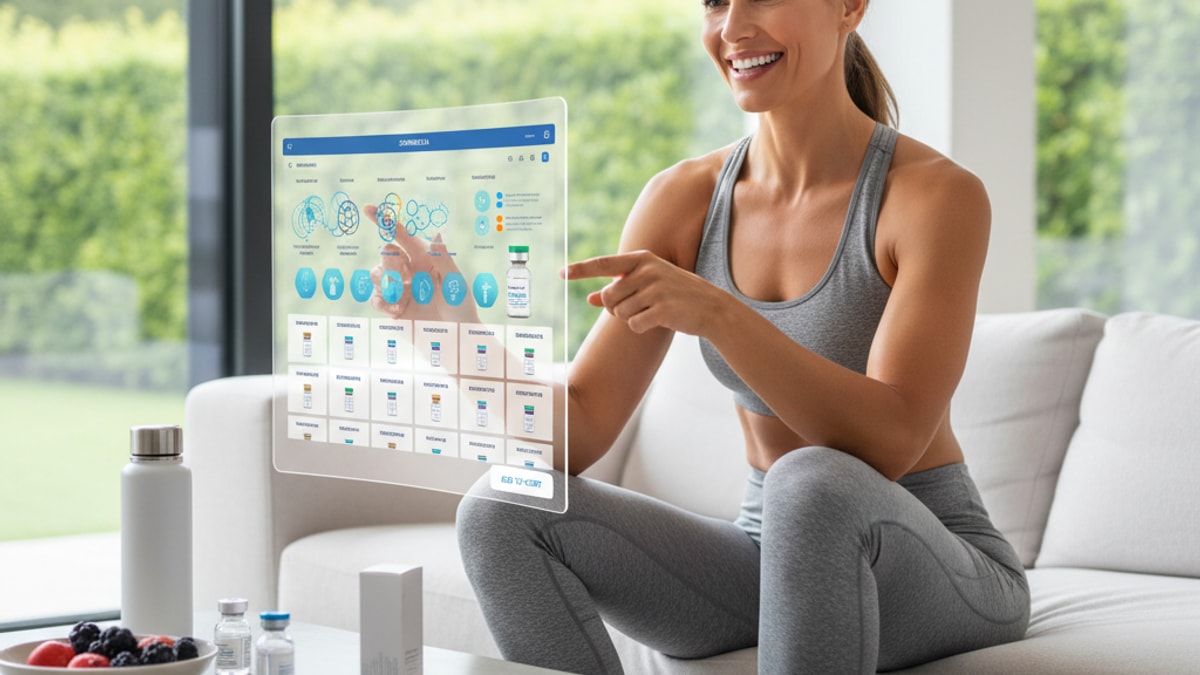
Buy Sermorelin Online Connecticut — Fast, Prescribed, Shipped
Research from the Journal of Clinical Endocrinology & Metabolism found that adults over 35 experience growth hormone decline at 14% per decade. Contributing to muscle loss, fat accumulation, sleep disruption, and cognitive fog. For Connecticut residents seeking physician-supervised hormone optimization, sermorelin acetate has become the legally accessible alternative to HGH. And you can now obtain it entirely through telemedicine.
We've guided hundreds of patients through sermorelin protocols remotely. The difference between doing it right and doing it wrong comes down to three things: selecting a legitimate prescribing physician who operates under state medical board regulations, verifying your pharmacy is FDA-registered, and understanding sermorelin's mechanism well enough to set realistic expectations.
Can you legally buy sermorelin online in Connecticut?
Yes. Connecticut residents can legally buy sermorelin online through licensed telemedicine platforms that connect patients with board-certified physicians authorized to prescribe peptide therapies. After consultation, prescriptions are sent to FDA-registered 503B compounding pharmacies, which prepare sterile sermorelin acetate for subcutaneous injection and ship directly to your address. The entire process. Consultation, prescription, compounding, and delivery. Typically takes 48–72 hours.
What Sermorelin Actually Does (And Why It's Not HGH)
Sermorelin acetate is a synthetic analogue of growth hormone-releasing hormone (GHRH). The molecule your hypothalamus naturally produces to signal the pituitary gland to release endogenous growth hormone. Unlike exogenous HGH injections, which flood the system with synthetic hormone, sermorelin works through your body's own regulatory feedback loop. This means it cannot suppress natural production the way HGH does, and it remains legal for telemedicine prescribing under federal law.
The mechanism: sermorelin binds to GHRH receptors on somatotroph cells in the anterior pituitary, triggering cyclic secretion of growth hormone in pulses that mirror natural physiology. Peak GH levels occur 15–30 minutes post-injection, with effects lasting 3–4 hours. Clinical trials published in Endocrine Reviews demonstrated that nightly sermorelin administration over 12–16 weeks increased IGF-1 (insulin-like growth factor 1) levels by 30–50% in adults with age-related decline, leading to improved lean body mass, reduced visceral fat, and enhanced sleep architecture.
Sermorelin's half-life is approximately 10–20 minutes in circulation, but the downstream IGF-1 elevation persists for days. Which is why the therapy's benefits accumulate over weeks rather than appearing immediately. Patients who expect overnight transformation are invariably disappointed; those who commit to 90+ days see meaningful metabolic shifts.
The Connecticut Telehealth Process for Sermorelin
Connecticut General Statutes Section 20-9c permits licensed physicians to prescribe controlled and non-controlled substances via telemedicine following a synchronous audio-visual consultation. Sermorelin is not a DEA-scheduled substance, which simplifies prescribing compared to testosterone or HCG, but Connecticut law still requires an established patient-physician relationship before prescribing.
Here's how the process works at TrimRx and similar platforms: you complete a medical intake form covering current medications, medical history, contraindications (active cancer, uncontrolled diabetes, recent pituitary surgery), and treatment goals. A Connecticut-licensed or multi-state licensed physician reviews your submission and schedules a live video consultation. Typically within 24 hours. During the 15–20 minute consultation, the physician evaluates appropriateness, discusses dosing protocols, reviews potential side effects (injection site reactions, water retention, transient insulin resistance), and writes a prescription if clinically indicated.
Once prescribed, the pharmacy compounds your sermorelin. Usually 3mg or 6mg vials supplied with bacteriostatic water for reconstitution. Dosing begins at 200–300mcg nightly, administered subcutaneously 30 minutes before bed on an empty stomach. Connecticut residents typically receive shipments within 48 hours via overnight or two-day courier with cold packs to maintain the 2–8°C storage requirement during transit.
Sermorelin vs Tirzepatide, Semaglutide, and HGH: Full Comparison
Many patients confuse sermorelin with GLP-1 medications or assume it functions identically to HGH. The mechanisms are entirely distinct.
| Medication | Mechanism of Action | Primary Use Case | Legal Status for Telehealth | Average Monthly Cost | Bottom Line Assessment |
|---|---|---|---|---|---|
| Sermorelin Acetate | GHRH analogue. Stimulates endogenous GH release from pituitary | Age-related GH decline, body composition, recovery | Fully legal via telemedicine (non-DEA scheduled) | $250–$450 | Best option for physiologic GH support without suppressing natural production |
| Semaglutide (Wegovy/Ozempic) | GLP-1 receptor agonist. Slows gastric emptying, suppresses appetite | Weight loss, type 2 diabetes | Legal via telemedicine (prescription required) | $300–$900 brand / $200–$400 compounded | Superior for appetite-driven weight loss; no effect on GH axis |
| Tirzepatide (Mounjaro/Zepbound) | Dual GLP-1 and GIP receptor agonist | Weight loss, type 2 diabetes | Legal via telemedicine (prescription required) | $500–$1200 brand / $300–$600 compounded | Most potent weight loss agent; metabolic benefits independent of GH |
| HGH (Somatropin) | Exogenous recombinant human growth hormone | FDA-approved for diagnosed GH deficiency only | Illegal for off-label telemedicine prescribing (DEA enforcement risk) | $800–$2000+ | Clinically effective but legally restricted; requires in-person specialist oversight |
| Ipamorelin (GH Secretagogue) | Ghrelin receptor agonist. Alternative GH release pathway | Body composition, similar to sermorelin | Legal gray area (FDA guidance pending) | $200–$350 | Comparable to sermorelin but less clinical data; some compounders avoid it |
The bottom line: if your goal is metabolic optimization and you don't have diagnosed growth hormone deficiency requiring HGH, sermorelin is the most accessible, legally defensible option. If your primary goal is appetite suppression and weight loss, semaglutide or tirzepatide are mechanistically superior. We cover both extensively at TrimRx.
Key Takeaways
- Sermorelin acetate stimulates natural growth hormone release through GHRH receptor activation. It does not suppress endogenous production the way exogenous HGH does.
- Connecticut residents can legally buy sermorelin online through telemedicine platforms that connect patients with licensed physicians and FDA-registered 503B compounding pharmacies.
- Clinical trials show sermorelin increases IGF-1 levels by 30–50% over 12–16 weeks, improving lean mass, reducing visceral fat, and enhancing sleep quality in adults with age-related GH decline.
- Sermorelin is not a controlled substance under federal DEA schedules, making it legally prescribable via telemedicine in all 50 states including Connecticut.
- Typical protocols start at 200–300mcg nightly subcutaneous injection, with effects accumulating over 8–12 weeks rather than appearing immediately.
- Average cost ranges from $250–$450 per month depending on dosage and compounding pharmacy. Substantially lower than HGH at $800–$2000+ monthly.
What If: Sermorelin Scenarios
What If I Don't Feel Anything After the First Week?
This is expected. Sermorelin's mechanism is cumulative, not acute. The peptide triggers pulsatile GH release that elevates IGF-1 levels gradually over weeks. Most patients report initial changes around week 4–6: improved sleep quality, faster recovery from exercise, modest increase in energy. Body composition changes. Reduced fat, increased lean mass. Typically become measurable after week 8–10. If you reach week 12 with zero subjective or objective changes, dosing may need adjustment or the diagnosis of GH insufficiency may not apply.
What If My Sermorelin Vial Arrived Warm?
Sermorelin acetate degrades rapidly above 25°C. If your package arrived without cold packs or the vial feels warm to touch, contact the pharmacy immediately for replacement. Lyophilized (powder) sermorelin is more stable than reconstituted solution, but even powder form should never exceed 8 hours at room temperature during shipping. Reputable 503B pharmacies ship overnight with gel packs and insulated packaging; if yours didn't, that's a red flag about the compounding facility's quality standards.
What If I Miss a Nightly Dose?
Skip the missed dose and resume your regular schedule the following night. Do not double-dose. Sermorelin's effect is cumulative across consistent nightly administration; missing one or two doses per month has minimal impact on long-term outcomes. Missing doses frequently (more than 3–4 times per month) will blunt IGF-1 elevation and reduce clinical benefit.
The Blunt Truth About Sermorelin and Anti-Aging Claims
Here's the honest answer: sermorelin is not a fountain of youth, and the marketed 'anti-aging' benefits are overstated relative to the clinical evidence. The peptide does increase growth hormone output in adults with measurable age-related decline, and IGF-1 elevation does improve body composition, bone density, and sleep quality in published trials. But claims about 'reversing aging,' 'eliminating wrinkles,' or 'doubling energy levels' are marketing exaggeration. Not clinical reality.
The evidence supports sermorelin for specific, measurable outcomes: modest improvements in lean mass (1–3kg over 16 weeks), reductions in visceral fat (5–8%), enhanced slow-wave sleep, and faster post-exercise recovery. It does not prevent aging. It does not replace exercise and nutrition. And it works best in patients who already maintain caloric balance and resistance training. The peptide amplifies effort, it doesn't replace it.
If a provider promises dramatic transformation without lifestyle modification, find a different provider. The mechanism doesn't support that claim.
How to Verify Your Sermorelin Source Is Legitimate
Connecticut's telemedicine regulations are permissive, but that creates opportunity for under-regulated operators. Before you buy sermorelin online, verify three things: physician licensure, pharmacy accreditation, and peptide sourcing.
First. Confirm the prescribing physician holds an active, unrestricted medical license in Connecticut or holds a multi-state compact license that includes Connecticut. You can verify this through the Connecticut Department of Public Health's License Verification Portal. If the platform won't disclose the physician's name before consultation, that's a red flag.
Second. Verify the compounding pharmacy is FDA-registered as a 503B outsourcing facility or holds a valid state pharmacy license. 503B facilities undergo FDA inspection and must meet Current Good Manufacturing Practice (cGMP) standards. You can search the FDA's 503B Registered Facilities list by pharmacy name. Unregistered facilities cannot legally ship across state lines.
Third. Ask where the raw sermorelin acetate powder originates. Legitimate compounders source peptides from FDA-registered suppliers that provide certificates of analysis showing >98% purity and sterility verification. If the pharmacy can't or won't provide sourcing documentation, the peptide may be imported from unregulated overseas manufacturers.
Our team has reviewed compounding pharmacy standards across the industry. Peptide quality varies dramatically. The price difference between a $250/month protocol and a $450/month protocol often reflects raw material sourcing, not profit margin.
Patients frequently overlook these verification steps because the purchasing process feels simple and professional. But Connecticut law provides no additional consumer protection for compounded medications. You are relying entirely on the pharmacy's internal quality controls. Verify before you inject.
If your goal is physician-supervised peptide therapy with full traceability, platforms like TrimRx connect you with licensed providers and FDA-registered compounders who disclose sourcing and undergo third-party testing. That level of transparency should be the baseline, not the exception.
Frequently Asked Questions
How does sermorelin work differently from taking HGH injections?▼
Sermorelin is a growth hormone-releasing hormone (GHRH) analogue that stimulates your pituitary gland to produce and release your own natural growth hormone in physiologic pulses — it does not introduce external synthetic hormone. HGH injections flood the system with exogenous somatropin, which suppresses your body’s natural GH production over time through negative feedback inhibition. Sermorelin preserves natural pulsatility and cannot shut down endogenous production, making it safer for long-term use and legal for telemedicine prescribing under federal law.
Can Connecticut residents legally get sermorelin without visiting a doctor in person?▼
Yes — Connecticut General Statutes Section 20-9c permits physicians to prescribe medications including sermorelin via telemedicine following a live audio-visual consultation. The consultation must establish a patient-physician relationship and evaluate medical appropriateness, but no in-person visit is required. After consultation, the prescription is sent to an FDA-registered compounding pharmacy that ships sermorelin directly to your Connecticut address, typically within 48 hours.
How much does sermorelin cost per month in Connecticut?▼
Sermorelin costs $250–$450 per month depending on dosage (typically 3mg or 6mg vials), compounding pharmacy fees, and whether bacteriostatic water and syringes are included. This is substantially less expensive than HGH therapy, which costs $800–$2000+ monthly. Most telemedicine platforms bundle the physician consultation fee into the first month, with ongoing monthly costs covering peptide supply and refill consultations every 90 days.
What are the most common side effects of sermorelin injections?▼
The most common side effects are injection site reactions — redness, swelling, or mild discomfort at the subcutaneous injection site — occurring in 10–15% of patients. Transient side effects during the first 2–4 weeks include facial flushing, mild headache, and temporary water retention. Rare but documented adverse events include worsening insulin resistance in diabetic patients and reactivation of pituitary tumors in patients with prior pituitary disease. Sermorelin does not cause the joint pain or carpal tunnel symptoms associated with exogenous HGH.
How long does it take to see results from sermorelin therapy?▼
Most patients notice initial subjective improvements — better sleep quality, faster recovery from exercise, modest energy increase — around week 4–6. Measurable body composition changes (reduced fat mass, increased lean mass) typically appear after 8–12 weeks of consistent nightly administration. IGF-1 levels peak around week 12–16 in clinical trials. Patients who expect immediate transformation within the first two weeks are invariably disappointed — sermorelin’s mechanism is cumulative, requiring 90+ days to reach full effect.
Do I need to refrigerate sermorelin after mixing it?▼
Yes — once reconstituted with bacteriostatic water, sermorelin must be stored at 2–8°C (refrigerator temperature) and used within 28 days. Unreconstituted lyophilized powder can tolerate short-term room temperature storage (up to 25°C for 24–48 hours), but prolonged heat exposure degrades the peptide structure irreversibly. Never freeze reconstituted sermorelin — freezing causes protein denaturation. Always transport vials in insulated containers with cold packs if traveling.
Is sermorelin the same as peptide therapy or growth hormone supplements sold online?▼
No — sermorelin acetate is a prescription peptide requiring physician oversight and compounding pharmacy preparation. Over-the-counter ‘GH boosters’ or ‘peptide supplements’ sold online contain amino acid precursors or herbal extracts that do not deliver bioavailable sermorelin or any peptide with GHRH activity. These products are not regulated by the FDA for efficacy and lack clinical trial evidence supporting GH elevation. Legitimate sermorelin requires a prescription and comes as a sterile injectable solution — never as an oral capsule or spray.
Can I use sermorelin if I’m already taking semaglutide or tirzepatide for weight loss?▼
Yes — sermorelin and GLP-1 receptor agonists (semaglutide, tirzepatide) work through entirely different mechanisms and can be used concurrently under physician supervision. GLP-1 medications suppress appetite and slow gastric emptying to facilitate caloric deficit, while sermorelin stimulates growth hormone release to preserve lean mass during weight loss. Some physicians intentionally combine the two for patients seeking body recomposition rather than weight loss alone. Always disclose all medications during your consultation — drug interaction screening is required.
What should I do if my IGF-1 levels don’t increase after 12 weeks on sermorelin?▼
Non-response to sermorelin after 12–16 weeks suggests either inadequate dosing, improper injection technique, degraded peptide quality, or absence of meaningful GH insufficiency at baseline. First, verify your injection timing (nightly, on empty stomach, 30 minutes before bed) and storage conditions. If technique and storage are correct, request IGF-1 lab retesting and discuss dose escalation with your prescribing physician. If IGF-1 remains unchanged at higher doses, you may be a non-responder — approximately 10–15% of patients show minimal IGF-1 elevation despite adequate dosing.
Are there any medical conditions that disqualify me from using sermorelin?▼
Sermorelin is contraindicated in patients with active malignancy (cancer), history of pituitary tumors or recent pituitary surgery, uncontrolled type 2 diabetes with A1C above 9%, and known hypersensitivity to GHRH analogues. Relative contraindications requiring physician evaluation include untreated hypothyroidism, severe obesity (BMI over 40), and concurrent use of high-dose corticosteroids, which blunt GH response. Pregnancy and breastfeeding are absolute contraindications — sermorelin’s safety in these populations has not been established.

Transforming Lives, One Step at a Time
Keep reading

Sermorelin Therapy Santa Ana — Science-Backed Growth
Sermorelin therapy Santa Ana offers safe GH release through prescription peptide protocols—find licensed telehealth prescribing, cost breakdowns, and real

How to Get Sermorelin? (Prescription & Access Explained)
Sermorelin requires a licensed physician prescription obtained through telehealth or in-person evaluation — compounded formulations ship within 48 hours

Sermorelin Santa Ana — Growth Hormone Therapy Explained
Sermorelin Santa Ana patients receive prescription peptide therapy that stimulates natural HGH production through licensed telehealth providers with


