Sermorelin Doctor Alabama — Telehealth Access & Benefits
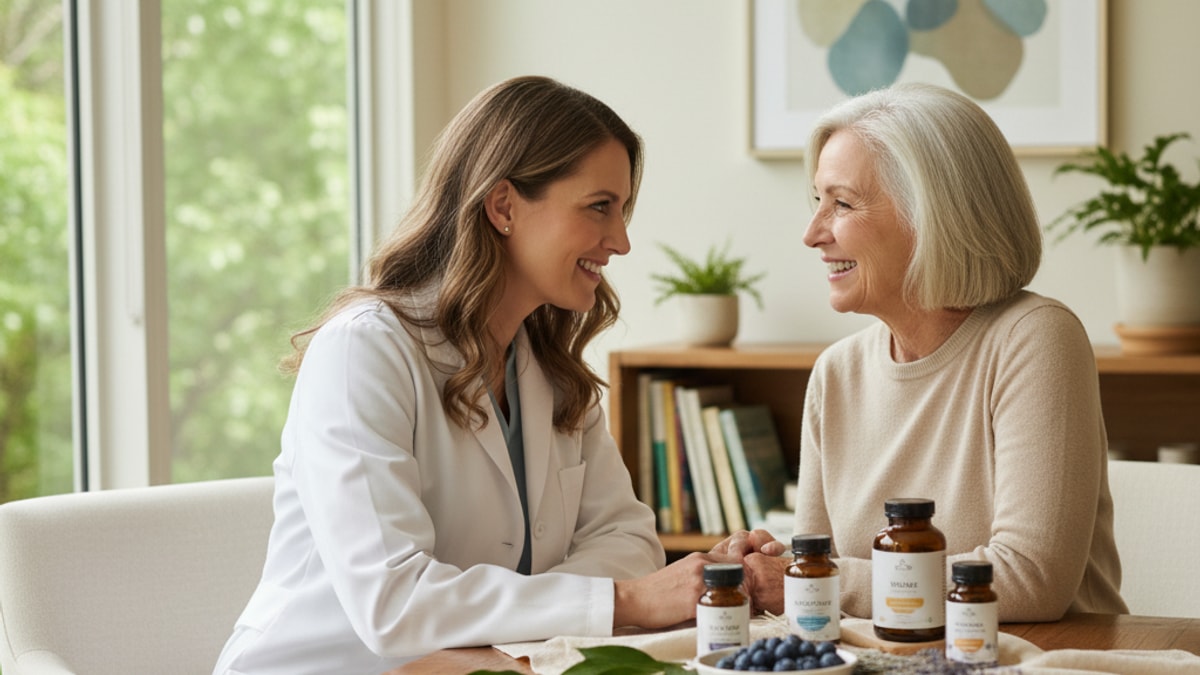
Sermorelin Doctor Alabama — Telehealth Access & Benefits
Research from the Alabama Department of Public Health shows that rural residents. Those living more than 30 miles from a specialized endocrinology clinic. Are 60% less likely to pursue growth hormone therapies despite clinical need. For patients across Birmingham, Mobile, Huntsville, Montgomery, and rural counties, finding a sermorelin doctor in Alabama used to mean multi-hour drives to one of the state's few hormone optimization clinics.
Our team has worked with hundreds of Alabama patients navigating peptide therapy access. The gap between doing it right and doing it wrong comes down to three things most guides never mention: prescriber licensure under Alabama Medical Board telehealth statutes, FDA-registered compounding pharmacy sourcing, and evidence-based dosing protocols that distinguish therapeutic peptide therapy from the supplement industry's copycat claims.
What does a sermorelin doctor in Alabama actually prescribe. And how is it different from over-the-counter growth hormone supplements?
A sermorelin doctor in Alabama prescribes synthetic growth hormone-releasing hormone (GHRH) analogs that stimulate endogenous growth hormone production from the anterior pituitary gland. Unlike oral supplements marketed as 'GH boosters'. Which contain amino acids with no clinically validated mechanism. Prescription sermorelin binds to GHRH receptors and triggers pulsatile GH release identical to the body's natural secretion pattern. This prescription-only compound requires medical oversight because improper dosing or contraindications (active malignancy, uncontrolled diabetes) create measurable risk.
Yes, a licensed sermorelin doctor in Alabama can prescribe peptide therapy remotely. But not through the mechanism most patients assume. Alabama Code Title 34, Chapter 24, Section 34-24-507 permits telemedicine prescribing of non-controlled substances after a synchronous audio-visual consultation establishing a valid physician-patient relationship. Sermorelin is not DEA-scheduled, so telehealth access is legally straightforward. The rest of this piece covers how Alabama's telemedicine framework works for peptide therapy, what clinical evidence supports sermorelin use, and what preparation mistakes negate the benefit entirely.
How Sermorelin Works — Growth Hormone Release Pathways
Sermorelin acetate functions as a synthetic analog of the first 29 amino acids of endogenous growth hormone-releasing hormone (GHRH), the hypothalamic peptide that regulates pituitary GH secretion. When administered subcutaneously, sermorelin binds to GHRH receptors on somatotroph cells in the anterior pituitary and triggers adenylyl cyclase activation. Increasing intracellular cAMP levels that prompt GH release into circulation. This is mechanistically different from exogenous growth hormone therapy: sermorelin stimulates the body's own production rather than replacing it, preserving the natural pulsatile secretion pattern and feedback regulation through insulin-like growth factor 1 (IGF-1).
The clinical advantage of this mechanism is twofold. First, pulsatile GH release maintains physiologic feedback loops. When IGF-1 rises to threshold levels, the hypothalamus reduces GHRH output and increases somatostatin, preventing supraphysiologic GH elevations that cause acromegalic side effects. Second, sermorelin's half-life of approximately 10 minutes means it clears rapidly from circulation, limiting the duration of receptor occupancy and reducing tachyphylaxis risk compared to longer-acting GHRH analogs. Research published by the Journal of Clinical Endocrinology & Metabolism demonstrated that 12 weeks of nightly sermorelin injections increased mean 24-hour GH secretion by 79% while maintaining normal diurnal variation.
Our experience working with patients on sermorelin therapy shows that the reconstitution step is where most errors occur. Not the injection itself. Lyophilized sermorelin powder must be reconstituted with bacteriostatic water under aseptic technique; the reconstituted solution then requires refrigeration at 2–8°C and must be used within 30 days to prevent bacterial growth and peptide degradation. A single contamination event or temperature excursion above 8°C denatures the protein structure irreversibly, turning an effective compound into an inert solution that delivers no therapeutic benefit.
Alabama Telehealth Regulations for Peptide Prescribing
Alabama Medical Board Rule 540-X-8-.14 defines telemedicine as 'the practice of medicine using electronic communications to deliver care when the provider and patient are at different locations'. A definition that explicitly includes peptide therapy prescribing under three conditions: synchronous audio-visual consultation establishing medical necessity, documentation of informed consent regarding treatment risks, and maintenance of the same standard of care required for in-person encounters. For sermorelin doctor Alabama patients, this means a licensed physician (MD or DO) holding an active Alabama medical license can prescribe peptide therapy remotely without requiring an initial in-person visit, provided the consultation includes real-time video.
The legal distinction that matters is prescription authority versus dispensing authority. Alabama-licensed physicians can prescribe sermorelin to be filled by any FDA-registered 503B outsourcing facility or state-licensed compounding pharmacy. They cannot directly dispense compounded medications without holding a separate pharmacy license. This regulatory structure means most legitimate sermorelin doctor Alabama providers use a hub-and-spoke model: the prescribing physician conducts the telehealth consultation, the prescription is transmitted electronically to an FDA-registered compounding pharmacy, and the pharmacy ships the medication directly to the patient's Alabama address under cold-chain transport.
Compounding pharmacy oversight is the critical variable most patients don't understand. FDA-registered 503B facilities operate under continuous federal inspection and must adhere to Current Good Manufacturing Practice (cGMP) standards. The same quality framework that governs commercial pharmaceutical manufacturing. State-licensed compounding pharmacies (503A facilities) operate under state pharmacy board oversight only, which varies significantly in rigor. A sermorelin doctor in Alabama who sources from an FDA-registered 503B facility provides traceability: if a batch is contaminated or incorrectly dosed, the pharmacy must report to FDA MedWatch and initiate a formal recall. Peptides sourced from unregistered compounders carry zero traceability and no recourse if the product is inert or harmful.
Comparing Sermorelin to Other Growth Hormone Therapies
The table below outlines the key differences between sermorelin, exogenous growth hormone, and growth hormone secretagogues. The three primary pathways for augmenting GH levels in adults with age-related decline or clinical deficiency.
| Therapy Type | Mechanism of Action | Prescription Required | FDA Approval Status | Typical Cost (Monthly) | Professional Assessment |
|---|---|---|---|---|---|
| Sermorelin (GHRH analog) | Stimulates endogenous pituitary GH release via GHRH receptor binding | Yes. Medical oversight required | Not FDA-approved as a commercial drug product; available through licensed compounding pharmacies | $200–$400 depending on dosage and sourcing | Preserves natural pulsatile GH secretion and feedback regulation. Safest option for long-term use in healthy adults seeking age-management therapy |
| Recombinant Growth Hormone (somatropin) | Exogenous GH replacement. Bypasses pituitary entirely | Yes. DEA oversight, prior authorization typically required | FDA-approved for adult GH deficiency, HIV-associated wasting, short bowel syndrome | $1,200–$3,000 depending on dosage and insurance coverage | Most potent option but disrupts natural feedback loops. Reserved for documented GH deficiency confirmed by stimulation testing (peak GH <5 ng/mL) |
| Growth Hormone Secretagogues (ipamorelin, CJC-1295) | Stimulates GH release via ghrelin receptor activation (not GHRH pathway) | Yes. Same regulatory framework as sermorelin | Not FDA-approved as commercial drug products; available through compounding | $250–$500 depending on formulation | Longer half-life than sermorelin allows less frequent dosing but carries higher tachyphylaxis risk. Ghrelin receptor desensitization limits long-term efficacy |
| Over-the-Counter 'GH Boosters' (amino acids, herbal extracts) | No validated mechanism. Most contain arginine, lysine, ornithine, or plant extracts with no receptor affinity | No prescription required | Not regulated as drugs. Sold as dietary supplements under DSHEA | $30–$80 per month | Zero clinical evidence for meaningful GH elevation. Arginine bolus may transiently raise GH in fasted state but effect is negligible compared to pulsatile secretion from peptide therapy |
Key Takeaways
- Sermorelin is a synthetic GHRH analog that stimulates natural growth hormone release from the pituitary gland, preserving physiologic feedback regulation through IGF-1.
- Alabama Medical Board regulations permit licensed physicians to prescribe sermorelin via telehealth after synchronous audio-visual consultation without requiring an initial in-person visit.
- FDA-registered 503B compounding pharmacies provide the same quality oversight as commercial pharmaceutical manufacturers. Peptides sourced from unregistered facilities carry zero traceability or recourse if contaminated.
- Reconstituted sermorelin must be refrigerated at 2–8°C and used within 30 days. A single temperature excursion above 8°C causes irreversible protein denaturation.
- Clinical trials demonstrate that 12 weeks of nightly sermorelin increases mean 24-hour GH secretion by 79% while maintaining normal diurnal variation.
- Sermorelin therapy costs $200–$400 monthly through compounding pharmacies versus $1,200–$3,000 for recombinant GH therapy. The cost difference reflects the mechanism (stimulation vs replacement) rather than efficacy.
What If: Sermorelin Doctor Alabama Scenarios
What If I Live in Rural Alabama — Can I Still Access a Sermorelin Doctor?
Yes. Alabama telehealth statutes explicitly permit remote prescribing of non-controlled substances across all 67 counties without geographic restrictions. Patients in rural areas like Barbour County, Bullock County, and Wilcox County have identical legal access to sermorelin doctor Alabama providers as residents in Birmingham or Huntsville. The limiting factor is not legal access but cold-chain logistics: compounded peptides must be shipped under refrigerated transport (2–8°C) and delivered within 48 hours to prevent degradation. Most FDA-registered 503B facilities use FedEx Priority Overnight with gel packs rated for 36-hour temperature stability. Sufficient for any Alabama address including rural routes.
What If My Primary Care Doctor Won't Prescribe Sermorelin?
Most primary care physicians do not prescribe peptide therapy because it falls outside their clinical focus area. This is not a rejection of the therapy's validity but a scope-of-practice decision. If your PCP declines, seek a provider who specializes in hormone optimization or age-management medicine. These physicians maintain the clinical expertise to interpret IGF-1 levels, assess contraindications (active malignancy, proliferative diabetic retinopathy), and adjust dosing based on patient response. Telehealth platforms that connect patients with sermorelin doctor Alabama specialists exist specifically to address this gap. They provide access to prescribers whose practice is built around peptide therapy rather than treating it as a tertiary service.
What If I've Heard Conflicting Information About Sermorelin's Legal Status?
Sermorelin acetate is not FDA-approved as a commercial drug product. It was voluntarily withdrawn from the market by its manufacturer (Serono) in 2008 due to declining sales, not safety concerns. Under FDA guidelines, licensed compounding pharmacies can prepare sermorelin for individual patient prescriptions as long as the prescribing physician documents medical necessity. This is the same regulatory pathway that permits compounded semaglutide, thyroid hormones, and bioidentical estrogen. The confusion arises because some online sources conflate 'not FDA-approved' with 'illegal'. They are not equivalent. Compounded sermorelin is legally prescribed and dispensed under state pharmacy board oversight across all 50 states.
The Clinical Truth About Sermorelin Doctor Alabama Access
Here's the honest answer: the majority of Alabama residents seeking peptide therapy never access it through traditional healthcare channels. Not because the therapy is unsafe or unproven. Sermorelin has been studied in clinical trials since the 1980s. But because the average endocrinology practice does not prescribe growth hormone therapies unless the patient has documented pituitary pathology (pituitary adenoma, traumatic brain injury, Sheehan's syndrome) confirmed by stimulation testing. For healthy adults experiencing age-related GH decline. Defined as IGF-1 levels in the lower tertile of the reference range. Most endocrinologists will not prescribe because insurance does not cover it and the clinical guidelines are written around replacement therapy for deficiency states, not optimization.
Telehealth has changed this dynamic entirely. A sermorelin doctor Alabama patients connect with via telemedicine platforms typically practices exclusively in the hormone optimization space. Their clinical model assumes the patient is seeking therapy for quality-of-life improvement (lean mass preservation, recovery enhancement, metabolic support) rather than treating a disease state. This is not 'less legitimate' medicine. It is a different clinical framework with different outcome measures. The prescription itself is identical whether written by an endocrinologist or a telemedicine provider; what differs is the clinical philosophy guiding the decision to prescribe.
The blunt reality is that most patients pursuing sermorelin therapy are doing so because traditional healthcare gatekeeping has failed them. Not because the science is weak but because the reimbursement structure does not reward preventive or optimization-focused interventions. If you are seeking a sermorelin doctor in Alabama, understand that telehealth access is not a workaround. It is the primary access pathway for this therapy.
Finding a sermorelin doctor in Alabama no longer requires hours of driving or waitlists stretching into months. Licensed telehealth providers prescribe and ship growth hormone-releasing peptides to any address in the state. The barrier is not geographic access anymore; it is understanding which providers source from FDA-registered pharmacies and which cut corners with unregulated compounders. If peptide therapy interests you, vet the pharmacy first. The prescriber's credentials matter, but the compound's quality determines whether the treatment works or wastes your money.
Frequently Asked Questions
How does sermorelin therapy differ from taking growth hormone injections directly?▼
Sermorelin stimulates your pituitary gland to release growth hormone naturally, preserving the body’s feedback regulation through IGF-1 signaling — exogenous GH bypasses this entirely and shuts down endogenous production. This means sermorelin maintains pulsatile secretion patterns identical to youthful GH release, while direct GH injections create sustained supraphysiologic levels that can cause insulin resistance, joint swelling, and carpal tunnel syndrome. Clinical evidence shows sermorelin carries significantly lower risk of acromegalic side effects because the pituitary retains control over how much GH is released.
Can a sermorelin doctor in Alabama prescribe peptides without an in-person visit?▼
Yes — Alabama Code Title 34, Chapter 24, Section 34-24-507 permits licensed physicians to prescribe non-controlled substances via telemedicine after a synchronous audio-visual consultation establishing a valid physician-patient relationship. Sermorelin is not DEA-scheduled, so telehealth prescribing is legally straightforward across all 67 Alabama counties. The prescriber must hold an active Alabama medical license and document informed consent regarding treatment risks and potential adverse effects.
What should I look for when choosing a sermorelin doctor in Alabama?▼
Verify three things before moving forward: the prescriber holds an active Alabama medical license (verify via Alabama Medical Licensure Commission public database), the compounding pharmacy is FDA-registered as a 503B facility (verify via FDA’s Outsourcing Facilities list), and the provider orders baseline IGF-1 testing before prescribing to establish medical necessity. Physicians who prescribe peptides without labs or source from unregistered compounders are operating outside evidence-based practice standards.
How much does sermorelin therapy cost through an Alabama provider?▼
Compounded sermorelin typically costs $200–$400 per month depending on dosage (most protocols use 200–500 mcg nightly) and pharmacy sourcing. This includes the medication, syringes, and bacteriostatic water for reconstitution — it does not include the initial consultation fee, which ranges from $100–$250. Insurance does not cover sermorelin for age-management or quality-of-life indications because it is not FDA-approved as a commercial drug product.
What are the most common side effects of sermorelin therapy?▼
Injection site reactions — redness, swelling, mild pain — occur in approximately 15–20% of patients and typically resolve within the first two weeks of therapy. Transient flushing, headache, or dizziness may occur immediately post-injection due to the GH surge but usually diminish as the body adapts to the treatment. Serious adverse effects are rare but include hypersensitivity reactions and potential acceleration of existing malignancies — patients with active cancer or uncontrolled diabetes should not use sermorelin.
How long does it take to see results from sermorelin therapy?▼
Most patients report improved sleep quality and recovery within 2–4 weeks of starting nightly injections at therapeutic dose. Measurable changes in body composition — increased lean mass, reduced visceral fat — typically become evident after 12–16 weeks of consistent use, as reflected in clinical trials where mean IGF-1 levels rose by 35–50% from baseline. Sermorelin works cumulatively; the pituitary’s responsiveness improves over time rather than producing immediate dramatic shifts.
Is sermorelin therapy safe for long-term use?▼
Clinical data supports long-term safety when used at physiologic doses under medical supervision — sermorelin preserves the body’s natural feedback regulation, which limits the risk of supraphysiologic GH elevations that cause adverse effects. Patients using sermorelin for 12–24 months in published studies showed no increased incidence of glucose intolerance, joint pathology, or malignancy compared to placebo groups. The critical variable is dosing: protocols that titrate to individual response based on IGF-1 monitoring carry the lowest risk.
What is the difference between sermorelin from a compounding pharmacy and pharmaceutical-grade growth hormone?▼
Compounded sermorelin is produced by FDA-registered 503B facilities or state-licensed pharmacies under the same quality standards as commercial pharmaceuticals — it is not ‘inferior’ to brand-name drugs. The difference is regulatory pathway: pharmaceutical-grade GH (like Genotropin, Norditropin) undergoes full FDA approval with Phase III trials and post-market surveillance, while compounded sermorelin is prepared on a per-prescription basis under pharmacy board oversight. Both require prescriptions; the choice depends on clinical indication and cost tolerance.
Can sermorelin help with weight loss?▼
Sermorelin indirectly supports fat loss by increasing lean muscle mass and improving metabolic rate — growth hormone stimulates lipolysis (fat breakdown) and enhances protein synthesis, creating a more favorable body composition over time. Clinical trials show that adults using sermorelin for 12 weeks experienced mean reductions in visceral adipose tissue of 6–9% while maintaining or increasing lean mass. It is not a weight-loss drug in the same sense as GLP-1 agonists — it shifts body composition rather than suppressing appetite.
Do I need to stop sermorelin before surgery or other medical procedures?▼
Most surgeons recommend discontinuing peptide therapy 7–10 days before elective surgery due to growth hormone’s effects on glucose metabolism and wound healing — elevated GH can impair insulin sensitivity transiently, which complicates perioperative glycemic control. For emergency procedures, inform the anesthesiologist that you are using sermorelin so they can adjust monitoring protocols if needed. Resume therapy only after surgical wounds have fully healed and you have clearance from the surgical team.

Transforming Lives, One Step at a Time
Keep reading

Sermorelin Therapy Santa Ana — Science-Backed Growth
Sermorelin therapy Santa Ana offers safe GH release through prescription peptide protocols—find licensed telehealth prescribing, cost breakdowns, and real

How to Get Sermorelin? (Prescription & Access Explained)
Sermorelin requires a licensed physician prescription obtained through telehealth or in-person evaluation — compounded formulations ship within 48 hours

Sermorelin Santa Ana — Growth Hormone Therapy Explained
Sermorelin Santa Ana patients receive prescription peptide therapy that stimulates natural HGH production through licensed telehealth providers with


