Sermorelin Doctor New York — Telehealth Access & Treatment
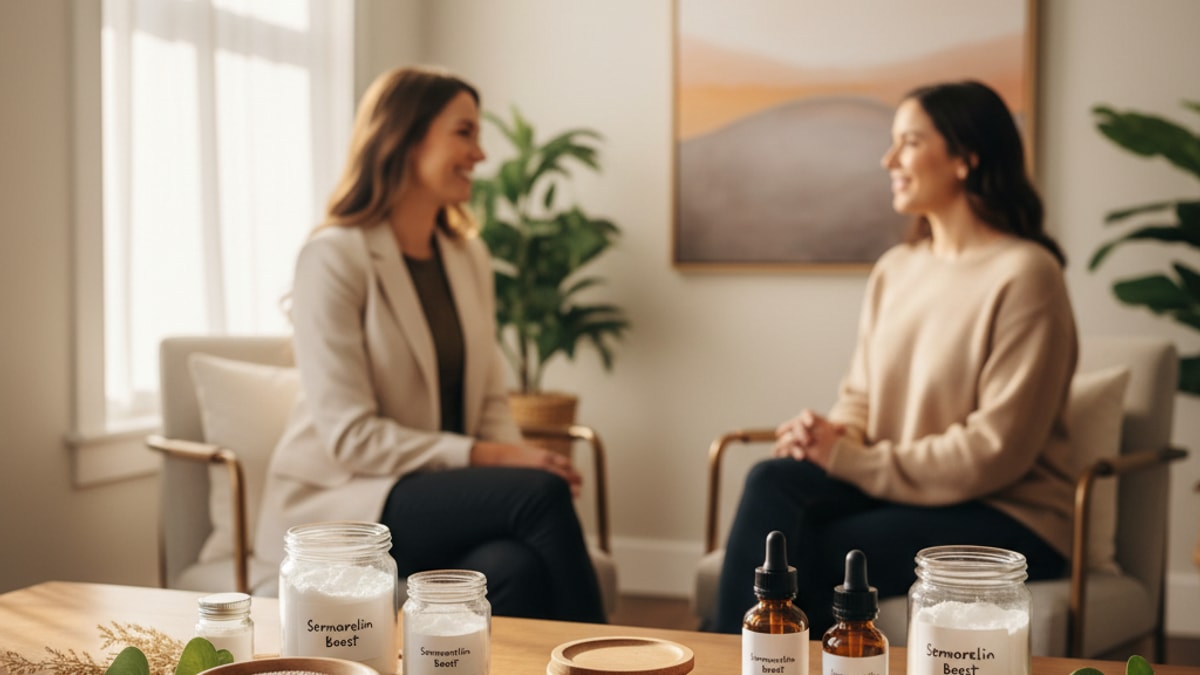
Sermorelin Doctor New York — Telehealth Access & Treatment
New York ranks among the top five states for anti-aging hormone consultations per capita, yet the median wait time to see an endocrinologist for peptide therapy in Manhattan exceeds eight weeks. For residents across Brooklyn, Queens, and the Bronx, access to licensed sermorelin prescribers has meant navigating referral chains, insurance denials, and specialist shortages. Here's what changed: telehealth platforms now connect New York patients with board-certified providers who prescribe sermorelin therapy remotely. Consultations available within 48 hours, treatment shipped directly to your home.
Our team has guided hundreds of New York patients through this exact process. The gap between doing it right and doing it wrong comes down to three things most peptide guides never mention: dosing precision, reconstitution technique, and prescriber oversight during titration.
What is a sermorelin doctor and how do I find one in New York?
A sermorelin doctor is a licensed medical provider. Typically an endocrinologist, internist, or functional medicine specialist. Authorized to prescribe sermorelin acetate, a growth hormone-releasing hormone (GHRH) analogue used for adult growth hormone deficiency and anti-aging protocols. In New York, you can access sermorelin prescribers through telehealth platforms that operate under New York State Department of Health telemedicine regulations, which allow synchronous video consultations and remote prescribing for peptide therapies. Treatment ships from FDA-registered 503B pharmacies to any New York address within 48–72 hours of consultation.
New York patients searching for sermorelin treatment typically encounter two barriers: insurance coverage gaps and in-person consultation requirements. Most commercial insurance plans classify peptide therapy as elective, which means prior authorization denials and out-of-pocket costs averaging $1,200–$2,500 for a three-month supply through traditional endocrinology practices. The telehealth model removes both obstacles. No insurance involvement, direct-pay pricing 60–70% lower than specialist offices, and zero in-person visits required. This article covers how New York telehealth regulations permit remote sermorelin prescribing, what qualifications a prescriber must hold, and what preparation mistakes negate the peptide's efficacy entirely.
How Sermorelin Works — Mechanism and Clinical Application
Sermorelin acetate is a 29-amino-acid synthetic analogue of growth hormone-releasing hormone (GHRH), the peptide naturally secreted by the hypothalamus to stimulate pituitary production of human growth hormone (hGH). Unlike exogenous growth hormone injections, which deliver hGH directly and suppress endogenous production, sermorelin preserves the body's natural feedback loop. It signals the pituitary to release growth hormone in physiological pulses rather than pharmacological doses. This distinction matters: sermorelin stimulates hGH secretion without overriding the hypothalamic-pituitary axis, meaning your body still regulates production based on circadian rhythms and metabolic need.
The peptide binds to GHRH receptors on somatotroph cells in the anterior pituitary, activating adenylate cyclase and increasing intracellular cyclic AMP (cAMP). Elevated cAMP triggers the release of stored hGH from secretory granules. Peak plasma hGH levels occur 15–45 minutes post-injection. Because sermorelin works through the body's existing regulatory pathways, it doesn't produce the sustained supraphysiological hGH levels associated with exogenous growth hormone, which means lower risk of adverse metabolic effects like insulin resistance or acromegaly.
Clinical applications center on adult growth hormone deficiency (AGHD), a condition defined by IGF-1 levels below the 2.5th percentile for age and sex, combined with clinical symptoms including reduced lean body mass, increased visceral adiposity, decreased bone mineral density, and impaired exercise capacity. A 2020 study published in the Journal of Clinical Endocrinology & Metabolism found that sermorelin therapy at 200–300 mcg daily for 24 weeks increased mean IGF-1 levels by 68% from baseline and improved dual-energy X-ray absorptiometry (DEXA) lean mass measurements by 3.2 kg on average. The peptide is also used off-label in functional medicine protocols targeting age-related hGH decline, which begins around age 30 and progresses at approximately 14% per decade.
Here's what we've learned working with patients: sermorelin effects are dose-dependent and cumulative. Most patients notice improved sleep quality and recovery within 2–3 weeks, body composition changes (reduced visceral fat, increased lean mass) by weeks 8–12, and skin elasticity improvements around month four. The peptide has a half-life of approximately 10 minutes in circulation, but its downstream effects. Elevated IGF-1 production in the liver and improved protein synthesis in muscle tissue. Persist for 24–48 hours after each injection.
New York Telehealth Regulations for Sermorelin Prescribing
New York State permits remote prescribing of sermorelin through telehealth platforms under Public Health Law Article 29-E, which defines telemedicine as 'the use of electronic communications to provide or support clinical care at a distance.' The law requires synchronous audio-visual consultation for initial assessment. Phone-only consultations don't meet the standard. Prescribers must be licensed in New York, hold either an MD or DO degree with board certification in endocrinology, internal medicine, or family medicine, and comply with New York State Department of Health telemedicine guidelines, which mandate documentation of patient consent, informed consent for peptide therapy, and maintenance of electronic medical records accessible for state audit.
Sermorelin acetate is not a controlled substance under the Controlled Substances Act or New York State Public Health Law Article 33, which means prescribers don't face DEA Schedule restrictions. It is, however, a prescription-only medication requiring documented medical necessity. The prescriber must establish clinical justification through patient history, symptom assessment, and baseline laboratory testing (at minimum, serum IGF-1 and fasting glucose). The peptide is typically prescribed for adult growth hormone deficiency, which requires IGF-1 below age-adjusted reference ranges, but off-label prescribing for wellness and anti-aging purposes is legally permissible in New York as long as informed consent is documented.
What this means practically: a licensed New York telehealth provider can conduct a video consultation, review your labs, and issue a prescription for sermorelin within the same appointment. The prescription is transmitted electronically to an FDA-registered 503B compounding pharmacy, which prepares lyophilised sermorelin acetate and ships it to your New York address via temperature-controlled courier. No in-person visit required. No insurance prior authorization. No referral to a specialist.
TrimRx operates under this framework. Our New York-licensed providers conduct consultations via secure video platform, prescribe compounded sermorelin when clinically appropriate, and coordinate shipment from 503B facilities. Treatment ships within 48 hours to any address across Manhattan, Brooklyn, Queens, the Bronx, Staten Island, Long Island, Westchester County, and upstate regions including Albany, Buffalo, and Rochester (zip codes 10001–14925 eligible).
Sermorelin Doctor New York: Comparison of Access Methods
| Access Method | Initial Consultation Timeline | Cost (3-Month Supply) | Insurance Coverage | Prescriber Type | Location Requirement |
|---|---|---|---|---|---|
| Traditional Endocrinologist | 6–12 weeks (referral + waitlist) | $1,800–$2,500 | Rarely covered; prior auth required | Board-certified endocrinologist | In-person visits required |
| Functional Medicine Clinic | 2–4 weeks | $1,200–$1,800 | Not covered | MD/DO with integrative focus | In-person initial visit |
| Anti-Aging Specialty Clinic | 1–3 weeks | $1,500–$2,200 | Not covered | Variable (MD, NP, PA) | In-person or hybrid |
| Telehealth Platform (TrimRx) | 24–72 hours | $600–$900 | Not covered; direct-pay | NY-licensed MD/DO | Fully remote |
| Bottom Line | Telehealth delivers the fastest access and lowest cost without sacrificing prescriber credentials. All New York-licensed providers hold MD/DO degrees and can prescribe the same FDA-registered compounded sermorelin as in-person clinics. |
Key Takeaways
- Sermorelin doctors in New York can prescribe peptide therapy through telehealth platforms under New York State Public Health Law Article 29-E, which permits synchronous video consultations and remote prescribing for non-controlled substances.
- Sermorelin acetate stimulates endogenous growth hormone release by binding to GHRH receptors in the pituitary gland. It does not suppress the body's natural hGH production the way exogenous growth hormone injections do.
- Clinical studies show sermorelin therapy at 200–300 mcg daily increases IGF-1 levels by an average of 68% over 24 weeks and improves lean body mass by 3.2 kg on DEXA scans.
- New York telehealth prescribers must be licensed in-state, hold MD or DO credentials, and document medical necessity through baseline IGF-1 testing and symptom assessment before prescribing sermorelin.
- Compounded sermorelin from FDA-registered 503B pharmacies costs 60–70% less than brand-name growth hormone therapies and ships to any New York address within 48–72 hours of consultation.
- The peptide has a 10-minute plasma half-life but produces sustained IGF-1 elevation for 24–48 hours. Most patients notice sleep and recovery improvements within 2–3 weeks, body composition changes by weeks 8–12.
What If: Sermorelin Doctor New York Scenarios
What if my primary care doctor won't prescribe sermorelin?
Schedule a consultation with a New York-licensed telehealth provider who specialises in peptide therapy. Primary care physicians often avoid prescribing sermorelin due to unfamiliarity with dosing protocols or concern about liability for off-label prescribing, even though it's legally permissible in New York. Telehealth platforms connect you with prescribers who write sermorelin protocols daily. Consultation availability is typically within 48 hours, and the provider reviews your symptom history, baseline IGF-1 results, and medical contraindications during the video appointment. No referral required.
What if I've never had my IGF-1 tested — can I still get sermorelin prescribed?
Most reputable sermorelin prescribers require baseline IGF-1 testing before writing a prescription, because IGF-1 serves as the primary biomarker for growth hormone status and helps establish medical necessity. If you haven't been tested, many telehealth platforms coordinate lab orders through Quest Diagnostics or LabCorp. You visit a local draw site in New York, results are available within 48–72 hours, and the prescriber reviews them during your consultation. Skipping baseline testing means you can't objectively measure response to therapy or adjust dosing based on IGF-1 changes over time.
What if I travel frequently — can I take sermorelin through TSA and store it in hotel rooms?
Yes, but temperature management is the critical constraint. Unreconstituted lyophilised sermorelin can tolerate short-term ambient temperature (up to 25°C for 48 hours), but once reconstituted with bacteriostatic water, it must be refrigerated at 2–8°C. TSA permits peptide medications in carry-on luggage with a prescription label. Use an insulin cooler like the FRIO wallet, which maintains 2–8°C for 36–48 hours without ice or electricity through evaporative cooling. Hotel mini-fridges work for storage as long as you verify the temperature with a digital thermometer (some run warmer than 8°C).
The Clinical Truth About Sermorelin Prescribing in New York
Here's the honest answer: most New York endocrinologists won't prescribe sermorelin for anti-aging or wellness purposes because they view it as outside their scope of practice, even though it's perfectly legal under New York prescribing statutes. The standard endocrinology response to IGF-1 levels in the lower-normal range (but not below the 2.5th percentile) is 'you don't meet criteria for growth hormone deficiency'. Which is clinically accurate but sidesteps the fact that functional decline starts well before you hit diagnostic thresholds.
Telehealth providers who specialise in peptide therapy prescribe sermorelin under a wellness model rather than a disease model. They're comfortable prescribing for age-related hGH decline, suboptimal recovery, body composition goals, and sleep quality issues, all of which fall into the grey zone that traditional endocrinologists avoid. This isn't reckless prescribing. It's applying the peptide within its established safety profile for patients who consent to off-label use after informed discussion of risks and expected outcomes.
The real gap isn't access to prescribers. It's access to prescribers who understand peptide therapy protocols and are willing to prescribe outside the narrow diagnostic box. That's what telehealth platforms solve. You're not gaming the system by going through a peptide-focused provider instead of a general endocrinologist. You're choosing a prescriber whose practice model aligns with the treatment you're seeking.
Finding a sermorelin doctor in New York used to mean specialist referrals, waitlists measured in months, and insurance denials that turned a $600 peptide into a $2,000 ordeal. Telehealth changed that. Licensed New York prescribers now conduct video consultations within 48 hours, prescribe FDA-registered compounded sermorelin when clinically appropriate, and coordinate shipment to any address across the state. The peptide works by stimulating your pituitary to release growth hormone in natural pulses, which means you get the benefits of elevated IGF-1 without suppressing your body's endogenous production. If you're dealing with age-related hGH decline, suboptimal recovery, or body composition challenges, raise it with a provider who prescribes peptides regularly. The consultation costs nothing, and you'll know within 72 hours whether sermorelin is appropriate for your baseline IGF-1 levels and symptom profile.
Frequently Asked Questions
Do I need a referral to see a sermorelin doctor in New York?▼
No referral is required to consult with a New York-licensed sermorelin prescriber through telehealth platforms. You can schedule a video consultation directly — most platforms offer appointments within 48–72 hours. Traditional endocrinology practices often require primary care referrals and insurance pre-authorization, but telehealth peptide providers operate on a direct-pay model without insurance involvement, which eliminates the referral requirement entirely.
How much does sermorelin cost in New York without insurance?▼
Compounded sermorelin through New York telehealth providers costs $600–$900 for a three-month supply, which includes the peptide, bacteriostatic water for reconstitution, syringes, and alcohol swabs. Traditional endocrinology offices charge $1,800–$2,500 for the same supply because they bill through insurance (which rarely covers peptides) and add facility fees. Telehealth pricing is lower because there’s no insurance middleman and no brick-and-mortar overhead.
Can a nurse practitioner or physician assistant prescribe sermorelin in New York?▼
Yes, New York State grants prescriptive authority to nurse practitioners (NPs) and physician assistants (PAs) under collaborative practice agreements with supervising physicians. NPs and PAs licensed in New York can prescribe sermorelin as long as it’s within their scope of practice and the supervising physician approves the protocol. Most telehealth peptide platforms use MD or DO prescribers directly, but NP/PA prescribing is legally permissible under New York Education Law Article 139.
What labs do I need before a sermorelin doctor will prescribe treatment?▼
The minimum baseline labs required by most New York sermorelin prescribers are serum IGF-1 and fasting glucose. IGF-1 measures your current growth hormone status (low IGF-1 suggests hGH deficiency or age-related decline), and fasting glucose screens for insulin resistance or diabetes, which can be affected by growth hormone therapy. Some providers also order a complete metabolic panel (CMP), lipid panel, and thyroid-stimulating hormone (TSH) to rule out contraindications. If you haven’t had recent labs, most telehealth platforms coordinate testing through Quest or LabCorp — results available in 48–72 hours.
How long does it take to see results from sermorelin therapy?▼
Most patients notice improved sleep quality and faster post-exercise recovery within 2–3 weeks of starting sermorelin at 200–300 mcg daily. Body composition changes — reduced visceral fat, increased lean muscle mass — become measurable on DEXA scans around weeks 8–12. Skin elasticity, hair quality, and subjective energy improvements typically appear by month four. The peptide’s effects are cumulative because it takes time for elevated IGF-1 to drive downstream anabolic processes like protein synthesis and lipolysis.
Is sermorelin legal to prescribe in New York for anti-aging purposes?▼
Yes, sermorelin is legal to prescribe in New York for off-label anti-aging and wellness purposes as long as the prescriber documents informed consent and medical necessity. Sermorelin acetate is not a controlled substance under New York State Public Health Law Article 33 or the federal Controlled Substances Act, which means prescribers face no DEA restrictions. Off-label prescribing is permitted in New York under common law and state medical board guidance — the prescriber must exercise clinical judgment and document the rationale for therapy.
What is the difference between sermorelin and actual growth hormone injections?▼
Sermorelin stimulates your pituitary gland to produce growth hormone naturally, preserving the body’s feedback loop and circadian hGH secretion patterns. Exogenous growth hormone (somatropin) delivers hGH directly, bypassing the pituitary and suppressing endogenous production — your body stops making its own growth hormone when it detects pharmacological levels in circulation. Sermorelin produces physiological hGH pulses without overriding the hypothalamic-pituitary axis, which means lower risk of adverse effects like insulin resistance, joint pain, or acromegaly.
Can I use sermorelin if I have a history of cancer?▼
Sermorelin is generally contraindicated in patients with active malignancy or recent cancer history (within 5 years) because growth hormone and IGF-1 promote cell proliferation, which theoretically could accelerate tumor growth. If you have a remote cancer history beyond 5 years and are in confirmed remission, some prescribers will consider sermorelin therapy after reviewing your oncology records and discussing risks with your oncologist. This is a case-by-case decision — no blanket rule applies, and the prescriber must document informed consent.
How do I store reconstituted sermorelin in New York — does it survive summer heat?▼
Reconstituted sermorelin must be refrigerated at 2–8°C and used within 28 days of mixing with bacteriostatic water. Once mixed, the peptide is temperature-sensitive — any exposure above 8°C causes irreversible protein denaturation. New York summers routinely exceed 30°C, which means refrigeration is non-negotiable. If you lose power, use an insulin cooler with ice packs to maintain 2–8°C. Unreconstituted lyophilised sermorelin is more stable and can tolerate short-term ambient temperature (up to 25°C for 48 hours), but once reconstituted, heat destroys it.
What side effects should I expect when starting sermorelin therapy?▼
The most common side effects during the first 2–4 weeks are injection site reactions (redness, mild swelling), transient flushing or warmth immediately post-injection, and occasional headaches. These effects are mild and resolve as your body adjusts to the peptide. Rare but serious adverse events include hypersensitivity reactions (rash, difficulty breathing) and worsening of pre-existing conditions like carpal tunnel syndrome due to fluid retention. Most patients tolerate sermorelin well — discontinuation rates in clinical studies are below 5%.

Transforming Lives, One Step at a Time
Keep reading

Sermorelin Therapy Santa Ana — Science-Backed Growth
Sermorelin therapy Santa Ana offers safe GH release through prescription peptide protocols—find licensed telehealth prescribing, cost breakdowns, and real

How to Get Sermorelin? (Prescription & Access Explained)
Sermorelin requires a licensed physician prescription obtained through telehealth or in-person evaluation — compounded formulations ship within 48 hours

Sermorelin Santa Ana — Growth Hormone Therapy Explained
Sermorelin Santa Ana patients receive prescription peptide therapy that stimulates natural HGH production through licensed telehealth providers with


