How Long Do Wegovy Pens Last? Storage and Safety Guide
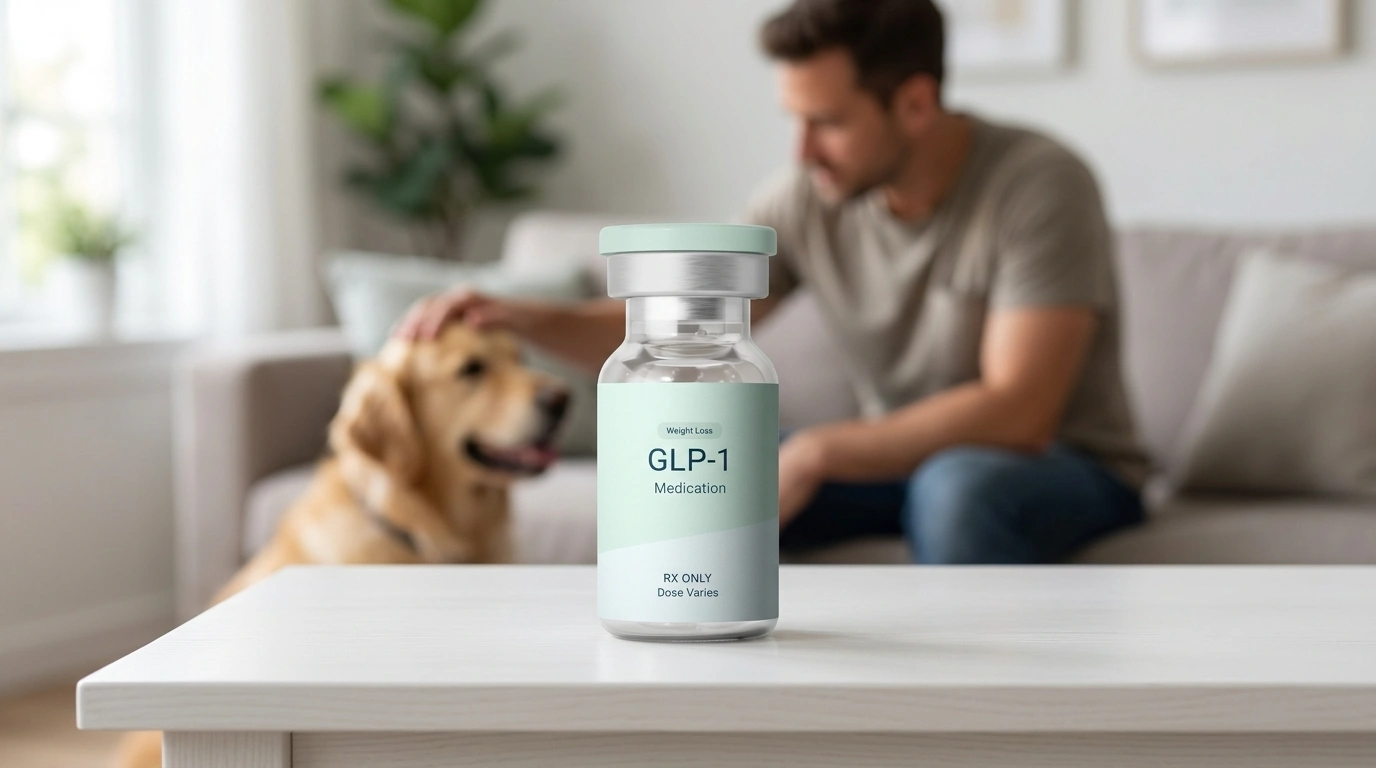
Table of Contents
- Introduction
- The Design and Lifespan of Wegovy Pens
- Refrigeration vs. Room Temperature Storage
- Understanding Expiration Dates
- How to Visually Inspect Your Medication
- Traveling with GLP-1 Medications
- Comparisons to Compounded Alternatives
- Protecting Your Medication from Light
- Managing Your Supply and Dosing Schedule
- Disposal and Environmental Safety
- The TrimRx Difference in Medication Management
- Summary of Storage Best Practices
- Conclusion
- FAQ
Introduction
Standing in front of your refrigerator, holding a box of medication that represents a significant step in your health journey, it is natural to have questions about its shelf life. You might wonder if a brief power outage or a long flight will compromise your treatment. At TrimRx, we believe that understanding the logistics of your medication is just as important as the clinical treatment itself. Knowing how long Wegovy® (branded semaglutide) pens last—and how to store them properly—ensures you get the full benefit of every dose while maintaining the highest safety standards. This guide covers the essential timelines for refrigeration, room temperature storage, and how to identify when a pen is no longer safe to use. We aim to provide the clarity you need to manage your weight loss program with confidence and peace of mind. If you are ready to see whether a personalized program is right for you, you can take the free assessment quiz.
The Design and Lifespan of Wegovy Pens
To understand how long your medication lasts, you first need to understand the delivery system. In the United States, Wegovy® is typically provided as a single-dose pen. This means each pen contains exactly one dose of semaglutide, a glucagon-like peptide-1 (GLP-1) receptor agonist. A GLP-1 receptor agonist is a type of medication that mimics a natural hormone in your body to help regulate appetite and blood sugar. Because these are single-use pens, the question of “how long they last” usually refers to their shelf life before you use them, rather than how many doses you can get out of a single pen.
Most patients receive a box containing four pens, which is intended to cover a 28-day treatment cycle. Each pen is designed to be used once and then disposed of immediately. The medication inside is a protein-based liquid, which makes it sensitive to environmental factors like light, heat, and extreme cold. If stored under ideal conditions, the pens are stable until the expiration date printed on the packaging. However, once a pen is removed from ideal conditions, a different “countdown” begins. For a deeper look at handling and travel basics, see our Semaglutide Storage, Travel & Handling guide.
Refrigeration vs. Room Temperature Storage
Proper temperature control is the most critical factor in maintaining the integrity of your medication. When you first receive your shipment, the medication should ideally go straight into the refrigerator. The manufacturer recommends keeping the pens at a temperature between 36°F and 46°F (2°C to 8°C). When kept within this range, the medication remains effective until the expiration date stamped on the side of the pen or the box.
However, life happens. You might need to travel, or you might accidentally leave a pen on the counter after your weekly injection. If Wegovy® pens are not refrigerated, they can still be used for a limited window of time. If you want a more detailed breakdown of storage timing, our How Long Is Semaglutide Good For guide goes deeper into shelf-life basics.
The 28-Day Room Temperature Rule
Wegovy® pens can last for up to 28 days at room temperature. This room temperature must stay below 86°F (30°C). If a pen has been out of the refrigerator for more than 28 days, it should be discarded, even if it has not reached its official expiration date. This is because the preservatives and the semaglutide molecule itself begin to break down more rapidly when exposed to warmer environments.
Quick Answer: If kept in the refrigerator (36°F–46°F), Wegovy® pens last until the expiration date on the box. If kept at room temperature (up to 86°F), they are only safe to use for up to 28 days.
It is helpful to mark the date on your calendar or set a phone reminder if you choose to keep a pen out of the fridge. For many, keeping the medication in the refrigerator is the simplest way to avoid any confusion or waste. If the medication is ever exposed to temperatures above 86°F, such as being left in a hot car during the summer, it should be considered unsafe and discarded immediately. Our Does Semaglutide Have to Be Refrigerated guide covers the basics in a simple format.
Why Freezing Is Forbidden
You must never allow your medication to freeze. If a Wegovy® pen freezes, the semaglutide molecule can become damaged, rendering the medication ineffective. Even if the pen thaws out afterward, it is no longer safe to use. When storing your pens in the refrigerator, avoid placing them near the cooling element or in the very back of the fridge where temperatures often drop below freezing. If you notice ice crystals in the liquid or if the pen feels frozen to the touch, do not inject the medication and contact your healthcare provider or pharmacist.
Understanding Expiration Dates
The expiration date is a scientific guarantee of the medication’s potency. Every box and individual pen will have an expiration date clearly marked by the manufacturer. This date represents the point at which the company can no longer guarantee that the medication will work as intended. Over time, the chemical bonds in the semaglutide protein can shift, which may result in the medication being less effective at suppressing appetite or managing blood sugar.
Using expired medication is not recommended. While it may not necessarily be “toxic” the day after it expires, the lack of potency means you are not receiving the dosage your provider intended. This can stall your progress and disrupt the consistency of your metabolic health program. Always check the date before you prepare your injection. If you have a box that is nearing its expiration, use those pens first before opening a newer shipment.
Key Takeaway: Temperature stability is the secondary “expiration date.” Even if the box says the medication is good for a year, once it hits room temperature, you only have a 28-day window to use it.
How to Visually Inspect Your Medication
A simple visual check is your last line of defense for safety. Before every injection, you should look through the pen’s inspection window. The liquid inside should be completely clear and colorless. This is a sign that the medication is stable and free from contamination.
If you notice any of the following, do not use the pen:
- Cloudiness: The liquid looks milky or hazy.
- Color Changes: The liquid has turned yellow, brown, or any other tint.
- Particulates: You see small flakes, “floaties,” or crystals inside the liquid.
- Cracks: The pen casing or the glass reservoir inside appears damaged.
When in doubt, it is safer to set the pen aside. Injecting medication that has degraded or become contaminated can lead to site reactions or infections. If you are a participant in a managed program, you can usually reach out to your support team or a licensed healthcare provider to discuss what to do with a suspicious-looking pen.
Traveling with GLP-1 Medications
Maintaining the “cold chain” during travel requires a bit of planning. If you are going on a short trip—less than 28 days—you can simply carry your pens at room temperature, provided they stay below 86°F. This is often the easiest path for domestic travel or quick vacations.
For longer trips or travel to very hot climates, you should consider a specialized medical cooling case. These cases are designed to keep pens within the required 36°F to 46°F range for several hours. When flying, always keep your medication in your carry-on luggage. The cargo hold of an airplane can experience extreme temperature fluctuations, ranging from freezing to excessive heat, which can easily ruin your pens. Additionally, keeping the medication with you ensures it doesn’t get lost if your checked luggage is delayed. For a related overview, our Storing Your Weight Loss Medication guide walks through common travel questions.
TSA regulations allow for medical liquids and syringes. You do not need to worry about your pens being confiscated at security. It is helpful to keep the pens in their original packaging with the prescription label attached to prove they were prescribed to you. You can simply inform the TSA agent that you are carrying injectable medication, and they will typically process it without issue.
Comparisons to Compounded Alternatives
The storage rules for Wegovy® may differ from other forms of semaglutide. While Wegovy® comes in a branded, single-dose pen, some individuals access semaglutide through different formats. At TrimRx, we connect patients with licensed providers who may prescribe compounded semaglutide or compounded tirzepatide. These medications are prepared by FDA-registered, inspected compounding pharmacies.
Compounded medications often arrive in a multi-dose vial rather than a single-dose pen. Because the vial is punctured multiple times with a fresh needle for each dose, the storage requirements are even more strict to prevent bacterial growth. While branded Wegovy® pens can sit out for 28 days, compounded vials almost always require constant refrigeration. If you are comparing home storage options, our How to Store Compounded Semaglutide or Tirzepatide at Home guide is a helpful companion.
Note: Compounded semaglutide and compounded tirzepatide are not FDA-approved. They are customized medications prepared for individual patients when a provider determines it is medically appropriate.
If you are using a compounded version of the medication, always follow the specific storage instructions provided by the compounding pharmacy, as they may differ from the branded pen guidelines. Understanding these differences is a key part of staying safe while pursuing a personalized treatment plan.
Protecting Your Medication from Light
Light exposure is an often-overlooked factor in medication degradation. The semaglutide molecule is sensitive to UV light. This is why the pens are made with opaque plastic and why they come in a cardboard box. You should keep your pens in their original box until you are ready to use them.
Storing your medication on a sunny windowsill or under bright fluorescent lights for extended periods can cause the liquid to break down faster than it would in the dark. Even when keeping a pen out at room temperature for the 28-day window, find a cool, dark drawer or a kitchen cabinet away from the stove and direct sunlight.
Managing Your Supply and Dosing Schedule
The “lifespan” of your medication also depends on your specific dosing schedule. Most people start on a low dose, such as 0.25 mg once a week, and gradually increase every four weeks. Because each pen in a Wegovy® box is pre-filled with a specific dose, you cannot “save” medication if you decide to take a lower dose than what is in the pen. The pen is calibrated to deliver the full amount in one click.
If you miss a dose, your timeline might shift. Generally, if your next scheduled dose is more than two days away, you can take the missed dose as soon as you remember. If it is less than two days away, you should skip the missed dose and return to your regular schedule. Never take two doses at once to make up for a missed one. Because the pens are shelf-stable in the fridge, a skipped dose doesn’t mean the medication is wasted; it simply stays in your refrigerator until you are ready for the next week. However, keep an eye on the expiration date if you find yourself falling behind on your schedule.
Disposal and Environmental Safety
A pen’s life ends with proper disposal. Once the injection is complete and the yellow bar in the pen window has stopped moving, the pen is empty. Even though the needle is retracted or shielded in many designs, it is still considered “sharps” waste.
Do not throw used pens into your regular household trash or recycling bins. This poses a needle-stick risk to sanitation workers. Instead, use an FDA-cleared sharps disposal container. If you do not have a formal sharps container, you can use a heavy-duty plastic household container, such as a laundry detergent bottle with a screw-on lid. Once the container is full, follow your local community guidelines for safe disposal. Many pharmacies and hospitals offer “take-back” programs for sharps.
The TrimRx Difference in Medication Management
Navigating the world of GLP-1 medications can feel overwhelming, especially when you are balancing storage rules, dosing schedules, and lifestyle changes. We aim to simplify this process. Our platform provides a telehealth-first approach, meaning you can consult with licensed healthcare providers from the comfort of your home. If you want extra support alongside your routine, you can explore our GLP-1 Daily Support supplement or our Weight Loss Boost supplement.
When you participate in a program through us, you aren’t just getting a prescription; you are getting a dedicated team of specialists. We help you understand the nuances of your treatment, from how to store your medication to managing potential side effects. Whether you are using branded medications like Wegovy®, Ozempic®, or Mounjaro®, or you are utilizing compounded options through our partner pharmacies, we provide the resources to ensure your journey is safe and sustainable. If you are ready to see whether a personalized program is a fit, you can complete the free assessment quiz.
Summary of Storage Best Practices
To ensure your medication remains effective for the duration of its lifespan, follow these steps:
- Step 1: Check the delivery. Upon arrival, immediately inspect the pens for damage and check the expiration date on the box.
- Step 2: Refrigerate immediately. Store the pens in the refrigerator between 36°F and 46°F. Keep them in the original box to protect them from light.
- Step 3: Monitor the 28-day window. If a pen is removed from the fridge, mark the date. Ensure it is used within 28 days and kept below 86°F.
- Step 4: Inspect before use. Always look for clarity and lack of color in the medication window before injecting.
- Step 5: Dispose of safely. Use a dedicated sharps container for every used pen.
Bottom line: Your Wegovy® pens are durable but require specific conditions to stay effective. Refrigeration is best for long-term storage, while the 28-day room temperature allowance provides flexibility for travel and daily life.
Conclusion
Success in a weight loss journey is built on consistency and knowledge. Understanding how long Wegovy® pens last is a vital piece of that puzzle, ensuring that every dose you take is potent and safe. By following the 28-day room temperature rule and prioritizing refrigeration, you protect your health and your progress. At TrimRx, our mission is to support you through every step of this process with science-backed guidance and a personalized approach that fits your life. We believe that modern weight loss should be transparent, accessible, and empathetic. If you are ready to take the next step toward a healthier version of yourself, we invite you to begin with our free assessment quiz to see which personalized program is right for you.
FAQ
Can I use a Wegovy pen if it was left in a hot car?
If the temperature in the car exceeded 86°F, the medication should be discarded immediately. Heat can rapidly break down the semaglutide protein, making it ineffective and potentially unsafe. Always store your pens in a cool, dark place and use a cooling case if traveling in high temperatures.
What happens if my Wegovy pen accidentally freezes?
If a Wegovy® pen freezes, it is no longer safe to use, even after it thaws. Freezing temperatures damage the chemical structure of the medication. If you see ice in the pen or suspect it has reached freezing temperatures in your refrigerator, you should discard the pen and contact your provider for a replacement. For more context on handling and storage, you can review our Semaglutide Storage, Travel & Handling guide.
Does Wegovy expire if it stays in the refrigerator the whole time?
Yes, Wegovy® will eventually expire even if kept perfectly refrigerated. You should always check the expiration date printed on the pen or the box by the manufacturer. Once that date passes, the medication may lose its potency and should not be used.
Why does Wegovy only last 28 days at room temperature?
The 28-day limit is based on stability testing conducted by the manufacturer. After 28 days outside of controlled refrigeration, the preservatives may weaken and the semaglutide molecule can begin to degrade. This window ensures the medication remains effective and sterile for the duration of its use.
Disclaimer: This content is for informational purposes only and does not constitute medical advice. It is not intended to diagnose, treat, cure, or prevent any disease or condition. Individual results may vary. Always consult a qualified healthcare professional before starting any weight loss program or medication.

Transforming Lives, One Step at a Time
Keep reading

Wegovy Alternatives: What Else Works for Weight Loss
If Wegovy isn’t working out, the strongest alternative is tirzepatide (Zepbound), which tends to produce more weight loss, followed by other GLP-1 options and…

VK2735 vs Wegovy: Investigational Contender vs Proven Semaglutide
VK2735 and Wegovy sit at different stages of development. VK2735, an investigational drug from Viking Therapeutics, comes in both injectable and oral forms and…
Mazdutide vs Wegovy: How the Two Compare
Mazdutide and Wegovy are both injectable weight-loss drugs, but they are worlds apart on availability. Mazdutide, a dual glucagon and GLP-1 agonist, is approved…


