How Long Do You Stay on 2.5 mg Zepbound?
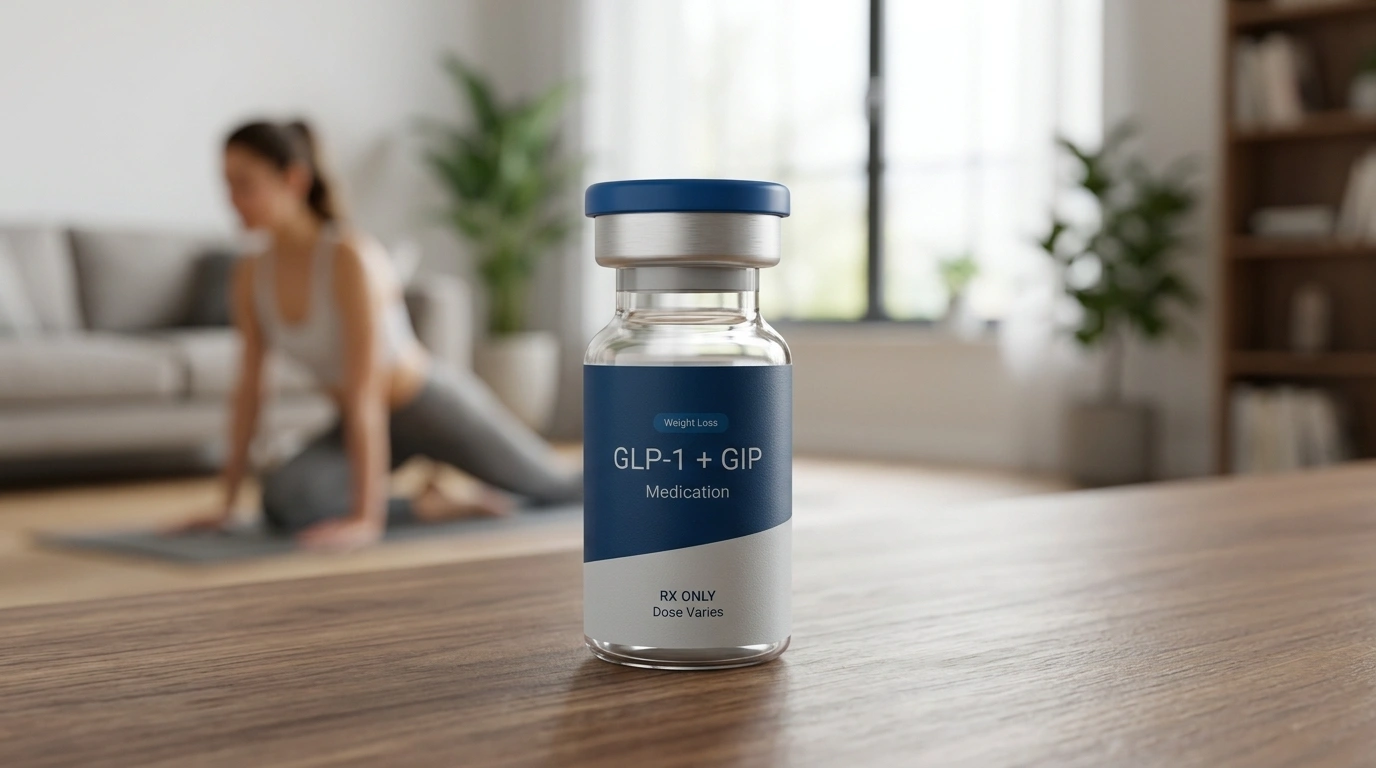
Table of Contents
- Introduction
- The Purpose of the 2.5 mg Starting Dose
- The Standard Four-Week Protocol
- Why Some People Stay on 2.5 mg Longer
- Signs It Is Time to Increase Your Dose
- The Role of Personalized Clinical Supervision
- Managing the Transition and Side Effects
- Understanding Branded vs. Compounded Options
- Comparing Tirzepatide and Semaglutide Titration
- Biological Mechanisms: Why the Body Needs 4 Weeks
- Long-Term Outlook After the 2.5 mg Phase
- How to Get Started with TrimRx
- Conclusion
- FAQ
Introduction
Starting a new weight loss medication often brings a mix of excitement and uncertainty, especially when navigating the specifics of dosing schedules. If you have recently begun your journey with Zepbound®, you are likely curious about the 2.5 mg dose and how long you should remain at this initial level before moving forward. At TrimRx, we understand that clarity is essential for success, as the “initiation phase” of treatment sets the foundation for your long-term metabolic health. This post will cover the standard clinical protocols for the 2.5 mg dose, the biological reasons behind titration, and how your healthcare provider determines the right time for you to increase your dosage. Ultimately, the 2.5 mg dose is designed as a starting point to help your body adjust to the medication before you move toward more therapeutic levels.
The Purpose of the 2.5 mg Starting Dose
The 2.5 mg dose of Zepbound®—a branded version of the medication tirzepatide—is officially classified as an “initiation dose.” Tirzepatide is a dual-acting medication that mimics two naturally occurring hormones in the body: glucagon-like peptide-1 (GLP-1) and glucose-dependent insulinotropic polypeptide (GIP). These hormones work together to regulate appetite, slow stomach emptying, and improve how the body processes sugar.
Because these hormones significantly impact the digestive system, introducing them too quickly can overwhelm the body. The primary goal of the 2.5 mg dose is not necessarily to achieve maximum weight loss immediately, but rather to allow your gastrointestinal tract and metabolic pathways to adapt to the presence of the medication. This introductory period helps minimize potential side effects and ensures that your body can tolerate the drug safely before higher concentrations are introduced.
Quick Answer: Most individuals stay on the 2.5 mg dose of Zepbound® for exactly four weeks. This period serves as an initiation phase to build tolerance before the healthcare provider typically increases the dose to 5 mg.
For additional context on the medication’s starting schedule, review this tirzepatide dosing guide.
The Standard Four-Week Protocol
According to the clinical guidelines established by the manufacturer and the results of various clinical trials, the standard duration for the 2.5 mg dose is four weeks. During these first 28 days, you will typically administer one subcutaneous injection per week.
After this initial month, the protocol generally suggests moving up to the 5 mg dose. The titration schedule is often structured in four-week increments. For example, a common path involves four weeks at 2.5 mg, followed by at least four weeks at 5 mg. If further weight loss is needed and the medication is well-tolerated, a provider may continue to increase the dose in 2.5 mg increments until an effective maintenance dose is reached.
Typical Titration Path:
- Month 1: 2.5 mg (Initiation)
- Month 2: 5 mg (First therapeutic dose)
- Month 3: 7.5 mg (If needed and tolerated)
- Month 4: 10 mg (If needed and tolerated)
Key Takeaway: The 2.5 mg dose is a temporary bridge meant to prepare your system for therapeutic levels; it is rarely used as a long-term maintenance dose for weight management.
Why Some People Stay on 2.5 mg Longer
While the four-week rule is the standard, medicine is never one-size-fits-all. Some individuals may stay on the 2.5 mg dose for longer than one month based on the clinical judgment of their healthcare provider.
Exceptional Sensitivity or Side Effects
If an individual experiences significant side effects during the first few weeks, such as persistent nausea or digestive upset, a provider might recommend staying at the 2.5 mg level for an additional month. This gives the body more time to reach a steady state of comfort before increasing the metabolic demand.
Read more about tirzepatide side effects and how to manage them.
Early and Significant Response
In rare cases, an individual might show a profound response to the 2.5 mg initiation dose. If weight loss is occurring at a healthy, steady rate and appetite suppression is optimal without moving up, a provider might decide to delay the increase. However, because 2.5 mg is not considered a therapeutic dose for chronic weight management in clinical studies, this is less common than the standard titration.
Supply and Logistics
External factors, such as medication shortages or insurance requirements, sometimes dictate how long a patient remains on a specific dose. In these instances, maintaining the current dose is often preferred over interrupting treatment entirely.
Signs It Is Time to Increase Your Dose
The transition from 2.5 mg to 5 mg is a significant step in the weight loss journey. For most people, the four-week mark is the natural transition point, but there are specific physiological cues that indicate your body is ready for the next level.
Reduction in Appetite Suppression
The most common sign that the initiation dose has served its purpose is the return of “food noise”—the intrusive, frequent thoughts about eating or the return of physical hunger cues that were previously silenced. If you find that the effects of the medication seem to “wear off” several days before your next scheduled injection, it may be a sign that your body has adapted and requires a higher dose to maintain metabolic momentum.
Weight Loss Plateaus
While weight loss can occur on the 2.5 mg dose, it is often modest compared to the higher doses. If your weight remains stagnant for several weeks during the initiation phase, it is usually because the 2.5 mg dose is not yet at a level high enough to overcome the body’s natural resistance to weight loss.
Explore this guide to what happens when you increase your tirzepatide dose.
Minimal Side Effects
If you have completed your first four weeks with little to no gastrointestinal distress, it is a strong clinical indicator that your body has successfully adapted. This tolerance is the “green light” most providers look for before moving you to the 5 mg dose.
The Role of Personalized Clinical Supervision
Choosing when to move from the 2.5 mg dose should never be a solo decision. At TrimRx, we believe that personalized programs are the safest and most effective way to navigate these transitions. Through our platform, patients connect with licensed providers who review their progress, side effect profiles, and health history before adjusting a prescription.
A telehealth-based approach allows for frequent check-ins without the need for in-person waiting rooms. This constant access to a dedicated team means that if you are struggling with the 2.5 mg dose or feel ready to move up early, you have a professional guide to help you make that call based on data rather than guesswork.
If you are considering a medically supervised prescription program, you can complete a free eligibility assessment.
Note: Always consult with your licensed healthcare provider before making any changes to your medication schedule or dosage. Never attempt to “split” doses or alter the timing of your injections without professional guidance.
Managing the Transition and Side Effects
As you prepare to move beyond the 2.5 mg dose, it is important to have a strategy for managing the transition. Even if you felt fine on the starting dose, a dose increase can sometimes trigger new or returning symptoms as the body adjusts to the higher concentration of the medication.
Hydration and Nutrition
Staying hydrated is critical when using GLP-1 and GIP receptor agonists. Dehydration can worsen nausea and fatigue. Focus on small, frequent meals that are high in protein and low in heavy fats, which can stay in the stomach longer and cause discomfort.
Nutritional Support
Many people find that supplementary support can help manage the day-to-day experience of being on a weight loss medication. For instance, our GLP-1 Daily Support supplement is designed to help bridge nutritional gaps and support digestive comfort during the titration process. Additionally, our Weight Loss Boost supplement can provide extra metabolic support as you transition to therapeutic doses.
Monitoring Your Progress
Keep a simple log of how you feel each day, especially in the 48 hours following an injection. Note any changes in hunger, energy levels, or digestive symptoms. Sharing this log with your provider during your TrimRx check-ins can help them tailor your program to your specific needs.
For more information about symptom timing, read when nausea starts with tirzepatide.
Understanding Branded vs. Compounded Options
When discussing doses like 2.5 mg, it is important to distinguish between branded medications and compounded alternatives. Zepbound® is a branded medication that comes in a pre-filled single-dose pen. Because of high demand and occasional supply chain issues, some patients may find it difficult to access specific doses of branded medications at their local pharmacy.
Compounded Tirzepatide
Through the TrimRx platform, patients may be prescribed compounded tirzepatide. Compounded medications are prepared by FDA-registered, inspected compounding pharmacies. They contain the same active ingredient as the branded versions but are mixed specifically for the patient.
One benefit of compounded medications is the potential for more flexible dosing if a provider deems it medically necessary. For example, if a patient is highly sensitive, a provider might use a compounded formulation to increase the dose more gradually than the standard 2.5 mg increments allow.
Bottom line: Whether you are using branded Zepbound® or compounded tirzepatide, the 2.5 mg dose remains the standard starting point for the first four weeks of treatment for the vast majority of patients.
Comparing Tirzepatide and Semaglutide Titration
It is helpful to understand how the 2.5 mg dose of Zepbound® (tirzepatide) compares to the starting doses of other common GLP-1 medications like Wegovy® or Ozempic® (semaglutide).
| Feature | Tirzepatide (Zepbound®) | Semaglutide (Wegovy®) |
|---|---|---|
| Starting Dose | 2.5 mg | 0.25 mg |
| Standard Duration | 4 Weeks | 4 Weeks |
| Mechanism | GLP-1 & GIP Receptors | GLP-1 Receptor Only |
| Typical Next Step | 5 mg | 0.5 mg |
| Purpose | Initiation/Tolerance | Initiation/Tolerance |
While the numbers look different (2.5 vs. 0.25), the clinical intent is identical: to introduce the body to the hormone mimicry at a sub-therapeutic level to prevent severe gastrointestinal side effects.
Biological Mechanisms: Why the Body Needs 4 Weeks
The four-week period is not an arbitrary number. It is based on the “half-life” of the medication. The half-life of tirzepatide is approximately five days. This means that after your first injection, a portion of the medication remains in your system when you take your second dose.
By the end of the fourth week, the concentration of the medication in your bloodstream reaches a “steady state.” At this point, your body has processed the 2.5 mg level enough that the healthcare provider can predict how you will respond to a higher dose. If you were to skip this month of initiation, the sudden jump to 5 mg or 7.5 mg could lead to acute vomiting, severe nausea, or dehydration, which could force you to stop the medication entirely.
Learn more about why tirzepatide causes nausea.
Long-Term Outlook After the 2.5 mg Phase
Once you move past the 2.5 mg initiation phase, you are entering the “therapeutic” stage of your journey. This is where the most significant changes in metabolic health usually occur.
Sustainable Weight Loss
The goal of moving to 5 mg and beyond is to find the lowest effective dose that helps you lose weight at a sustainable rate—typically 1 to 2 pounds per week. Sustainable weight loss is not just about the number on the scale; it is about improving insulin sensitivity, reducing inflammation, and building healthier habits that will last a lifetime.
Lifestyle Integration
Medication is a powerful tool, but it works best when combined with lifestyle changes. During your first month on 2.5 mg, it is an ideal time to begin establishing a routine of regular movement and mindful eating. Because the 2.5 mg dose is relatively gentle, you can use this month to focus on your habits before the more intense appetite suppression of higher doses kicks in.
How to Get Started with TrimRx
If you are ready to begin your journey or have questions about which dosage is right for you, the first step is a professional assessment. We have streamlined the process to make it as accessible and transparent as possible.
The Onboarding Process:
- Free Assessment Quiz: You will complete a detailed health questionnaire that covers your medical history, weight loss goals, and any previous experiences with GLP-1 medications.
- Provider Review: A licensed healthcare provider will review your profile to determine if you are a candidate for a prescription program.
- Personalized Plan: If eligible, you will receive a personalized treatment plan. This includes your prescription, which is sent to an FDA-registered compounding pharmacy.
- Ongoing Support: You will have 24/7 access to specialists and regular check-ins to monitor your progress and manage your dose titration.
Our mission is to help individuals embrace healthier lifestyles through science, empathy, and a transparent, personalized approach to sustainable weight loss. We believe that by providing medical supervision and high-quality medications without the barriers of traditional doctor’s offices, we can help more people achieve their health goals.
Conclusion
The 2.5 mg dose of Zepbound® is a vital first step in a much larger journey toward better metabolic health. While most people will stay on this initiation dose for four weeks, the exact timing depends on your individual response, tolerability, and the guidance of your healthcare provider. This month is about more than just the scale; it is about allowing your body to adapt safely so that you can succeed at higher therapeutic doses later on.
Key Takeaway: Treat the 2.5 mg dose as a foundation-building phase. Use this time to monitor your body’s signals and prepare for the transition to 5 mg, ensuring you have the clinical support needed to navigate the change effectively.
By choosing a personalized program, you ensure that your titration schedule is handled with care and professional expertise. Whether you are dealing with early side effects or feeling ready for a higher dose, the right support system makes all the difference in achieving sustainable results. Take the free assessment quiz to explore whether a personalized program may be appropriate for you.
FAQ
Can I stay on the 2.5 mg dose of Zepbound® forever if I am losing weight?
While some individuals may see early results on 2.5 mg, it is not considered a therapeutic dose for long-term weight management in clinical guidelines. Most healthcare providers will recommend moving to at least 5 mg to ensure the metabolic benefits are sustained and to prevent a weight loss plateau.
What happens if I miss a dose of 2.5 mg during my first month?
If you miss a dose, you should typically take it as soon as you remember, provided the next scheduled dose is more than two days away. If it is almost time for your next dose, skip the missed one and continue with your regular schedule; never take two doses at once to make up for a missed one.
For broader guidance, review this tirzepatide dosing and missed-dose guide.
Is it normal to not lose any weight while on the 2.5 mg starting dose?
Yes, it is completely normal to experience little to no weight loss during the first four weeks. The 2.5 mg dose is intended to help your body adjust to the medication and build tolerance, rather than to drive significant weight reduction immediately.
Will the side effects get worse when I move from 2.5 mg to 5 mg?
Some people experience a temporary return or increase in mild side effects, like nausea or indigestion, when moving to a higher dose. This is why the four-week initiation period at 2.5 mg is so important, as it helps minimize the intensity of these symptoms during the transition.
If you are unsure whether a prescription program is appropriate for you, find out if GLP-1 medications may be right for you.
Disclaimer: This content is for informational purposes only and does not constitute medical advice. It is not intended to diagnose, treat, cure, or prevent any disease or condition. Individual results may vary. Always consult a qualified healthcare professional before starting any weight loss program or medication.

Transforming Lives, One Step at a Time
Keep reading

Why Is There a Bruise Where I Injected My Zepbound?
A bruise means a small blood vessel was disturbed under the skin and blood spread into the surrounding tissue. It is one of the…

My Zepbound Pen Won’t Click Past a Certain Dose
Start by checking which device you are holding, because the answer depends entirely on that. Zepbound has commonly been supplied in the United States…

Zepbound Alternatives: Your Options Compared
If Zepbound isn’t the right fit, the main alternative is semaglutide (sold as Wegovy), which produces slightly less weight loss but works similarly, along…


