How to Prevent Zepbound Injection Site Reaction
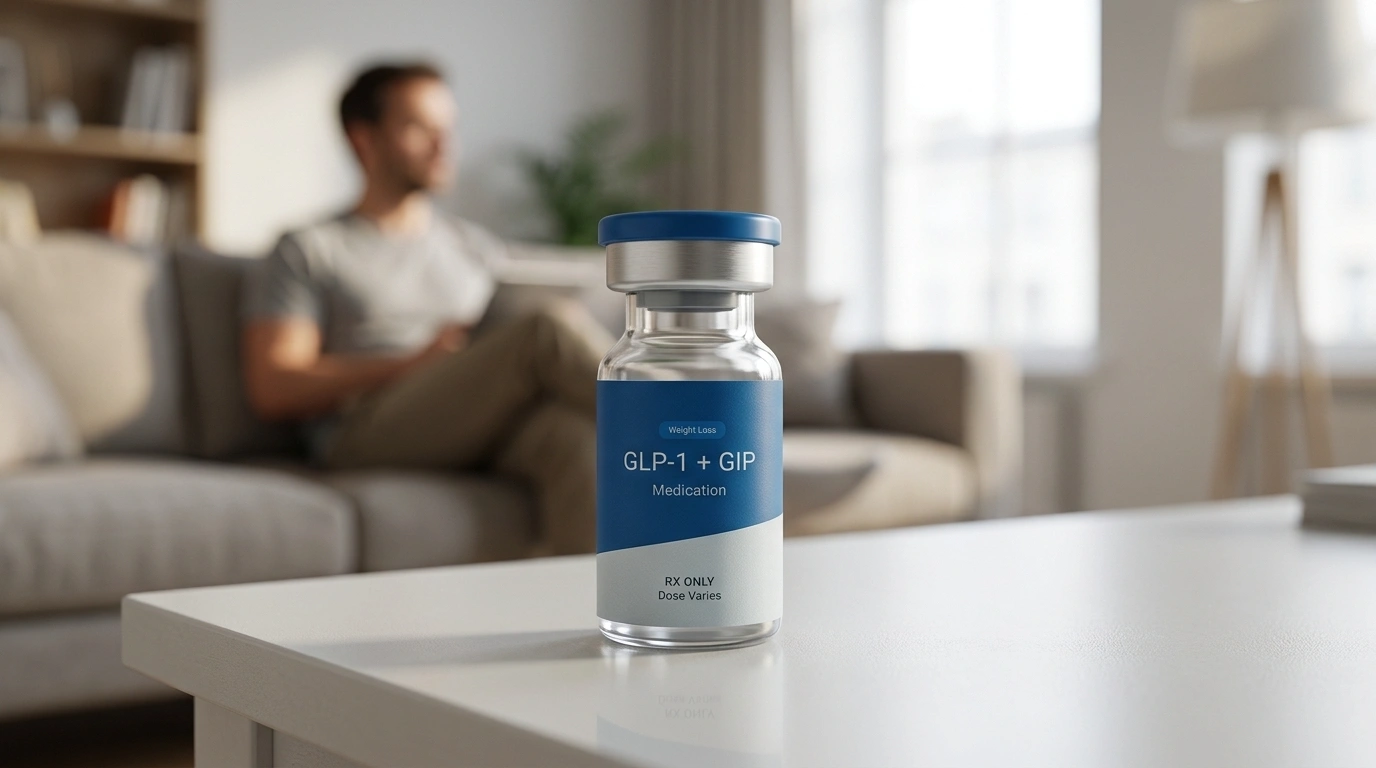
Table of Contents
- Introduction
- Understanding the Injection Site Reaction
- Preparation Strategies to Reduce Irritation
- Proper Injection Technique
- Aftercare and Management
- Distinguishing Reactions from Serious Allergies
- The Role of Personalized Programs
- Optimizing Your Environment
- Using Supplements for Skin and Immune Support
- Summary of Prevention Steps
- Conclusion
- FAQ
Introduction
Starting a weight loss journey with a medication like Zepbound® is a significant step toward better metabolic health, but it often comes with a learning curve. Many individuals find that while they are excited about the progress they are making, the physical act of the injection can lead to unexpected skin irritation, redness, or itching. These localized responses, known as injection site reactions, are one of the most common hurdles patients face in the first few weeks of treatment.
At TrimRx, we believe that the best way to maintain consistency in your program is to minimize the small frustrations that can disrupt your daily life. This post covers why these reactions happen and provides a clear, step-by-step strategy for reducing skin irritation. By refining your technique and preparation, you can focus on your health goals rather than the discomfort of a red patch. If you are ready to see whether a personalized program may be a fit, you can take the free assessment quiz.
Understanding the Injection Site Reaction
An injection site reaction is a localized immune response that occurs at the point where the needle enters the skin. For many, this looks like a small red circle, a raised bump, or a patch of skin that feels slightly itchy or warm to the touch. It is important to remember that these reactions are usually limited to the immediate area of the injection and typically resolve within a few days.
Zepbound® contains Tirzepatide, which is a dual GIP (glucose-dependent insulinotropic polypeptide) and GLP-1 (glucagon-like peptide-1) receptor agonist. A receptor agonist is a type of medication that mimics a natural hormone in the body to produce a specific response, in this case, regulating appetite and blood sugar. Because these medications are proteins, your immune system may occasionally recognize the substance as “foreign” at the site of entry, triggering a minor inflammatory response. For a broader foundation on how these medications work, our guide to what GLP-1 is and how it works can help set the stage.
Common Symptoms of a Reaction
Most people who experience a reaction will notice symptoms shortly after the injection or within 24 hours. These symptoms are generally mild and do not indicate that the medication is not working.
- Redness or Erythema: The skin may appear pink or red in a circular pattern around the injection point.
- Itching (Pruritus): This is one of the most common complaints and is often caused by a localized release of histamine.
- Swelling or Induration: The area might feel slightly firm or raised compared to the surrounding skin.
- Warmth: The site may feel warmer than the rest of your body as blood flow increases to the area to manage the inflammation.
Key Takeaway: Injection site reactions are common localized immune responses to the medication and usually do not mean you are having a dangerous allergic reaction or that the drug is ineffective.
Preparation Strategies to Reduce Irritation
Prevention begins long before the needle touches your skin. How you store and handle your medication can significantly impact how your skin reacts to the fluid being introduced into the subcutaneous tissue (the fatty layer just beneath the skin).
Temperature Control
One of the leading causes of discomfort during an injection is the temperature of the liquid. Zepbound® is typically stored in the refrigerator to maintain its stability. However, injecting cold liquid into warm body tissue can be shocking to the nerves and may increase the likelihood of a localized inflammatory response.
To prevent this, remove your medication from the refrigerator about 30 to 60 minutes before you plan to use it. Allowing the pen to reach room temperature makes the liquid less viscous and more compatible with your body’s internal environment. Never use external heat sources like a microwave or hot water to warm the pen, as this can damage the medication.
Skin Sanitization and Drying
While using an alcohol swab is essential for preventing infection, the alcohol itself can be an irritant if it is “dragged” into the skin by the needle.
- Step 1: Clean the chosen area thoroughly with a fresh alcohol prep pad.
- Step 2: Wait at least 30 seconds for the alcohol to air dry completely.
- Step 3: Do not blow on the site to speed up the drying process, as this can introduce bacteria.
If the skin is still wet when you inject, the needle can push the alcohol into the deeper layers of the dermis, causing a stinging sensation and increasing the risk of a red, itchy patch.
Proper Injection Technique
The way you physically administer the medication plays a massive role in skin health. Even with a high-quality delivery system, improper technique can cause “micro-trauma” to the skin and underlying fat, which signals the immune system to react.
The Power of Site Rotation
Injecting into the exact same spot every week is a recipe for skin irritation and a condition called lipohypertrophy, where the fatty tissue becomes firm and scarred. Scarred tissue does not absorb medication as effectively and is more prone to inflammation.
You should rotate your injection sites every single week. The most common areas for GLP-1 and GIP injections are the abdomen (at least two inches away from the belly button), the front of the thighs, and the back of the upper arm. If you want a deeper look at site selection, see our GLP-1 injection sites guide.
Managing Depth and Pressure
If you are using the branded Zepbound® auto-injector, the device is designed to handle the depth for you. However, many patients on a personalized program through a platform like ours may use Compounded Tirzepatide. Compounded medications are prepared by FDA-registered, inspected compounding pharmacies and are often delivered via a traditional vial and syringe.
When using a syringe, it is important to:
- Insert the needle at a 90-degree angle (straight in).
- Use a quick, firm motion rather than pushing slowly.
- Avoid “massaging” or rubbing the site immediately after the injection, as this can push the medication into the skin layers rather than the fat, increasing irritation.
Quick Answer: To prevent a Zepbound® reaction, let the medication reach room temperature, allow the alcohol to dry completely on your skin, and rotate your injection site every week to avoid tissue irritation.
Aftercare and Management
If you have followed all the preparation steps and still notice a reaction, there are several ways to manage the symptoms and prevent them from worsening.
Immediate Cooling
Applying a cold compress or an ice pack to the area for 5–10 minutes after the injection can help constrict blood vessels and reduce the initial inflammatory surge. This is particularly helpful for those who experience swelling or warmth at the site. Ensure you wrap the ice pack in a thin towel to avoid direct “ice burn” on the skin.
Over-the-Counter Options
If itching is your primary concern, some patients find relief using a small amount of over-the-counter hydrocortisone cream or a topical antihistamine. However, it is vital to consult with a licensed healthcare provider before adding any new medications to your routine, even topical ones. They can help determine if an oral antihistamine taken an hour before your injection might be a suitable preventative measure for you.
Bottom line: Cooling the site and using site rotation are the most effective ways to manage the physical symptoms of a localized reaction.
Distinguishing Reactions from Serious Allergies
While a small red bump is usually nothing to worry about, it is critical to know the difference between a localized injection site reaction and a systemic allergic reaction. A localized reaction stays at the site of the needle prick. A systemic reaction affects the whole body and requires immediate medical attention.
Seek emergency medical care if you experience:
- Swelling of the face, lips, tongue, or throat.
- Difficulty breathing or swallowing.
- A widespread rash or hives that appear far away from the injection site.
- A rapid heartbeat or feeling of faintness.
Fortunately, severe allergic reactions to Tirzepatide are rare. Most issues are confined to the skin and can be managed with the techniques described above. If your localized reaction is getting significantly larger with each dose—for example, moving from the size of a dime to the size of a dinner plate—this is a sign that you should speak with your provider to discuss your options. If you want to see whether prescription GLP-1 treatment is the right next step, you can take the free assessment quiz.
The Role of Personalized Programs
One of the benefits of using a telehealth platform like TrimRx is that you are not navigating these side effects alone. When you participate in a personalized program, you have access to a dedicated team of specialists who can help you troubleshoot your injection technique.
We understand that every person’s skin and body chemistry are different. Some people may react to the preservative chemicals used in certain branded pens, while others may find that the flexibility of using a manual syringe with compounded Tirzepatide allows for a more comfortable experience. Our goal is to provide the science-backed tools and empathy needed to make your weight loss journey as smooth as possible. For a closer look at self-injection technique, our complete tirzepatide injection guide is a helpful next step.
Myth: A red mark at the injection site means the medication is “leaking” out.
Fact: The redness is actually your immune system reacting to the presence of the medication in the tissue, not the medication leaving your body. As long as you followed the injection instructions, the medication is being absorbed.
Optimizing Your Environment
Beyond the injection itself, your overall skin health and environment can play a role in how you react.
- Hydration: Dehydrated skin is often more sensitive and prone to irritation. Maintaining high water intake supports skin elasticity and recovery.
- Avoid Tight Clothing: After an injection, avoid wearing tight waistbands or restrictive clothing over the site. Friction can turn a minor irritation into a painful rash.
- Time of Day: Some patients find that injecting in the evening allows the initial “peak” of a skin reaction to happen while they are asleep, reducing the urge to itch or rub the area during the day.
Using Supplements for Skin and Immune Support
While the injection technique is the most important factor, supporting your body’s natural inflammatory response can also be beneficial. Some individuals choose to use targeted nutrition to support their skin’s barrier.
Our GLP-1 Daily Support supplement is designed to complement your medication by providing essential nutrients that may be lacking during a caloric deficit. While it isn’t a direct “cure” for injection site reactions, maintaining optimal micronutrient levels can support overall skin health and the body’s ability to heal from minor irritations. For another look at how these reactions can show up, our guide on why Zepbound injection sites get itchy and swollen is worth a read.
Summary of Prevention Steps
To ensure the best experience with your weight loss medication, follow this consistent routine every week:
- Acclimation: Take the medication out of the fridge 30 minutes prior to use.
- Selection: Choose a new spot at least two inches away from last week’s site.
- Sanitization: Clean with alcohol and let it dry completely.
- Execution: Inject at a 90-degree angle with a steady hand.
- Recovery: Apply a cold compress if the area feels warm or itchy, and avoid rubbing.
By following these steps, most patients find that their injection site reactions either disappear entirely or become so mild that they no longer interfere with their daily routine.
Conclusion
Managing injection site reactions is a small but vital part of a successful weight loss program. While the redness and itching can be annoying, they are usually a sign that your body is adjusting to the powerful effects of Tirzepatide. By focusing on temperature control, proper site rotation, and skin preparation, you can significantly reduce these side effects.
At TrimRx, we are committed to helping you navigate every aspect of your metabolic health journey. We believe that weight loss is more than just a number on a scale; it is about feeling comfortable and confident in your own skin. Whether you are using Zepbound®, Wegovy®, or a compounded medication, having a supportive team behind you makes all the difference. If you are ready to take the next step toward a healthier version of yourself, you can complete the free assessment quiz.
Key Takeaway: Small adjustments to your injection routine—like letting the medication warm up and rotating sites—are often all that is needed to prevent bothersome skin reactions and keep your weight loss progress on track.
The first step in any successful program is understanding your unique health profile. We invite you to complete our free assessment quiz to see which personalized treatment options may be right for you.
FAQ
Why does my injection site itch several hours after the dose?
This is a delayed localized immune response where your body releases histamines in the area of the injection. It is very common with GLP-1 and GIP medications and usually peaks within 24 to 48 hours before fading. If you want to understand the broader treatment process before getting started, you can take the free assessment quiz.
Can I use an alcohol wipe after the injection to stop the itching?
It is best to avoid using an alcohol wipe after the injection, as the alcohol can further irritate the open “micro-channel” created by the needle. Instead, use a cold compress or a gentle, fragrance-free moisturizer if the skin is dry. For another practical breakdown of injection-site care, see our Zepbound injection reaction guide.
Does a skin reaction mean the medication isn’t working?
No, a skin reaction is independent of the medication’s metabolic effects. The redness occurs in the skin layers, while the medication is absorbed into the bloodstream to work on your appetite and insulin levels. If you are still deciding whether a program is right for you, take the free assessment quiz.
Should I be worried if the red bump lasts for a week?
It is common for some discoloration to linger for up to a week as the skin heals. However, if the area becomes increasingly painful, starts oozing, or you develop a fever, you should contact a healthcare professional to rule out a localized infection. For more detail on when swelling may need attention, our article on Zepbound injection site swelling can help.
Disclaimer: This content is for informational purposes only and does not constitute medical advice. It is not intended to diagnose, treat, cure, or prevent any disease or condition. Individual results may vary. Always consult a qualified healthcare professional before starting any weight loss program or medication.

Transforming Lives, One Step at a Time
Keep reading

Can You Lower Your Zepbound Dose Without Losing Your Progress?
Often yes, and the honest caveat is that the evidence for dose reduction specifically is thinner than the evidence for stopping. We know a…
Why Is There a Bruise Where I Injected My Zepbound?
A bruise means a small blood vessel was disturbed under the skin and blood spread into the surrounding tissue. It is one of the…
My Zepbound Pen Won’t Click Past a Certain Dose
Start by checking which device you are holding, because the answer depends entirely on that. Zepbound has commonly been supplied in the United States…


