Why Is My Zepbound Injection Site Itchy and Swollen?
Introduction
Starting a weight loss journey with a GLP-1 (glucagon-like peptide-1) and GIP (glucose-dependent insulinotropic polypeptide) receptor agonist like Zepbound® can feel like a major turning point in your health. However, it is common to feel a sense of worry when a new, itchy, or swollen bump appears at the site of your latest injection. If you are wondering why your skin is reacting this way, you are not alone. These localized skin responses are among the most frequently reported side effects for patients using injectable weight loss medications.
At TrimRx, we believe that understanding the “why” behind your body’s reactions is the first step toward a more comfortable and successful experience. In this post, we will explore the common causes of injection site reactions, how to distinguish a normal response from a more serious concern, and practical strategies to manage discomfort. By the end of this article, you will have the tools needed to keep your focus where it belongs: on your long-term metabolic health and wellness goals. If you are considering prescription support, you can complete a free eligibility assessment.
Understanding the Zepbound Injection Site Reaction
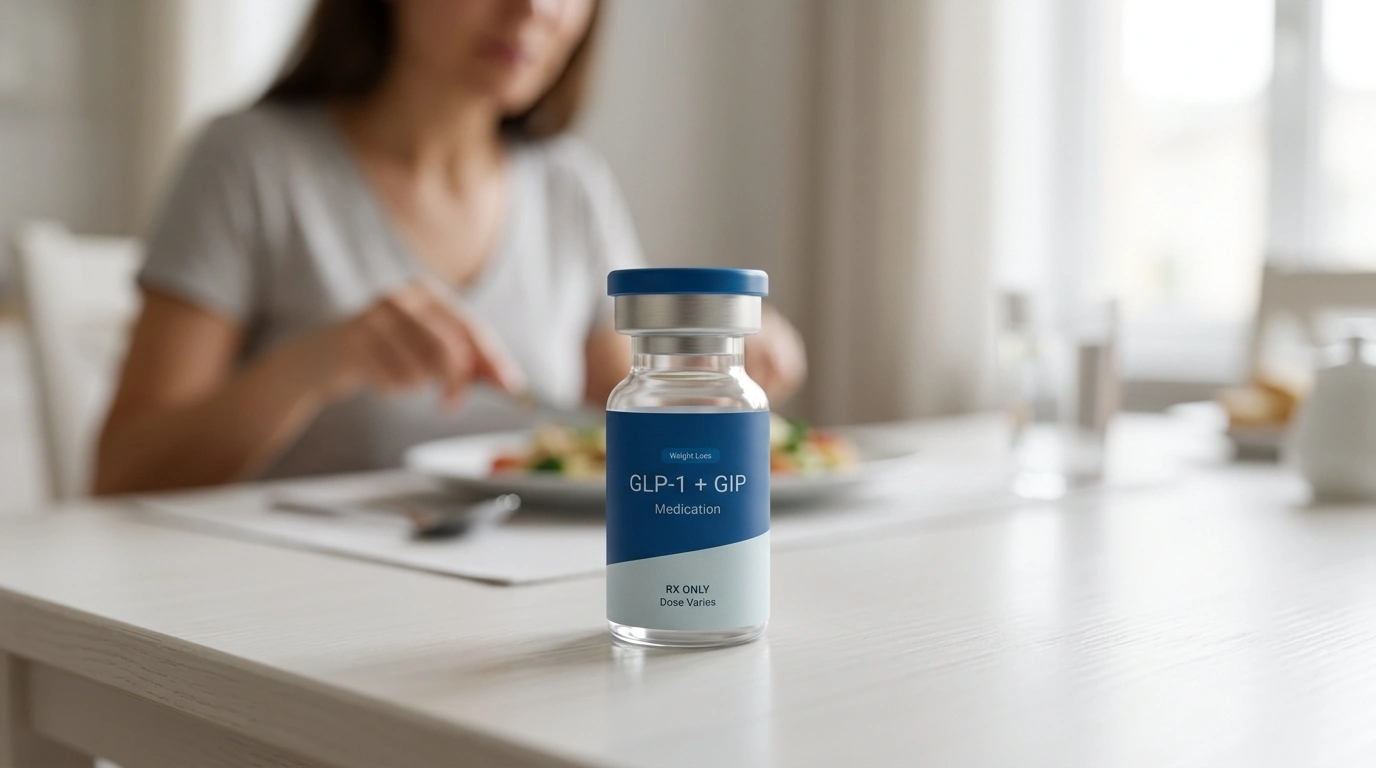
Zepbound (tirzepatide) is a subcutaneous injection, meaning it is delivered into the fatty tissue just beneath the skin rather than into a muscle or vein. Because this medication is administered once weekly, your skin and the underlying tissue must process the liquid and the needle’s entry on a regular basis.
An injection site reaction is essentially a localized inflammatory response. When the needle breaks the skin and the medication enters the subcutaneous layer, your body’s natural defense system takes notice. This can lead to various symptoms at the area of the shot, including:
- Redness (Erythema): A pink or red patch around the needle entry point.
- Swelling (Edema): A small, raised bump or a feeling of fullness under the skin.
- Itching (Pruritus): A persistent “tickle” or urge to scratch.
- Tenderness: Mild pain or soreness when the area is touched.
For the vast majority of people, these reactions are mild and temporary. They typically appear within hours of the injection and often fade within a few days. While they can be annoying, they rarely indicate that the medication is not working or that you must stop your treatment. For additional context, review this guide to why a Zepbound injection site may itch.
Why Does It Happen? The Science Behind the Itch
There are several scientific and mechanical reasons why your skin might become itchy and swollen after your weekly dose. Understanding these triggers can help you modify your technique to find relief.
The Mechanical Trigger of the Needle
Every time you use an injection pen, you are creating a microscopic injury to the skin and the tissue below. Even the smallest needles can cause a tiny amount of trauma. As the skin begins its natural healing process, it releases histamines—the same chemicals your body produces during an allergic reaction—which can cause the area to itch or swell slightly.
Temperature Sensitivities
Zepbound is typically stored in the refrigerator. Injecting cold liquid into warm body tissue can be shocking to the local nerves and cells. Cold medication is denser and can cause more immediate pressure and irritation than medication that has been allowed to reach room temperature. This temperature difference is a very common cause of immediate stinging and subsequent swelling.
Chemical Irritation from Alcohol
Most patients use an alcohol swab to clean the skin before injecting. This is a critical step for preventing infection. However, if the medication is injected before the alcohol has completely evaporated, the needle can “track” the alcohol down into the subcutaneous tissue. This can cause a chemical burn-like sensation, leading to redness and itching that lasts for several days.
The Immune System’s “Stranger Danger” Response
The active ingredient in Zepbound, tirzepatide, is a large molecule. Sometimes, your immune system identifies this molecule or the “inactive” ingredients in the liquid as a foreign substance. In response, it sends white blood cells to the area to investigate. This localized immune activity results in the classic signs of inflammation: heat, redness, and swelling.
Key Takeaway: Most injection site reactions are a sign of your body’s natural defense system reacting to the process of the injection itself, rather than a failure of the medication.
Identifying Normal vs. Abnormal Reactions
It is helpful to know what to expect so you don’t panic when a bump appears. Most people who experience a reaction notice it within the first two to four weeks of starting their program or shortly after they transition to a higher dose. You can also compare your symptoms with this overview of Zepbound rash causes and treatment.
What is Considered Normal?
A normal reaction is localized. This means it stays in a small circle (usually the size of a quarter or a half-dollar) around where the needle went in. It should not spread across your entire stomach or leg. Normal reactions usually reach their “peak” intensity about 24 hours after the shot and then gradually improve.
When to Be Cautious
While rare, some reactions require a conversation with a healthcare provider. You should monitor the site for:
- Spreading Redness: If the red area continues to grow larger after the second day.
- Heat: If the site feels significantly hotter than the surrounding skin.
- Severe Pain: If the area is so painful that it interferes with your clothing or movement.
- Duration: If the itchiness and swelling do not improve at all after five to seven days.
Signs of a Serious Allergic Reaction
A localized itch is rarely dangerous. However, a systemic allergic reaction (anaphylaxis) is a medical emergency. You should seek immediate help if the injection is followed by:
- Swelling of the lips, tongue, or throat.
- Difficulty breathing or wheezing.
- Hives appearing on parts of the body far away from the injection site.
- A rapid heartbeat or feeling faint.
How to Manage the Itch and Swelling at Home
If you are currently dealing with a localized reaction, there are several simple ways to soothe your skin and reduce the swelling without interrupting your weight loss progress.
Use a Cold Compress
Applying a cold pack or a clean, cool washcloth to the area for 10 to 15 minutes can work wonders. The cold constricts the blood vessels, which reduces swelling, and it numbs the local nerves to dull the itching sensation. Do this immediately after the injection and again later in the day if the itch persists.
Topical Relief
Over-the-counter creams can be very effective for managing the “surface” symptoms.
- Hydrocortisone Cream: A mild steroid cream can reduce the local inflammatory response.
- Calamine Lotion: This can provide a cooling, anti-itch effect.
- Antihistamines: If the itching is particularly bothersome, an oral antihistamine may help quiet the body’s histamine response.
Note: Always check with a healthcare professional before adding new medications or creams to your routine to ensure they are appropriate for your specific health profile.
Resist the Urge to Scratch
It is tempting to scratch an itchy injection site, but this often makes the problem worse. Scratching can cause more tissue damage, leading to increased swelling. It also introduces bacteria from your fingernails into the tiny puncture wound, which increases the risk of a skin infection.
Perfecting Your Injection Technique
The best way to handle injection site reactions is to prevent them from happening in the first place. Small changes in how you administer your dose can lead to a much more comfortable experience. If you are considering a personalized prescription program and want provider guidance on technique, see if you qualify for a personalized program.
Step 1: Let the Medication Warm Up
Take your injection pen out of the refrigerator about 30 minutes before you plan to use it. This allows the liquid to reach room temperature, which makes the injection much smoother and less irritating to the subcutaneous tissue.
Step 2: Choose and Clean Your Site
Common injection sites include the abdomen (at least two inches away from the belly button), the front of the thighs, or the back of the upper arms. Clean the area with an alcohol swab and—this is the most important part—wait at least 30 to 60 seconds for the skin to dry completely before injecting.
Step 3: Use the “Rotation” Rule
Never inject into the exact same spot two weeks in a row. You should rotate your sites, even within the same general area. For example, if you use your abdomen, move the injection site at least one inch away from where you injected last week. For more guidance, read about changing your Zepbound injection site.
Key Takeaway: Consistent site rotation prevents the buildup of hardened tissue (lipohypertrophy), which can interfere with medication absorption and increase the risk of irritation.
Step 4: Check Your Angle
The injection pen is designed to be held at a 90-degree angle to the skin. Do not try to inject at a shallow angle, as this may deliver the medication into the skin layers rather than the fatty tissue, which is much more likely to cause a visible, itchy reaction.
How TrimRx Supports Your Treatment Experience
Navigating the side effects of weight loss medications can be confusing, but you do not have to do it alone. TrimRx provides a telehealth-first platform that connects you with licensed healthcare providers who specialize in metabolic health.
Our personalized programs are designed to be comprehensive. When you join, you gain access to clinical experts who can review your injection technique, discuss your side effects, and ensure that your treatment plan is optimized for your comfort. We offer access to medications like Compounded Tirzepatide, which are prepared in FDA-registered, inspected compounding pharmacies to ensure high standards of quality.
Whether you are dealing with a persistent itch or simply want to ensure you are starting your program correctly, our team is available to provide the empathetic, science-based guidance you need. We handle the lab work, the provider consultations, and the shipping, so you can focus entirely on your health. To begin the process, complete a free assessment quiz for prescription support.
The Role of Compounded vs. Branded Medications
When discussing Zepbound, it is important to understand the landscape of available treatments. Zepbound®, Mounjaro®, Wegovy®, and Ozempic® are branded medications that have received FDA approval for specific uses like chronic weight management or type 2 diabetes.
However, many patients find that a personalized approach through a telehealth platform is more accessible. We connect patients with providers who may prescribe compounded versions of these medications.
Important Note on Compounded Medications:
Compounded Semaglutide and Compounded Tirzepatide are not FDA-approved. However, they are prepared by licensed pharmacists in FDA-registered and inspected facilities. These pharmacies follow strict regulations to create medications that match the specific dosage needs of an individual. This path often allows for a more consistent supply and a program that is tailored to your unique health profile.
Long-Term Expectations and Skin Health
For most people, injection site reactions are a “beginning of the journey” phenomenon. As your body becomes accustomed to the medication, the frequency and intensity of these reactions usually decrease.
If you notice that your skin is becoming thicker or “lumpy” in areas where you frequently inject, this may be a sign that you need to be more diligent with site rotation. Healthy skin is essential for the proper absorption of GLP-1 medications. If the tissue becomes scarred or hardened, the medication may not enter your system as effectively, which could slow your progress. For a broader look at injection placement, explore whether GLP-1 injection site selection matters.
Bottom line: A small itchy bump is usually a sign that your body is adapting. With proper technique and a bit of patience, most patients find that these minor irritations become a non-issue within a few months of treatment.
When to Consult a Provider
While home management is effective for most, you should never hesitate to reach out to a professional if you are worried. Telehealth platforms like ours make it easy to get a quick answer to your concerns without the need for a waiting room.
You should definitely contact a healthcare provider if:
- The reaction is accompanied by a fever or chills.
- You see yellow or green drainage (pus) at the site.
- The swelling is so significant that it feels like a hard, deep knot that doesn’t go away.
- The reaction gets worse with each subsequent injection rather than better.
Your provider can help determine if you are having a mild sensitivity to one of the inactive ingredients or if a different injection site or technique might be better for your body.
Conclusion
An itchy or swollen injection site is a common part of the Zepbound experience for many people, but it doesn’t have to be a roadblock. Most of the time, these reactions are simply your body’s way of processing a new medication and the physical act of the injection. By warming your medication, letting the alcohol dry, and rotating your sites faithfully, you can minimize discomfort and stay consistent with your routine.
At TrimRx, our mission is to provide you with a personalized, science-backed, and empathetic path toward sustainable weight loss. We understand that the small details—like a persistent itch—matter just as much as the big milestones on the scale. Our team is here to support you with professional guidance every step of the way.
If you are ready to take the next step in your health journey with a program that prioritizes your comfort and your results, we invite you to take the free assessment quiz. This quiz helps us understand your unique health profile so we can connect you with a licensed provider to discuss the best treatment options for your goals.
FAQ
Is it normal for my Zepbound injection site to be itchy for a few days?
Yes, itching is a very common side effect and is usually a localized immune response to the needle or the medication. It typically appears within 24 hours and should resolve on its own within three to five days without any long-term issues. For more information about similar symptoms, review this Zepbound injection site irritation guide.
Can I use an anti-itch cream on the spot where I injected Zepbound?
You can generally use over-the-counter treatments like hydrocortisone cream or calamine lotion to soothe the skin around the injection site. However, avoid applying creams directly onto an open puncture wound immediately after the shot; wait until the site has closed, and always consult your healthcare provider before starting a new topical treatment.
Does an injection site reaction mean I am allergic to Zepbound?
Not necessarily. Most reactions are localized irritations rather than a true systemic allergy. A true allergy would typically involve symptoms like hives in other areas, difficulty breathing, or swelling of the face, whereas a localized reaction stays confined to a small area around the injection.
How can I stop the swelling after my weekly Zepbound shot?
The most effective ways to reduce swelling are to ensure the medication is at room temperature before injecting and to apply a cold compress to the site for 10 minutes following the dose. Additionally, ensuring you are rotating your injection sites every week prevents localized inflammation from building up in one area. If you want to discuss whether prescription treatment is appropriate for you, find out if GLP-1 medications may be right for you.
Disclaimer: This content is for informational purposes only and does not constitute medical advice. It is not intended to diagnose, treat, cure, or prevent any disease or condition. Individual results may vary. Always consult a qualified healthcare professional before starting any weight loss program or medication.

Transforming Lives, One Step at a Time
Keep reading
Moving In With Your Partner on Zepbound
Moving in together changes the rhythm of daily life: who cooks, when you eat, what is in the fridge, and how you spend evenings….
Living With Roommates on Zepbound
Sharing an apartment or house means sharing a fridge, a kitchen, a bathroom, and often more of your life than you planned. If you…
A Fan Convention on Zepbound: Lines, Cosplay, and Convention Food
Big fan conventions are a marathon disguised as a party. You queue before dawn for a panel, walk miles of exhibit hall, stand in…


