Do You Lose Muscle Mass on Zepbound
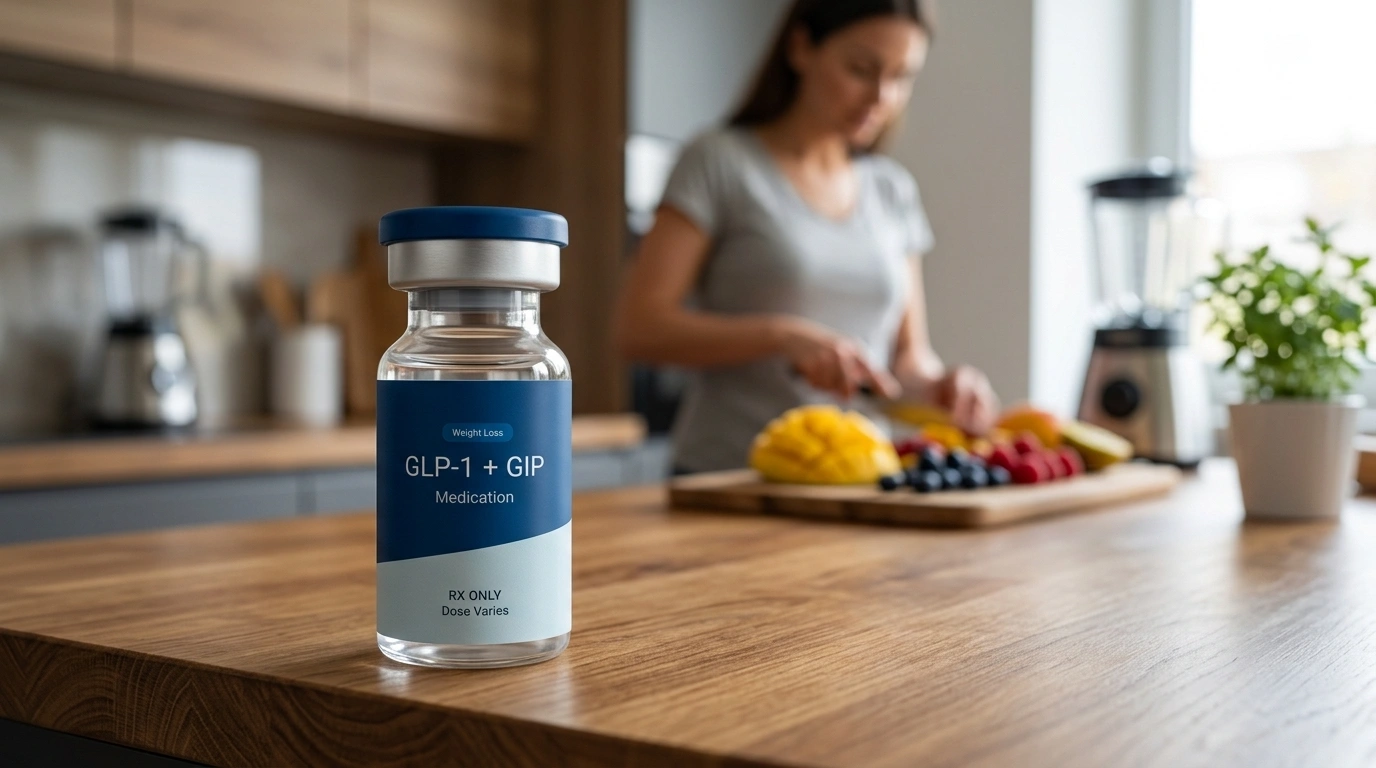
Table of Contents
- Introduction
- What is Zepbound and How Does it Work?
- The Relationship Between Weight Loss and Muscle Mass
- What the Research Says About Muscle Loss
- Why Preserving Muscle is Vital for Long-Term Success
- Strategic Nutrition to Protect Your Muscle
- The Essential Role of Resistance Training
- Monitoring Your Progress Beyond the Scale
- How TrimRx Supports Muscle Preservation
- Potential Side Effects and Muscle Health
- Common Myths About GLP-1 Medications and Muscle
- Starting Your Journey Safely
- Conclusion
- FAQ
Introduction
Watching the numbers drop on the scale can feel like a major victory, especially after years of struggling with traditional dieting. However, many people starting their journey with Zepbound® find themselves worried about the “quality” of that weight loss. A common concern is whether those lost pounds are coming from body fat or essential muscle tissue. At TrimRx, we believe that achieving a healthier weight should never come at the expense of your strength or metabolic health. While some muscle loss can occur during any significant weight reduction, it is not an inevitable side effect that you have to accept. This article will explain why muscle loss happens, what the clinical research says about this specific medication, and how you can protect your lean mass while achieving your goals. If you want a personalized path forward, you can take the free assessment quiz to see whether a medical weight loss program may be a fit for you.
What is Zepbound and How Does it Work?
Before addressing the impact on muscle, it is important to understand what the medication actually is. Zepbound® is a branded version of a medication called tirzepatide. It belongs to a class of drugs known as dual agonists. Specifically, it mimics two different hormones naturally produced in the human body: glucagon-like peptide-1 (GLP-1) and glucose-dependent insulinotropic polypeptide (GIP).
These hormones work together to regulate appetite and blood sugar. The GLP-1 component targets the brain’s hunger centers to increase feelings of fullness and slow down how quickly your stomach empties. The GIP component is thought to complement this by improving how the body breaks down sugar and fats. When used alongside lifestyle changes, this dual action can lead to significant weight loss. Because the medication is so effective at reducing appetite, patients often eat much less than they used to. This sharp reduction in calories is the primary driver of weight loss, but it is also where the risk to muscle mass begins.
The Relationship Between Weight Loss and Muscle Mass
Whenever a person loses weight, the body does not exclusively burn fat. Whether you are using a medication, a strict diet, or a rigorous exercise program, the weight lost is typically a combination of white adipose tissue (fat), water, and lean body mass (muscle and bone). This is a biological reality of being in a caloric deficit.
When the body receives fewer calories than it needs to function, it enters a catabolic state. This means it begins to break down its own tissues for energy. While the body prefers to use stored fat for fuel, it can also break down muscle protein through a process called gluconeogenesis. This is especially likely to happen if the caloric deficit is very large or if the body does not receive enough dietary protein to maintain its existing structures.
Quick Answer: Yes, it is possible to lose muscle mass while taking Zepbound®, as muscle loss is a common side effect of any rapid weight loss. However, this can be largely mitigated through high protein intake, regular resistance training, and clinical supervision to ensure weight loss is gradual and healthy.
What the Research Says About Muscle Loss
Clinical trials for tirzepatide, such as the SURMOUNT studies, have provided valuable data on body composition changes. In these large-scale studies, researchers used advanced imaging, such as Dual-Energy X-ray Absorptiometry (DEXA) scans, to track exactly what kind of weight participants were losing.
The data generally shows that while participants did lose lean mass, the vast majority of the weight lost was body fat. In many cases, the ratio of fat loss to muscle loss was similar to what is seen in traditional weight loss methods. Furthermore, because participants were losing so much total weight, their “body composition” actually improved. This means that even if they had less total muscle than when they started, the muscle they kept made up a larger percentage of their total body weight than before. This is a crucial distinction, as a higher percentage of lean mass is associated with better metabolic health. If you want a deeper look at how that balance works, the guide on preventing muscle loss on GLP-1 explains the main drivers in more detail.
Why Preserving Muscle is Vital for Long-Term Success
Muscle is not just for looking toned; it is a metabolically active tissue. This means that muscle burns more calories at rest than fat does. Your muscle mass is one of the primary drivers of your Basal Metabolic Rate (BMR), which is the number of calories your body burns just to keep your heart beating and your lungs breathing.
If you lose a significant amount of muscle while using a medication, your BMR may drop significantly. This can make it harder to maintain your weight loss in the long term, as your body will require fewer calories to function. This is often why people experience a rapid “rebound” in weight after stopping a diet; if their metabolism has slowed due to muscle loss, they may start gaining fat even while eating a “normal” amount of food.
Key Takeaway: Protecting muscle mass is the “insurance policy” for your metabolism. By maintaining lean tissue, you keep your metabolic rate higher, which makes it easier to sustain your results after you reach your goal weight.
Strategic Nutrition to Protect Your Muscle
The most effective way to prevent muscle loss while on a program involving GLP-1 or GIP medications is through targeted nutrition. Because these medications significantly reduce your appetite, every bite you eat needs to count.
Prioritizing Protein Intake
Protein is the building block of muscle tissue. When you are in a caloric deficit, your body needs a steady supply of amino acids from protein to repair and maintain muscle fibers. If you don’t eat enough protein, your body will more readily harvest those amino acids from your own muscles.
Many specialists recommend that individuals on weight loss medications aim for a higher-than-average protein intake. A common goal is to consume between 0.8 and 1.2 grams of protein per pound of your goal body weight. This can be challenging when you aren’t feeling hungry, which is why focusing on high-quality, lean protein sources at every meal is essential.
The Role of Essential Amino Acids
Specifically, an amino acid called leucine plays a “signaling” role in the body. It tells the muscles to initiate protein synthesis. Sources like whey protein, chicken, fish, and Greek yogurt are high in leucine. If you struggle to eat enough whole food, a high-quality protein supplement can be a helpful tool. We offer options like GLP-1 Daily Support to help bridge the gap in essential nutrients when your appetite is low.
Hydration and Muscle Health
Muscle tissue is approximately 75% water. Dehydration can lead to muscle cramping and can actually interfere with the protein synthesis process. When taking a medication that slows gastric emptying, it can sometimes be easy to forget to drink enough water. Staying consistently hydrated supports the transport of nutrients to your muscles and helps maintain the volume of those muscle cells.
The Essential Role of Resistance Training
While diet provides the building blocks for muscle, exercise provides the “reason” for the body to keep it. If you are losing weight but not challenging your muscles, your body perceives that muscle as an expensive luxury it can afford to lose. Resistance training—such as lifting weights, using resistance bands, or doing bodyweight exercises like push-ups and squats—sends a clear signal to your body that the muscle is necessary for survival.
How Much Training is Necessary?
You do not need to spend hours in the gym to see benefits. Clinical consensus suggests that performing resistance exercises at least two to three times per week can significantly offset muscle loss during weight reduction. The goal is to reach a point of “muscle fatigue,” where the last few repetitions of an exercise are difficult to complete.
Combining Strength and Cardio
While cardiovascular exercise (like walking or cycling) is excellent for heart health, it is not as effective as resistance training for preserving muscle. A balanced program should include both, but the priority for muscle preservation should always be strength-based movements. For a more focused breakdown, strength training on GLP-1 offers a practical look at how to structure workouts while losing weight.
Monitoring Your Progress Beyond the Scale
One of the biggest mistakes people make is relying solely on a standard bathroom scale. This tool only tells you your total mass; it cannot distinguish between five pounds of fat and five pounds of muscle. To truly understand how Zepbound® is affecting your body, you may want to look into other metrics.
- Body Composition Scales: While not as accurate as clinical tools, “smart scales” use bioelectrical impedance to estimate your body fat percentage and muscle mass.
- Physical Strength: Are you still able to lift the same amount of weight at the gym? Are daily tasks like carrying groceries getting easier? If your strength is staying the same or increasing while your weight goes down, you are likely preserving muscle.
- Measurements: Using a tape measure to track your waist, hips, and limbs can provide a better picture of how your body shape is changing.
- DEXA Scans: For the most accurate data, a DEXA scan can provide a detailed breakdown of your bone density, fat mass, and lean tissue.
How TrimRx Supports Muscle Preservation
At TrimRx, we recognize that weight loss is a medical journey that requires more than just a prescription. Our approach is built on the foundation of personalized care. When you use our platform, you are connected with licensed healthcare providers who understand the nuances of metabolic health and muscle preservation.
Through our telehealth-first model, you receive a program tailored to your specific health profile. This includes an initial free assessment quiz that evaluates your goals and medical history. If a provider determines that a GLP-1 or GIP medication is right for you, they can guide you through the next steps. To get started, complete the free assessment quiz and see what a personalized plan could look like for you.
We also provide ongoing support to help you manage the nutritional and physical challenges of your journey. This holistic view ensures that you aren’t just losing weight, but improving your overall body composition and health. Our team is available to answer questions about protein intake, exercise, or managing the side effects that might otherwise prevent you from staying active. If appetite changes make it harder to keep up with nutrition, GLP-1 Daily Support can be a useful part of your routine.
Potential Side Effects and Muscle Health
It is worth noting that some side effects of Zepbound® can indirectly lead to muscle loss. For example, if you experience significant nausea or fatigue, you may find it difficult to eat enough protein or keep up with your exercise routine.
If you find that side effects are preventing you from maintaining a healthy lifestyle, it is important to speak with your healthcare provider. They may suggest adjusting your dosage or offer strategies to manage these symptoms. Keeping your energy levels up is vital because being sedentary during rapid weight loss is one of the fastest ways to lose lean tissue. You can also review how to preserve muscle on tirzepatide if you want practical training ideas.
Note: If you experience extreme weakness, persistent fatigue, or a significant drop in physical performance, consult your healthcare provider immediately to ensure your nutritional needs are being met.
Common Myths About GLP-1 Medications and Muscle
There is a lot of misinformation circulating about “muscle wasting” on these new medications. It is important to separate fact from fiction to avoid unnecessary anxiety.
Myth: Zepbound® specifically targets muscle tissue for destruction. Fact: No weight loss medication “targets” muscle. Muscle loss is a secondary effect of being in a caloric deficit. If you provide your body with enough protein and resistance stimulus, it will prioritize burning fat.
Myth: You will lose muscle regardless of what you eat. Fact: Nutritional intake is the biggest factor in muscle preservation. Studies show that individuals who maintain a high-protein diet while on GLP-1 medications lose significantly less lean mass than those who do not.
Starting Your Journey Safely
If you are ready to explore how a personalized weight loss program can help you reach your goals while protecting your health, the process is straightforward. We aim to make medical weight loss accessible and transparent.
Step 1: Complete the free assessment quiz. / This online tool gathers information about your health history, current weight, and goals to help a provider determine your eligibility.
Step 2: Connect with a licensed provider. / A healthcare professional will review your assessment and, if appropriate, recommend a treatment plan tailored to your needs.
Step 3: Receive your medication and support. / If prescribed, your medication can be shipped directly to your door from a trusted pharmacy. You gain access to specialized support.
Step 4: Focus on your lifestyle. / With the medication helping to manage your appetite, you can focus on the high-protein diet and resistance training necessary to preserve your muscle. If you want a clearer overview of what to expect, Zepbound muscle loss prevention strategies is a helpful next read.
Conclusion
The fear of losing muscle mass on Zepbound® is understandable, but with the right strategy, it is a risk that can be managed effectively. By prioritizing protein, engaging in regular resistance training, and monitoring your body composition rather than just the number on the scale, you can achieve sustainable weight loss that leaves you feeling stronger and healthier. We are committed to being your partner in this process, offering the clinical expertise and personalized programs needed to navigate the complexities of metabolic health. Our mission at TrimRx is to provide a transparent, science-backed path to weight loss that respects the importance of your lean muscle and long-term vitality.
If you are looking for an empathetic, professional team to guide you through your weight loss journey, your next step is simple. Take our free assessment quiz today to see which personalized program is right for you and take the first step toward a healthier, more confident version of yourself.
FAQ
How much protein should I eat on Zepbound to avoid muscle loss?
Most experts recommend consuming at least 0.8 to 1.2 grams of protein per pound of your goal body weight daily. This ensures your body has the necessary amino acids to maintain muscle tissue while you are in a caloric deficit. If you find it hard to eat this much through whole foods, high-quality protein shakes can be a helpful supplement to your diet.
Does resistance training really stop muscle loss?
Yes, resistance training is one of the most effective ways to preserve lean mass during weight loss. By challenging your muscles through weightlifting or bodyweight exercises, you send a signal to your body that this tissue is essential, which encourages it to burn fat for energy instead of muscle. Aiming for at least two to three strength-based sessions per week is generally recommended for the best results.
Is muscle loss on Zepbound permanent?
No, muscle loss is not permanent, and muscle can be regained through proper nutrition and strength training even after you finish your medication. However, it is much easier and more efficient to preserve the muscle you already have than it is to rebuild it later. Focusing on “muscle-sparing” habits from day one of your program is the best way to ensure long-term metabolic health.
Can I take supplements to help keep my muscle?
Supplements like branched-chain amino acids (BCAAs) or whey protein can be very useful for those who struggle to meet their protein goals due to a reduced appetite. Additionally, supplements designed for those on GLP-1 medications, such as our GLP-1 Daily Support, can provide essential vitamins and minerals that support overall muscle function and recovery. Always discuss new supplements with your healthcare provider to ensure they fit your specific needs.
Disclaimer: This content is for informational purposes only and does not constitute medical advice. It is not intended to diagnose, treat, cure, or prevent any disease or condition. Individual results may vary. Always consult a qualified healthcare professional before starting any weight loss program or medication.

Transforming Lives, One Step at a Time
Keep reading

Kids’ Birthday Party on Zepbound
If you have young children, birthday parties are a regular part of life: your own child’s, and the steady stream of classmates’ parties most…
Water Aerobics on Zepbound
For people with painful knees, hips, or backs, water aerobics and pool exercise are often the first kind of exercise that feels possible. The…

New Year’s Eve on Zepbound
New Year’s Eve is built around staying up late. There is usually a big dinner or a party spread, drinks through the evening, champagne…


