Is Zepbound Safe Long Term?
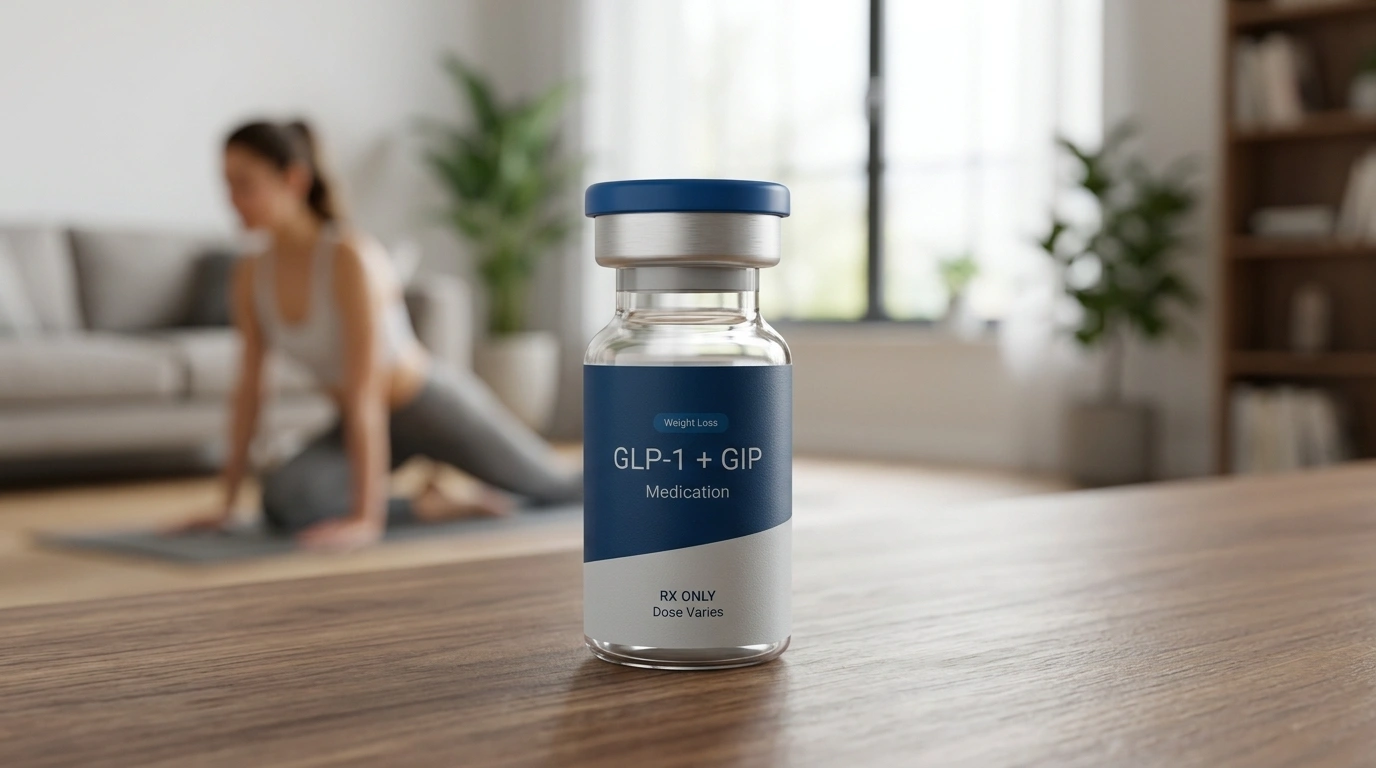
Table of Contents
- Introduction
- Defining Tirzepatide and Its Role in Weight Health
- The Science of Long-Term Safety: Clinical Evidence
- Understanding Potential Long-Term Side Effects
- The Concept of Chronic Weight Management
- Personalized Care and Safety Monitoring
- Compounded vs. Branded Medications: A Note on Safety
- Managing Lifestyle Factors for Long-Term Success
- Who Should Exercise Caution?
- The Transition to Maintenance
- Comparing Long-Term Data: Tirzepatide vs. Semaglutide
- The Role of Telehealth in Sustainable Health
- Why Personalized Programs Matter
- Summary of Safety Practices
- Conclusion
- FAQ
Introduction
Choosing a weight loss path is a significant decision that carries both hope and a few natural worries. If you have reached a point where diet and exercise alone haven’t delivered lasting results, you might be looking at newer medical options. Zepbound® has gained attention for its effectiveness, but a primary concern for many is whether it is safe for the long haul. At TrimRx, we believe that informed patients make the most confident health decisions. This article explores the current clinical research regarding the long-term use of tirzepatide, the potential risks you should discuss with a provider, and how personalized care supports safety. We will break down the science behind this medication to help you understand if this treatment aligns with your lifelong health objectives. If you are wondering whether a prescription program is a fit, you can take the free assessment quiz.
Defining Tirzepatide and Its Role in Weight Health
To understand the safety of Zepbound®, we first have to look at what it actually is. The active ingredient is tirzepatide, a medication known as a dual receptor agonist. This means it mimics two different hormones naturally produced in your body: glucagon-like peptide-1 (GLP-1) and glucose-dependent insulinotropic polypeptide (GIP).
These hormones are released by your intestines when you eat. They tell your brain you are full, slow down how quickly your stomach empties, and help your pancreas manage blood sugar levels. While older medications only targeted the GLP-1 pathway, tirzepatide is the first of its kind to target both GLP-1 and GIP. This dual action is why many people find it particularly effective for weight management. For a broader overview of that hormone pathway, see how GLP-1 actually works for weight loss.
The Science of Long-Term Safety: Clinical Evidence
When doctors and researchers talk about “long-term safety,” they look at clinical trials that last for a year or more. For tirzepatide, the most significant data comes from the SURMOUNT clinical trial program. These trials involved thousands of participants and monitored their health over extended periods.
SURMOUNT-1 Findings
The initial SURMOUNT-1 trial lasted for 72 weeks. This is significantly longer than many historical weight loss drug trials. During this period, researchers monitored participants for both effectiveness and safety. The results showed that most individuals tolerated the medication well over the entire 18-month duration. The safety profile remained consistent from the early months through the end of the study.
The SURMOUNT-4 “Switch” Study
One of the most important trials for understanding long-term use was SURMOUNT-4. In this study, everyone took tirzepatide for 36 weeks. After that, half of the group stayed on the medication, while the other half was switched to a placebo. Those who stayed on the medication continued to see weight stability or further loss for up to 88 weeks. Those who stopped the medication began to regain weight. This suggests that for many, the medication is most effective—and intended—as a long-term maintenance tool.
Understanding Potential Long-Term Side Effects
While the data is promising, no medication is without risks. Most side effects of Zepbound® are gastrointestinal and occur during the “titration” phase—the period when you are gradually increasing your dose. However, there are specific areas of health that require long-term monitoring. If you are still deciding whether medication is appropriate for you, the free assessment quiz is the easiest place to start.
Gastrointestinal Health
Common side effects like nausea, diarrhea, or constipation often diminish as the body adjusts. However, for a small percentage of people, these may persist. Long-term gastrointestinal health is a priority, and staying in regular contact with a healthcare provider ensures these symptoms do not lead to dehydration or nutrient deficiencies. If constipation becomes part of your experience, tirzepatide constipation solutions can help you understand common approaches.
Gallbladder and Pancreas Considerations
There have been reports of gallbladder problems, such as gallstones, in people using GLP-1 and GIP medications. This is often linked to rapid weight loss itself, which can stress the gallbladder. Additionally, while rare, inflammation of the pancreas (pancreatitis) is a known potential risk. Doctors typically monitor for abdominal pain that could signal these issues.
Thyroid Health
In animal studies, tirzepatide caused certain types of thyroid tumors. While it is not yet known if this happens in humans, the medication carries a “boxed warning.” Individuals with a personal or family history of medullary thyroid carcinoma (MTC) or Multiple Endocrine Neoplasia syndrome type 2 (MEN 2) are generally advised not to use these medications.
The Concept of Chronic Weight Management
A common misconception is that weight loss medications are meant to be used for a few months and then stopped. However, the medical community increasingly views obesity as a chronic condition, much like high blood pressure or type 2 diabetes.
Chronic weight management means that the medication is working to correct biological pathways that may be “broken” or inefficient. When you stop taking the medication, those pathways return to their previous state, which often leads to weight regain. Because of this, long-term safety is the primary goal of the prescribing guidelines. If you want to see whether a monitored plan makes sense for you, you can complete the free assessment quiz.
Why long-term use is often recommended:
- Metabolic Stability: It helps maintain a lower “set point” for body weight.
- Cardiovascular Benefits: Long-term weight maintenance reduces the strain on the heart.
- Blood Sugar Control: It provides ongoing support for insulin sensitivity.
Personalized Care and Safety Monitoring
At TrimRx, we emphasize that safety is not a “set it and forget it” process. Long-term safety is achieved through continuous monitoring and personalized adjustments. Because everyone’s biology is different, a dose that works for one person may cause unwanted side effects for another.
Our telehealth-first approach allows for frequent check-ins without the need for an in-person waiting room. This ensures that if you experience a new symptom six months into your journey, you have access to a team that can help you adjust your plan. For the ordering side of that process, how to order GLP-1 medications for effective weight loss explains the next steps clearly.
The Role of Lab Work
Regular lab work is a cornerstone of safe, long-term medication use. By monitoring kidney function, liver enzymes, and metabolic markers, healthcare providers can ensure the medication is supporting your health without causing underlying stress to your organs.
Compounded vs. Branded Medications: A Note on Safety
When discussing medications like Zepbound® or Mounjaro®, it is important to distinguish between branded and compounded options. Zepbound® is a branded medication. However, due to high demand and shortages, some individuals may utilize compounded tirzepatide.
Important Safety Distinctions:
- Branded Medications: These are FDA-approved and manufactured by a specific pharmaceutical company.
- Compounded Medications: These are prepared by compounding pharmacies.
We connect patients with licensed providers who can determine the best course of treatment.
Managing Lifestyle Factors for Long-Term Success
Medication is a powerful tool, but it is not the only factor in long-term safety and success. Supporting your body while on tirzepatide is essential for minimizing side effects and protecting your health. For people who want to better understand side effects over time, tirzepatide side effects: what to expect and how to manage is a helpful companion read.
Nutrient Density and Muscle Preservation
Because these medications reduce appetite, it is easy to under-eat. Long-term safety involves ensuring you are getting enough protein and micronutrients to prevent muscle loss and fatigue. Some patients find that targeted supplements, like GLP-1 Daily Support, help fill nutritional gaps while their appetite is suppressed.
Hydration and Kidney Health
Staying hydrated is critical. Many gastrointestinal side effects can lead to mild dehydration, which puts stress on the kidneys over time. Drinking plenty of water and maintaining electrolyte balance is a simple but vital part of a long-term safety plan. If low energy becomes a concern during this phase, Weight Loss Boost may be worth discussing as part of your routine.
Note: Always consult a licensed healthcare provider before starting any weight loss program or medication to ensure it is appropriate for your specific medical history.
Who Should Exercise Caution?
While many people can safely use Zepbound® long-term, certain individuals should discuss their history thoroughly with a provider. You should share if you have:
- A history of pancreatitis
- Severe kidney or liver disease
- Severe stomach problems (like gastroparesis)
- A history of depression or suicidal thoughts
A personalized program takes these factors into account to build a strategy that prioritizes your overall well-being.
The Transition to Maintenance
After achieving a target weight, the conversation often shifts from “losing” to “maintaining.” Long-term safety during maintenance may involve staying on a consistent dose or, in some cases, finding a “maintenance dose” that prevents weight regain while minimizing side effects. This transition should always be managed by a clinical professional.
Step 1: Achieve weight goals. Reach the target weight determined by you and your provider. Step 2: Evaluate dosage. Determine if a lower dose can maintain the current weight. Step 3: Monitor metabolic markers. Continue regular check-ups to ensure long-term health benefits are holding steady. Step 4: Lifestyle integration. Ensure movement and nutrition habits are sustainable without relying solely on the medication’s highest doses.
Comparing Long-Term Data: Tirzepatide vs. Semaglutide
It is helpful to look at the broader landscape of GLP-1 medications. Semaglutide (the active ingredient in Wegovy® and Ozempic®) has been used in diabetes treatment for many years, giving us a longer “track record” for the drug class. Tirzepatide is newer but builds on the safety foundations established by semaglutide. For a related look at another medication in the same space, read semaglutide side effects long term.
| Feature | Tirzepatide (Zepbound®) | Semaglutide (Wegovy®) |
|---|---|---|
| Mechanism | Dual Agonist (GLP-1 + GIP) | Single Agonist (GLP-1) |
| Longest Trial Data | 88 Weeks (SURMOUNT-4) | 2+ Years (SELECT Trial) |
| Common Side Effects | Nausea, Diarrhea, Constipation | Nausea, Vomiting, Constipation |
| Intended Use | Chronic Weight Management | Chronic Weight Management |
While the medications differ slightly in how they work, the consensus among medical professionals is that both are safe for long-term use when monitored correctly.
The Role of Telehealth in Sustainable Health
Telehealth has changed how we approach long-term medication. In the past, the inconvenience of monthly doctor visits often led people to stop their treatment prematurely. Our platform removes those barriers. By offering 24/7 access to specialists and medication support, we help you stay consistent. Consistency is a major factor in safety; it prevents the “yo-yo” effect of starting and stopping medication, which can be hard on the metabolism.
Bottom line: Zepbound® and other tirzepatide-based treatments are designed for long-term use to manage the chronic nature of weight-related health issues. Safety is maximized through consistent medical oversight, lab monitoring, and a personalized approach to dosing.
Why Personalized Programs Matter
We believe that no two weight loss journeys are the same. A “one-size-fits-all” approach to medication can lead to higher rates of side effects and lower success rates. By tailoring the program to your specific health profile, we help you navigate the long-term path with confidence. Our mission at TrimRx is to merge clinical expertise with modern technology, providing a transparent and supportive environment where your health is the priority.
Summary of Safety Practices
To ensure the safest long-term experience with Zepbound® or tirzepatide:
- Be honest with your provider about your medical history and any new symptoms.
- Follow the titration schedule exactly as prescribed; do not rush to higher doses.
- Prioritize protein and hydration to protect your muscles and kidneys.
- Commit to regular lab work to catch any potential issues early.
- Maintain an open line of communication with your care team for ongoing support.
Key Takeaway: Long-term safety is not just about the medication itself, but about the quality of the medical supervision and the lifestyle habits that support it.
Conclusion
The question of whether Zepbound® is safe long-term is best answered by the robust clinical data and the FDA’s own classification of the drug for chronic use. For many, the long-term benefits of maintaining a healthier weight—including improved blood pressure, better blood sugar control, and reduced joint pain—far outweigh the potential risks of the medication. We are here to help you navigate these choices with empathy and scientific clarity. Our personalized programs are designed to provide the medical supervision and expert guidance you need for a sustainable, healthy future. If you are ready to see if a medically supervised weight loss program is right for your long-term goals, the first step is a simple assessment. You can see if you qualify with the free assessment quiz.
FAQ
Is it safe to stay on Zepbound® for several years?
Yes, clinical trials and the FDA’s approval for “chronic weight management” indicate that Zepbound® is intended for long-term use. Much like medications for other chronic conditions, it works best when used consistently to maintain metabolic improvements. Regular monitoring by a healthcare provider is essential to ensure continued safety over the years.
What happens to my body if I stop taking Zepbound® after a long time?
Research suggests that many individuals may experience weight regain if the medication is stopped entirely. This is because the medication manages the biological signals that control hunger and metabolism. If you decide to stop, it should be done under a provider’s guidance to create a transition plan that focuses on lifestyle maintenance.
Can long-term use of Zepbound® damage the kidneys or liver?
There is no evidence that Zepbound® directly damages the kidneys or liver in healthy individuals; in fact, weight loss often improves liver health. However, severe gastrointestinal side effects like vomiting can lead to dehydration, which may stress the kidneys. This is why staying hydrated and having regular lab work through a platform like ours is a critical part of a safe treatment plan.
Will the side effects like nausea ever go away if I use it long-term?
For the vast majority of people, side effects like nausea and stomach upset are most common when first starting or when increasing the dose. These typically subside as the body becomes accustomed to the medication. If side effects persist long-term, a healthcare provider can help adjust your dose or suggest supportive measures to improve your comfort. If you are just beginning and want help figuring out whether treatment is right for you, you can take the free assessment quiz.
Disclaimer: This content is for informational purposes only and does not constitute medical advice. It is not intended to diagnose, treat, cure, or prevent any disease or condition. Individual results may vary. Always consult a qualified healthcare professional before starting any weight loss program or medication.

Transforming Lives, One Step at a Time
Keep reading

Why Is There a Bruise Where I Injected My Zepbound?
A bruise means a small blood vessel was disturbed under the skin and blood spread into the surrounding tissue. It is one of the…

My Zepbound Pen Won’t Click Past a Certain Dose
Start by checking which device you are holding, because the answer depends entirely on that. Zepbound has commonly been supplied in the United States…

Zepbound Alternatives: Your Options Compared
If Zepbound isn’t the right fit, the main alternative is semaglutide (sold as Wegovy), which produces slightly less weight loss but works similarly, along…


