How to Not Lose Muscle on Mounjaro
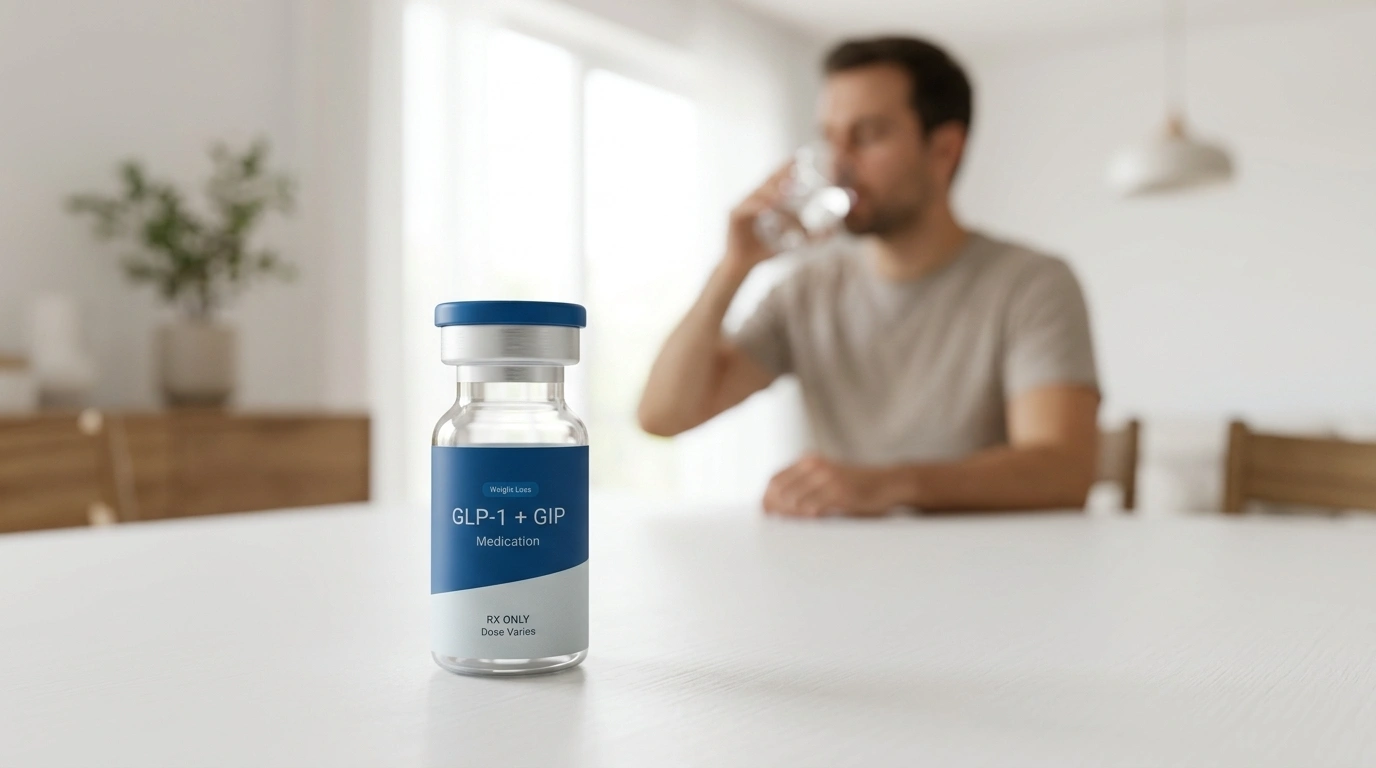
Table of Contents
- Introduction
- The Relationship Between GLP-1s and Muscle Mass
- Prioritizing Protein Intake
- The Role of Resistance Training
- Managing the Caloric Deficit
- Hydration and Micronutrients
- Monitoring Body Composition
- Working with a Clinical Team
- Common Obstacles to Muscle Preservation
- The Long-Term Benefits of Muscle
- Conclusion
- FAQ
Introduction
Seeing the numbers on the scale drop quickly is rewarding, but many people worry about what they are losing besides fat. Mounjaro® is a dual receptor agonist. It mimics two hormones: glucose-dependent insulinotropic polypeptide (GIP) and glucagon-like peptide-1 (GLP-1). This leads to significant metabolic changes and effective weight reduction. However, rapid weight loss can sometimes lead to a reduction in lean muscle mass. At TrimRx, we believe that sustainable weight loss should focus on improving body composition, not just lowering a number on a scale. This article covers practical strategies to protect your muscle tissue, including dietary shifts and specific exercise routines. Maintaining muscle is essential for your metabolic health and long-term vitality. Our goal is to help you lose the fat while keeping the strength that powers your life. If you want to see whether a personalized program is a fit, you can take the free assessment quiz.
The Relationship Between GLP-1s and Muscle Mass
When you lose weight rapidly, your body enters a catabolic state. This means the body is breaking down tissues to use for energy because it is in a caloric deficit. In an ideal scenario, the body would only burn stored fat. However, the body often views muscle tissue as “expensive” to maintain because it requires more energy at rest than fat does.
If you are not providing your body with the right signals and nutrients, it may begin to break down muscle fibers for fuel. This is particularly common when using potent medications like Mounjaro®. Because these medications significantly suppress appetite, many patients find it difficult to consume enough calories or protein. This lack of intake can accelerate muscle loss. For a deeper look at that mechanism, see TrimRx’s evidence-based guide to preventing muscle loss on GLP-1.
Key Takeaway: Muscle loss occurs during weight loss when the body lacks sufficient protein or physical stimulus, leading it to break down muscle tissue for energy.
Why Muscle Mass Matters for Metabolism
Muscle is metabolically active tissue. This means it burns calories even when you are sitting still or sleeping. The more muscle you have, the higher your resting metabolic rate (RMR). If you lose a significant amount of muscle while losing weight, your metabolism may slow down. This can make it harder to maintain your weight loss in the long term.
Furthermore, muscle supports bone density and joint health. For individuals in the 18–74 age range, maintaining strength is vital for mobility and preventing injury. Weight loss should make you feel stronger and more energetic, not weaker or more fragile.
Prioritizing Protein Intake
The most important dietary factor in preserving muscle is protein. Protein provides the amino acids necessary to repair and build muscle tissue. When you are on a weight loss program that includes GLP-1 or GIP medications, your appetite is lower. This makes every bite you take more important.
You should aim to make protein the centerpiece of every meal. For most individuals, a target of 0.8 to 1.2 grams of protein per kilogram of body weight is a common recommendation. However, those engaging in heavy resistance training may need more.
Choosing High-Quality Protein Sources
Not all protein sources are created equal. You want to focus on “complete” proteins that contain all essential amino acids.
- Animal Proteins: Lean chicken breast, turkey, white fish, and lean cuts of beef are excellent.
- Dairy: Greek yogurt and cottage cheese are high in protein and also provide calcium for bone health.
- Plant-Based Options: Lentils, chickpeas, tofu, and edamame are good choices, though you may need to eat more of them to hit protein targets.
- Protein Supplements: When your appetite is very low, a high-quality whey or plant-based protein shake can help you meet your goals without feeling overfull.
The Importance of Leucine
Leucine is an essential amino acid that acts as a primary “switch” for muscle protein synthesis. It tells your body to start building and repairing muscle. Foods high in leucine include eggs, dairy, and soy. Ensuring you get enough leucine throughout the day is a specific tactic to signal muscle preservation even during a deficit.
The Role of Resistance Training
Diet alone is rarely enough to save your muscle. You must give your body a physical reason to keep it. This is where resistance training comes in. Resistance training refers to any exercise where your muscles work against a weight or force.
When you lift weights or use resistance bands, you create tiny micro-tears in the muscle fibers. The body then uses the protein you eat to repair these tears, making the muscle stronger and more resilient. Without this stimulus, the body may decide that the muscle is unnecessary and allow it to atrophy. TrimRx also covers this in its guide to weight lifting on tirzepatide.
Creating a Simple Routine
You do not need to spend hours in the gym to see results. Consistency is more important than intensity.
- Focus on Compound Movements: Exercises like squats, lunges, chest presses, and rows work multiple muscle groups at once.
- Frequency: Aim for at least two to three sessions of resistance training per week.
- Progressive Overload: Gradually increase the weight or the number of repetitions as you get stronger.
- Rest and Recovery: Give your muscles at least 48 hours to recover between sessions targeting the same muscle group.
Cardio vs. Resistance Training
Many people focus solely on cardio (like walking or running) because it burns many calories during the activity. While cardio is great for heart health, too much cardio without resistance training can actually contribute to muscle loss. A balanced program should prioritize strength training while using cardio as a secondary tool for cardiovascular fitness.
Quick Answer: To avoid losing muscle on Mounjaro®, you must consume a high-protein diet and engage in regular resistance training. These two factors provide the nutrients and the physical signal necessary to protect lean tissue during rapid weight loss.
Managing the Caloric Deficit
The medication makes it easy to eat very little. While a caloric deficit is necessary for weight loss, a deficit that is too extreme is a primary cause of muscle wasting. If you are only eating 600 or 800 calories a day, your body will struggle to preserve its lean mass regardless of how much protein you eat.
It is important to find a “sweet spot” where you are losing fat at a steady pace—usually 1 to 2 pounds per week—without starving your muscles. The programs accessible through TrimRx emphasize a personalized approach. This ensures that your caloric intake aligns with your activity level and health goals. If you are ready for a next step, complete the free assessment quiz.
The Danger of “Crash Dieting”
When the weight falls off quickly, it is tempting to push for even faster results by eating less. However, “crashing” your calories often results in a “skinny fat” appearance. This is where a person reaches their goal weight but has a high percentage of body fat and very little muscle tone. This state is less healthy than having a higher weight with more muscle.
Hydration and Micronutrients
Proper hydration is essential for muscle function and recovery. Muscles are composed of about 75% water. Even mild dehydration can decrease strength and make workouts feel much harder than they should.
Additionally, certain micronutrients play a role in muscle health:
- Magnesium: Helps with muscle contraction and relaxation.
- Vitamin D: Supports muscle strength and bone health.
- Electrolytes: Sodium, potassium, and chloride are necessary for the electrical signals that make your muscles move.
When your food intake is limited, it can be hard to get all these nutrients from meals alone. Our GLP-1 Daily Support supplement is designed to help fill these nutritional gaps. It provides essential vitamins and minerals that support the body while you are on a GLP-1 or GIP medication program.
Myth: You will automatically lose muscle if you take Mounjaro®. Fact: Muscle loss is a side effect of a caloric deficit, not the medication itself. By prioritizing protein and strength training, you can lose fat while maintaining or even building muscle.
Monitoring Body Composition
To know if your strategies are working, you need to look at more than just the weight on the scale. Standard scales do not differentiate between fat, muscle, and water.
Using Better Metrics
Consider using these methods to track your progress:
- Smart Scales: Many modern scales use bioelectrical impedance to estimate your body fat percentage and muscle mass. While not perfectly accurate, they can show trends over time.
- Clothing Fit: If your weight is staying the same but your waist is getting smaller, you are likely losing fat and gaining or maintaining muscle.
- Strength Levels: If you are able to lift more weight or do more repetitions over time, you are successfully protecting your muscle.
- Body Measurements: Tracking the circumference of your arms, chest, and thighs can provide clues about where you are losing tissue.
Working with a Clinical Team
Weight loss is a complex biological process. It is not just about “willpower.” Working with the specialists at TrimRx allows you to have a clinical partner in your journey. Our platform connects you with licensed providers who can adjust your program based on how your body is responding.
If you find that you are feeling weak or that your strength is declining, a provider can help you evaluate your dosage or your nutritional plan. This personalized oversight is one of the safest ways to ensure that your weight loss is healthy and sustainable. If you want to understand whether prescription treatment is appropriate, you can see if you qualify with the assessment quiz.
What to Expect in a Personalised Program
Step 1: Complete the free assessment quiz. / This helps determine your eligibility and identifies your specific health goals. Step 2: Consult with a licensed provider. / You will discuss your medical history and determine if a GLP-1 or GIP medication is right for you. Step 3: Receive your personalized plan. / This includes your prescription, which is shipped directly to your door from a regulated compounding pharmacy. Step 4: Ongoing support and monitoring. / You have 24/7 access to a team that helps you manage side effects and optimize your results.
Common Obstacles to Muscle Preservation
Even with the best intentions, certain obstacles can make muscle preservation difficult. Recognizing these early can help you stay on track.
Nausea and Food Aversion
One common side effect of GIP and GLP-1 medications is nausea or a lack of interest in food. When you feel nauseous, the last thing you want to eat is a chicken breast or a protein-rich meal. TrimRx explains practical ways to handle that in its GLP-1 nausea management guide.
To combat this, try “mechanical eating.” This means eating small, protein-rich snacks throughout the day on a schedule, rather than waiting for hunger cues that may never come. Liquid protein like bone broth or protein shakes can be easier to digest when you aren’t feeling well.
Fatigue
Starting a new medication can sometimes cause temporary fatigue as your body adjusts. This can make it hard to find the energy for resistance training. In these cases, it is okay to start slow. Even a 10-minute bodyweight routine is better than doing nothing. As your body adapts and the weight starts to come off, many patients find that their energy levels actually increase.
Inadequate Sleep
Muscle repair happens while you sleep. If you are not getting 7 to 9 hours of quality rest, your body will struggle to maintain its lean tissue. Sleep deprivation also increases cortisol, a stress hormone that can promote muscle breakdown and fat storage.
The Long-Term Benefits of Muscle
Preserving muscle isn’t just about how you look in the mirror. It is about your metabolic future. When you eventually reach your goal weight, having a higher muscle mass will make it much easier to maintain that weight.
Muscle provides a “buffer” for your metabolism. It allows you to eat more calories while maintaining your weight. It also improves insulin sensitivity, which is a key factor in metabolic health. By focusing on muscle now, you are setting yourself up for a lifetime of health, rather than just a temporary change in your appearance. For more on keeping results that last, read habit strategies for long-term weight loss success on GLP-1.
Bottom line: Muscle preservation requires an intentional strategy of high protein intake, consistent resistance training, and clinical oversight to ensure the body remains nourished and stimulated during weight loss.
Conclusion
Losing weight on Mounjaro® can be a life-changing experience, but it is important to do it the right way. By focusing on protein intake, engaging in regular resistance training, and monitoring your body composition, you can ensure that the weight you lose is fat, not muscle. This approach protects your metabolism and ensures you feel strong and capable as you reach your goals. Through TrimRx, you gain access to a supportive environment where science and empathy meet. We are here to provide the tools, the medications, and the professional guidance you need for a successful and sustainable transformation. Your journey is unique, and your program should be too.
Take the first step toward a healthier, stronger you by completing our free assessment quiz today to see which personalized program is right for your needs.
FAQ
How much protein do I need while taking Mounjaro?
Most experts recommend consuming between 0.8 and 1.2 grams of protein per kilogram of body weight to preserve muscle during weight loss. Since your appetite may be lower, focus on protein-dense foods like lean meats, Greek yogurt, or protein shakes to meet this goal. Spreading your protein intake across three to four small meals throughout the day can also help with absorption and satiety. If appetite suppression makes that hard, GLP-1 Daily Support can help support nutritional intake alongside treatment.
Can I just do cardio to lose weight on Mounjaro?
While cardio is excellent for cardiovascular health, relying solely on it during rapid weight loss can increase the risk of muscle loss. Resistance training is necessary to provide the physical stimulus that tells your body to keep its muscle tissue. A balanced approach that includes at least two days of strength training along with regular walking or other cardio is generally the most effective strategy. You can also review TrimRx’s strength-training guide for Mounjaro.
What are the signs that I am losing muscle instead of fat?
Common signs of muscle loss include feeling significantly weaker, experiencing extreme fatigue, or seeing the scale drop while your clothes still feel tight. You might also notice a “softer” appearance in your limbs even as your weight decreases. Tracking your strength in the gym and using a smart scale to monitor body composition can help you identify these trends early.
Do I need to lift heavy weights to preserve muscle?
You do not necessarily need to lift very heavy weights, but you do need to challenge your muscles. Resistance can come from weights, resistance bands, or even your own body weight in exercises like push-ups and squats. The key is progressive overload, which means gradually increasing the difficulty of your workouts so your muscles continue to receive a signal to stay strong.
Disclaimer: This content is for informational purposes only and does not constitute medical advice. It is not intended to diagnose, treat, cure, or prevent any disease or condition. Individual results may vary. Always consult a qualified healthcare professional before starting any weight loss program or medication.

Transforming Lives, One Step at a Time
Keep reading

Mounjaro Alternatives: What Else to Consider
If Mounjaro isn’t the right fit, the closest alternatives are other GLP-1 medications, chiefly semaglutide (Ozempic for diabetes, Wegovy for weight), along with a…

Mounjaro vs Zepbound: Same Drug, Two Brands
Like their semaglutide counterparts, Mounjaro and Zepbound are the same medication (tirzepatide) sold under two names for two purposes: Mounjaro is approved for type…

Retatrutide vs Mounjaro: Triple Agonist vs Dual Agonist
The core difference between retatrutide and Mounjaro comes down to how many hormone targets each hits: retatrutide activates three receptors, while Mounjaro (tirzepatide) activates…


