Foods That Make GLP-1 Side Effects Worse (and What to Eat Instead)
Introduction
About 40% of patients on semaglutide and 50% on tirzepatide experience nausea, vomiting, reflux, or constipation at some point during treatment. Most of these side effects come from a small number of food categories that interact badly with delayed gastric emptying.
The good news is that side effect rates drop sharply when patients learn which foods to avoid. The STEP 1 trial (Wilding et al. 2021 NEJM) found that severe nausea drove only 4.5% of patients to discontinue, well below the broader nausea rate of 44%. The gap is mostly about diet.
This guide covers the worst offenders and the best swaps.
At TrimRx, we believe that understanding your options is the first step toward a more manageable health journey. You can take the free assessment quiz if you’re ready to see whether a personalized program is a fit for you.
What’s the Worst Food Category for Nausea?
High-fat foods, especially fried foods. The mechanism is straightforward: GLP-1 medications slow gastric emptying by 30-60%, and fat slows it further. Food sits in the stomach for hours, fermenting, fermenting more, and triggering nausea by stretch reflex.
Quick Answer: High-fat foods are the leading cause of nausea on GLP-1 medications
The worst offenders include:
Fast food meals (burgers, fries, fried chicken). Pizza with full-fat cheese. Cream-based pasta sauces. Fatty cuts of red meat (ribeye, brisket, fatty ground beef). Bacon and sausage in large portions. Fried Asian dishes. Deep-fried appetizers.
A single high-fat meal in the first 2 weeks of a dose increase is the most common cause of severe nausea and vomiting episodes in real-world patients.
What Should You Eat Instead?
Lean proteins prepared simply: grilled chicken breast, baked fish, lean turkey, white fish, shrimp, hard-boiled eggs. Pair with steamed or roasted vegetables and a small portion of complex carbs.
Cooking methods matter as much as ingredients. Baked, grilled, steamed, and broiled foods tolerate better than fried, sauteed in heavy oil, or roasted with cream sauces.
A baked salmon with quinoa and roasted broccoli is identical in calories to fried salmon with butter sauce, but the symptom profile is completely different.
How Does Sugar Cause GI Symptoms?
Concentrated sugar (soda, candy, dessert, sugary cocktails) causes dumping-like symptoms when it eventually clears the slowed stomach. The bolus of sugar hits the small intestine fast, spikes blood glucose, and triggers a reactive insulin surge.
The result is a glucose crash 60-90 minutes after eating: sweating, shakiness, racing heart, nausea, sometimes vomiting. It feels exactly like a hypoglycemic episode because functionally it is one.
Worst offenders: regular soda, candy, frosted desserts, milkshakes, sweetened coffee drinks, fruit juice, sugary breakfast cereals, donuts.
What Are Good Lower-sugar Alternatives?
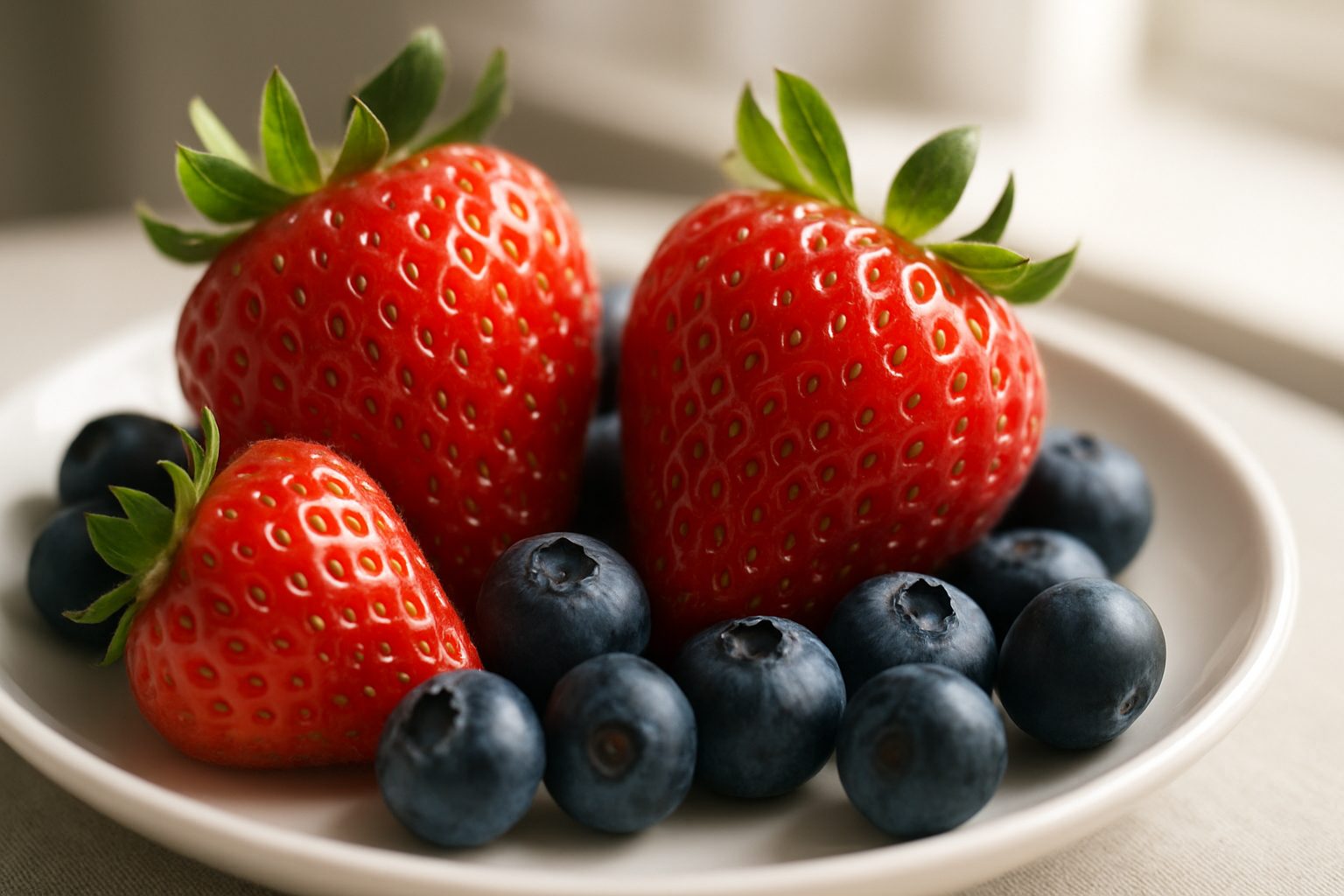
Whole fruit instead of juice. Berries, apples, pears, citrus, and stone fruits have fiber that slows sugar absorption. A medium apple raises blood sugar more gently than a half cup of apple juice.
For dessert cravings, Greek yogurt with berries, a small piece of dark chocolate (70%+), or a protein bar with under 8 g of added sugar all work well. The protein content slows sugar absorption.
Diet sodas and zero-sugar beverages are technically fine but the artificial sweeteners can cause bloating and gas in sensitive patients.
Do Carbonated Drinks Cause Problems?
Yes, in patients prone to bloating or reflux. Carbonation introduces gas into a slowed stomach, increasing internal pressure and aggravating reflux. The patients who get the worst reflux on GLP-1 medications are usually the ones drinking sparkling water or diet soda with meals.
Swap to still water during meals. Save carbonated drinks for between meals or skip them entirely during titration weeks.
If reflux is severe, also avoid coffee, alcohol, mint, and chocolate, all of which relax the lower esophageal sphincter and worsen reflux on top of slowed emptying.
What About Spicy Food?
Spicy food doesn’t cause nausea directly but worsens reflux substantially. Capsaicin irritates the esophageal lining and the GLP-1-related reflux already in progress.
If you’re prone to heartburn, drop spicy foods for the first 4 weeks after each dose increase. Most patients can add them back at stable dose without issue.
Mild spice (black pepper, paprika, garlic) is usually fine. Aggressive spice (hot peppers, hot sauce in large amounts, vindaloo-level dishes) is the problem.
Key Takeaway: Spicy foods worsen reflux but rarely cause nausea on their own
Does Alcohol Make Side Effects Worse?
Yes, substantially. Alcohol amplifies nausea, dehydration, and reflux on GLP-1 medications. It also affects you faster and harder because slowed gastric emptying changes absorption kinetics.
A patient who normally drinks two glasses of wine without issue may feel a full hangover from one glass on semaglutide. Patients who drink more than 2-3 drinks in a session frequently report severe nausea and vomiting the next day.
The safest approach is to skip alcohol entirely for the first 4 weeks after any dose change. After that, 1-2 drinks per week is the upper limit for most patients. Stick to dry wine or spirits with sparkling water; avoid sugary cocktails and beer.
Why Does Dairy Sometimes Cause Issues?
Two reasons. First, dairy is often high in fat (whole milk, cream, full-fat cheese), which slows emptying further. Second, slowed gastric emptying can unmask mild lactose intolerance that wasn’t symptomatic before.
If dairy bothers you, switch to low-fat or fat-free versions: skim milk, low-fat Greek yogurt, light cheese, cottage cheese. Lactose-free milk and lactose-free yogurt work for the small subset of patients with true lactose intolerance.
Greek yogurt and cottage cheese remain among the best protein-dense foods on GLP-1 medications. Most patients tolerate them fine even when other dairy products cause symptoms.
What About High-fiber Foods?
Fiber is generally good but raw cruciferous vegetables in large portions can cause gas and bloating. Slowed gastric emptying gives gut bacteria more time to ferment fiber, producing more gas than usual.
Worst offenders for raw fiber: large raw broccoli salads, raw cabbage slaws, raw cauliflower, raw Brussels sprouts.
Cook them instead. Steamed broccoli, sauteed cabbage, and roasted Brussels sprouts cause much less gas. Most patients can eat the same vegetable cooked that they couldn’t tolerate raw.
Add fiber gradually. A sudden jump from 10 g to 30 g of daily fiber will cause GI symptoms regardless of medication.
Why Does Eating Too Fast Make It Worse?
Slowed gastric emptying means each bite stays in the stomach longer. Eating fast piles food on top of food that hasn’t moved yet, which stretches the stomach quickly and triggers the fullness/nausea response.
The fix is to slow down deliberately. Put the fork down between bites. Aim for 20-25 minutes per meal minimum. Stop eating when comfortably satisfied, not full.
Most patients overestimate how much they can finish in the first 2 weeks of a dose increase. Plate smaller portions and go back for seconds if hunger allows.
What’s the Best Diet During the First 2 Weeks of a Dose Increase?
Bland, lean, low-fat, small portions. Think hospital recovery food: plain rice, baked chicken, white fish, eggs, plain Greek yogurt, soft-cooked vegetables, broth-based soup.
Avoid during the first 2 weeks of any dose change:
Fried foods. Spicy foods. Heavy cream sauces. Alcohol. Concentrated sugar. Carbonated drinks. Large portions of any food.
This isn’t permanent. After 2 weeks at a stable dose, most patients can reintroduce a wider variety of foods.
Bottom line: The first 2 weeks after each dose increase are the highest-risk period
FAQ
How Long Until Side Effects From a Bad Meal Pass?
Mild nausea usually fades within 4-12 hours. Severe nausea or vomiting can last 24-48 hours. Stay hydrated with electrolyte drinks and eat bland foods until symptoms clear.
Should I Eat Smaller Meals More Often?
Yes, especially during titration. Five small meals (200-300 calories each) tolerate much better than three large ones. Spread protein across all five.
What Helps with Reflux Specifically?
Smaller portions, no eating within 3 hours of bed, head-of-bed elevation, and avoiding the trigger foods listed above. A short course of famotidine or omeprazole can help during severe titration weeks.
Does Ginger Really Help with Nausea?
Yes. Ginger tea, ginger candies, and ginger capsules reduce nausea in clinical studies on chemotherapy and pregnancy patients. Many GLP-1 patients find ginger useful in the first 2 weeks of each dose increase.
What If Everything Makes Me Nauseous?
Drop back to bland foods (clear broth, plain rice, dry toast, plain crackers, applesauce) and message your clinician. Severe ongoing nausea may mean the current dose is too aggressive and a step down is needed.
Should I Avoid Coffee?
Moderate coffee is fine for most patients. Excessive coffee on an empty stomach can worsen reflux. One or two cups daily with food is the practical limit during titration.
Can I Eat Snack Foods?
Some, sparingly. Protein bars, beef jerky, string cheese, hard-boiled eggs, nuts in small portions, and Greek yogurt all work as snacks. Chips, cookies, and most packaged snack foods are too low in protein and too high in fat and sugar.
Disclaimer: This content is for informational purposes only and does not constitute medical advice. It is not intended to diagnose, treat, cure, or prevent any disease or condition. Individual results may vary. Always consult a qualified healthcare professional before starting any weight loss program or medication.

Transforming Lives, One Step at a Time
Keep reading
Does Your Shoe Size Change With GLP-1 Weight Loss?
Frequently, and usually in width rather than length. Your foot bones do not change, so the underlying structure stays the same. What changes is…

Do Skin Tags Go Away With GLP-1 Weight Loss?
Existing skin tags generally do not disappear on their own. What may change is how many new ones form, because skin tags are associated…
Does Dramamine Help With GLP-1 Nausea?
Probably not very well, and it is worth asking your provider or pharmacist before trying it. Dramamine contains dimenhydrinate, an antihistamine that works primarily…


