What to Drink on Mounjaro for Best Results
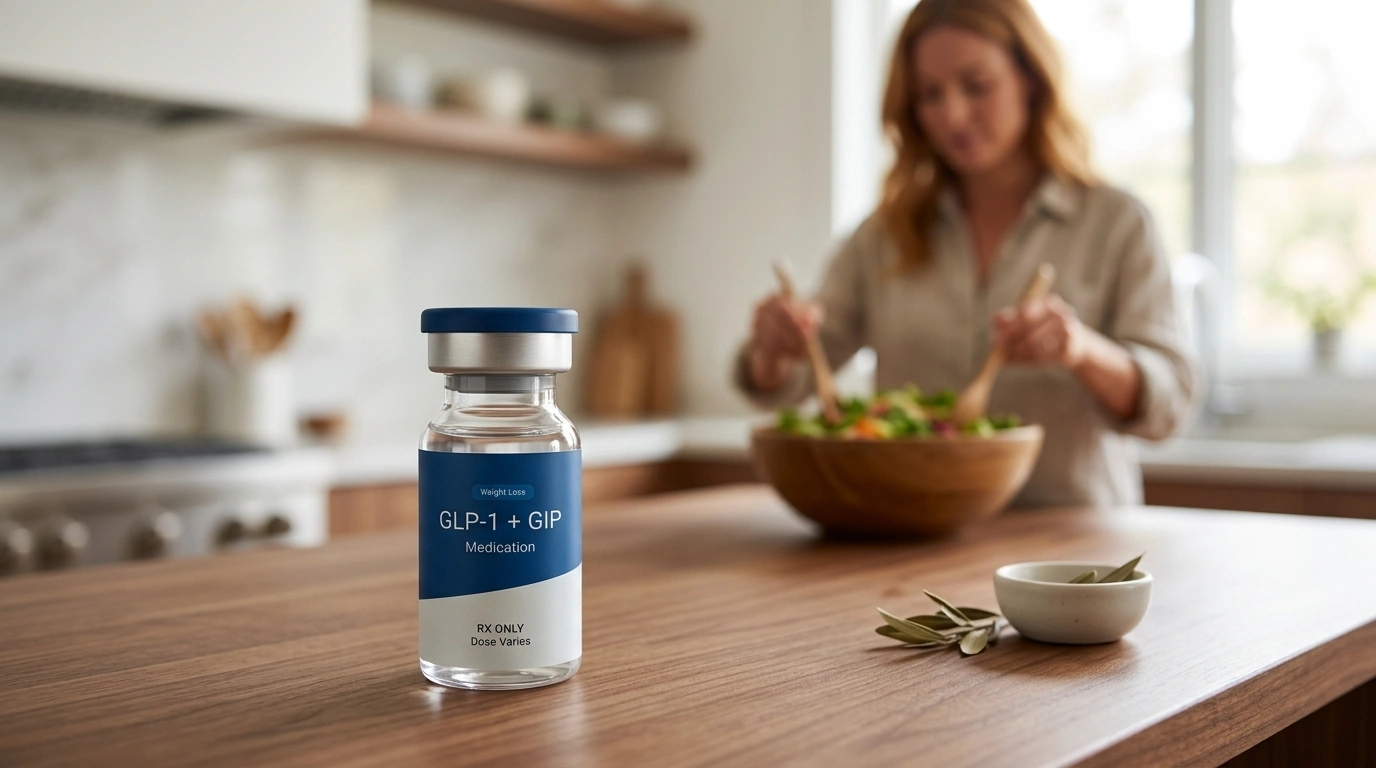
Table of Contents
- Introduction
- The Importance of Hydration with GLP-1 Medications
- Best Beverage Choices While on Mounjaro®
- Beverages to Limit or Avoid
- Alcohol and Mounjaro®: What You Need to Know
- Managing Side Effects Through Hydration
- A Daily Hydration Plan
- How TrimRx Supports Your Journey
- Conclusion
- FAQ
Introduction
Finding the right rhythm with a new medication often involves more than just remembering a weekly dose; it requires adjusting daily habits to support how your body responds. If you have recently started Mounjaro®, you may have noticed changes in your thirst levels or perhaps a new sensitivity to certain beverages. These shifts are common as your body adapts to tirzepatide, the active ingredient in the medication. At TrimRx, we believe that understanding these small daily choices is the key to a more comfortable and successful weight loss journey. This article will explain which drinks can help manage common side effects, which ones might hinder your progress, and how to maintain optimal hydration while on your program. By choosing the right fluids, you can support your metabolism and improve your overall experience.
If you are still figuring out whether prescription support is the right fit, see if you qualify with the free assessment quiz.
Quick Answer: The best drinks while taking Mounjaro® include plain water, electrolyte-enhanced beverages, ginger or peppermint teas, and protein shakes. It is generally recommended to limit alcohol, sugary sodas, and highly carbonated drinks, as these can worsen nausea and digestive discomfort.
The Importance of Hydration with GLP-1 Medications
When you take a medication like Mounjaro®, your body undergoes several metabolic changes. Tirzepatide is a dual agonist, meaning it mimics two different hormones in your body: glucagon-like peptide-1 (GLP-1) and glucose-dependent insulinotropic polypeptide (GIP). Together, these hormones help regulate blood sugar and slow down “gastric emptying,” which is the scientific term for how quickly food and liquid leave your stomach.
Because your stomach stays full longer, you may feel less inclined to drink water throughout the day. However, staying hydrated is more important now than ever. Water is essential for processing the medication, supporting kidney function, and moving waste through your digestive system. Many people mistake thirst for hunger, or they may feel a bit of “food noise” return simply because they are dehydrated.
For a broader look at hydration and weight-loss habits, read our water-and-weight-loss guide.
Hydration and Side Effect Management
Many of the common side effects associated with GLP-1 and GIP medications—such as nausea, headaches, and fatigue—are often exacerbated by dehydration. When your digestion slows down, your body may absorb water from your stool, which can lead to constipation. Drinking enough fluid ensures that your digestive tract remains lubricated and functional.
Water Weight and Glycogen
In the early stages of a weight loss program, the body often releases stored glycogen (the way your body stores carbohydrates). Glycogen holds onto a significant amount of water. As these stores are used, you lose “water weight,” which can lead to a rapid depletion of fluids and electrolytes. Replacing these is vital for maintaining your energy levels.
Key Takeaway: Mounjaro® slows down your digestion, which can make you feel less thirsty even when your body needs more fluid to manage side effects and metabolic changes.
Best Beverage Choices While on Mounjaro®
Choosing the right fluids involves finding a balance between hydration, nutrition, and digestive comfort. Since your appetite may be significantly reduced, every sip should ideally serve a purpose.
1. Water and Infused Water
Plain water is the gold standard for hydration. If you find plain water unappealing, try infusing it with natural flavors. Slices of cucumber, mint, or lemon can make water more refreshing without adding sugar or calories. Cold water can sometimes be easier to tolerate if you are experiencing mild nausea.
2. Electrolyte-Enhanced Drinks
Electrolytes are essential minerals—like sodium, potassium, and magnesium—that help your cells communicate and maintain fluid balance. Many people on weight loss programs find that they feel “run down” or experience muscle cramps. This is often a sign of an electrolyte imbalance. Look for low-sugar or sugar-free electrolyte powders to add to your water. We often see that a daily electrolyte boost can significantly reduce the “brain fog” some individuals report when starting their journey.
If you want targeted nutritional support while eating less, the GLP-1 Daily Support supplement is designed for that kind of everyday help.
3. Herbal Teas
Herbal teas are excellent because they provide hydration alongside soothing properties for the digestive system.
- Ginger Tea: Known for its ability to settle the stomach and reduce nausea.
- Peppermint Tea: May help alleviate bloating and gas.
- Chamomile Tea: A good choice for evening hydration that supports relaxation.
4. Protein Shakes
When your appetite is very low, it can be a challenge to consume enough protein to protect your muscle mass. High-quality protein shakes can serve as “liquid nutrition.” Look for options that are low in added sugars and contain at least 20–30 grams of protein. This ensures that even if you aren’t hungry for a full meal, you are giving your muscles the support they need to stay strong during weight loss.
5. Bone Broth
Bone broth is an often-overlooked hydration hero. It provides fluids, a small amount of protein, and essential electrolytes like sodium and potassium. It is also very gentle on the stomach, making it a perfect choice on days when you feel particularly sensitive to solid foods.
Bottom line: Focus on high-quality hydration like water, electrolytes, and protein-rich liquids to keep your energy up and your digestion moving.
Beverages to Limit or Avoid
While some drinks support your goals, others can interfere with how the medication works or make side effects feel much worse.
Sugary Sodas and Fruit Juices
Mounjaro® is designed to help regulate blood sugar and insulin levels. Consuming high volumes of sugar in liquid form can cause rapid spikes and crashes in glucose, which works against the medication’s primary function. Furthermore, these drinks are “empty calories” that provide no satiety, making it harder to reach your weight management goals.
Highly Carbonated Drinks
Because the medication slows down your stomach, gas can become trapped more easily. Carbonated beverages—including sparkling water and sodas—introduce extra air into the digestive tract. For many, this leads to uncomfortable bloating, burping, and even increased acid reflux. If you love bubbles, try letting your drink sit for a few minutes to lose some of its fizz, or limit your intake to small amounts.
Excessive Caffeine
While a morning cup of coffee is generally fine, be cautious with high doses of caffeine from energy drinks or multiple espressos. Caffeine is a diuretic, meaning it encourages your body to flush out fluids. If you are already struggling to stay hydrated, excessive caffeine can make the problem worse. Additionally, some people find they are more sensitive to the “jitters” or increased heart rate that caffeine can cause while on a GLP-1 program.
For more context on medication side effects and how they can affect daily routines, our GLP-1 side effects guide is a helpful companion read.
Highly Acidic Drinks
If you are experiencing heartburn or acid reflux—common side effects of delayed gastric emptying—you may want to limit acidic beverages. This includes heavy amounts of orange juice, lemonade, and very dark roasts of coffee. These can irritate the lining of the esophagus and stomach.
Alcohol and Mounjaro®: What You Need to Know
The relationship between alcohol and GLP-1 medications is a topic that requires careful consideration. While there is no absolute ban on alcohol, most healthcare providers recommend significant caution.
Increased Sensitivity
Many people report that their tolerance for alcohol drops significantly once they start taking Mounjaro®. You may find that one drink feels like two or three, and the “hangover” symptoms the next day can be much more severe. This is partly due to the slower rate of digestion, which changes how alcohol is processed and cleared from your system.
Blood Sugar Risks
Both alcohol and tirzepatide can lower blood sugar. When combined, the risk of hypoglycemia (dangerously low blood sugar) increases. This is especially important for individuals who are also managing type 2 diabetes.
Pancreatic Health
While rare, GLP-1 medications have been associated with an increased risk of pancreatitis. Heavy alcohol consumption is a primary risk factor for pancreatitis as well. To keep your system safe, it is generally best to keep alcohol consumption to a minimum.
Empty Calories and Cravings
Alcohol is calorie-dense and often leads to lowered inhibitions regarding food choices. Since your program is focused on creating a sustainable, healthy lifestyle, reducing alcohol can help you stay aligned with your weight loss targets.
If you are considering prescription support and want a personalized starting point, take the free assessment quiz.
Note: If you choose to drink alcohol, do so in moderation, stay extra hydrated with water, and monitor how you feel closely. Always consult your healthcare provider about your specific risks.
Managing Side Effects Through Hydration
If you do experience discomfort, your choice of beverage can often be your first line of defense.
Strategies for Nausea
- Small, Frequent Sips: Do not try to chug a large glass of water if you feel nauseous. Instead, take small sips every few minutes.
- Temperature Matters: Some people find ice-cold water soothing, while others prefer room-temperature ginger tea. Experiment to see what works for your stomach.
- Avoid “Heavy” Liquids: If you feel a “fullness” in your chest or throat, avoid thick smoothies or dairy-heavy drinks until the feeling passes.
Strategies for Constipation
- Water is Non-Negotiable: Fiber cannot do its job without water. If you increase your fiber intake but don’t drink enough, you may actually become more constipated.
- Warm Liquids: A warm cup of herbal tea in the morning can sometimes help stimulate the “gastrocolic reflex,” which encourages a bowel movement.
Strategies for Heartburn
- Vertical Hydration: Avoid drinking large amounts of fluid right before lying down.
- Alkaline Options: Some find that slightly alkaline water or small amounts of low-fat milk can help neutralize stomach acid.
For another practical look at how hydration affects appetite and results, this water-and-weight-loss article offers a useful framework.
Myth: “I should drink as much water as possible all at once to stay hydrated.” Fact: Because your stomach empties slowly, drinking a huge amount of water quickly can cause discomfort or nausea. It is much better to sip steadily throughout the day.
A Daily Hydration Plan
Building a routine helps ensure you don’t find yourself at the end of the day feeling parched and depleted. Here is a simple framework for a hydration-focused day:
- Step 1: Start Early. Drink 8–12 ounces of water with electrolytes immediately upon waking. This replaces fluids lost during sleep.
- Step 2: Sip Between Meals. Since you may feel full quickly during meals, focus on getting the majority of your water in between eating sessions.
- Step 3: Support Your Protein Intake. Have a protein shake or a cup of bone broth as a mid-afternoon snack to keep your energy stable.
- Step 4: Soothe the Evening. End your day with a warm, caffeine-free herbal tea to help with digestion and hydration before bed.
- Step 5: Monitor Your Cravings. If you feel a sudden urge for a snack, drink a glass of water first and wait 15 minutes. It might just be thirst.
How TrimRx Supports Your Journey
At TrimRx, we understand that medical weight loss is about more than just a prescription. It is about a holistic approach to your health. Our personalized programs are designed to provide you with the tools you need to succeed, including access to licensed providers who can help you navigate these daily habit changes.
Whether you are using compounded semaglutide or are interested in how a program might support your use of Mounjaro® or Zepbound®, we provide a telehealth-first experience. This means no waiting rooms and no unnecessary stress. We also offer targeted supplements like GLP-1 Daily Support, which is designed to help provide the nutrients your body needs while on these medications. Our goal is to make your path to metabolic health as clear and supportive as possible.
If you are still learning how GLP-1 medications work in the body, our GLP-1 explainer can help make the bigger picture easier to understand.
Conclusion
What you drink while taking Mounjaro® plays a significant role in how you feel and how quickly you reach your goals. By prioritizing water, electrolytes, and protein-rich liquids while limiting sugar, excessive caffeine, and alcohol, you set yourself up for a smoother experience. Remember that everyone’s body reacts differently; what works for one person may not work for another.
The journey to sustainable weight loss is a marathon, not a sprint. Proper hydration is the fuel that keeps you moving forward. We are here to support you with professional guidance and a community that understands the nuances of this process.
If you are ready to take the next step in your health journey, complete the free assessment quiz. If you are focused on everyday nutritional support, GLP-1 Daily Support may be a helpful addition.
Key Takeaway: Proper hydration is a fundamental pillar of GLP-1 therapy that reduces side effects, protects muscle mass, and keeps your metabolism functioning at its best.
FAQ
Can I drink coffee while taking Mounjaro®?
Yes, most people can enjoy coffee in moderation. However, because caffeine can be dehydrating and may increase heart rate, it is important to balance your coffee intake with plenty of water. If you experience increased acid reflux, you may want to switch to a less acidic brew or reduce your consumption.
Why do I feel more nauseous after drinking soda?
Sodas are often high in sugar and carbonation, both of which can cause issues when your digestion is slowed down. The bubbles can create trapped gas in the stomach, while the high sugar content can cause blood sugar fluctuations that lead to feelings of queasiness. Switching to still, flavored water is often much more comfortable.
Are electrolyte drinks necessary on this medication?
While not strictly required for everyone, many patients find them extremely helpful. When you lose weight and reduce your food intake, you may not be getting enough minerals like sodium and potassium from your diet. Electrolytes can help prevent the headaches, fatigue, and muscle cramps that sometimes occur during the early stages of a weight loss program.
Should I avoid alcohol entirely on Mounjaro®?
While you don’t necessarily have to avoid it entirely, it is wise to be very cautious. Alcohol can lower your blood sugar, increase the risk of stomach irritation, and may feel much stronger than it did before you started the medication. Many people find that they naturally lose interest in alcohol as the medication begins to work on the brain’s reward pathways.
If you want to explore a broader educational overview of GLP-1 support and program options, this guide to GLP-1 support is a useful next read.
Disclaimer: This content is for informational purposes only and does not constitute medical advice. It is not intended to diagnose, treat, cure, or prevent any disease or condition. Individual results may vary. Always consult a qualified healthcare professional before starting any weight loss program or medication.

Transforming Lives, One Step at a Time
Keep reading

Mounjaro Alternatives: What Else to Consider
If Mounjaro isn’t the right fit, the closest alternatives are other GLP-1 medications, chiefly semaglutide (Ozempic for diabetes, Wegovy for weight), along with a…

Mounjaro vs Zepbound: Same Drug, Two Brands
Like their semaglutide counterparts, Mounjaro and Zepbound are the same medication (tirzepatide) sold under two names for two purposes: Mounjaro is approved for type…

Retatrutide vs Mounjaro: Triple Agonist vs Dual Agonist
The core difference between retatrutide and Mounjaro comes down to how many hormone targets each hits: retatrutide activates three receptors, while Mounjaro (tirzepatide) activates…


