How Long Before Mounjaro Curbs Appetite?
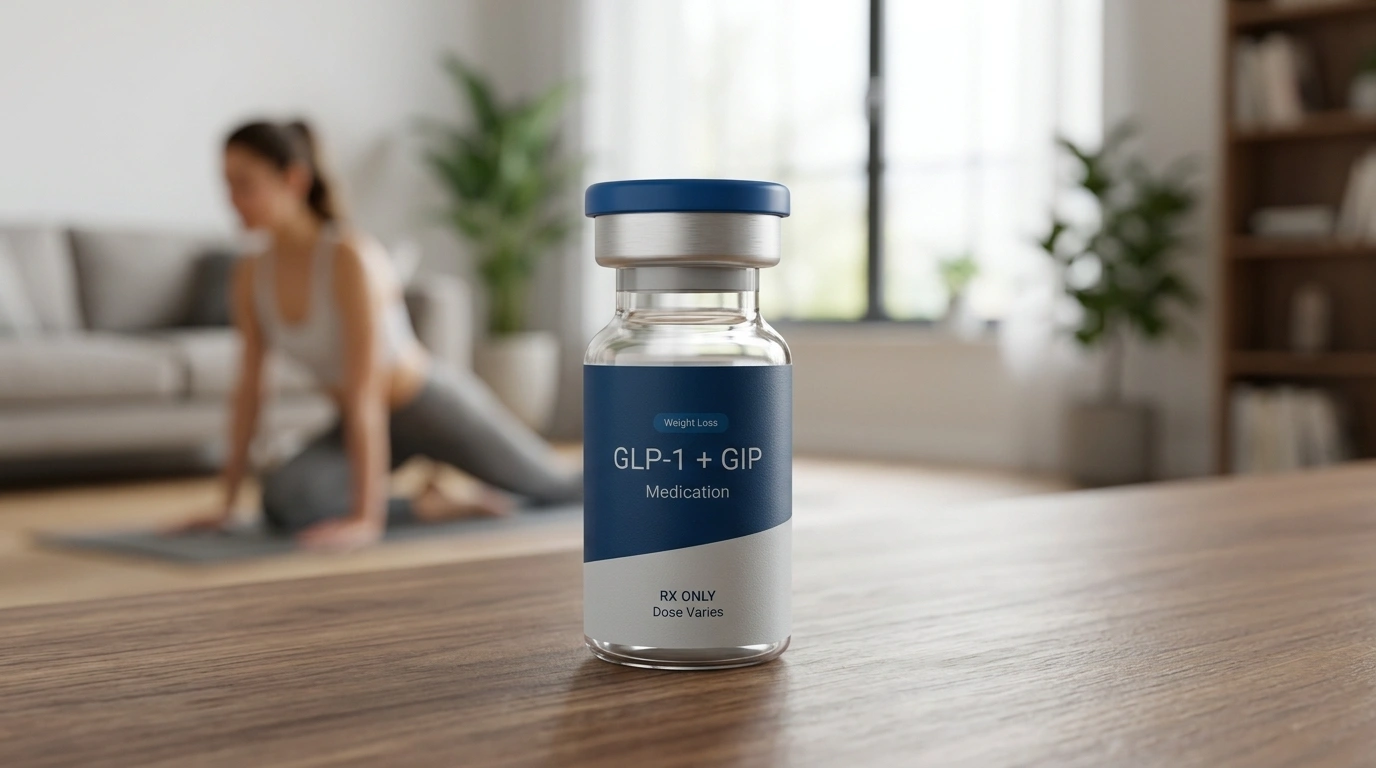
Table of Contents
- Introduction
- The Biological Timeline of Appetite Suppression
- How Tirzepatide Works in the Body
- The Role of Titration and Dosing
- Factors That Influence How Fast You Feel Effects
- What “Curbed Appetite” Actually Feels Like
- Managing the Transition with TrimRx
- Practical Steps for Success
- When to Consult a Healthcare Provider
- Why the Initial “Slow” Phase Matters
- Maximizing the Results of Your Personalized Program
- Conclusion
- FAQ
Introduction
Starting a weight loss journey often involves a period of intense anticipation. If you have struggled with “food noise”—the constant, intrusive thoughts about your next meal—you are likely looking for a solution that provides more than just willpower. Many individuals exploring modern medical options want to know exactly how long before Mounjaro® curbs appetite and provides that much-needed quiet in the mind. At TrimRx, we understand that these questions come from a place of wanting to regain control over your health and daily habits. If you want a broader look at how this hormone pathway works, what GLP-1 does is a helpful place to start. This article explores the biological timeline of how tirzepatide, the active ingredient in Mounjaro®, interacts with your body to signal fullness. While some people notice a difference within the first twenty-four hours, the most significant and sustainable appetite suppression typically develops over several weeks as the medication reaches a steady state in your system.
The Biological Timeline of Appetite Suppression
When you begin a treatment involving tirzepatide, your body undergoes a series of complex hormonal shifts. Mounjaro® is a dual-receptor agonist, meaning it mimics two specific hormones in the body: glucagon-like peptide-1 (GLP-1) and glucose-dependent insulinotropic polypeptide (GIP). These hormones work together to tell your brain you are full and to slow down the speed at which your stomach empties its contents.
For many individuals, the initial effects on hunger can be felt quite rapidly. Because the medication is administered via a weekly injection, it enters the bloodstream and begins interacting with receptors in the brain and digestive tract almost immediately. For a deeper look at the way semaglutide affects hunger signals over time, this appetite timeline guide offers useful context.
Quick Answer: Most patients report a noticeable decrease in hunger within 24 to 72 hours after their first injection. However, the full “appetite-quieting” effect often takes four to eight weeks to stabilize as the dosage is gradually increased.
The First 24 to 48 Hours
In the first day or two after your first dose, the concentration of the medication in your blood peaks. This is often when people first notice they are finishing smaller portions or that they are simply not thinking about snacks between meals. This immediate response is the result of the medication’s direct impact on the hypothalamus, the part of the brain that regulates hunger and thirst.
The First Month (The Initial Dosing Phase)
The standard starting dose for tirzepatide is typically 2.5 mg. It is important to understand that this initial dose is primarily designed to help your body acclimate to the medication and minimize potential side effects. While some individuals experience significant appetite suppression on this low dose, others may find the effect wears off a few days before their next scheduled injection. This is a normal part of the process as the medication builds up in your system.
Beyond Month Two: Reaching a Steady State
As you move from the 2.5 mg dose to the 5 mg dose and beyond, the appetite suppression usually becomes more consistent. By this point, the medication has reached what researchers call a “steady state,” where the levels in your blood remain relatively constant throughout the week. This is typically when the “food noise” stays quiet from one injection to the next.
How Tirzepatide Works in the Body
To understand the timeline, it helps to understand the two-pronged approach this medication takes. Unlike older weight loss medications that only targeted one pathway, tirzepatide works on two different hormone receptors.
First, it mimics the GLP-1 hormone. This hormone is naturally released by your intestines after you eat. It signals to the brain that you have had enough food and slows down gastric emptying. When your stomach stays full longer, you naturally feel less inclined to eat again soon.
Second, it mimics the GIP hormone. This is a unique feature of tirzepatide. GIP is thought to work alongside GLP-1 to improve how the body breaks down sugar and fat. It may also play a role in how the brain perceives the reward or “pleasure” of eating, which can be particularly helpful for those who struggle with emotional or stress-related eating.
For patients who want to understand how reduced appetite can be turned into lasting habits, GLP-1 success strategies that actually stick is a useful follow-up.
Key Takeaway: The dual-action nature of tirzepatide—targeting both GLP-1 and GIP receptors—is why many people find it highly effective for curbing hunger compared to single-hormone medications.
The Role of Titration and Dosing
One of the most common reasons someone might feel that their appetite hasn’t been “curbed” enough in the beginning is the titration schedule. Titration is the process of starting on a low dose and slowly increasing it over several months.
A typical schedule might look like this:
- Weeks 1-4: 2.5 mg (Starting dose for acclimation)
- Weeks 5-8: 5 mg (First therapeutic increase)
- Weeks 9-12: 7.5 mg (Continued adjustment based on response)
The reason for this slow climb is safety and comfort. Jumping straight to a high dose could cause significant digestive upset. Because of this schedule, your “appetite suppression” may feel like a staircase—it gets stronger and more reliable each time you move up to a new dose level.
If you are wondering whether prescription treatment is the right next step, take the free assessment quiz to see whether you may be a fit for a personalized program.
Note: If you do not feel a dramatic change in your hunger during the first four weeks, do not be discouraged. The starting dose is often below the level required for maximum clinical effect; its job is to prepare your system for higher doses later.
Factors That Influence How Fast You Feel Effects
No two bodies are exactly alike, and several factors can influence how quickly you respond to the medication.
1. Metabolic Health and Insulin Sensitivity Individuals with a high degree of insulin resistance or those managing type 2 diabetes may find that their body takes a little longer to respond to the hormonal signals of the medication. As your metabolic health improves over the first few months, the appetite-suppressing effects often become more pronounced.
2. Starting BMI Your initial body mass index (BMI) can play a role in how you perceive the medication’s effects. Those with more significant metabolic “noise” may notice a very dramatic shift early on, while others might experience a more subtle, gradual change in their eating patterns.
3. Dietary Habits and Protein Intake What you eat while taking the medication matters. Protein is known to naturally increase satiety (the feeling of fullness). If you are prioritizing lean proteins and fiber, you are working with the medication rather than against it. For more on this, the best protein supplement for weight loss explains why protein matters so much during a calorie deficit. On the other hand, a diet high in processed sugars can cause blood sugar spikes that might temporarily override the medication’s signals.
4. Hydration Levels Dehydration can sometimes be mistaken for hunger. Because these medications can change how you experience thirst, staying consistently hydrated is essential for accurately feeling the medication’s impact on your appetite.
What “Curbed Appetite” Actually Feels Like
It is a common misconception that “curbed appetite” means you will never want to eat again. That is not the goal of a healthy weight loss program. Instead, most people describe the feeling as a new sense of “food neutrality.”
- You feel full faster: You might get halfway through a meal and realize you are genuinely finished, rather than eating until the plate is clean.
- Reduced cravings: The intense desire for specific high-calorie or “trigger” foods often diminishes.
- Less “Food Noise”: You no longer spend your afternoon thinking about what you will have for dinner or scanning the pantry for snacks.
- Longer intervals between meals: You can go several hours without feeling a “hunger emergency.”
If you are building healthier routines while appetite is quieter, how to start a weight loss journey is a practical companion read.
Bottom line: The goal of the medication is not to eliminate hunger entirely, but to bring it back to a manageable, healthy level that allows you to make better choices without feeling deprived.
Managing the Transition with TrimRx
Navigating the early weeks of a weight loss program can be a time of both excitement and uncertainty. Our platform is designed to provide a personalized experience that moves beyond just a prescription. We connect you with licensed healthcare providers who can help determine if a GLP-1 or GIP medication is right for you based on your unique health profile. If you are ready to see whether prescription treatment fits your needs, complete the free assessment quiz.
Through our telehealth-first model, you can access medical consultations and ongoing support without the need for in-person waiting rooms. If a provider determines you are a candidate, we help facilitate access to medications like compounded tirzepatide.
A Note on Compounded Medications: It is important to distinguish between branded and compounded options. While Mounjaro® and Zepbound® are FDA-approved branded medications, they are sometimes in short supply. Compounded tirzepatide is a customized medication prepared by a licensed pharmacist in an FDA-registered, inspected compounding pharmacy. While compounded medications themselves are not FDA-approved, they use the same active ingredients found in the branded versions to help patients maintain their treatment consistency.
Practical Steps for Success
If you are just starting out or preparing to start, there are steps you can take to make the most of the medication’s appetite-suppressing effects.
Step 1: Focus on protein-first meals. / Prioritize eating your protein source at the beginning of each meal to maximize the feeling of fullness and preserve lean muscle mass.
Step 2: Listen to your body’s signals. / Practice mindful eating by pausing halfway through your meal to check if you are actually still hungry.
Step 3: Stay consistent with your schedule. / Administer your injection on the same day each week to maintain a steady level of the medication in your system.
Step 4: Use supportive supplements if needed. / For some, the transition involves managing mild digestive changes. We offer products like GLP-1 Daily Support to help provide the nutrients your body needs during this transition.
Step 5: Track your progress, not just the scale. / Pay attention to how your relationship with food is changing. Are you snacking less? Is the “noise” quieter? These are major wins.
When to Consult a Healthcare Provider
While waiting for your appetite to decrease is a normal part of the process, there are times when you should seek professional guidance. At any point in your journey, our platform ensures you have 24/7 access to specialists who can answer your questions.
You should reach out to a provider if:
- You experience severe or persistent nausea that prevents you from eating at all.
- You have reached the 5 mg or 7.5 mg dose and still feel no change in your hunger levels.
- You have concerns about specific side effects or how the medication interacts with other health conditions.
- You feel dizzy or lightheaded, which could be a sign that you are not consuming enough calories or fluids.
If you are unsure whether your symptoms or your progress fit the expected pattern, take the free assessment quiz and connect with a provider who can help guide your next step.
Important: Every individual’s metabolic response is different. Never adjust your dosage or skip doses without first consulting with a qualified healthcare professional.
Why the Initial “Slow” Phase Matters
It can be tempting to want immediate, total appetite suppression from day one. However, the first few weeks of a gradual response are actually beneficial for long-term success. A slower transition allows you to:
- Build New Habits: If hunger vanished instantly and completely, you wouldn’t have the opportunity to practice making healthier food choices while you still have a baseline appetite.
- Minimize Side Effects: Rapid hormonal changes can be hard on the digestive system. A gradual “curbing” of the appetite is usually a sign that your body is adjusting safely.
- Prevent “Crash” Weight Loss: Sustainable weight loss is a marathon, not a sprint. Losing weight at a steady, moderate pace is healthier for your heart, your skin, and your metabolism.
Maximizing the Results of Your Personalized Program
A medication is a powerful tool, but it is most effective when integrated into a comprehensive lifestyle plan. Our mission at TrimRx is to help you embrace a healthier lifestyle through science and empathy. We provide the platform for you to receive medical supervision and high-quality medication, but the ultimate success comes from the synergy between the treatment and your daily choices.
Whether you are using branded medications like Mounjaro® or Zepbound®, or you are prescribed compounded tirzepatide through our partner pharmacies, the goal remains the same: achieving a weight that allows you to live your life to the fullest. By quieting the hunger and reducing the constant pull of cravings, these medications give you the “breathing room” to focus on the other pillars of health, such as movement, sleep, and emotional well-being. For another perspective on long-term success after appetite reduction, habits that actually stick on GLP-1 is worth a read.
Myth: If I don’t lose weight in the first week, the medication isn’t working. Fact: The first month is an acclimation phase. Significant weight loss typically follows the stabilization of appetite suppression, which occurs as you move into higher doses.
Conclusion
Understanding how long before Mounjaro® curbs appetite is a key part of setting realistic expectations for your weight loss journey. While the initial biological response often begins within 24 to 72 hours, the reliable, consistent “quieting” of food noise usually takes a few weeks to fully manifest as you move through the titration schedule. This journey is highly personal, and factors like metabolic health, diet, and hydration all play a role in how quickly you will feel the effects.
We are here to support you every step of the way with a science-backed, empathetic approach to sustainable weight management. If you are ready to take the next step toward a healthier version of yourself, see if you qualify for a personalized program.
Key Takeaway: Success with GLP-1 and GIP medications is measured by long-term consistency rather than immediate, overnight changes. Patience during the first month is essential for a safe and effective transition.
FAQ
Why do I still feel hungry a few days after my Mounjaro® injection?
The medication has a half-life of about five days, meaning the concentration in your blood begins to dip toward the end of the week. Especially on lower starting doses like 2.5 mg, it is common for appetite to return slightly before your next dose. As you progress to higher doses, the levels in your system will remain more stable throughout the entire week. If you want help deciding whether your treatment plan is the right fit, take the free assessment quiz.
Can I skip the 2.5 mg dose to get to the appetite-curbing effect faster?
No, it is medically necessary to start at the 2.5 mg dose to allow your body to acclimate. Skipping this stage significantly increases the risk of severe gastrointestinal side effects like nausea, vomiting, and cramping. Following the standard titration schedule ensures a safer and more comfortable experience.
What should I do if my appetite hasn’t changed after a month?
If you have finished your first four weeks on the 2.5 mg dose and feel no change, do not worry. This is a common experience because the 2.5 mg dose is considered sub-therapeutic for many people. Discuss your experience with your healthcare provider, as they will likely move you up to the 5 mg dose, where most people begin to feel a more significant impact. You can also complete the free assessment quiz if you want help starting a new program or reviewing your options.
Will the appetite suppression last forever?
The medication is designed for long-term weight management. While your body does adapt over time, the hormonal signaling typically remains effective as long as you maintain your prescribed dosage. If you eventually stop the medication, the “food noise” and original hunger signals will likely return, which is why habit formation during treatment is so important.
Disclaimer: This content is for informational purposes only and does not constitute medical advice. It is not intended to diagnose, treat, cure, or prevent any disease or condition. Individual results may vary. Always consult a qualified healthcare professional before starting any weight loss program or medication.

Transforming Lives, One Step at a Time
Keep reading

Mounjaro Alternatives: What Else to Consider
If Mounjaro isn’t the right fit, the closest alternatives are other GLP-1 medications, chiefly semaglutide (Ozempic for diabetes, Wegovy for weight), along with a…

Mounjaro vs Zepbound: Same Drug, Two Brands
Like their semaglutide counterparts, Mounjaro and Zepbound are the same medication (tirzepatide) sold under two names for two purposes: Mounjaro is approved for type…

Retatrutide vs Mounjaro: Triple Agonist vs Dual Agonist
The core difference between retatrutide and Mounjaro comes down to how many hormone targets each hits: retatrutide activates three receptors, while Mounjaro (tirzepatide) activates…


