Best Foods to Eat While on Zepbound for Better Results
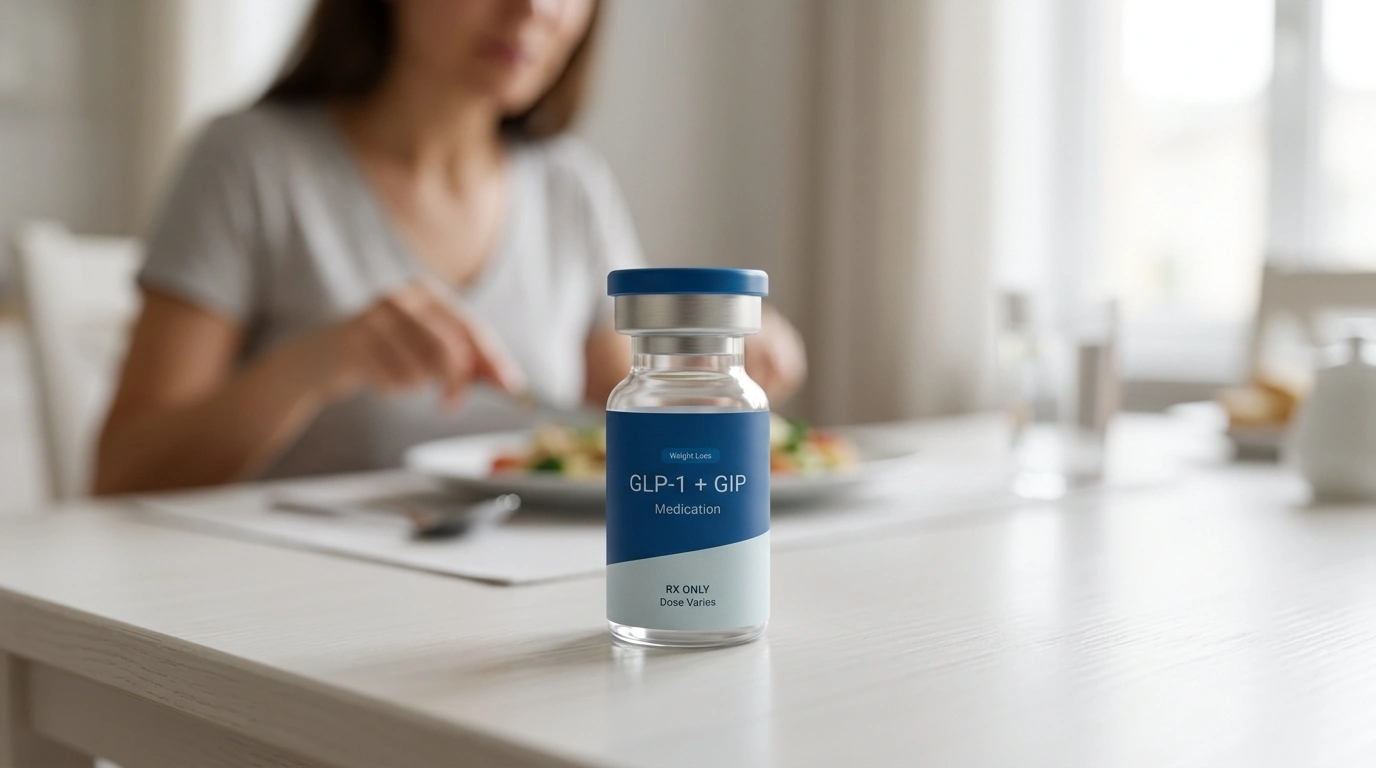
Table of Contents
- Introduction
- How Your Medication Influences Nutritional Needs
- Prioritizing Lean Protein for Muscle Preservation
- Managing Digestion with Fiber-Rich Carbohydrates
- The Role of Healthy Fats
- Hydration and Electrolyte Balance
- Foods to Limit or Avoid
- A Sample Day of Eating
- Managing Side Effects Through Food Choice
- Supporting Your Journey with TrimRx
- Conclusion
- FAQ
Introduction
Starting a weight loss journey with a medication like Zepbound® is a significant step toward improving your metabolic health. However, many people quickly realize that their old eating habits no longer align with how their body feels. Because this medication changes how you process food and perceive hunger, choosing the right nutrients becomes essential for both your comfort and your long-term success.
At TrimRx, we believe that the right medication is only one part of the equation; a personalized approach to nutrition ensures you feel your best while reaching your goals. This article will cover the best foods to eat while on Zepbound, which items to avoid to minimize side effects, and how to structure your daily meals for optimal health. If you are ready to see whether a personalized program is a fit, you can take the free assessment quiz.
By focusing on nutrient-dense, easily digestible options, you can support your body’s natural GLP-1 and GIP pathways for a more sustainable transformation. For a deeper look at the same food-first approach, see our guide to what to eat on Zepbound.
Quick Answer: The best foods to eat while on Zepbound include lean proteins like chicken and tofu, high-fiber vegetables, and hydrating fruits. Prioritizing protein helps preserve muscle mass, while fiber manages digestive speed, helping you avoid common side effects like nausea or constipation.
How Your Medication Influences Nutritional Needs
Zepbound® is a dual GIP (glucose-dependent insulinotropic polypeptide) and GLP-1 (glucagon-like peptide-1) receptor agonist. These are hormones naturally produced by your body that regulate appetite and blood sugar. By mimicking these hormones, the medication slows down gastric emptying—the rate at which food leaves your stomach—and signals to your brain that you are full.
This physiological change means you will likely eat significantly less than you did before. When your total food intake decreases, the quality of every bite becomes much more important. You need to ensure you are getting enough vitamins, minerals, and macronutrients to maintain your energy levels and prevent muscle loss. For a practical breakdown of meal timing and digestion, our Zepbound meal timing guide is a helpful companion.
Furthermore, because food stays in your stomach longer, eating heavy or fried foods can lead to significant discomfort, such as indigestion, bloating, or acid reflux.
Prioritizing Lean Protein for Muscle Preservation
When you lose weight quickly, your body often burns both fat and muscle for energy. Maintaining muscle mass is critical because muscle is metabolically active; it helps you burn more calories at rest and keeps your strength intact. To protect your muscles, protein should be the centerpiece of every meal.
Top Protein Choices
Lean poultry and meats are excellent foundations for your diet. Chicken breast, turkey, and lean cuts of beef provide high-quality protein without excessive saturated fat. If you prefer plant-based options, tofu, tempeh, and seitan are versatile and easy on the digestive system.
Seafood is another stellar option. White fish like cod or tilapia are very lean and easy to digest when the stomach is processing food slowly. Fatty fish like salmon or mackerel provide essential omega-3 fatty acids, which support heart health and may help reduce inflammation.
Dairy and eggs can be convenient protein sources if you tolerate them well. Low-fat Greek yogurt and cottage cheese are particularly high in protein. Many people on GLP-1 medications find that a hard-boiled egg or a small serving of yogurt is a perfect snack when a full meal feels too heavy.
Calculating Your Protein Needs
A general rule of thumb for individuals on weight loss medications is to aim for roughly 0.8 to 1.2 grams of protein per kilogram of body weight. However, your specific needs depend on your activity level and starting weight. A healthcare provider through a platform like TrimRx can help you determine the right target for your health profile.
Key Takeaway: Protein is the most critical macronutrient during medical weight loss. Aim to include a lean source at every meal to protect your muscle tissue and stay satisfied longer.
Managing Digestion with Fiber-Rich Carbohydrates
One of the most common side effects of medications that slow gastric emptying is constipation. Fiber is your best tool for keeping your digestive system moving. However, you must balance fiber intake carefully; too much too fast can lead to bloating, especially when your digestion is already slower than usual.
Soluble vs. Insoluble Fiber
Soluble fiber dissolves in water and turns into a gel-like substance. It is found in oats, beans, and the flesh of fruits like apples and pears. This type of fiber can help regulate blood sugar levels and may help lower cholesterol.
Insoluble fiber does not dissolve and helps move material through your digestive system. It is found in whole wheat flour, nuts, beans, and vegetables like cauliflower and green beans. A mix of both is ideal for maintaining regularity.
Best Carbohydrate Sources
Focus on “slow-burning” carbohydrates that provide steady energy without causing sharp spikes in blood sugar.
- Non-starchy vegetables: Leafy greens, broccoli, zucchini, and peppers are low in calories but high in essential nutrients.
- Berries: Raspberries, blackberries, and strawberries are among the highest-fiber fruits and are packed with antioxidants.
- Whole grains: Quinoa, farro, and brown rice are nutrient-dense and provide the B vitamins needed for energy metabolism.
Note: If you struggle to eat enough vegetables due to a reduced appetite, consider a high-quality supplement. Our GLP-1 Daily Support supplement is designed to help bridge the gap when your food volume is low.
The Role of Healthy Fats
While high-fat, greasy foods are often a trigger for nausea on Zepbound®, your body still needs healthy fats to function. Fats are necessary for absorbing fat-soluble vitamins (A, D, E, and K) and for hormone production. The key is to choose “good” fats and consume them in moderation.
Recommended Healthy Fats
Avocados provide monounsaturated fats and a surprising amount of fiber. A small serving of avocado can make a meal feel more satisfying without being overly heavy.
Nuts and seeds, such as walnuts, chia seeds, and flaxseeds, offer healthy fats along with small amounts of protein and fiber. Because they are calorie-dense, a small handful is usually sufficient.
Olive oil is a great choice for cooking or dressing salads. It is heart-healthy and generally well-tolerated by the digestive system compared to butter or lard.
Hydration and Electrolyte Balance
Staying hydrated is arguably as important as what you eat. Many people find that their thirst cues diminish alongside their hunger cues when taking weight loss medications. Dehydration can lead to fatigue, headaches, and worsened constipation.
Water should be your primary beverage. Aim for at least 64 to 80 ounces a day, but listen to your body. Drinking small sips throughout the day is often easier than trying to drink a large glass all at once, which might cause feelings of excessive fullness.
Electrolytes are minerals like sodium, potassium, and magnesium that help your body maintain fluid balance. When you lose weight, especially in the early stages, you may lose excess water and electrolytes. If you feel dizzy or sluggish, adding an electrolyte powder to your water may help. Just be sure to choose one without added sugars.
Foods to Limit or Avoid
To minimize side effects like nausea, vomiting, and diarrhea, certain foods are best avoided or kept to a minimum. For more meal-planning ideas that match this stage of treatment, our starting Zepbound food guide covers the basics.
High-Fat and Fried Foods
Anything deep-fried, heavily buttered, or naturally very greasy (like pepperoni or fatty ribs) should be avoided. Because these foods take a long time to digest, they can sit in the stomach for an extended period, leading to severe indigestion or nausea.
Sugary Foods and Drinks
Highly processed sugars can cause rapid changes in blood sugar, which might counteract the benefits of your medication. Additionally, some people find that sugary foods trigger dumping syndrome or general malaise when their metabolism is being regulated by a GLP-1 agonist.
Carbonated Beverages
Soda and sparkling water can introduce air into the digestive tract. Since your stomach is emptying more slowly, this gas can become trapped, leading to painful bloating and frequent burping.
Large Meals
While not a specific “food,” the volume of your intake matters. Eating a large meal in one sitting is a common trigger for discomfort. Instead, aim for three small meals and one or two snacks throughout the day.
Myth: You should stop eating entirely if you aren’t hungry.
Fact: While appetite suppression is a goal, your body still needs fuel to function. Skipping meals entirely can lead to extreme fatigue, hair loss, and muscle wasting. Aim for small, nutrient-dense “mini-meals” even when your hunger is low.
A Sample Day of Eating
This example shows how an individual with a BMI over 30 might structure their day while on a personalized weight loss program. Every person is different, so it is important to adjust based on your own hunger levels and medical advice.
| Meal Time | Food Suggestion | Why it Works |
|---|---|---|
| Breakfast | Scrambled eggs with spinach or a small protein shake. | High protein to start the day; spinach adds fiber. |
| Mid-Morning | A small apple with a tablespoon of almond butter. | Fiber and healthy fats for sustained energy. |
| Lunch | Grilled chicken salad with vinaigrette and quinoa. | Lean protein and complex carbs are easy on the stomach. |
| Afternoon | Low-fat Greek yogurt or cottage cheese. | A quick protein boost to prevent late-day fatigue. |
| Dinner | Baked cod with steamed asparagus and half a sweet potato. | Very lean protein and easy-to-digest vegetables. |
Managing Side Effects Through Food Choice
If you do experience side effects, your food choices can act as a natural remedy. If you want a broader view of how nutrition and symptoms work together, our Zepbound nutrition guide offers another helpful overview.
- For Nausea: Try the “BRAT” diet (bananas, rice, applesauce, toast) in very small amounts. Ginger tea or peppermint can also soothe the stomach.
- For Constipation: Increase your intake of water and high-fiber foods like lentils or raspberries. Some people find relief by adding a magnesium supplement in the evening.
- For Heartburn: Avoid lying down immediately after eating. Stay away from spicy foods, caffeine, and citrus until your symptoms subside.
Supporting Your Journey with TrimRx
Navigating the nutritional requirements of medications like Zepbound® can feel overwhelming. At TrimRx, we provide more than just access to medication; we provide a platform for a total lifestyle shift. Our programs are designed to be telehealth-first, meaning you get the medical supervision you need without the inconvenience of waiting rooms.
When you join a personalized program through us, you gain access to licensed providers who can help tailor your treatment. If you find that your appetite is so low that meeting your nutritional goals is difficult, we can discuss strategies to ensure you stay healthy. We also offer supplements like Weight Loss Boost to complement your journey and help you feel your best as your body changes.
Our mission at TrimRx is to help you embrace a healthier lifestyle through a transparent, science-backed approach. We merge clinical expertise with modern technology to deliver a program that fits into your life, not the other way around.
Conclusion
Success on Zepbound® is about more than the number on the scale; it is about nourishing your body so you can enjoy your new, healthier life. By prioritizing lean proteins, focusing on fiber, and staying hydrated, you can maximize the benefits of your medication while minimizing potential discomfort. Remember to listen to your body’s new signals—they are there to guide you toward better health.
- Prioritize protein at every meal to protect muscle.
- Incorporate fiber gradually to maintain digestive health.
- Drink water consistently throughout the day.
- Avoid fried and sugary foods to prevent nausea.
If you are ready to take the next step in your weight loss journey with a team that understands your needs, you can start with the assessment quiz. This quiz helps determine your eligibility for a personalized program and connects you with the support you need for sustainable results.
FAQ
Can I drink alcohol while on Zepbound?
While there is no direct contraindication, many people find that their tolerance for alcohol decreases significantly. Alcohol can also irritate the stomach lining and contribute to nausea or acid reflux, which are already potential side effects of the medication. It is usually best to limit alcohol intake and observe how your body reacts. If you want help deciding whether a program is a fit for your goals and health history, you can complete the free eligibility assessment.
What should I do if I have no appetite at all?
It is common for appetite to be very low, especially when first starting or increasing your dose. In these cases, focus on small, nutrient-dense snacks rather than large meals. High-quality protein shakes or a small serving of Greek yogurt can help you get the nutrients you need without feeling uncomfortably full.
Is it okay to eat spicy foods?
Spicy foods can be a trigger for acid reflux and stomach upset, which may be worsened by the slower digestion caused by the medication. If you enjoy spicy food, try it in very small portions first to see if your stomach tolerates it. Many patients find they prefer milder flavors while their body adjusts.
Why am I so tired even when eating healthy?
Fatigue can happen if your caloric intake drops too low too quickly or if you are not getting enough electrolytes. Ensure you are eating enough protein and complex carbohydrates to fuel your brain and muscles. If fatigue persists, consult your healthcare provider to check for any underlying nutrient deficiencies.
Disclaimer: This content is for informational purposes only and does not constitute medical advice. It is not intended to diagnose, treat, cure, or prevent any disease or condition. Individual results may vary. Always consult a qualified healthcare professional before starting any weight loss program or medication.

Transforming Lives, One Step at a Time
Keep reading

Can You Lower Your Zepbound Dose Without Losing Your Progress?
Often yes, and the honest caveat is that the evidence for dose reduction specifically is thinner than the evidence for stopping. We know a…
Why Is There a Bruise Where I Injected My Zepbound?
A bruise means a small blood vessel was disturbed under the skin and blood spread into the surrounding tissue. It is one of the…

My Zepbound Pen Won’t Click Past a Certain Dose
Start by checking which device you are holding, because the answer depends entirely on that. Zepbound has commonly been supplied in the United States…


