What to Expect the First Week on Zepbound
Introduction
Starting a medical weight loss journey is a significant milestone that often comes with a mix of excitement and uncertainty. If you have recently been prescribed Zepbound®, or are considering it through a personalized program, you likely want to know exactly how your body will respond in those first seven days. If you’re still in the decision stage, you can take the free assessment quiz to see whether a personalized program may be a fit. The first week is a period of adjustment where your metabolism begins to respond to new hormonal signals. At TrimRx, we believe that understanding these changes helps you navigate the transition with confidence and clarity. This article will walk you through the physiological shifts, potential side effects, and practical tips for your first week on this medication. Our goal is to ensure you feel supported as you take these first steps toward sustainable metabolic health.
Understanding Your First Dose
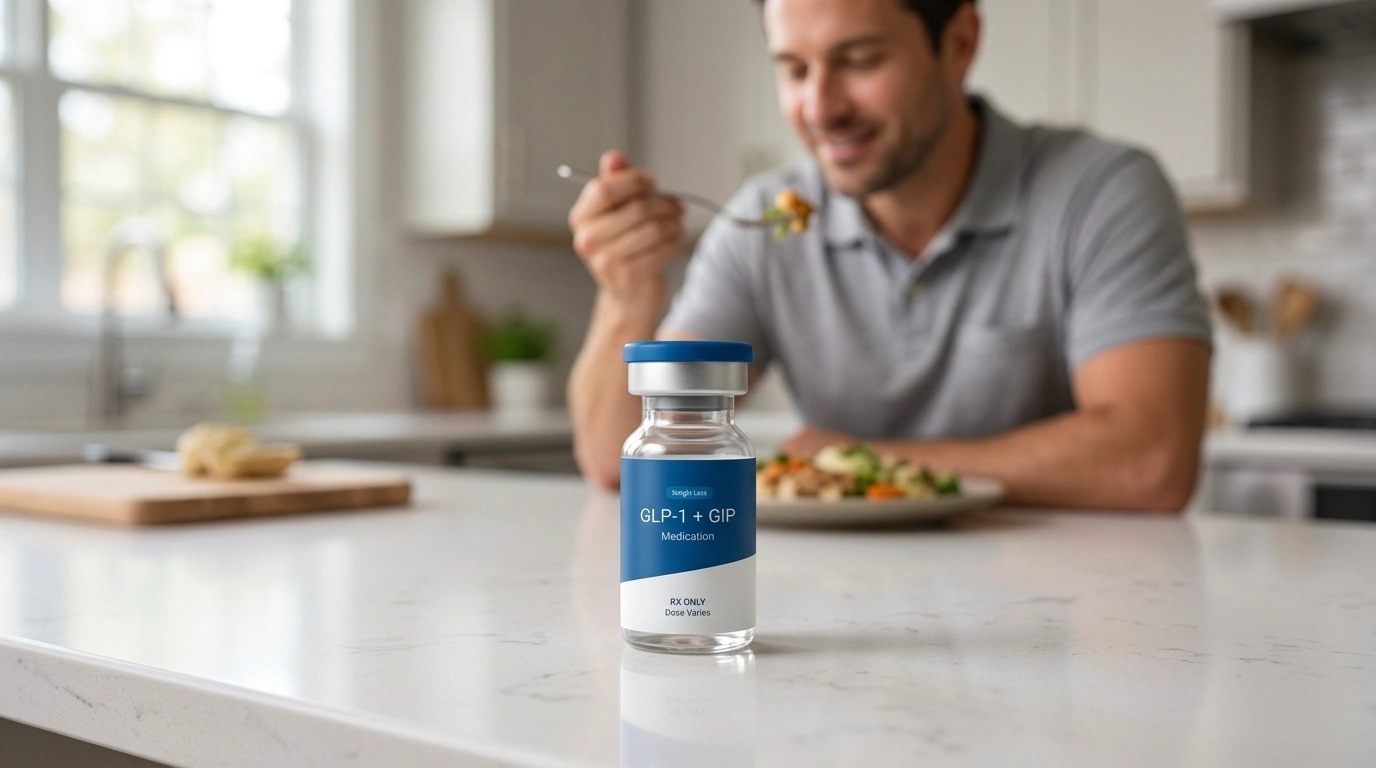
The first week on Zepbound® begins with a single injection, usually at a low starting dose of 2.5 mg. This initial dose is not intended for maximal weight loss but is designed to introduce the medication to your system gradually. For a deeper look at the mechanics behind that first week, see what to expect with your first dose of tirzepatide. Zepbound® contains the active ingredient tirzepatide, which is a dual-receptor agonist. This means it mimics two natural hormones in your body: glucagon-like peptide-1 (GLP-1) and glucose-dependent insulinotropic polypeptide (GIP).
When you self-administer that first dose, the medication begins to interact with receptors in your brain and digestive system. The GLP-1 component primarily focuses on slowing gastric emptying—the speed at which food leaves your stomach—and signaling the brain that you are full. The GIP component is thought to further support metabolic function and may help reduce the nausea sometimes associated with GLP-1 medications. If you want a broader explanation of how these pathways affect appetite, How Do Semaglutides Work to Support Weight Loss? is a helpful related read.
In the first 24 to 48 hours, the concentration of the medication in your bloodstream reaches its peak. You may not “feel” different the very moment you take the injection, as it takes time for these hormonal pathways to activate. However, by the third or fourth day, most individuals notice a distinct shift in how they perceive hunger and food.
The Quietness of “Food Noise”
One of the most profound experiences reported in the first week is the sudden reduction of “food noise.” This term refers to the constant, intrusive thoughts about food, cravings, and the internal dialogue about when the next meal will occur. For many people struggling with weight, this noise is a lifelong companion that makes traditional dieting feel like an uphill battle.
During your first week, you might find it surprising that you simply “forgot” to think about a snack or that the sight of a previously irresistible food no longer triggers a physical craving. This is the medication working on the hypothalamus, the area of the brain that regulates appetite and reward. A similar early shift is described in Zepbound results after week 1.
Key Takeaway: The first week is primarily about neurological and digestive calibration, where the most significant change is often a mental shift in how you relate to hunger.
Navigating Digestive Adjustments
As your body adapts to slower digestion, you may experience mild to moderate gastrointestinal symptoms. Because the medication tells your stomach to hold onto food longer, it is common to feel a sense of “heaviness” or early fullness. This is a direct result of the GLP-1 receptor activation.
While many people have a smooth first week, others may encounter common side effects. These are typically most noticeable 24 to 72 hours after the first injection. If you want to understand the timing more clearly, How Long After Zepbound Injection Does Nausea Start? explains the early window in more detail. Common experiences include:
- Mild Nausea: This is often the result of the stomach being fuller than the brain realizes.
- Changes in Bowel Habits: Both constipation and diarrhea can occur as the gut microbiome and motility adjust.
- Heartburn or Acid Reflux: Slower digestion can sometimes cause stomach acid to linger.
It is important to remember that these symptoms are usually temporary. They represent your body’s effort to find a new equilibrium. If you experience persistent or severe discomfort, you should always reach out to a healthcare provider. Personalization is key, and some individuals may need specific guidance on managing these initial hurdles.
The Role of Hydration and Electrolytes
Staying hydrated is perhaps the most critical task during your first seven days on the medication. If you want a focused guide on that topic, Hydration on Tirzepatide: Why Water Intake Matters More Than You Think is especially relevant. When appetite decreases, the thirst drive often decreases along with it. Furthermore, as your body begins to process stored glycogen, you may lose a significant amount of water weight in the first few days.
If you do not replace these fluids, you may experience headaches, dizziness, or fatigue. These are often mistaken for direct side effects of the medication when they are actually signs of dehydration. We recommend carrying a water bottle at all times and considering the addition of electrolytes, especially if you are experiencing any digestive upset.
Quick Answer: In the first week, focus on drinking at least 80 to 100 ounces of water daily. Adding an electrolyte supplement can help prevent the “first-week fatigue” many people experience as their bodies adjust to metabolic changes.
Nutritional Priorities for Week One
Your nutritional needs change the moment you start a GLP-1/GIP medication because your capacity for food decreases. Since you will be eating smaller portions, the quality of every bite becomes more important. In the first week, many people find that high-fat or highly processed foods become unappealing or even cause stomach upset.
Focus on the following during your first seven days:
- Prioritize Protein: Protein helps preserve lean muscle mass as you lose weight. Aim for lean sources like chicken, fish, tofu, or Greek yogurt.
- Eat Small, Frequent Meals: Instead of three large meals, try four or five small snacks. This prevents the stomach from becoming overly full and reduces nausea.
- Fiber Management: While fiber is essential, an abrupt increase in the first week might worsen bloating. Introduce fiber-rich vegetables gradually.
- Listen to Fullness Cues: The medication will give you a “stop” signal much earlier than usual. It is vital to stop eating as soon as you feel satisfied, even if there is food left on the plate.
For those who find it difficult to meet their micronutrient needs during this transition, GLP-1 Daily Support can be a helpful addition to a routine. These are designed to provide the vitamins and minerals that may be lacking when caloric intake drops significantly.
Managing Energy and Fatigue
Some individuals report feeling a “mid-week slump” or general tiredness during the first week. This fatigue is usually not a direct effect of the medication itself but rather a result of a rapid drop in caloric intake or a shift in how the body processes glucose. For a related look at energy changes during treatment, see exercise fatigue on GLP-1. Your body is learning to switch from its old energy patterns to a more efficient metabolic state.
To combat this, ensure you are getting adequate sleep and moving your body gently. The first week is not the time to start a high-intensity interval training program. Instead, focus on daily walks or light stretching. This movement helps stimulate digestion and can actually improve energy levels by increasing circulation. If you want an added support option for days when energy feels lower, Weight Loss Boost is designed for that kind of routine support.
Comparing Branded and Compounded Options
It is important to understand the landscape of the medications available. Zepbound® is a branded medication that has been FDA-approved for chronic weight management. It is widely recognized for its efficacy in clinical trials. However, due to high demand and insurance complexities, many patients look for alternative ways to access tirzepatide.
At TrimRx, we connect patients with licensed providers who may prescribe compounded tirzepatide. Compounded medications are prepared by FDA-registered and inspected compounding pharmacies. While compounded tirzepatide is not FDA-approved in the same way the branded version is, it provides a personalized alternative for those who may face supply issues or require a more tailored approach. If you are considering whether prescription treatment is right for you, take the free assessment quiz as a next step. Whether you are using the branded product or a compounded version, the physiological expectations for the first week remain largely the same.
Note: Always ensure your medication is sourced from a reputable, licensed pharmacy. Your healthcare provider through our platform can help determine which path is most appropriate for your specific health profile.
What to Expect on the Scale
The first week is often a time of rapid “initial” weight loss, but it is important to keep this in perspective. Most of the weight lost in the first seven days is water weight. As insulin levels stabilize and inflammation decreases, the body releases excess fluid it has been holding. A broader timeline can help set expectations, and Zepbound Weight Loss by Week: Full Timeline is useful for that perspective.
It is common to see a drop of 2 to 5 pounds in the first week, though some see more and others see none. Neither extreme is a cause for concern. The goal of the first week is not to hit a specific number on the scale; it is to establish a routine and allow your body to adapt to the medication. Sustainable fat loss is a marathon, not a sprint.
Bottom line: Success in the first week is defined by how well you manage your symptoms, hydration, and nutrition, rather than the specific number of pounds lost.
Preparing for Your Second Dose
As you approach day seven, you might notice that the “food noise” begins to creep back in slightly. This is normal. The medication has a half-life of about five days, meaning its concentration in your blood begins to dip toward the end of the week. This is why the medication is administered on a weekly schedule—to maintain a steady level in your system over time. If nausea has been your main challenge, how long does nausea last after Zepbound injection can help you understand the adjustment period.
Before you take your second dose, reflect on your first week. Did you have more nausea in the morning or evening? Did certain foods make you feel better than others? Use these insights to refine your approach for week two. Consistency is the most important factor in long-term success.
The TrimRx Approach to Your Journey
We understand that the first week can feel overwhelming. That is why we emphasize a telehealth-first model that provides 24/7 access to specialists. You are never alone in this process. Our personalized programs are designed to evolve with you, ensuring that as your dosage changes or your needs shift, you have the clinical support necessary to stay on track. If you are ready to explore whether treatment is right for you, complete the free assessment quiz.
Every person’s metabolic profile is unique. By combining medical expertise with a supportive, empathetic framework, we help you move past the frustrations of the past and into a sustainable future. Whether you are seeking the branded experience or a compounded alternative, our platform is built to simplify your path to health.
Summary Checklist for Week One
To help you stay focused during these first seven days, consider this simple checklist:
- Days 1-2: Focus on hydration and monitor for any immediate digestive changes. Take your injection at a time when you can rest if needed.
- Days 3-5: Prioritize lean protein at every meal. If nausea occurs, try small sips of ginger tea or ice chips.
- Days 6-7: Assess your energy levels. If you are feeling fatigued, increase your electrolyte intake. Prepare your environment for your next dose.
By following these steps and staying in communication with your care team, you can turn the first week from a period of uncertainty into a foundation for a healthier life.
FAQ
How soon will I feel the effects of the first dose?
Most people begin to notice a decrease in appetite and “food noise” within 24 to 48 hours after their first injection. However, it can take several weeks of consistent dosing for the full metabolic benefits to become apparent. For an overview of the early experience, what to expect the first week on Zepbound is a useful companion read.
What should I do if I feel nauseous during the first week?
Nausea is common and can often be managed by eating smaller, more frequent meals and avoiding high-fat or greasy foods. Staying hydrated with water or electrolytes is also essential. If nausea is persistent or prevents you from drinking fluids, contact your healthcare provider for guidance. If you want to understand how nausea tends to taper, how long nausea lasts after Zepbound injection may help.
Can I exercise during my first week on the medication?
Yes, but it is often best to keep physical activity light to moderate during the first seven days. Walking, yoga, or light stretching can help with digestion and energy levels. As your body adapts to the medication and your calorie intake, you can gradually increase the intensity of your workouts. If energy support is a concern, Weight Loss Boost may fit into that routine.
Is it normal if I don’t lose weight in the first week?
Yes, it is perfectly normal. The first week’s dose is a “loading dose” designed to help your body acclimate to the medication. While some people lose water weight immediately, others may not see the scale move significantly until they reach higher dosages. Focus on how you feel and your changing relationship with food. If you are just getting started, see whether you qualify for a personalized program.
Disclaimer: This content is for informational purposes only and does not constitute medical advice. It is not intended to diagnose, treat, cure, or prevent any disease or condition. Individual results may vary. Always consult a qualified healthcare professional before starting any weight loss program or medication.

Transforming Lives, One Step at a Time
Keep reading

Can You Lower Your Zepbound Dose Without Losing Your Progress?
Often yes, and the honest caveat is that the evidence for dose reduction specifically is thinner than the evidence for stopping. We know a…
Why Is There a Bruise Where I Injected My Zepbound?
A bruise means a small blood vessel was disturbed under the skin and blood spread into the surrounding tissue. It is one of the…

My Zepbound Pen Won’t Click Past a Certain Dose
Start by checking which device you are holding, because the answer depends entirely on that. Zepbound has commonly been supplied in the United States…


