How Long to Stay on Zepbound: Signs It’s Time to Discuss Stopping
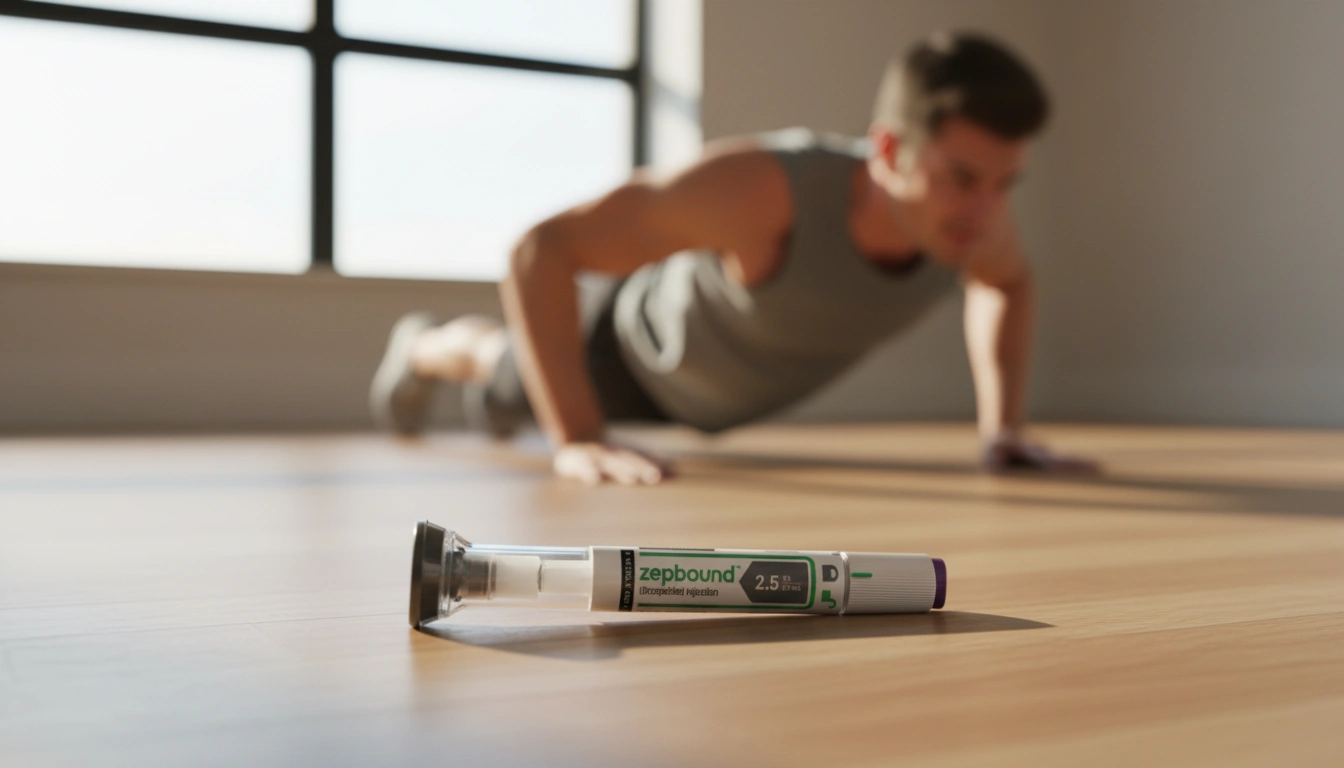
Most people starting Zepbound want to know when they get to stop. It is a fair question, and the short answer is that there is no single correct timeline. How long you stay on Zepbound depends on whether the medication is still working, whether you have reached and held your goal weight, and what you and your provider decide makes sense for your overall health. For many patients, the answer turns out to be longer than they originally expected, and that is not a problem.
There Is No Standard Treatment Length
Zepbound is not like a short course of antibiotics where you take it for a set number of days and move on. It is an ongoing therapy, and the FDA-approved label does not specify a maximum duration. Clinical trials have studied it over periods exceeding a year, and long-term use is built into the treatment model. The data from those trials consistently shows that people who continue taking tirzepatide maintain their weight loss, while those who stop tend to regain a significant portion of what they lost. We cover the trial findings in depth in our overview of the SURMOUNT trials and what tirzepatide’s data means for patients.
That said, staying on Zepbound indefinitely is not the right answer for everyone. There are real, valid reasons to consider stopping, and knowing those signals is just as useful as knowing when to continue.
What the Typical Treatment Arc Looks Like
Understanding when stopping makes sense starts with knowing what the typical Zepbound journey looks like.
Most patients see the most significant losses in the first six months, with progress continuing to accumulate through the end of the first year. For a sense of what early results typically look like, our breakdown of Zepbound results at three months covers what to expect in that early window.
By months 12 to 18, many patients have reached or are approaching their goal. After that, the treatment focus often shifts from active loss to maintaining what has been achieved. That shift does not mean the medication has stopped being useful. It means its job has evolved.
Signs It May Be Time to Discuss Stopping
Consider this scenario: a patient has been on Zepbound for 14 months, has held their goal weight steadily for four months, and their blood pressure has normalized. That is a very different conversation than someone who has been on Zepbound for three months and is still in the middle of active loss. The signals below are not reasons to stop on your own, but they are worth bringing to your provider.
You’ve Reached Your Goal and Held It Consistently
If you have been at your goal weight for several months and feel confident in the habits supporting it, that is a reasonable moment to have a stopping conversation. What happens after you cross that threshold, and how the medication’s role shifts, is covered in detail in our article on what happens after you reach your goal weight on Zepbound.
The key word is consistently. A week or two at goal is different from four to six months of stable, maintained results. The longer you hold at your goal, the more confident a provider can be that your habits and biology are genuinely supporting that weight.
Your Health Markers Have Improved Significantly
Many patients start Zepbound because of conditions tied to excess weight, including elevated blood pressure, poor cholesterol profiles, or high blood sugar. If those markers have normalized and remained stable, your provider may have a different view of ongoing medication than when you first started. Zepbound also carries cardiovascular benefits worth factoring into that conversation, as explored in our article on tirzepatide and heart health.
Side Effects Are Ongoing and Affecting Quality of Life
GI side effects often improve as the body adapts, especially after dose increases. But some patients continue to experience nausea, fatigue, or digestive issues that meaningfully affect daily life. If side effects have not improved with time or dose adjustments, that is a legitimate reason to discuss whether the trade-off still makes sense for you.
The Medication Has Stopped Working and Adjustments Haven’t Helped
A plateau during active treatment is normal. But if you are well past the typical plateau window and your weight has stalled substantially short of your goal, despite dose optimization and lifestyle review, it may be worth reassessing whether Zepbound continues to be the right fit.
Personal or Financial Circumstances Have Changed
Coverage changes, cost pressures, or significant life transitions are real factors. They are not medical reasons to stop, but they are valid practical ones. A provider can help you think through your options, including whether a planned pause or a transition makes sense given where you are.
Signs It’s Probably Not the Right Time to Stop
Not every instinct to stop is well-timed.
If you are still actively losing weight and tolerating the medication well, stopping now means walking away from ongoing progress. If nausea or fatigue is driving the impulse, the answer may be a dose adjustment rather than stopping altogether.
It is also worth understanding what typically follows a stop. Weight regain after discontinuing tirzepatide is common and well-documented, and our article on regaining weight after stopping tirzepatide walks through what to expect and how to prepare mentally and practically.
The Conversation to Have With Your Provider
Stopping Zepbound is a medical decision, not one you need to make in isolation. When you bring it up, a few things are worth discussing: How stable is your current weight? Are your metabolic health markers holding? What does your activity and eating look like without the appetite suppression the medication provides? And do you have a clear plan for the transition period?
If the decision is to move forward with stopping, the process matters. How the medication is wound down and what you do in the weeks that follow affects how much of your progress you keep. Our guide on stopping Zepbound and managing the transition covers what that looks like in practice.
Long-Term Use Is Often Part of the Plan
The SURMOUNT-4 trial, published in JAMA in 2024, found that participants who continued tirzepatide maintained substantially more of their weight loss compared to those who switched to placebo. The placebo group regained weight quickly and significantly. That data now shapes how providers approach duration conversations with their patients.
This does not mean everyone stays on Zepbound indefinitely. It means that stopping has real consequences, and the decision deserves the same care as starting the medication in the first place.
The Bottom Line
There is no magic number of months after which Zepbound is done. The right time to discuss stopping is when your goals are met and held, your health markers support the conversation, and you and your provider are aligned on what comes next. If you are still in the middle of your journey and questioning whether to continue, that uncertainty is a signal to talk to a provider rather than stop on your own.
If you want help figuring out where you are in your treatment, or whether Zepbound is still the right plan for you, take TrimRx’s assessment to connect with a provider who can walk through your options.
This information is for educational purposes and is not medical advice. Consult with a healthcare provider before starting or stopping any medication. Individual results may vary.

Transforming Lives, One Step at a Time
Keep reading

Why Is There a Bruise Where I Injected My Zepbound?
A bruise means a small blood vessel was disturbed under the skin and blood spread into the surrounding tissue. It is one of the…

My Zepbound Pen Won’t Click Past a Certain Dose
Start by checking which device you are holding, because the answer depends entirely on that. Zepbound has commonly been supplied in the United States…

Zepbound Alternatives: Your Options Compared
If Zepbound isn’t the right fit, the main alternative is semaglutide (sold as Wegovy), which produces slightly less weight loss but works similarly, along…


