Ozempic for Night Shift Workers: Timing Injections Around Irregular Schedules
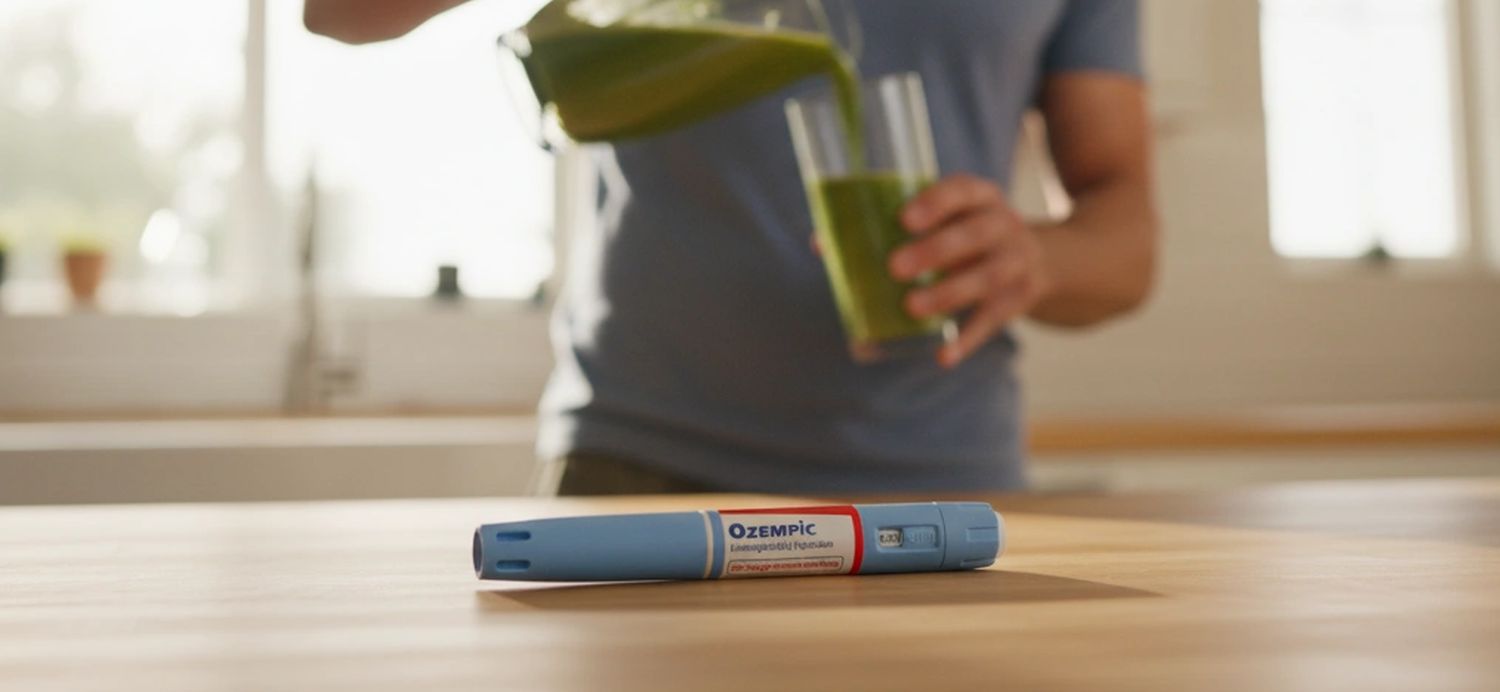
Night shift workers face two overlapping disadvantages when it comes to weight loss. The first is biological: working against your body’s natural circadian rhythm disrupts hunger hormones, raises cortisol, and makes weight gain more likely even at the same caloric intake as a day worker. The second is practical: most treatment protocols assume a predictable daytime routine, and semaglutide guidance is no exception. Getting the medication to work within a schedule that inverts night and day requires a few specific adjustments, but it is entirely manageable with the right approach.
Why Night Shift Work Creates a Double Challenge
The metabolic consequences of night shift work are well-documented. Research from large cohort studies, including a prospective analysis published in PLOS Medicine using Nurses’ Health Study data, found that rotating night shift work significantly increases risk of type 2 diabetes in women, independent of other risk factors. Obesity risk follows a similar pattern. The mechanisms behind this involve more than disrupted sleep: circadian misalignment alters the timing of cortisol release, blunts insulin sensitivity, and changes how the body processes glucose and fat at night. Ghrelin (the hunger hormone) rises with sleep deprivation, while leptin (the satiety signal) falls, creating a biological environment that actively pushes toward overconsumption.
This is worth naming directly because it affects expectations. Night shift workers starting semaglutide may find that weight loss is slower than average, not because the medication is failing but because they are fighting an additional metabolic headwind. That context shapes how to use the treatment, what results look like on a realistic timeline, and how much work the medication is doing that never shows up directly on the scale.
How Semaglutide’s Timing Works (And Why Night Shift Isn’t a Dealbreaker)
Semaglutide is injected once weekly, and standard guidance recommends keeping it on the same day each week. The good news for night shift workers is that semaglutide’s half-life is approximately seven days, which means the exact hour of injection matters far less than the seven-day interval between doses. You have meaningful flexibility within a given day, and shifting your injection day by a day in either direction on occasion does not significantly affect how the medication performs.
What matters is consistency within your own schedule, not adherence to a conventional calendar day. Our article on whether injection day matters for Ozempic or semaglutide covers the pharmacology behind this flexibility in detail. For a broader look at how shift workers have managed the general timing question, our companion piece on shift workers and Ozempic is a useful read alongside this one.
Choosing Your Injection Day and Time
Anchor to Your Routine, Not the Calendar
The most practical approach for night shift workers is to pick an injection anchor that falls consistently within the same phase of your personal schedule, rather than a fixed calendar day like every Sunday. If you work four nights on and three off, a floating anchor tied to your shift pattern is more realistic and sustainable than a day that falls differently relative to your sleep and work cycle each week.
For example, if your nights off consistently start on a Tuesday morning, injecting at the end of your last overnight shift before sleeping may be more reliable than any fixed calendar day. The goal is a dependable seven-day rhythm within your lived routine, not compliance with a schedule designed for a nine-to-five worker.
Timing Around Sleep and Meals
Many night shift workers find that injecting at the end of a shift, after a light meal and before daytime sleep, minimizes nausea and keeps the schedule consistent. Others prefer to inject at the start of their active evening period when appetite is naturally lower and the next several waking hours are predictable.
Consider this scenario: a night shift nurse who works three 12-hour nights per week finds that injecting around 7 a.m. after her last shift, before her daytime sleep, gives her a reliable 7-day anchor without interfering with her work hours or meals. That approach will not work for every schedule, but it illustrates that the anchor point is flexible and should be built around your actual life rather than a textbook protocol.
Managing Nausea and Side Effects on an Inverted Schedule
Nausea is the most common semaglutide side effect, particularly in the first several weeks. For night shift workers, the inverted schedule adds some complexity.
Eating close to injection time can worsen nausea, but injecting on a fully empty stomach can too. A light snack or small meal roughly 30 to 60 minutes before or after injection tends to minimize symptoms without triggering them. On an overnight shift, meals happen at unconventional hours, but that is pharmacologically fine. Semaglutide does not require a specific mealtime relationship, so injection timing can flex around whatever eating pattern your shift produces.
Fatigue, a common complaint in the early weeks of semaglutide treatment, can compound the cumulative tiredness that comes with night shift work. Building in extra recovery time during the first month and not pushing through higher-intensity workouts during the adjustment period helps avoid burnout early in treatment.
Sleep, Appetite, and the Hunger Hormone Overlap
One of the more notable dynamics for night shift workers on semaglutide is the overlap between two separate influences on hunger signaling. Night shift work suppresses leptin and elevates ghrelin through sleep disruption and circadian misalignment. Semaglutide works in part by modulating hunger signaling in the opposite direction, reducing the brain’s sensitivity to hunger cues and increasing satiety signals. Our article on how semaglutide affects your hunger hormones covers those mechanisms in depth.
For night shift workers, semaglutide may be doing meaningful compensatory work that goes beyond what it does in a patient without circadian disruption. This is one reason the medication is particularly worth pursuing in this population, even if the scale moves more slowly. It is also worth knowing that semaglutide can itself affect sleep in some patients. Our piece on GLP-1 medications and sleep quality covers what patients report, which matters if you are already managing disrupted daytime sleep.
Storage and Practical Logistics
Semaglutide requires refrigeration until first use, after which a pen can typically be kept at room temperature for up to 28 days. For most night shift workers, this means the medication lives at home rather than traveling to work with you. Injecting before leaving for a shift or immediately after returning home keeps storage straightforward and reduces the chance of leaving medication in suboptimal conditions.
If you use a compounded semaglutide formulation, storage guidelines may differ slightly depending on the formulation. Our full guide on storing compounded semaglutide or tirzepatide at home covers what you need to know before and after opening your first vial or pen.
If You’re on Tirzepatide Instead
The principles in this article apply specifically to semaglutide-based medications. If you are taking tirzepatide (Mounjaro or Zepbound), the timing logic is similar but the pharmacology and practical considerations differ in a few ways. Our article on shift work and tirzepatide covers those specifics separately and is worth reading if you are on that medication or considering a switch.
The Bottom Line
Semaglutide works for night shift workers, but it requires more deliberate planning than most standard guidance covers. Anchor your injection to your rotation rather than the calendar. Expect the metabolic headwind of circadian disruption and give the medication the time it needs to work against it. Manage nausea with strategic meal timing around your inverted schedule. And tell your provider about your shift pattern from the start, because it affects both realistic expectations and practical planning in ways that matter for long-term success.
If you are a night shift worker ready to explore semaglutide as part of a weight loss plan, take TrimRx’s assessment to connect with a provider who can work around your schedule and help you build a plan that actually fits your life.
This information is for educational purposes and is not medical advice. Consult with a healthcare provider before starting any medication. Individual results may vary.

Transforming Lives, One Step at a Time
Keep reading

Can You Sunbathe With an Injection Site Bruise on Ozempic?
You can, and the better answer is to cover that specific spot. Ultraviolet light on skin that is actively healing can trigger post-inflammatory hyperpigmentation,…

Can You Swim Right After Injecting Ozempic?
Essentially yes. Once the needle is out and you have held it in place for the recommended few seconds, the medication is in your…

Can You Take Ozempic While Recovering From Surgery?
The timing of restarting is a decision for your surgical team, and it is worth asking before you leave rather than working it out…


