Can You Take Your GLP-1 a Day Early? What to Know
Introduction
Life rarely follows a perfect seven-day cycle. You might have a vacation planned, a busy work week ahead, or perhaps you simply realized your scheduled injection day falls on a day when you cannot be near your supplies. If you find yourself staring at your calendar and wondering, “Can you take your GLP-1 a day early?” you are certainly not alone. Many people navigating their weight loss journey encounter these scheduling conflicts and worry about how a 24-hour shift might affect their progress or their physical comfort.
At TrimRx, we believe that managing your health should fit into your life, not the other way around. Understanding the flexibility of your medication is a key part of staying consistent and achieving long-term success. This article will explore the safety guidelines for adjusting your injection schedule, the science behind how these medications stay in your system, and what you can expect if you decide to move your dose up by one day. If you are exploring whether prescription GLP-1 medications may be appropriate for you, you can complete a free eligibility assessment.
Can You Take Your GLP-1 Injection a Day Early?
Quick Answer: Yes, it is generally safe to take your GLP-1 injection one day early if necessary. Most clinical guidelines suggest that as long as there have been at least 48 to 72 hours since your last dose, you can adjust your schedule without significant risk, though you should always confirm changes with your healthcare provider.
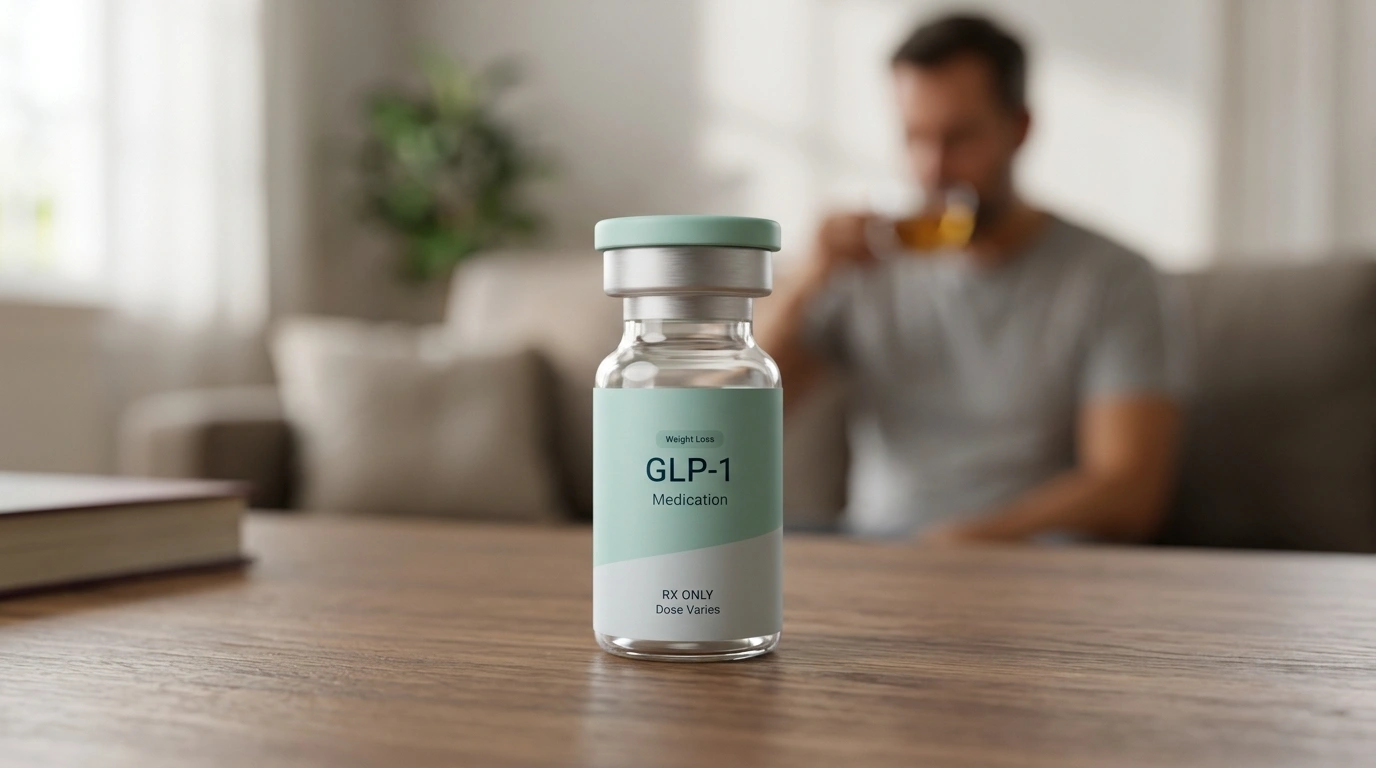
The short answer for most individuals is yes. If you usually take your medication on a Monday but need to take it on a Sunday because of travel or a change in your routine, it is typically considered safe. The medications in this class, such as Semaglutide and Tirzepatide, are designed to be long-acting. They stay in your system for a significant amount of time, which provides a level of flexibility that daily medications often lack.
However, “safe” does not mean “without considerations.” While taking a dose 24 hours early is unlikely to cause a medical emergency, it can influence how you feel. Because you are introducing the next dose while the previous one is still at a relatively high level in your bloodstream, you might notice a slight temporary increase in side effects. Understanding why this happens requires a look at how these medications actually function within your body.
For more guidance on adjusting weekly injection timing, review this semaglutide timing and weekly schedule guide.
Understanding GLP-1 and How It Stays in Your System
To understand why you can shift your dose, it helps to know what a GLP-1 is. GLP-1 stands for Glucagon-like peptide-1. This is a hormone that your body naturally produces in the gut. Its job is to tell your brain that you are full, slow down how quickly your stomach empties, and help your pancreas manage insulin levels.
The medications used in our programs, such as Compounded Semaglutide or Compounded Tirzepatide, are known as receptor agonists. This means they “mimic” that natural hormone but are engineered to last much longer. While your natural GLP-1 hormone disappears within minutes, these medications have a “half-life” of approximately seven days.
Half-life is a scientific term that describes how long it takes for the concentration of a drug in your body to reduce by exactly one-half. Because it takes a full week for only half of the medication to leave your system, there is always a “steady state” of the drug in your blood. This is why you only need to inject it once a week. When you take a dose one day early, you are simply adding to that steady state slightly sooner than planned.
If you want a broader overview of how weekly injections work, read this guide to GLP-1 injections and what to expect.
Why You Might Need to Shift Your Schedule
There are several practical reasons why someone might consider moving their injection day. We often see patients who need to adjust their timing for the following reasons:
- Travel and Logistics: If you are flying and do not want to carry your supplies through security, or if you are going to a location where refrigeration might be difficult, taking your dose a day early before you leave is a common solution.
- Managing Side Effects: Some people find that they experience mild nausea or fatigue for 24 to 48 hours after an injection. If you have a major presentation or a physical event on your usual “post-shot” days, you might move the dose early to ensure you feel your best when it matters most.
- Social Commitments: If your injection day usually falls on a day when you have a significant dinner or celebration, you might shift the day so that your appetite suppression and potential side effects do not interfere with your plans.
- Routine Adjustments: Sometimes, a Sunday night routine simply works better than a Monday morning rush. Moving the dose by one day can help you anchor the habit to a more convenient time.
For practical ways to stay organized, see these tips for sticking to a GLP-1 injection schedule.
The 48-to-72-Hour Rule
While moving a dose by 24 hours is generally acceptable, there is a limit to how much you should compress your schedule. Most manufacturers of branded medications like Ozempic®, Wegovy®, Mounjaro®, and Zepbound® provide specific instructions regarding schedule changes.
Key Takeaway: The general clinical consensus is that you should never take two doses of a GLP-1 medication within 48 to 72 hours of each other. This minimum gap ensures that the concentration of the medication does not spike to a level that could cause severe gastrointestinal distress.
If you are considering taking your GLP-1 a day early, check your last injection time. If it has been at least five or six days since your last shot, taking it one day early is well within the safety margin. If you find yourself wanting to take it three or four days early, you should stop and consult with a healthcare professional, as this significantly increases the risk of complications.
If you are unsure whether a prescription GLP-1 program is appropriate for your health profile, find out if you qualify for a personalized program.
Potential Side Effects of Dosing Early
The most common concern when shifting a dose early is the potential for increased side effects. Because you are “stacking” the new dose on top of the remainder of the previous one slightly earlier than usual, the peak concentration in your blood may be higher.
Common side effects that might feel more pronounced include:
- Nausea: This is the most frequently reported issue. It often occurs as the medication reaches its peak in your system, usually 24 to 48 hours after the injection.
- Digestive Discomfort: You may notice more bloating, gas, or a “too full” feeling, as the medication continues to slow down gastric emptying.
- Fatigue: Some users report feeling more tired than usual when their dosage schedule is adjusted.
- Headaches: Changes in medication levels or hydration can sometimes trigger mild headaches.
To mitigate these risks, many people use supportive measures. For example, our GLP-1 Daily Support supplement is designed to help balance the body’s needs during treatment. Staying hydrated and focusing on small, bland meals during the transition day can also make a significant difference in how you feel.
For additional information about common reactions, read this guide to managing GLP-1 side effects.
How to Move Your Injection Day Safely
If you have decided that taking your GLP-1 a day early is the right move for your schedule, follow these steps to ensure a smooth transition.
Step 1: Verify the Timing
Confirm that it has been at least six days since your last injection. This ensures you are staying well outside the 72-hour danger zone.
Step 2: Prepare for Side Effects
Plan to take your early dose at a time when you can rest if needed. If you are taking the dose early because of travel, try to do so at least 12 hours before your flight or drive so you aren’t dealing with peak nausea while in transit.
Step 3: Monitor Your Body
Pay close attention to how you feel over the next 48 hours. If nausea is more intense, focus on electrolytes and ginger tea. If you feel fine, you can proceed with your new schedule.
Step 4: Decide on Your New “Anchor” Day
Once you take a dose a day early, you have two choices for the following week. You can either stay on this new day (making it your new permanent injection day) or you can slowly drift back to your original day by waiting eight days for the next dose. Most people find it easiest to simply adopt the new day as their weekly routine.
For more information about handling schedule changes, review this guide on what to do after missing a weekly GLP-1 injection.
Maintaining Consistency for Long-Term Success
While the occasional shift of 24 hours is not a problem, consistency is the foundation of metabolic health. Your body thrives on predictability. When you take your medication on the same day each week, your hormone levels remain stable, which leads to more consistent appetite control and fewer “ups and downs” in your energy levels.
At TrimRx, our personalized programs emphasize the importance of building a sustainable routine. We provide the tools and medical supervision necessary to help you navigate these scheduling tweaks without losing sight of your ultimate goals. Whether you are using Compounded Semaglutide or Compounded Tirzepatide, the goal is to create a “steady state” that makes healthy choices feel natural and effortless.
Compounded vs. Branded Medications: Does Timing Differ?
A common question is whether the rules for timing change depending on whether you are using a branded medication or a compounded version.
Branded Medications:
Drugs like Ozempic® and Wegovy® (Semaglutide) or Mounjaro® and Zepbound® (Tirzepatide) are FDA-approved for specific conditions like Type 2 diabetes or chronic weight management. They come in pre-filled pens with fixed doses. The manufacturer’s instructions for these specific brands generally allow for a day’s flexibility, provided the 72-hour rule is respected.
Compounded Medications:
Compounded Semaglutide and Compounded Tirzepatide are prepared by licensed, FDA-registered compounding pharmacies. These medications contain the same active ingredients as the branded versions but are not themselves FDA-approved. Because they are often administered via a traditional syringe and vial, you have the same flexibility in timing as you would with a branded pen.
Note: Regardless of whether your medication is branded or compounded, the biological mechanism is the same. The 72-hour safety window applies to all GLP-1 receptor agonists to prevent unnecessary gastrointestinal stress.
What to Do If You Forget a Dose Completely
Sometimes the question isn’t “Can I take it early?” but “What do I do because I’m late?” If you miss your scheduled day, the advice is similar to taking it early.
If you are only 1–3 days late, you can usually take the dose as soon as you remember. You can then either stay on that new day or move back to your old day the following week. However, if you are more than five days late, it is often better to skip the missed dose entirely and just wait for your next scheduled day. Taking a dose too close to your next one can lead to a double-dose effect that significantly increases side effects.
If you miss two or more doses in a row, you should contact your healthcare provider through our platform. When you have been off the medication for two weeks or more, your body’s tolerance may have decreased, and your provider might suggest restarting at a lower dose to avoid severe nausea.
Tips for a Better Injection Experience
Whether you are taking your dose on your regular day or shifting it early, these tips can help minimize discomfort:
- Temperature Matters: If you store your medication in the refrigerator, take it out about 15–30 minutes before injecting. Cold medication can sometimes cause a slight stinging sensation.
- Injection Site Rotation: Don’t use the exact same spot every week. Rotate between your thigh, abdomen, and the back of your upper arm. This helps prevent the buildup of scar tissue or skin irritation.
- Hydration is Key: Many people mistake GLP-1-induced thirst for hunger or nausea. Drinking plenty of water, perhaps with added electrolytes, can alleviate many common side effects.
- Protein First: Focusing on high-quality protein can help maintain muscle mass and keep you feeling satiated as the medication works on your hunger signals.
For more practical guidance, explore this overview of GLP-1 injection sites.
The Role of Personalized Support
One of the benefits of a telehealth-based program is that you are never navigating these questions alone. Our team of specialists is available to help you adjust your program as your life changes. If you find that you are constantly needing to shift your injection day due to work or travel, we can help you strategize the best long-term schedule for your health profile.
We also offer quick-access supplements like Weight Loss Boost for those who want to support their metabolism alongside their primary treatment. These tools, combined with professional medical guidance, ensure that your journey is supported by science and empathy.
Bottom line: Moving your GLP-1 injection up by one day is a safe and effective way to manage your schedule, provided you maintain a minimum of 48 to 72 hours between doses and listen to your body’s signals.
Why Consistency Trumps Perfection
In the journey toward sustainable weight loss, it is easy to get caught up in the “rules.” While the guidelines for GLP-1 medications are important for safety and comfort, the most important factor is your long-term adherence to the program.
If taking your shot a day early means you won’t skip a week entirely, then it is the right choice for your progress. Success is not about a perfect record of injecting at exactly 8:00 AM every Monday; it is about the cumulative effect of months of consistent metabolic support.
Our mission is to help you embrace a healthier lifestyle through a transparent and personalized approach. By merging clinical expertise with modern technology, we make it possible for you to manage your weight on your own terms, without the stress of waiting rooms or rigid, impersonal schedules.
Final Thoughts on Timing and Results
Taking your GLP-1 a day early will not “speed up” your weight loss. The medication works by building up a consistent level in your body over several weeks and months. Shifting one dose by 24 hours is a logistical tool, not a weight loss strategy.
If you feel that your current dosage is not providing the appetite suppression you expected, do not try to fix this by taking doses more frequently. Instead, consult with the licensed providers we partner with to discuss a supervised dosage increase. This ensures that you stay safe while moving toward your goals.
If you are ready to discuss whether a personalized prescription program may fit your goals, take the free assessment quiz.
FAQ
Is it better to take my GLP-1 injection in the morning or at night?
There is no clinical requirement for the time of day, so you should choose what fits your lifestyle. Many people prefer evening injections so they can sleep through any initial nausea, while others prefer the morning to help anchor the habit to their daily routine. This guide explains the best time to inject GLP-1 medications.
Can I change my injection day permanently?
Yes, you can permanently move your injection day. The safest way to do this is to move the dose by one day each week until you reach your desired day, or simply take one dose a day early (or late) and then stay on that new schedule moving forward. If you want individualized guidance, you can complete a free eligibility assessment.
Will taking my shot early make the side effects worse?
You might experience a slight increase in mild side effects like nausea because the peak concentration of the medication in your blood will be slightly higher. However, for most people, this difference is minimal and manageable with proper hydration and rest.
What is the minimum time I must wait between GLP-1 doses?
You should wait at least 48 to 72 hours between injections. Taking doses closer together than this can lead to an unsafe accumulation of the medication in your system, which may cause severe vomiting, dehydration, or other gastrointestinal complications.
Disclaimer: This content is for informational purposes only and does not constitute medical advice. It is not intended to diagnose, treat, cure, or prevent any disease or condition. Individual results may vary. Always consult a qualified healthcare professional before starting any weight loss program or medication.

Transforming Lives, One Step at a Time
Keep reading
Weight Loss Progress Tracker
Track your weight loss over time, see progress clearly, and stay motivated with simple charts, summaries, and goal-based insights.
How to Create a Personalized Adherence Plan
Build a one-page GLP-1 adherence plan: record dose, pick a weekly time, set reminders, log side effects, and review monthly.

Weight Loss Medication Dosage Calculator
Estimate weight loss medication doses by weight and drug type, with starting guidance, dose progression info, and a clear medical disclaimer.


