How Long Does GLP 1 Last in the Refrigerator?
Introduction
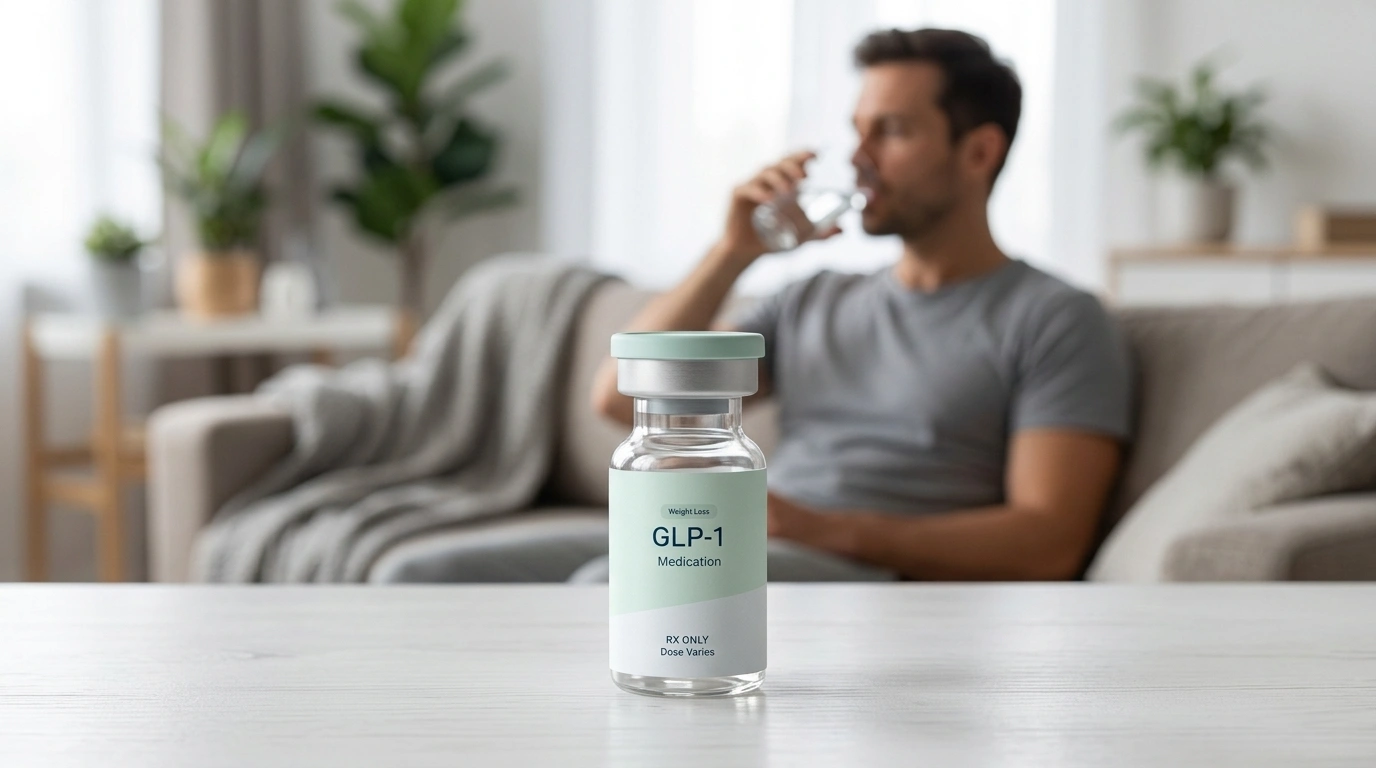
Finding the right weight loss treatment can feel like a major victory, but it often comes with a new set of practical questions. If you have recently started a GLP-1 (glucagon-like peptide-1) medication, you might be looking at your refrigerator and wondering exactly how to handle these sensitive pens or vials. Whether you are using a branded medication or a program through TrimRx, understanding the timeline of your medication is vital for ensuring it remains effective. If you are still exploring whether prescription GLP-1 treatment is right for you, you can complete a free eligibility assessment.
GLP-1 medications are proteins, and like many biological products, they are sensitive to temperature, light, and time. If they get too warm or accidentally freeze, the active ingredients can break down, making the treatment less effective at managing appetite or blood sugar. This post covers exactly how long these medications last under different conditions, how to store them correctly, and what to do if you suspect your medication has lost its potency. For additional guidance, review this overview of safe GLP-1 storage practices.
The Science Behind GLP-1 Storage
To understand why refrigeration is so important, we first need to look at what these medications actually are. GLP-1 receptor agonists, such as Semaglutide or Tirzepatide, are essentially synthetic versions of a hormone your body naturally produces. Because these are peptides—which are short chains of amino acids—they are delicate.
When a peptide is exposed to high heat or extreme cold, it can undergo a process called denaturation. This means the molecular structure of the medicine changes. Once the shape of the molecule changes, it can no longer “fit” into the receptors in your body properly. If the medicine cannot bind to your receptors, it cannot signal your brain to feel full or tell your pancreas to manage insulin.
Most injectable GLP-1 medications are designed to be kept in a cold environment to keep these peptide chains stable. Keeping them in the refrigerator slows down the natural chemical breakdown that happens over time.
How Long Injectable GLP-1 Lasts
The amount of time your medication remains stable depends largely on whether the container has been opened or “activated.” For a broader explanation of refrigeration requirements, see this guide to whether GLP-1 medications need to be refrigerated.
Unopened Medication
If you have a fresh supply of medication that you have not used yet, it should stay in the refrigerator. Most branded medications, such as Ozempic®, Wegovy®, Mounjaro®, and Zepbound®, can stay in the refrigerator until the expiration date printed on the box.
This expiration date is typically set for about two years from the date of manufacture. However, because the medication spends time in a warehouse and at a pharmacy before it reaches you, the date on your box will likely be less than two years away.
Opened or “In-Use” Medication
Once you take your first dose or remove the medication from the refrigerator, the “countdown” begins. Even if you put the medication back in the refrigerator after your injection, the stability window changes.
Quick Answer: Most unopened GLP-1 injections last in the refrigerator until their printed expiration date. Once opened or moved to room temperature, they typically last between 21 and 56 days, depending on the specific medication.
Storage Timelines by Medication Type
Different brands and formulations have different stability profiles. It is important to follow the specific guidelines for the medication your provider has prescribed. If you are considering prescription treatment and want to understand the next step, you can take the free assessment quiz.
Ozempic® (Semaglutide)
Ozempic® is a multi-dose pen used for type 2 diabetes and sometimes prescribed off-label for weight management.
- Unopened: Store in the refrigerator (36°F to 46°F) until the expiration date.
- After first use: You can keep the pen in the refrigerator or at room temperature (up to 86°F) for up to 56 days.
Wegovy® (Semaglutide)
Wegovy® is specifically FDA-approved for chronic weight management. It often comes in single-dose pens.
- Unopened: Store in the refrigerator until the expiration date.
- Room temperature limit: If necessary, an unopened pen can be kept at room temperature (up to 86°F) for up to 28 days. Once it has been out of the fridge for 28 days, it must be used or discarded.
Mounjaro® and Zepbound® (Tirzepatide)
These medications use Tirzepatide, which targets two different hormone receptors (GLP-1 and GIP).
- Unopened: Store in the refrigerator until the expiration date.
- Room temperature limit: Single-dose pens can be kept at room temperature (up to 86°F) for up to 21 days.
Oral Semaglutide (Rybelsus®)
Unlike the injectable versions, Rybelsus® is a tablet.
- Storage: It does not require refrigeration.
- Requirement: It must be kept in its original bottle to protect it from moisture. Store it at room temperature (68°F to 77°F) in a dry place.
Compounded GLP-1 Medications
Many individuals choose a personalized approach through a platform like us. We connect patients with licensed providers who may prescribe Compounded Semaglutide or Compounded Tirzepatide. These medications are prepared by FDA-registered, inspected compounding pharmacies.
It is important to note that Compounded Semaglutide and Compounded Tirzepatide are not FDA-approved. Because these medications are customized and do not contain the same specialized preservatives or delivery systems as mass-manufactured branded pens, their storage rules are different. For a more detailed explanation, read this guide to compounded semaglutide storage and shelf life.
The Beyond-Use Date (BUD)
Instead of a standard expiration date, compounded medications have a “Beyond-Use Date” or BUD. This date is determined by the pharmacist based on the stability of the ingredients and the environment in which they were prepared.
- Standard BUD: Many compounded GLP-1 injections have a shelf life of 30 to 90 days when stored in the refrigerator.
- Refrigeration Requirement: Unlike some branded pens that can stay at room temperature for several weeks, compounded medications almost always require constant refrigeration to maintain their potency.
Key Takeaway: Always check the label on your compounded medication vial for the specific “Beyond-Use Date.” This date is the final day the pharmacy guarantees the medication’s safety and strength.
Best Practices for Refrigerator Storage
Where you put your medication in the refrigerator matters just as much as the temperature setting itself. To keep your treatment safe, follow these steps:
Step 1: Check your fridge temperature. Ensure your refrigerator is set between 36°F and 46°F (2°C to 8°C). Using a simple appliance thermometer can provide peace of mind.
Step 2: Choose the right shelf. Store your medication in the middle of the refrigerator. Avoid the door, as the temperature fluctuates every time you open it. Also, avoid the very back or the top shelf near the cooling element, as these areas are prone to freezing.
Step 3: Keep it in the original box. The box protects the medication from light. Even inside a dark refrigerator, the light turns on every time the door opens. Prolonged light exposure can degrade the peptides.
Step 4: Keep it away from food contamination. While the pens and vials are sealed, it is best practice to keep your medical supplies in a dedicated drawer or a small plastic container to keep them separate from grocery items.
What Happens if GLP-1 Gets Too Warm?
If you accidentally leave your medication on the counter overnight or if your refrigerator loses power, you might be worried. Most branded GLP-1 medications are surprisingly resilient for short periods, as long as they do not exceed 86°F. For more guidance about handling compounded medication outside the refrigerator, see how long compounded semaglutide can stay out of the fridge.
However, if the medication is exposed to direct sunlight or high heat (like a hot car), it can degrade rapidly. If the liquid inside the pen or vial looks cloudy, discolored, or contains visible particles, it has likely spoiled.
Note: If your medication has been exposed to temperatures above 86°F for any length of time, you should consult your healthcare provider or pharmacist before using it. Using degraded medication is generally not dangerous, but it will likely fail to provide the weight loss results you are working toward.
The Danger of Freezing
While heat is bad, freezing is often worse. You should never use GLP-1 medication that has been frozen, even if it has thawed out. For a closer look at this issue, read about how freezing affects compounded semaglutide.
Freezing temperatures break the delicate chemical bonds of the peptide instantly. Once these bonds are broken, the medication is inactive. If you see ice crystals in the liquid or if you know your refrigerator malfunctioned and froze your items, the medication must be discarded.
Bottom line: Keep GLP-1 medications cold, but never frozen. If a pen or vial freezes, it is no longer effective and should be replaced.
Tips for Traveling with GLP-1
Maintaining the “cold chain” can be a challenge when you are on the move. Whether you are going on a business trip or a vacation, you can keep your program on track with a little planning. This GLP-1 travel guide covers additional preparation and transportation tips.
- Use a Travel Cooler: Invest in a small, insulated medical travel bag. These often come with gel ice packs designed to keep pens at the correct temperature for several hours.
- Avoid Checked Luggage: Never put your medication in checked baggage. The cargo hold of an airplane can experience extreme temperature shifts, and there is always a risk of lost luggage. Keep your medication in your carry-on.
- Hotel Fridges: When you arrive at your destination, be cautious with hotel mini-fridges. These are notoriously inconsistent and can sometimes freeze items placed near the back.
- In-Flight Care: If your flight is very long, you can ask a flight attendant for a small bag of ice to refresh your travel cooler, but ensure the ice does not directly touch the medication pen to prevent freezing.
How to Tell if Your Medication Is Still Good
Before every injection, you should perform a quick visual inspection. This is a simple but effective way to ensure you are receiving a potent dose. The semaglutide storage and handling guide provides additional information about visual checks and handling.
- Clarity: The liquid should be completely clear. If it looks “milky” or cloudy, do not use it.
- Color: The medication should be colorless. Any yellowing or brownish tint is a sign of oxidation and degradation.
- Consistency: Look for particles, flakes, or “stringy” looking bits in the liquid. The solution should be smooth and uniform.
- Expiration: Always double-check the date on the vial or pen.
If you are using the TrimRx platform, our support team and your connected providers are available to help if you ever have concerns about the appearance or storage of your medication.
Why Stability Matters for Your Results
Consistency is the most important factor in a weight loss journey. When you use medication that has been stored improperly, you are essentially skipping a dose or taking a “weak” dose. This can lead to:
- Increased hunger pangs or “food noise” returning mid-week.
- Stalls in weight loss progress.
- Fluctuations in blood sugar levels.
By taking the time to manage your refrigerator storage, you are protecting the investment you have made in your health.
Safety and Disposal
Once your medication has reached its expiration date or the end of its “in-use” window (like the 56-day limit for Ozempic®), it must be disposed of safely. Do not flush medications down the toilet or throw them in the regular trash where pets or children might find them.
For injectable pens and needles:
- Use a heavy-duty plastic container, like an FDA-cleared sharps container.
- If you do not have a sharps container, a thick laundry detergent bottle with a screw-top lid can work as a temporary solution.
- Check your local community guidelines for “medication take-back” programs or hazardous waste disposal sites.
Our Mission at TrimRx
We believe that medical weight loss should be accessible, transparent, and supported by expert guidance every step of the way. Our mission is to help you navigate the complexities of metabolic health with a personalized approach that fits your life. By combining modern telehealth with science-backed treatments, we ensure that you have the tools and the knowledge—like proper storage techniques—to achieve sustainable results.
Whether you are just starting your journey or looking to optimize your current routine, our platform is designed to provide the clinical oversight and convenience you need to succeed without the hassle of in-person visits. If you are ready to explore whether a personalized prescription program may be appropriate for you, start with the free assessment quiz.
FAQ
Can I use my GLP-1 pen if it was left out overnight?
In most cases, yes, as long as your home stayed below 86°F. Branded pens like Wegovy® and Ozempic® are stable at room temperature for 28 to 56 days. However, you should still put it back in the refrigerator as soon as you notice it was left out and ensure it hasn’t changed color or become cloudy.
Does compounded semaglutide need to stay in the fridge?
Yes, compounded medications usually require constant refrigeration because they lack the same specialized packaging and preservatives found in branded pens. Always follow the specific storage instructions provided by the compounding pharmacy on your prescription label.
What should I do if my refrigerator loses power?
Keep the refrigerator door closed as much as possible to maintain the cold air. If the power is out for more than a few hours, move your medication to a small cooler with ice packs. Once power is restored, check the medication for any signs of cloudiness or particles before your next dose.
Is it okay to use GLP-1 medication a few days past the expiration date?
It is not recommended. After the expiration date or the Beyond-Use Date, the chemical stability of the peptide cannot be guaranteed. The medication may be significantly less effective, which can disrupt your treatment plan and progress. If you are still considering prescription treatment, you can complete a free eligibility assessment.
Disclaimer: This content is for informational purposes only and does not constitute medical advice. It is not intended to diagnose, treat, cure, or prevent any disease or condition. Individual results may vary. Always consult a qualified healthcare professional before starting any weight loss program or medication.

Transforming Lives, One Step at a Time
Keep reading
Weight Loss Progress Tracker
Track your weight loss over time, see progress clearly, and stay motivated with simple charts, summaries, and goal-based insights.
How to Create a Personalized Adherence Plan
Build a one-page GLP-1 adherence plan: record dose, pick a weekly time, set reminders, log side effects, and review monthly.

Weight Loss Medication Dosage Calculator
Estimate weight loss medication doses by weight and drug type, with starting guidance, dose progression info, and a clear medical disclaimer.


