How to Store GLP-1 Medications Safely for Best Results
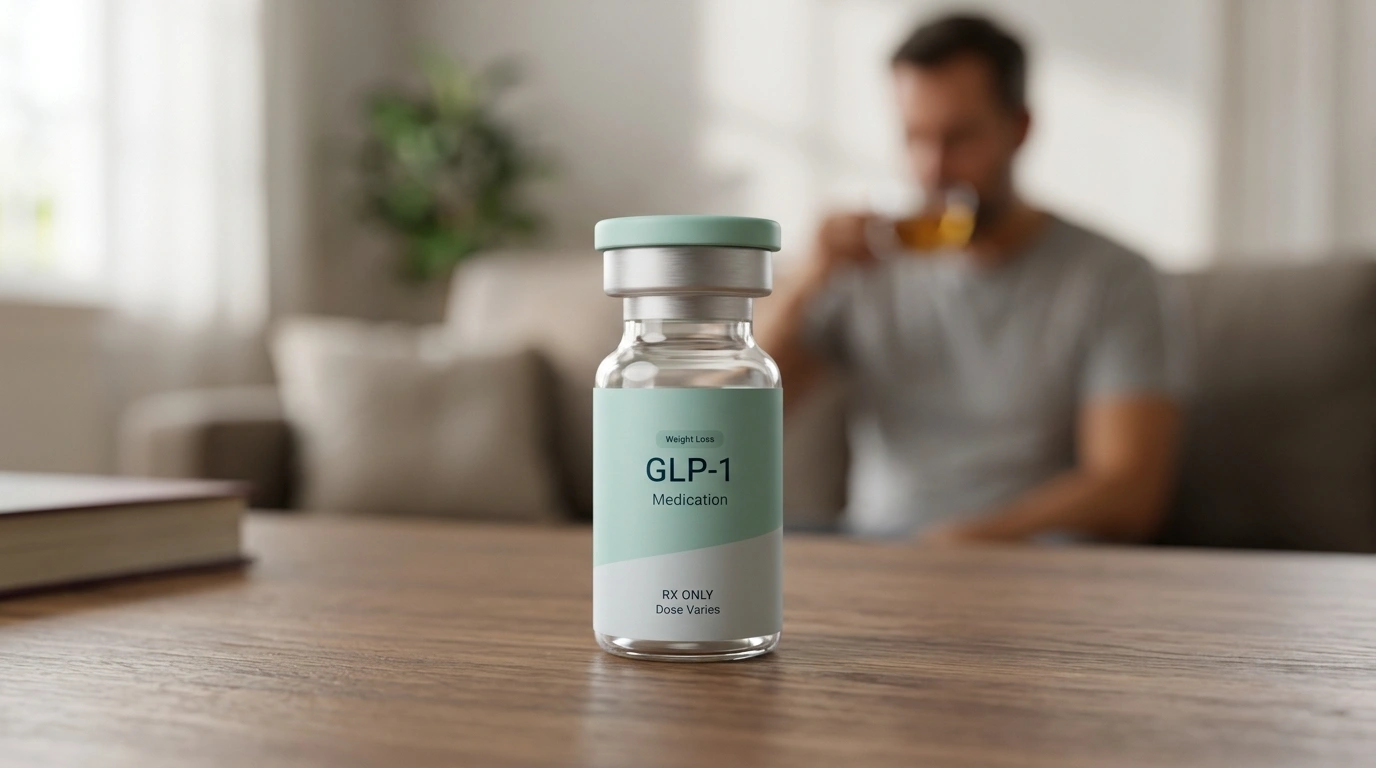
Introduction
Starting a weight loss journey is a significant step toward improving your metabolic health. When you receive your first shipment of medication, whether it is an injectable or an oral format, knowing how to manage those supplies is just as important as the dose itself. At TrimRx, we believe that education is the foundation of a successful wellness plan. Proper storage ensures that your medication remains potent, safe, and effective from the first day to the last. This guide covers everything you need to know about temperature requirements, travel protocols, and light protection for glucagon-like peptide-1 (GLP-1) receptor agonists. By following these evidence-based storage practices, you can protect your investment in your health and maintain the momentum of your personalized program. If you want to see whether a personalized program is a fit, take the free assessment quiz.
The Importance of Proper Medication Storage
To understand why storage matters, it helps to know what these medications are made of. GLP-1 receptor agonists, such as semaglutide and tirzepatide, are types of proteins known as peptides. These peptides are designed to mimic a hormone your body naturally produces to regulate appetite and blood sugar. Because they are biological in nature, they are highly sensitive to their environment.
When a medication is exposed to extreme heat or cold, the delicate structure of the protein can break down. This process is called denaturation. Once a peptide denatures, it may lose its ability to bind to the receptors in your body. This means the medication may not work as intended, potentially slowing your progress. In some cases, improper storage can also lead to contamination or chemical changes that make the medication unsafe to use.
Key Takeaway: GLP-1 medications are sensitive biological proteins. Keeping them within specific temperature ranges is essential to preserve their potency and ensure they support your weight loss goals effectively.
General Temperature Guidelines for GLP-1s
Most GLP-1 medications require refrigeration before they are used for the first time. If you want a deeper look at refrigeration rules, our guide on whether semaglutide has to be refrigerated is a helpful companion. Standard refrigeration temperatures should stay between 36°F and 46°F (2°C to 8°C).
Where to Store Meds in Your Refrigerator
Not all areas of a refrigerator are equal. To keep your medication at a stable temperature, follow these placement tips:
- Avoid the door: The temperature in the refrigerator door fluctuates every time you open it. This can lead to “temperature spikes” that may affect the medication over time.
- Stay away from the cooling element: Do not place your pens or vials directly against the back wall or near the cooling vent. This is the coldest part of the fridge and carries a high risk of accidental freezing.
- Use the middle shelf: The center of the refrigerator typically offers the most consistent and stable environment.
The Danger of Freezing
Freezing is often more damaging than mild heat. If your GLP-1 medication freezes, even for a short time, you must discard it. Freezing can cause the proteins to clump or break apart permanently. Even if the medication thaws and looks clear, the internal structure is likely compromised. If you notice ice crystals in your vial or pen, do not use it.
Storing Branded Medications
If your provider has prescribed a branded medication, you should follow the manufacturer’s specific guidelines. While most share similar requirements, the “room temperature” window varies between brands. Branded medications like Ozempic®, Wegovy®, Mounjaro®, and Zepbound® are FDA-approved and come with very specific stability data.
| Medication | Storage Before First Use | Storage After First Use | Room Temp Limit |
|---|---|---|---|
| Ozempic® | Refrigerator (36°F–46°F) | Fridge or Room Temp | 56 Days |
| Wegovy® | Refrigerator (36°F–46°F) | Fridge or Room Temp | 28 Days |
| Mounjaro® | Refrigerator (36°F–46°F) | Fridge or Room Temp | 21 Days |
| Zepbound® | Refrigerator (36°F–46°F) | Fridge or Room Temp | 21 Days |
| Rybelsus® | Room Temp (68°F–77°F) | Room Temp | Until Expiry |
Note: While many of these medications can be kept at room temperature for several weeks, they should never be exposed to temperatures above 86°F. If you live in a very warm climate or lack air conditioning, it is safer to keep your medication in the refrigerator at all times.
Storage for Compounded Medications
Many individuals choose a personalized approach through our platform, which may involve compounded semaglutide or compounded tirzepatide. For a deeper dive on home storage, see our guide on how to store compounded semaglutide or tirzepatide at home. These medications are prepared by FDA-registered, inspected compounding pharmacies. It is important to note that compounded medications are not FDA-approved in the same way branded drugs are.
Because compounded medications do not contain the same preservatives as some branded versions, they often have stricter storage requirements. In most cases, compounded injectables should be kept in the refrigerator throughout the entire duration of use. Always check the label provided by the pharmacy for the “Beyond Use Date” (BUD) and specific temperature instructions.
At TrimRx, the pharmacies we partner with include clear handling instructions with every shipment. Because your medication is shipped directly to your door in temperature-controlled packaging, you should transfer it to your refrigerator as soon as it arrives.
Quick Answer: Compounded GLP-1 medications should generally remain refrigerated at 36°F to 46°F. Always refer to the specific pharmacy label for the “Beyond Use Date,” as these dates are different from standard manufacturer expiration dates.
Protecting Your Medication from Light and Moisture
Temperature is not the only factor that can degrade your medication. Light and moisture also play significant roles in maintaining stability.
Light Sensitivity
GLP-1 medications are light-sensitive. Prolonged exposure to sunlight or even strong indoor lighting can break down the chemical bonds in the peptide. This is why most pens come with a cap and why vials are often made of tinted glass or stored in boxes.
- Keep the cap on: Always replace the pen cap immediately after your injection.
- Use the original packaging: Store your pens or vials inside their original cardboard box. This provides an extra layer of insulation and total protection from light.
Moisture and Oral Medications
If you are taking an oral format, such as Rybelsus® or a compounded oral semaglutide, moisture is your primary concern. These tablets are designed to dissolve and be absorbed in the stomach. If they absorb moisture from the air, they can begin to degrade before you even swallow them.
- Keep the bottle closed: Ensure the lid is tight after every use.
- Original container only: Never move oral GLP-1 tablets into a weekly pill organizer or a different bottle. The original packaging often contains a desiccant (a small packet that absorbs moisture) to keep the tablets dry.
- Avoid the bathroom: The steam from showers makes the bathroom the worst place to store oral medications. A cool, dry kitchen cabinet or bedroom drawer is much better.
Traveling with GLP-1 Medications
Maintaining your routine while traveling is vital for long-term success. Whether you are flying or driving, a little preparation ensures your medication stays within the safe temperature zone. For a fuller trip checklist, our guide on traveling with GLP-1s in 2026 covers the logistics.
Air Travel and TSA
When flying, you should never put your GLP-1 medication in checked luggage. The cargo hold of an airplane can experience extreme temperature fluctuations and pressure changes that could freeze or damage the medication.
- Keep it in your carry-on: Keep your pens, vials, and syringes in your hand luggage. This keeps the medication in a climate-controlled environment.
- Use a travel cooler: For long flights, use a small medical travel cooler or an insulated bag with a gel ice pack. Ensure the ice pack does not directly touch the medication to avoid accidental freezing.
- Declare at security: Inform the TSA officer that you have injectable medication. While it is helpful to have your prescription label or a letter from your provider, it is usually not a requirement for domestic travel.
- Avoid X-rays? Standard airport X-ray machines are generally considered safe for GLP-1 medications, but you can always request a visual inspection if you prefer.
Road Trips and Car Travel
Cars can heat up very quickly, especially in the summer. Never leave your medication in a parked car or the glove compartment. If you are driving for several hours, keep your medication in an insulated cooler in the passenger area of the car where the air conditioning can reach it.
How to Tell if Your Medication Has Gone Bad
Even with the best care, accidents happen. It is important to inspect your medication before every single dose. Most GLP-1 injectables should be clear and colorless. For a fuller walkthrough of storage and handling, see our guide on Semaglutide Storage, Travel & Handling.
Signs you should discard the medication:
- Cloudiness: If the liquid looks “milky” or cloudy (and it isn’t supposed to be), it may have degraded or become contaminated.
- Particulates: If you see small flakes, crystals, or stringy substances floating in the liquid, do not use it.
- Color changes: If the liquid has turned yellowish or brownish, this is a sign of chemical breakdown.
- Freezing: If you see any ice or if the pen was left in a freezer, it is no longer safe.
If you are ever unsure about the appearance of your medication, contact your healthcare provider or the pharmacy that dispensed it before taking your dose. Safety should always come first.
Managing Expiration and Disposal
Every medication has a shelf life. For branded products, the expiration date is printed on the pen or the box. For compounded medications, look for the “Beyond Use Date.” Once these dates pass, the manufacturer or pharmacy can no longer guarantee the strength or safety of the drug.
Safe Disposal
When your pen is empty or your medication has expired, you must dispose of it safely. Because these involve needles, they should be treated as “sharps.”
- Sharps container: Use a heavy-duty plastic container, such as a dedicated red sharps bin or a thick laundry detergent bottle with a screw-on lid.
- Do not recycle: Never put used needles or pens in your standard recycling bin.
- Local guidelines: Check your local waste management website for specific rules on how to dispose of sharps containers in your area.
Optimizing Your Results with TrimRx
Proper storage is a small but vital part of a larger picture. Our mission at TrimRx is to help you embrace a healthier lifestyle through science, empathy, and a transparent, personalized approach. We don’t just provide access to medication; we provide a framework for sustainable weight loss. If you’d like help deciding whether a personalized program is right for you, take the free assessment quiz.
By taking care of your medication, you are taking care of yourself. This attention to detail reflects the commitment you are making to your long-term health. If you are ever confused about storage or need guidance on your treatment plan, we are here to support you. Our team of specialists is available to ensure that your path to wellness is as clear and supported as possible.
Next Steps for Your Journey
- Check your current storage: Take a moment to ensure your medications are in the middle of the fridge, away from the door and cooling elements.
- Inspect your labels: Note the expiration or “Beyond Use” dates on your current supply.
- Plan for travel: If you have an upcoming trip, order a medical-grade travel cooler bag.
- Stay consistent: Remember that the best results come from combining properly stored medication with healthy lifestyle choices. If you’re ready to see whether a personalized program is a fit, take the free assessment quiz.
“The success of your weight loss journey depends on the integrity of your treatment. Proper storage is the first step in ensuring every dose works as hard as you do.”
FAQ
Can I leave my GLP-1 pen out overnight?
Most branded GLP-1 pens, like Ozempic® or Wegovy®, can stay at room temperature (up to 86°F) for several weeks once they have been opened. However, if the room gets very hot or if the medication is compounded, it is always safer to return it to the refrigerator. If you accidentally leave it out and it exceeds 86°F, you should consult your pharmacist or provider before using it.
What should I do if my medication was delivered and sat on my porch?
Our partner pharmacies ship medications in insulated packaging with cold packs designed to maintain the proper temperature during transit. If you retrieve the package and the cold packs are still cool or room temperature, the medication is likely fine. If the package was sitting in direct sunlight for many hours and feels hot to the touch, contact the pharmacy or our support team to discuss a replacement.
Why does the medication need to be clear?
The clarity of the liquid is a sign that the proteins are properly dissolved and the solution is stable. If the liquid becomes cloudy or changes color, it indicates that the chemical structure has changed or that bacteria may be present. Injecting a degraded or contaminated solution can be ineffective and potentially dangerous, so always check for clarity before use.
Can I use the medication after the expiration date if it was kept in the fridge?
No, you should not use any GLP-1 medication past its expiration or “Beyond Use” date, regardless of how it was stored. Over time, the chemical stability of the peptide declines, and the preservatives in the solution may lose their effectiveness. Using expired medication increases the risk of infection and decreases the likelihood that the drug will help you achieve your weight loss goals. If you’re still exploring your options, start with the free assessment quiz.
Disclaimer: This content is for informational purposes only and does not constitute medical advice. It is not intended to diagnose, treat, cure, or prevent any disease or condition. Individual results may vary. Always consult a qualified healthcare professional before starting any weight loss program or medication.

Transforming Lives, One Step at a Time
Keep reading

Mons Pubis Fat Loss on GLP-1s: The “Pubic Area” Change Nobody Mentions
One change that surprises people on GLP-1 medications rarely comes up in conversation: the mons pubis, the soft fat pad over the pubic bone,…

How to Adjust Weight Loss Goals on GLP-1 Medications
Adjust weight goals on GLP-1 meds by tracking body composition and labs, optimizing protein, activity, sleep, and working with your provider on dosing.
Falsified Mounjaro pens prompt urgent safety advisory
MHRA warns of counterfeit Mounjaro pens (batch D873576); stop use and check batch numbers for infection risk.


