What Happens If You Take 2 Doses of Wegovy?
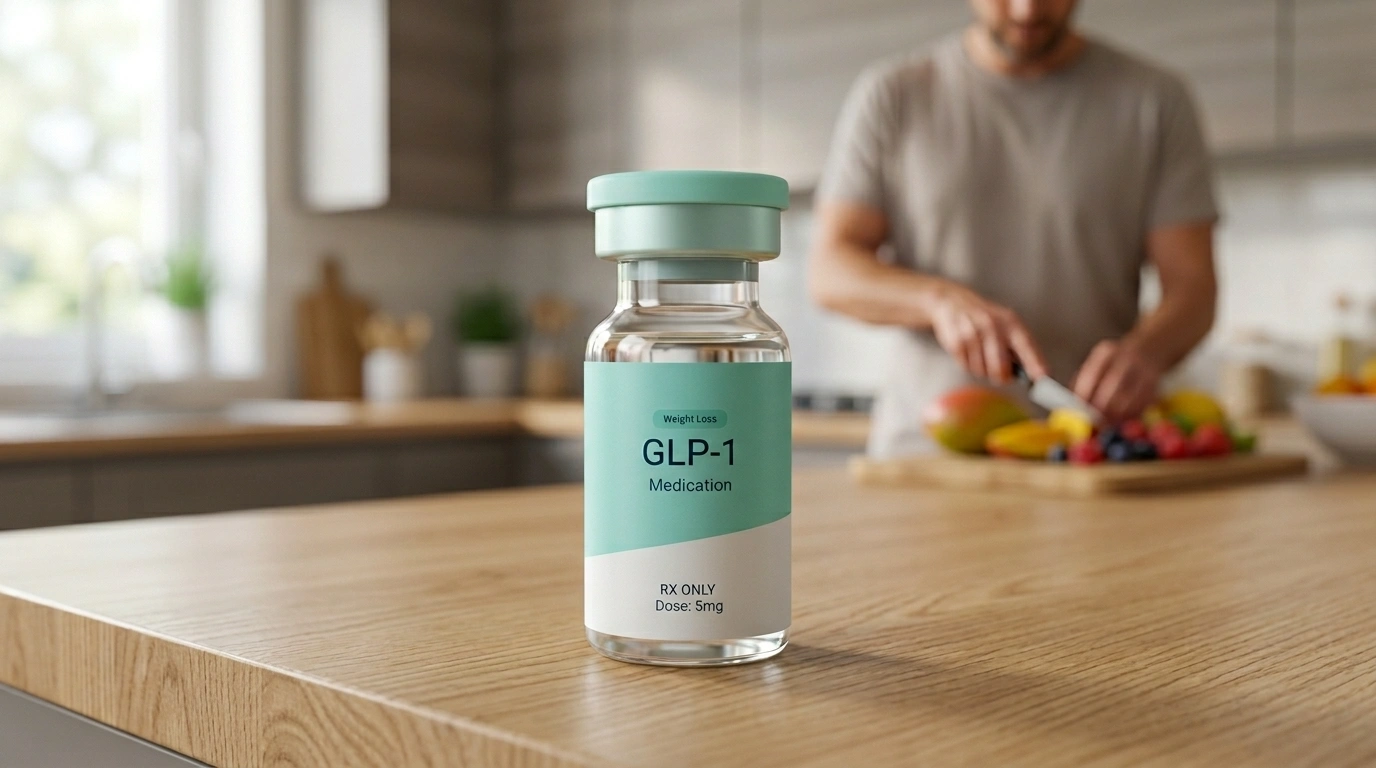
Introduction
It is a moment that can cause an immediate wave of panic: you are looking at your medication calendar or your injection pen and realize you have accidentally taken two doses of Wegovy® instead of one. Whether it was a simple lapse in memory, a misunderstanding of the dosing schedule, or a mistake in measuring a compounded alternative, the concern is real and valid. Most people starting their weight loss journey are focused on results, but safety must always come first.
At TrimRx, we believe that education is the foundation of a successful health journey. Navigating the world of GLP-1 medications can feel overwhelming, especially when you are managing a new routine alongside a busy life. This post will cover exactly what happens in your body if you take a double dose, the symptoms you should watch for, and the immediate steps you should take to stay safe. By the end of this guide, you will have a clear understanding of how to manage this situation and how to prevent it from happening again.
Understanding the Half-Life of Semaglutide
To understand why taking two doses is a concern, we first need to look at the active ingredient in Wegovy®: semaglutide. Semaglutide is a GLP-1 (glucagon-like peptide-1) receptor agonist. In plain English, this means it mimics a natural hormone in your body that tells your brain you are full and slows down how quickly your stomach empties.
One of the most important characteristics of semaglutide is its “half-life.” The half-life of a medication is the amount of time it takes for the concentration of the drug in your body to reduce by 50%. For semaglutide, the half-life is approximately seven days. This long duration is why the medication is only injected once per week.
When you take your scheduled dose, the medication stays active in your system for several days, providing a steady effect on your appetite and blood sugar. If you take a second dose too soon, you are essentially doubling the concentration of the drug before the previous dose has had time to cycle through your system. This leads to an “overlap” that can overwhelm your body’s ability to process the medication comfortably.
Key Takeaway: Because semaglutide stays in your system for a full week, taking two doses in a short period leads to an excessive buildup of the medication, which can significantly intensify side effects.
For additional context about how semaglutide affects appetite and digestion, review this guide to how semaglutide works for weight loss.
Immediate Symptoms of a Double Dose
If you have taken two doses of Wegovy®, the most likely outcome is an intensification of the standard side effects associated with the medication. Your body is processing a much higher level of semaglutide than it is prepared for, particularly if you are still in the “titration” phase—the period where your provider slowly increases your dose over several months.
If you are considering a prescription GLP-1 program, you can complete a free eligibility assessment to determine whether a personalized program may be appropriate.
Severe Gastrointestinal Distress
The most common symptoms involve the digestive system. Because GLP-1 medications slow down gastric emptying (the speed at which food leaves your stomach), a double dose can cause this process to slow down even further.
- Extreme Nausea: You may feel a persistent, heavy wave of nausea that does not subside with rest.
- Persistent Vomiting: If the stomach is not moving food through efficiently, your body may react by trying to expel it.
- Abdominal Pain and Cramping: This often feels like intense pressure or sharp pains in the upper or middle stomach area.
- Bloating and Heartburn: Excessive levels of the medication can lead to a buildup of gas and acid reflux.
For more information about common reactions, read about semaglutide nausea, vomiting, and other side effects.
Neurological and Physical Fatigue
Beyond the stomach, a double dose can affect how you feel overall. Many people report feeling “wiped out” or excessively tired.
- Headaches: Increased levels of semaglutide can trigger tension or migraine-like headaches.
- Dizziness: This can be a result of the medication’s effect on your system or a secondary effect of dehydration from vomiting.
- Confusion or Brain Fog: In cases of significant overexposure, some individuals report feeling mentally slow or “out of it.”
Serious Risks and When to Seek Medical Help
While most cases of an accidental double dose result in uncomfortable but manageable symptoms, there are serious risks that require professional medical intervention. It is vital to monitor your body closely over the 24 to 72 hours following the mistake.
The Danger of Dehydration
When you experience severe vomiting or diarrhea as a result of taking too much medication, your body loses fluids and essential electrolytes faster than you can replace them. Dehydration is not just about being thirsty; it can lead to kidney strain or failure if left untreated.
Note: If you cannot keep any liquids down for more than 12 hours, you must contact a healthcare provider or visit an urgent care center for intravenous (IV) fluids.
Hypoglycemia (Low Blood Sugar)
Although Wegovy® is primarily used for weight management, semaglutide was originally developed to manage type 2 diabetes by stimulating insulin production. When taken in excess, it can cause your blood sugar to drop too low, a condition called hypoglycemia.
Symptoms of low blood sugar include:
- Shakiness or tremors
- Excessive sweating and chills
- Rapid heartbeat
- Irritability or anxiety
- Extreme hunger
- Blurry vision
If you feel these symptoms, try to consume 15 grams of fast-acting carbohydrates, such as four ounces of fruit juice or a tablespoon of honey. If symptoms do not improve, seek emergency care.
Pancreatitis and Gallbladder Issues
In rare cases, GLP-1 medications have been linked to inflammation of the pancreas (pancreatitis) or gallbladder problems. A double dose may increase this risk.
Warning Signs:
- Severe pain in the upper abdomen that radiates to your back.
- Pain that feels worse after eating.
- Fever and a rapid pulse.
- Yellowing of the skin or eyes (jaundice).
If you experience these specific symptoms, do not wait. Go to the nearest emergency room immediately.
Why Dosing Errors Happen
Understanding how the error occurred is the best way to ensure it doesn’t happen again. Dosing mistakes usually fall into three categories.
1. Confusion with Compounded Medications
While branded Wegovy® comes in pre-filled, single-use pens that are relatively simple to use, many people utilize compounded semaglutide prepared by FDA-registered, inspected compounding pharmacies. These medications often arrive in multi-dose vials.
Patients must draw the medication into a syringe themselves. Confusion often arises between “milligrams” (the strength of the drug) and “units” or “milliliters” (the volume of liquid). If a patient misreads a syringe, they might accidentally inject ten times the intended amount. At TrimRx, we prioritize clear communication and support to help our patients navigate these measurements safely through our personalized programs.
To better understand how individualized dosing works, review this guide to semaglutide dosage and titration.
2. The “Missed Dose” Trap
If you forget to take your injection on your scheduled day, the instinct is often to take it as soon as you remember. However, if you remember too late in the week—close to your next scheduled dose—you might end up taking two doses within a 48-hour window. This “doubling up” is never recommended.
For guidance about missed injections and avoiding doses that are too close together, read what to do if you miss a GLP-1 dose.
3. Desire for Faster Results
Occasionally, an individual might intentionally take extra medication thinking it will speed up their weight loss. This is dangerous and ineffective. The titration schedule (slowly increasing the dose) exists specifically to allow your body to build a tolerance to the medication. Skipping ahead or doubling up only increases the risk of severe illness, not the rate of fat loss.
Step-by-Step: What to Do Right Now
If you have realized you took two doses, follow these steps to manage the situation.
Step 1: Stay Calm and Document
Write down exactly how much you took and at what time. This information will be vital for any healthcare provider you speak with.
Step 2: Contact Your Healthcare Provider
Call the doctor who prescribed the medication or your telehealth support team. They can provide specific guidance based on your current dosage and medical history. Do not wait for symptoms to start before making this call.
Step 3: Prioritize Hydration
Start sipping water, electrolyte drinks, or bone broth immediately. Small, frequent sips are better than large gulps, which might trigger nausea. Avoid caffeinated or sugary drinks that can worsen dehydration.
Step 4: Monitor Your Blood Sugar
If you have a glucose monitor, check your levels every few hours. If you do not have one, keep a source of fast-acting sugar nearby in case you feel faint or shaky.
Step 5: Rest and Observe
Do not plan any strenuous activity. Your body is under stress and needs energy to process the excess medication. Have someone check on you periodically over the next 24 hours.
Quick Answer: If you take a double dose of Wegovy®, contact your healthcare provider immediately, stay hydrated with electrolytes, and monitor for signs of low blood sugar or severe vomiting. Do not take your next scheduled dose until instructed by a professional.
How to Handle a Missed Dose Correctly
To avoid the risk of taking too much medication, you must follow the correct protocol for a missed dose. The general rule for semaglutide is based on the timing of your next injection.
- If your next dose is more than 2 days away: Take the missed dose as soon as you remember. Then, continue with your regular weekly schedule on your usual day.
- If your next dose is less than 2 days away: Skip the missed dose entirely. Take your next dose on your usual scheduled day.
Never take two doses at the same time or within the same 48-hour period to “make up” for a missed one. If you miss more than two weeks of doses, you should consult your provider before restarting, as you may need to go back to a lower starting dose to avoid severe side effects.
For more detail about injection timing and schedule changes, see this guide to weekly semaglutide timing.
Prevention Strategies for the Future
Consistency is key to both safety and success in a weight loss program. Here are some practical ways to prevent future dosing errors:
- Set a Recurring Alarm: Choose a specific day and time each week for your injection. Set an alarm on your phone that requires you to “check off” the task.
- Use a Medication Log: Keep a physical or digital calendar where you mark the date, time, and dosage amount immediately after your injection.
- The “One Pen” Rule: If using branded pens, only take one pen out of the refrigerator at a time. Dispose of it in a sharps container immediately after use so there is no confusion about whether you have already injected.
- Clarify Your Units: If using a compounded medication, double-check your prescription instructions. Ensure you know exactly which line on the syringe corresponds to your prescribed dose.
The TrimRx Approach to Safe Weight Loss
We understand that the journey toward metabolic health is not just about a prescription; it is about having a dedicated team to guide you through every step. Mistakes happen, but with the right support system, they don’t have to derail your progress.
Our platform is designed to provide more than just access to medication. We focus on a personalized approach that takes your unique health profile into account. Whether you are using compounded semaglutide or are exploring other GLP-1 options, we provide the resources and 24/7 access to specialists needed to ensure you feel confident and safe.
If you are exploring supervised prescription options, you can see if you qualify for a personalized program.
Sustainable weight loss is a marathon, not a sprint. By working with a professional team, you can navigate the nuances of dosing, side effect management, and lifestyle changes with the peace of mind that comes from medical supervision.
Summary of Key Actions
Taking too much medication is a serious matter, but it is one that can be managed with quick action and transparency.
- Hydrate: This is your primary defense against the most common complications.
- Communicate: Your healthcare provider is your best resource for personalized advice.
- Observe: Watch for the “red flag” symptoms like severe abdominal pain or signs of low blood sugar.
- Wait: Do not attempt to “fix” the mistake by skipping multiple future doses without professional guidance.
Bottom line: A double dose of Wegovy® significantly increases the risk of severe nausea, vomiting, and low blood sugar due to the drug’s long 7-day half-life; immediate hydration and medical consultation are essential.
Conclusion
Accidentally taking two doses of Wegovy® can be a frightening experience, but understanding how the medication works in your body can help you stay calm and take the right steps. The long half-life of semaglutide means that the effects of a double dose will likely last for several days, making hydration and monitoring your top priorities.
At TrimRx, our mission is to help individuals embrace healthier lifestyles through science, empathy, and a transparent approach. We believe that weight loss should be a supported journey, not a confusing one. If you are looking for a program that prioritizes your safety and provides the expert guidance you need to succeed, we are here to help.
The best next step for anyone concerned about their dosing or looking to start a supervised weight loss journey is to take the free assessment quiz and consult with a professional who can provide a clear, personalized path forward.
FAQ
Can taking two doses of Wegovy be fatal?
While a double dose of semaglutide is rarely fatal, it can lead to severe complications like extreme dehydration or acute pancreatitis, which can be life-threatening if not treated. Most people experience intense gastrointestinal distress that requires supportive care like IV fluids. Always seek medical attention if you experience severe symptoms.
How long will the symptoms of an overdose last?
Because semaglutide has a half-life of about seven days, the symptoms of taking too much can last for several days or even up to a week. The intensity usually peaks within the first 48 to 72 hours. It is important to stay in close contact with your healthcare provider during this entire window.
What should I do if I can’t stop vomiting after a double dose?
If you are unable to keep liquids down, you are at a high risk for dehydration and kidney strain. You should go to an urgent care center or emergency room for professional evaluation. They can provide anti-nausea medication and IV fluids to keep you stable while the excess medication leaves your system.
Should I skip my next dose if I accidentally took two this week?
You should not make this decision on your own. Contact your healthcare provider to discuss your specific situation. Depending on the severity of your symptoms and where you are in your treatment plan, they may advise you to skip a dose or wait longer than the usual seven days before your next injection. For additional guidance about missed doses, review how to handle a missed weekly GLP-1 injection.
Disclaimer: This content is for informational purposes only and does not constitute medical advice. It is not intended to diagnose, treat, cure, or prevent any disease or condition. Individual results may vary. Always consult a qualified healthcare professional before starting any weight loss program or medication.

Transforming Lives, One Step at a Time
Keep reading
Can the Wegovy Pill Hold the Weight You Lost on Semaglutide Injections?
Most likely yes, once you reach the maintenance dose. The risk is not the destination but the trip: switching means restarting titration on the…

Wegovy Alternatives: What Else Works for Weight Loss
If Wegovy isn’t working out, the strongest alternative is tirzepatide (Zepbound), which tends to produce more weight loss, followed by other GLP-1 options and…

VK2735 vs Wegovy: Investigational Contender vs Proven Semaglutide
VK2735 and Wegovy sit at different stages of development. VK2735, an investigational drug from Viking Therapeutics, comes in both injectable and oral forms and…


