Can I Inject Ozempic Cold? Best Practices for Your Injections
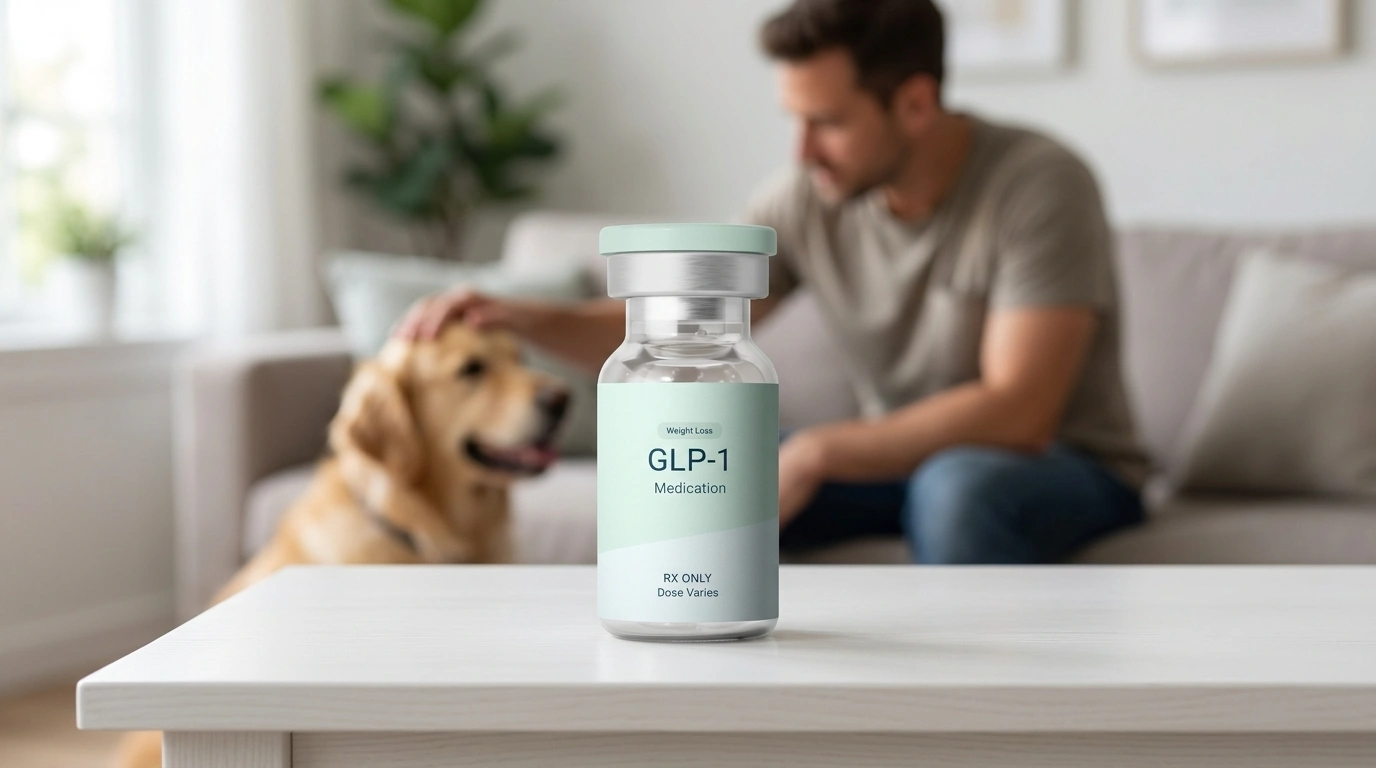
Table of Contents
- Introduction
- Can You Inject Ozempic Cold?
- The Science of Storage: Why Temperature Matters
- Branded vs. Compounded Storage Guidelines
- Tips for a More Comfortable Injection Experience
- Step-by-Step: Preparing Your Injection
- What to Do if Storage Goes Wrong
- Traveling with GLP-1 Medications
- How Personalized Programs Enhance Your Success
- Conclusion
- FAQ
Introduction
Taking the first step toward managing your metabolic health is a significant milestone, but it often comes with a steep learning curve. If you have recently started a GLP-1 (glucagon-like peptide-1) medication like Ozempic®, you might find yourself standing in your kitchen, pen in hand, wondering if you can use the medication the moment it comes out of the refrigerator. At TrimRx, we understand that the small details—like the temperature of your injection—can significantly impact how you feel about your daily or weekly routine. This post will answer your questions about injecting cold medication, provide essential storage guidelines, and offer tips for making your weight loss journey as comfortable as possible. While you can inject the medication cold, there are several reasons why many people choose to wait. If you’re ready to see whether a personalized program is a fit for you, take the free assessment quiz.
Can You Inject Ozempic Cold?
The short answer is yes. You can safely inject Ozempic® or its active ingredient, semaglutide, while it is still cold from the refrigerator. There is no evidence to suggest that the temperature of the liquid affects the efficacy of the medication or how it interacts with your body’s GLP-1 receptors. Whether the pen is 40°F or 70°F, the active molecules remain the same and will perform their job of supporting blood sugar levels and appetite regulation. For a deeper look at storage and handling, see our semaglutide storage, travel, and handling guide.
However, just because you can do something does not always mean it is the most comfortable option. Many individuals find that injecting cold liquid into the subcutaneous fat (the layer of fat just under the skin) causes a slight stinging sensation or a feeling of pressure. This is a common physiological response to a temperature discrepancy between the medication and your body.
Quick Answer: You can safely inject Ozempic® while it is cold, but it may cause more discomfort or stinging at the injection site. For a more comfortable experience, many people let the pen sit at room temperature for about 30 minutes before use.
The Science of Storage: Why Temperature Matters
To understand why we keep these medications in the fridge, we have to look at the biology of the drug. Semaglutide is a peptide, which is essentially a string of amino acids. Peptides are sensitive to their environment. If they get too hot, the bonds that hold them together can break, a process called denaturing. If they freeze, the structure can be physically damaged. If you want a broader overview of refrigeration basics, our article on whether semaglutide has to be refrigerated is a helpful companion.
When you first receive your medication, whether it is a branded pen from a local pharmacy or compounded semaglutide shipped from one of our partner pharmacies, it must be kept cold. This initial refrigeration preserves the integrity of the peptide bonds until you are ready to begin your treatment.
Proper Temperature Ranges
According to the manufacturer guidelines for Ozempic®, unopened pens should be stored in the refrigerator between 36°F and 46°F (2°C to 8°C). If the medication is stored within this range, it will remain stable and effective until the expiration date printed on the packaging.
Once a pen is in use—meaning you have administered the first dose—the storage rules change slightly. You have two options for an “opened” pen:
- Keep it in the refrigerator (36°F to 46°F).
- Keep it at room temperature (59°F to 86°F).
Regardless of which option you choose, an opened pen must be used or discarded within 56 days. This limit exists because the preservatives in the liquid, which prevent bacterial growth after the needle has pierced the rubber stopper, only remain effective for a specific window of time.
Branded vs. Compounded Storage Guidelines
It is important to distinguish between branded medications and compounded versions. While Ozempic® and Wegovy® are branded medications, many people utilize compounded semaglutide or compounded tirzepatide through telehealth platforms. Our compounded semaglutide storage and handling guide explains how vial-based instructions can differ from pen-based guidance.
Compounded medications are prepared by pharmacies according to the specific labeling provided with your prescription. While the active ingredient is the same, the specific instructions for storage may vary slightly depending on the formulation and the type of vial or pen used. Always refer to the specific labeling provided by the pharmacist.
At TrimRx, our partner pharmacies provide clear instructions to ensure your medication stays potent. Generally, the same rules apply: avoid extreme heat, avoid freezing, and protect the medication from direct sunlight, which can also degrade the peptides.
Key Takeaway: Temperature stability is critical for peptide medications. Unopened pens must stay refrigerated, while opened pens can stay at room temperature for up to 56 days, provided they do not exceed 86°F.
Tips for a More Comfortable Injection Experience
If you find that cold injections are uncomfortable, you are not alone. There are several steps you can take to minimize the “sting” and make your weekly routine a seamless part of your lifestyle.
The 30-Minute Rule
The most effective way to reduce injection discomfort is to let the medication reach room temperature. Remove your pen or vial from the refrigerator approximately 30 to 60 minutes before you plan to inject. Place it on a clean counter away from direct sunlight or heat sources. If you’d like added support while you’re getting used to treatment, the GLP-1 Daily Support supplement is designed for nutritional support alongside GLP-1 use.
Important: Never try to speed up this process by using a microwave, placing the pen in hot water, or using a hair dryer. Extreme heat will ruin the medication and make it ineffective. Ambient air is the only safe way to warm the medication.
Choosing the Right Injection Site
Where you inject can be just as important as the temperature. The most common sites are the abdomen (at least two inches away from the belly button), the front of the thighs, or the back of the upper arms.
- Rotate Sites: Never use the exact same spot two weeks in a row. Rotating sites helps prevent skin irritation and the buildup of fatty tissue (lipohypertrophy) that can interfere with medication absorption.
- Fleshy Areas: Look for an area with a bit of “pinchable” fat. Injecting too close to a muscle or a bone will be significantly more painful than injecting into adipose tissue.
Skin Preparation
Always clean the injection site with an alcohol swab and let it air dry completely before injecting. If the skin is still wet with alcohol when the needle enters, it can cause a sharp stinging sensation that is often mistaken for the medication itself being painful.
Step-by-Step: Preparing Your Injection
Following a consistent routine can reduce anxiety and ensure you are getting your full dose safely.
- Check the Medication: Before doing anything, look at the liquid through the pen window or in the vial. It should be clear and colorless. If it is cloudy, discolored, or contains visible particles, do not use it.
- Wash Your Hands: Use soap and warm water to ensure a sterile environment.
- Allow to Warm: If you prefer, let the medication sit out for 30 minutes to reach room temperature.
- Clean the Site: Use an alcohol prep pad on your chosen injection site and let it dry.
- Prepare the Pen/Needle: For a pen, attach a fresh needle. For a vial and syringe (often used with compounded semaglutide), draw the exact dose prescribed by your healthcare provider.
- Inject: Insert the needle into the skin at a 90-degree angle. Press the button or plunger and hold for the count of six to ten (check your specific device instructions) to ensure the full dose is delivered.
- Dispose Safely: Place your used needle in a sharps container immediately.
If you’re thinking about starting treatment and want a personalized plan, complete the free assessment quiz.
What to Do if Storage Goes Wrong
Mistakes happen. Whether there was a power outage or you accidentally left your pen in a hot car, it is vital to know when the medication is still safe and when it needs to be discarded. If you’re unsure how temperature changes may affect your medication, our cold weather and GLP-1 storage tips can help you think through the same issues from the opposite direction.
Exposure to Heat
If an unopened pen is exposed to temperatures above 86°F, the semaglutide may begin to degrade rapidly. If the medication was left in a very hot environment (like a car in the summer) for even a short period, it is best to consult your pharmacist or healthcare provider before using it. Using degraded medication may result in poor blood sugar control or a plateau in your weight loss progress.
Accidental Freezing
This is a common issue when pens are pushed to the very back of a refrigerator near the cooling element. Note: If Ozempic® or compounded semaglutide has been frozen, it must be discarded. Even if it thaws and looks clear, the freezing process changes the physical structure of the peptide, rendering it ineffective. Do not attempt to use medication that has crystallized or been exposed to freezing temperatures.
Visual Cues for “Expired” Medication
Always trust your eyes. The liquid should look like water.
- Cloudiness: A sign of bacterial growth or protein breakdown.
- Change in Color: Any yellowing or brownish tint is a sign of oxidation or heat damage.
- Particles: Floating debris indicates the formula is no longer stable.
Bottom line: When in doubt, throw it out. Using compromised medication is not worth the risk of infection or the loss of therapeutic benefits.
Traveling with GLP-1 Medications
Maintaining your routine while traveling is essential for long-term success, but it requires some planning regarding temperature control. For more context on how temperature and travel affect treatment, our GLP-1 side effects guide also covers what many patients experience when they first begin.
Air Travel
If you are flying, always keep your medication in your carry-on luggage. The cargo hold of an airplane is not temperature-controlled and can experience extreme cold (freezing) or heat, both of which will ruin your medication. Additionally, keeping it with you ensures that your treatment isn’t interrupted if your checked bags are lost.
You should also keep your medication in its original packaging with the prescription label attached. This helps with TSA screenings and provides clear instructions if you need medical assistance.
Travel Accessories
For road trips or long flights, consider an insulated medication travel bag. These are specifically designed for insulin and GLP-1 pens. They often come with small gel packs that keep the interior cool but not freezing. Ensure that the pen does not touch the ice pack directly to prevent accidental freezing.
How Personalized Programs Enhance Your Success
While the question of “can I inject Ozempic® cold” is a practical one, it is only a small part of a much larger journey toward health. At TrimRx, we believe that medication is most effective when it is part of a comprehensive, personalized program. Successful, sustainable weight loss isn’t just about the injection; it’s about having a dedicated team to guide you through side effects, dosage adjustments, and lifestyle shifts.
Our platform connects you with licensed healthcare providers who take the time to understand your medical history and goals. We handle the logistics—from the initial assessment to coordinating with pharmacies—so you can focus on your health. This telehealth-first approach means you have access to specialists without ever needing to sit in a waiting room.
Whether you are using branded options or compounded medications through our partner pharmacies, we provide the support needed to optimize your results. This includes guidance on managing common side effects like nausea or changes in appetite, and some patients also choose Weight Loss Boost for energy support during weight loss.
Conclusion
Injecting Ozempic® while it is cold is medically safe, but allowing it to reach room temperature for 30 minutes can make the experience much more comfortable. Proper storage—refrigerating unopened pens and avoiding extreme temperatures—is the key to ensuring your medication remains effective. By following simple steps like rotating injection sites, checking for visual changes in the liquid, and planning ahead for travel, you can make your GLP-1 treatment a stress-free part of your week.
Our mission at TrimRx is to help you embrace a healthier lifestyle through science, empathy, and transparent, personalized care. We are here to support every step of your journey, from the first time you take the assessment quiz to the moment you reach your health goals.
If you are ready to take the next step in your weight loss journey with a program tailored to your unique needs, we invite you to take our free online assessment quiz today to see which treatment options may be right for you.
FAQ
Can I put my Ozempic pen back in the fridge after it reaches room temperature?
Yes, you can return an opened pen to the refrigerator. Once a pen is opened, it can be stored either in the fridge or at room temperature for up to 56 days, so moving it back and forth between the two will not harm the medication as long as it stays within the safe temperature ranges.
Does injecting cold Ozempic make it work slower?
No, the temperature of the medication does not affect the speed at which it is absorbed or how it functions in your body. The only difference is the physical sensation of the injection, as cold liquids may cause more temporary stinging than room-temperature liquids.
What should I do if I left my new, unopened pen on the counter overnight?
If the room temperature remained below 86°F (30°C), an unopened pen is usually still safe to use if it was only left out for a few hours. However, manufacturer guidelines recommend refrigerating unopened pens until first use, so you should place it back in the fridge immediately and consult a healthcare provider or pharmacist if you are unsure. For more storage context, see our semaglutide storage, travel, and handling guide.
Why is there a 56-day limit on an opened pen?
The 56-day limit is based on the stability of the preservatives in the medication. Once the pen is used and the seal is broken, these preservatives begin to degrade, and the risk of bacterial contamination or the breakdown of the active semaglutide increases significantly after eight weeks.
How can I get extra support while I adjust to treatment?
If appetite changes make it harder to keep up with your routine, the GLP-1 Daily Support supplement can be a helpful option to explore.
Disclaimer: This content is for informational purposes only and does not constitute medical advice. It is not intended to diagnose, treat, cure, or prevent any disease or condition. Individual results may vary. Always consult a qualified healthcare professional before starting any weight loss program or medication.

Transforming Lives, One Step at a Time
Keep reading

How to Handle a Partner Who Eats Normal Portions on Ozempic
Cook one meal and change your own portion. The food does not need to be different; the plate does. That is the practical answer,…
What to Do With Leftovers When You Eat Out on Ozempic
Ask for a container, and ask early rather than at the end. Requesting one when your food arrives, or partway through, lets you set…

How to Handle a Tailgate or Barbecue on Ozempic
The format suits you better than most. Food arrives over several hours rather than all at once, portions are entirely self-directed, and nobody serves…


