Can I Split My Zepbound Dose? Risks, Safety, and Alternatives
Introduction
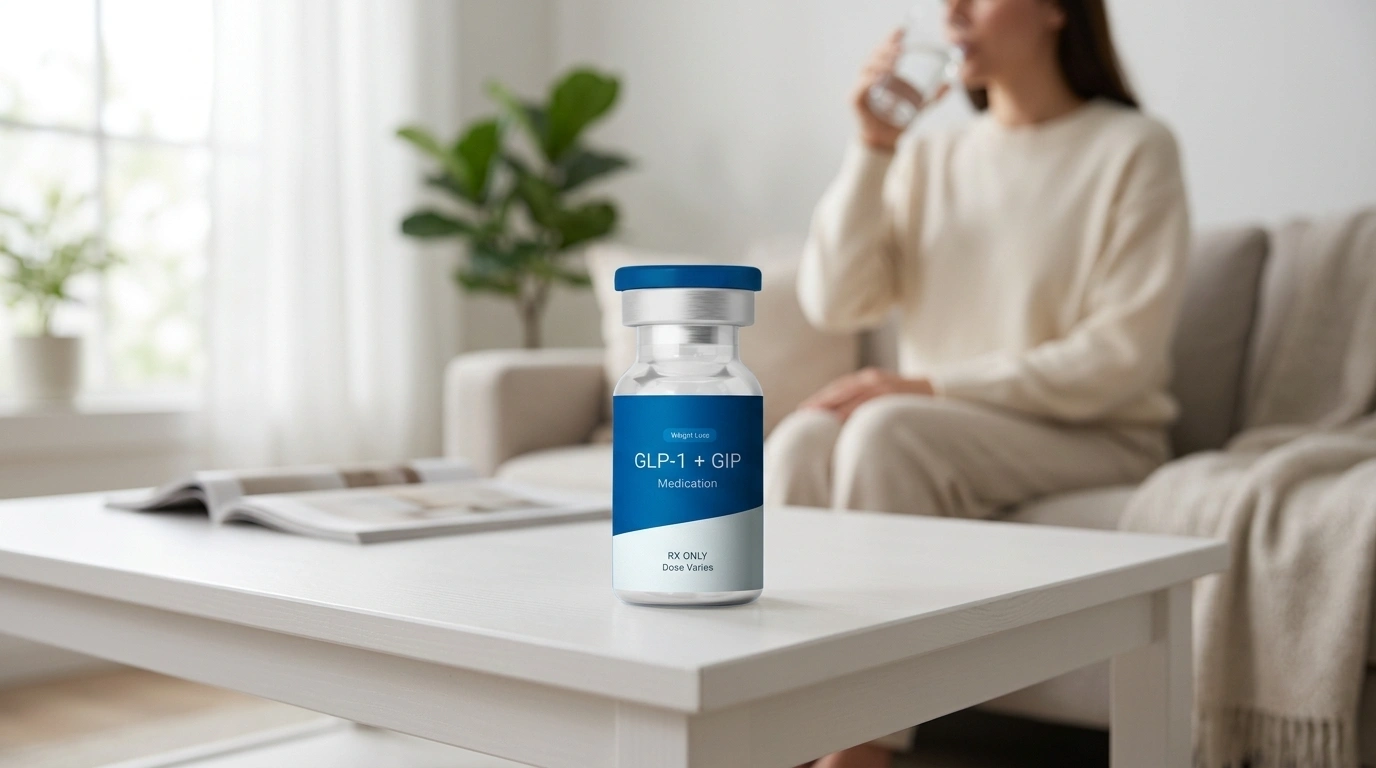
Finding a rhythm with a new weight loss medication can feel like a balancing act between progress and physical comfort. If you have been prescribed Zepbound®, you might find that the standard dosage increments do not always align with how your body is responding. Whether you are dealing with strong side effects or trying to navigate a nationwide medication shortage, the question often arises: can I split my zepbound dose? At TrimRx, we believe that understanding the tools you use is the first step toward a safe and successful health journey. While the desire to customize your treatment is understandable, the design of the branded autoinjector makes this process complicated and potentially hazardous. This article will examine why individuals consider dose splitting, the technical risks involved in “hacking” a pen, and how a personalized program can offer a much safer way to achieve dosing flexibility.
If you are considering prescription treatment, you can complete a free eligibility assessment to discuss whether a personalized program may be appropriate for you.
The Design of the Zepbound Autoinjector
To understand why splitting a dose is difficult, you must first look at the hardware of the Zepbound® pen. This medication contains tirzepatide, a dual-acting receptor agonist. A receptor agonist is a type of medicine that mimics natural hormones in your body—in this case, glucagon-like peptide-1 (GLP-1) and glucose-dependent insulinotropic polypeptide (GIP). These hormones help regulate your appetite and how your body processes sugar.
For additional background, you can review this guide to how tirzepatide side effects may develop and be managed.
The branded medication is delivered through a single-use autoinjector. This device is a “closed system,” meaning it is engineered to deliver one specific amount of liquid in a single, rapid motion. Once you unlock the pen and press the button, a spring-loaded needle deploys, injects the full 0.5 mL of medication, and then retracts. There is no “pause” button, and the pen is not designed to be taken apart.
Key Takeaway: The Zepbound® autoinjector is a single-use device intended to deliver a full, pre-measured dose all at once. Any attempt to stop the injection mid-way or disassemble the pen is not supported by the manufacturer and can lead to wasted medication or injury.
Why Do People Want to Split Their Dose?
The question of whether one can split a dose usually comes from a place of practical necessity. Most people are not trying to circumvent medical advice; they are trying to solve a problem that the standard “one size fits all” pens do not address.
Managing Side Effects
For some individuals, the step up from one dose to the next (such as moving from 2.5 mg to 5 mg) can be jarring. While the medication is highly effective, the rapid shift in hormone levels can cause nausea, indigestion, or fatigue. An individual might feel that 2.5 mg is no longer enough for appetite suppression, but 5 mg makes them feel too unwell to function. In these cases, splitting a 5 mg dose into two 2.5 mg injections throughout the week seems like a logical solution to maintain a steady level of medication in the blood.
You can also review GLP-1 nausea management strategies before making changes to your prescribed treatment.
Navigating Supply Shortages
Medication shortages have become a common hurdle for those on GLP-1 and GIP therapies. If a patient is prescribed a 5 mg dose but the local pharmacy only has 10 mg or 15 mg pens in stock, they may consider “splitting” the higher-dose pen to ensure they do not miss their weekly treatment. The goal here is continuity of care, as stopping and restarting these medications can lead to a resurgence of appetite and the return of side effects.
If supply or dose availability is affecting your treatment, see if you qualify for a personalized program rather than modifying a fixed-dose pen yourself.
Cost and Access
While we do not focus on specific costs, it is well-known that these medications are a significant investment. Using a higher-strength pen to create two or three lower-strength doses is a strategy often discussed in online patient communities to make a single prescription last longer.
The Technical Risks of Splitting a Fixed-Dose Pen
If you search for “can I split my zepbound dose,” you will likely find forums describing a “vial transfer” method. This involves firing the autoinjector pen into a sterile glass vial and then using a separate insulin syringe to draw out smaller portions. While technically possible, this process introduces significant clinical risks that many people overlook.
For a broader explanation of the issue, read about the safety concerns associated with splitting a Zepbound dose.
The Problem of Sterility
The medication inside a Zepbound® pen is sterile and contains no preservatives. This is because it is intended to be injected immediately. The moment the liquid leaves the pen and enters a vial, it is exposed to the air. Even in a clean home environment, microscopic bacteria can enter the vial. Because there is no preservative to stop bacterial growth, the liquid can become a breeding ground for infection. Injecting contaminated medication can lead to:
- Skin abscesses at the injection site.
- Cellulitis (a serious bacterial skin infection).
- Systemic infection or sepsis in extreme cases.
Dosing Inaccuracy
Precision is everything when dealing with powerful hormones like tirzepatide. When you transfer medication from a pressurized pen into a vial, some liquid is inevitably lost. It may stick to the sides of the vial or remain in the needle. If you are trying to measure a specific dose from a very small volume of liquid, even a tiny error in your syringe measurement can mean you are taking significantly more or less than intended. Taking too much can lead to severe gastrointestinal distress, while taking too little may stall your progress.
Medication Degradation
Peptides like tirzepatide are fragile molecules. They are sensitive to light, temperature changes, and physical agitation. The force of firing an autoinjector into a glass vial can potentially “shear” the proteins, making the medication less effective. Furthermore, once the medication is removed from its original housing, it may lose its potency much faster than it would have inside the protected pen.
Myth: You can just “stop” the pen halfway through to get half a dose.
Fact: The autoinjector mechanism is under high tension. Attempting to pull the pen away or block the plunger will almost certainly cause the mechanism to fail, the needle to bend, or the medication to spray, leaving you with no usable dose at all.
A Safer Path: The Role of Compounded Tirzepatide
For many individuals, the real need is not “hacking” a branded pen, but rather having access to a delivery system that allows for dose flexibility. This is where compounded medications provide a distinct advantage. Through the TrimRx platform, we connect patients with licensed healthcare providers who can prescribe Compounded Tirzepatide if it is appropriate for their health profile.
For more context, read what compounded GLP-1 medications are and how they fit into weight management.
Compounded Tirzepatide is prepared by FDA-registered, inspected compounding pharmacies. It contains the same active ingredient found in branded versions but is delivered in a multi-dose vial rather than a fixed-dose autoinjector.
The Benefits of the Vial Format
When medication comes in a vial, it is specifically designed to be drawn out with a syringe. This offers several clinical benefits for those who need more control over their journey:
- Custom Titration: If a standard dose is too strong, your provider can instruct you to draw a slightly smaller amount. This allows for a “micro-titration” approach, where you can move up in smaller increments (e.g., 3 mg or 4 mg) rather than being forced to jump from 2.5 mg to 5 mg.
- Preservatives for Safety: Unlike the liquid in a single-use pen, compounded medications in multi-dose vials are formulated with preservatives (like benzyl alcohol) that prevent bacterial growth. This makes it safe to use the same vial for multiple doses over several weeks.
- Elimination of “Hacking”: There is no need to risk contamination by transferring liquid between containers. You simply follow the instructions provided by your pharmacy and your medical team.
Bottom line: If you find that the fixed doses of an autoinjector are not meeting your needs, moving to a vial-based program through a platform like ours is a much safer alternative than attempting to split a branded pen at home.
Understanding the Compounding Process
It is important to understand what “compounded” means in a clinical context. Compounding is the process of creating a personalized medication by a licensed pharmacist to meet the specific needs of a patient.
While Compounded Tirzepatide is not FDA-approved, it is prepared in pharmacies that must follow strict quality and safety standards. These pharmacies are regulated by state boards and are often registered with the FDA as outsourcing facilities. This ensures that the medication you receive is high-quality, sterile, and accurately dosed. By choosing this route, you get the precision of a syringe-and-vial system without the “DIY” risks associated with pen splitting.
How to Manage Side Effects Safely
If your primary reason for wanting to split your Zepbound® dose is side effect management, there are strategies you can use that do not involve modifying your medication. Many people find that their bodies need extra support to handle the metabolic changes that occur during weight loss.
Nutrient and Digestive Support
Side effects like nausea often stem from the slowed gastric emptying caused by GLP-1 and GIP medications. This means food stays in your stomach longer. To help manage this, we offer supplements like GLP-1 Daily Support, which is designed to provide essential nutrients and support digestive comfort during treatment.
Hydration and Electrolytes
The “fullness” sensation of these medications can often lead patients to forget to drink enough water. Dehydration can worsen feelings of nausea and fatigue. Ensuring you are taking in enough electrolytes can make a significant difference in how you feel on the day of your injection.
Lifestyle Adjustments
- Eat Smaller Meals: Instead of three large meals, try five very small snacks throughout the day.
- Avoid High-Fat Foods: Greasy or fried foods can sit heavily in the stomach and trigger indigestion when combined with these medications.
- Injection Timing: Some find that injecting the medication before bed allows them to “sleep through” the initial peak of side effects.
The Importance of Professional Guidance
Weight loss is a medical process, not just a lifestyle change. Any time you consider changing how you take a prescription medication, you must consult a licensed healthcare professional.
When you join a program through our platform, you are not just getting a prescription; you are getting a dedicated team. Our providers evaluate your medical history, your current BMI, and your goals to create a program that is right for you. If you are struggling with a specific dose, your provider can adjust your plan legally and safely.
Step-by-Step: How to Get Started with a Personalized Plan
- Take the Assessment: Complete our free online health quiz. This gathers the information a provider needs to understand your weight loss history and health goals.
- Provider Review: A licensed healthcare provider reviews your profile to determine if a GLP-1 or GIP medication is a safe and appropriate option for you.
- Personalized Prescription: If eligible, a prescription is sent to one of our partner compounding pharmacies.
- Discreet Delivery: Your medication, along with all necessary supplies (like syringes and alcohol pads), is shipped directly to your door.
- Ongoing Support: You have 24/7 access to specialists to help you manage side effects, adjust your dose, and track your progress.
Comparing Your Options
Choosing between a branded autoinjector and a compounded vial program depends on your individual needs and your insurance coverage. Below is a comparison of how these two delivery methods handle the issue of dose flexibility.
| Feature | Branded Autoinjector Pen | Compounded Vial & Syringe |
|---|---|---|
| Dose Customization | Difficult/Impossible | Easy and Precise |
| Risk of Contamination | High (if splitting) | Low (designed for multi-use) |
| Ease of Use | High (One-click) | Moderate (Requires drawing dose) |
| Provider Oversight | Standard Titration | Personalized Titration |
| Sterility | Preservative-Free | Includes Preservatives |
What to Do if You Experience Side Effects
If you are currently taking Zepbound® and find the side effects unmanageable, do not wait until your next dose to speak up. Contact your prescribing doctor immediately. They may suggest:
- Staying on your current lower dose for an additional month to allow your body to acclimate.
- Spacing your injections slightly further apart (e.g., every 8 or 9 days) under their supervision.
- Switching to a vial-based program where the dose can be more finely tuned.
Never attempt to “experiment” with your dosage levels on your own. The risks of metabolic imbalance or severe gastrointestinal issues are too high to manage without clinical oversight.
Why Personalized Care Matters
At TrimRx, we know that the journey to metabolic health is deeply personal. What works for one person may not work for another. That is why we focus on a telehealth-first model that prioritizes access and personalization. By removing the barriers of in-person waiting rooms and rigid dosing schedules, we help you focus on what really matters: your health and your results.
Our mission is to provide an empathetic and transparent approach to weight loss. We believe that everyone deserves a program that adapts to their body, rather than forcing their body to adapt to a standard pen. Whether you are just starting or looking for a more flexible way to continue your journey, we are here to guide you with science-backed solutions and constant support.
Conclusion
While the question “can I split my zepbound dose” is common, the answer is that doing so with a branded autoinjector carries significant medical risks. From potential infections to inaccurate dosing, the “DIY” approach to medication can stall your progress or cause serious harm. Instead of attempting to hack a device that wasn’t designed for flexibility, consider a personalized program that uses a vial-and-syringe system. This allows for the precise, provider-guided titration you need to reach your goals comfortably.
Your health is too important to leave to chance or forum advice. If you are ready for a weight loss plan that is tailored to your unique needs, the next step is simple.
Next Step: Take our free online assessment quiz today to see if a personalized weight loss program with Compounded Tirzepatide is the right fit for you.
FAQ
Is it safe to fire a Zepbound pen into a vial?
No, this is not recommended by medical professionals. The medication in the pen is preservative-free and intended for immediate use; transferring it to a vial introduces a high risk of bacterial contamination and may degrade the medication’s effectiveness.
Can I split my Zepbound dose to save money?
While some people attempt this to stretch their supply, it is clinically unsafe due to the risks of infection and dosing errors. If cost or supply is a concern, a better option is to discuss a compounded medication program with a licensed provider, which offers a more flexible and safe delivery method.
What should I do if the 5 mg Zepbound dose is too strong for me?
You should consult your healthcare provider rather than trying to split the dose yourself. They may recommend staying on the 2.5 mg dose for a longer period or switching to a vial-based program where you can take a custom dose like 3 mg or 4 mg safely.
Does TrimRx provide Zepbound pens?
TrimRx is a telehealth platform that connects patients with providers who may prescribe compounded medications or branded options. We do not ship branded medications like Zepbound®; however, we do provide access to Compounded Tirzepatide which is shipped from FDA-registered compounding pharmacies. If you are exploring your options, you can begin a free eligibility assessment.
Disclaimer: This content is for informational purposes only and does not constitute medical advice. It is not intended to diagnose, treat, cure, or prevent any disease or condition. Individual results may vary. Always consult a qualified healthcare professional before starting any weight loss program or medication.

Transforming Lives, One Step at a Time
Keep reading

Can You Lower Your Zepbound Dose Without Losing Your Progress?
Often yes, and the honest caveat is that the evidence for dose reduction specifically is thinner than the evidence for stopping. We know a…
Why Is There a Bruise Where I Injected My Zepbound?
A bruise means a small blood vessel was disturbed under the skin and blood spread into the surrounding tissue. It is one of the…
My Zepbound Pen Won’t Click Past a Certain Dose
Start by checking which device you are holding, because the answer depends entirely on that. Zepbound has commonly been supplied in the United States…


