What Is a Compound GLP-1? Understanding Your Weight Loss Options
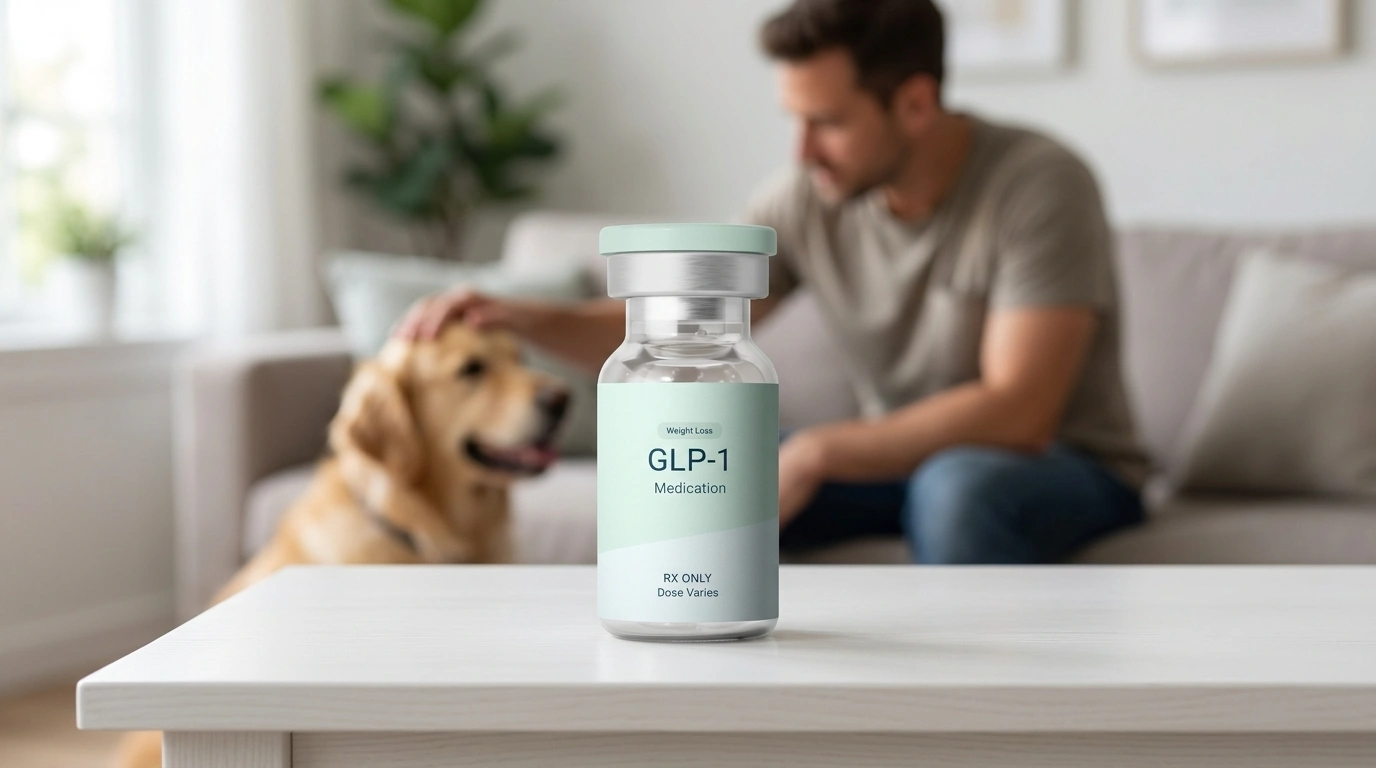
Table of Contents
- Introduction
- Understanding the Basics: What Is a Compound GLP-1?
- The Science of How GLP-1 Medications Work
- Why Do Compounded Medications Exist?
- Branded vs. Compounded: The Critical Distinctions
- Safety, Quality, and Regulations
- What to Expect: The Treatment Process
- Potential Side Effects and How to Manage Them
- Optimizing Your Results
- Who Is a Candidate for Compound GLP-1s?
- The TrimRx Difference: Personalized Telehealth
- Taking the Next Step
- Summary of Key Points
- FAQ
Introduction
Finding a clear path to weight loss often feels like navigating a maze of conflicting advice and empty promises. You may have heard about new, highly effective medications but found yourself stuck behind a wall of high costs, insurance denials, or national supply shortages. Many people are now looking toward customized options to bridge this gap. At TrimRx, we understand that your health journey requires both scientific precision and a supportive, accessible approach to care.
This article explains what a compound GLP-1 is, how these medications function within your body, and the specific regulatory landscape that governs them. We will look at why these versions exist, how they differ from branded products, and what you should consider when choosing a program. Understanding the distinction between these options is the first step toward a personalized health strategy that fits your life. You can also explore this comprehensive overview of compound GLP-1 medications for additional context.
Quick Answer: A compound GLP-1 is a customized version of a weight loss medication prepared by a specialized pharmacy. These medications contain the same active ingredients as branded versions like semaglutide or tirzepatide but are mixed for individual patient needs, often during periods of national drug shortages.
Understanding the Basics: What Is a Compound GLP-1?
To understand what a compound GLP-1 is, we must first break down two separate concepts: the medication class and the process of compounding.
GLP-1 stands for glucagon-like peptide-1. This is a hormone that your body naturally produces in your gut. It plays a vital role in telling your brain you are full and helping your body manage blood sugar levels. A GLP-1 receptor agonist is a medication that mimics this natural hormone. When you take this medication, it binds to the same receptors as the natural hormone but stays in your system much longer, providing a sustained effect on appetite and metabolism.
For a broader explanation of the hormone and its functions, read how GLP-1 medications work in the body.
Compounding is a long-standing practice in pharmacy where a licensed pharmacist combines, mixes, or alters ingredients to create a medication tailored to the needs of a specific patient. While most people are used to “off-the-shelf” medications made in large factories, compounding allows for more flexibility.
A compound GLP-1 is a version of these medications—specifically semaglutide or tirzepatide—that is prepared by a specialized compounding pharmacy. These pharmacies do not produce “branded” products. Instead, they use the active pharmaceutical ingredients to create a formulation that can be shipped directly to a patient based on a doctor’s prescription.
The Science of How GLP-1 Medications Work
To appreciate why these medications are so effective, it helps to look at how they interact with your biology. When you eat, your body releases natural GLP-1. However, this natural hormone only lasts for a few minutes.
The medications used in our programs, such as Compounded Semaglutide, are designed to last for an entire week. They work through three primary mechanisms:
- Brain Signaling: The medication reaches the area of the brain that regulates appetite and “food noise.” It signals to your body that you are satisfied, making it easier to stick to a reduced-calorie diet without feeling constant hunger.
- Gastric Emptying: It slows down the speed at which food leaves your stomach. This physical change means you feel full faster and stay full for a longer duration after a meal.
- Blood Sugar Regulation: It prompts the pancreas to release the right amount of insulin when blood sugar levels are high. It also prevents the liver from making too much sugar.
By addressing these biological signals, GLP-1 medications help shift the focus from “willpower” to “biology.” This makes sustainable weight management a more realistic goal for many individuals who have struggled with traditional dieting.
Key Takeaway: GLP-1 medications work by mimicking a natural gut hormone that controls hunger and fullness. By slowing digestion and quieting the brain’s “hunger center,” they help you feel satisfied with smaller portions.
Why Do Compounded Medications Exist?
If there are branded versions of these medications, you might wonder why a compounded version is necessary. The answer lies primarily in accessibility and the legal framework of the United States healthcare system.
The FDA (Food and Drug Administration) maintains a list of “drug shortages.” When a medication like Wegovy® or Zepbound® is in high demand and the manufacturer cannot keep up, the FDA allows compounding pharmacies to step in. This is a legal provision designed to ensure that patients can still access essential treatments even when the major pharmaceutical companies have empty shelves.
For more background, see this guide to the compounding process and personalized formulations.
Compounded medications also allow for:
- Customized Dosing: Standard pens often come in fixed doses. Compounded versions allow providers to fine-tune a dose specifically for your body’s needs.
- Alternative Formats: For those who cannot use injections, options like Oral Semaglutide or Oral Tirzepatide may be prepared by specialized pharmacies.
- Removal of Allergens: If a patient is allergic to a specific preservative or inactive ingredient in a branded pen, a compounding pharmacist can create a version without that ingredient.
Our platform connects patients with these specialized pharmacies to ensure that a lack of supply at a local retail pharmacy doesn’t stop your progress.
Branded vs. Compounded: The Critical Distinctions
It is important to be very clear about the regulatory status of these medications.
Branded Medications: Products like Ozempic®, Wegovy®, Mounjaro®, and Zepbound® have been through the full FDA approval process. This means the specific manufacturer (like Novo Nordisk or Eli Lilly) has submitted extensive clinical trial data for that specific brand name, and the FDA has approved the product, the manufacturing facility, and the specific delivery device (the pen).
Compounded Medications: Compounded Semaglutide and Compounded Tirzepatide are not FDA-approved. This is because the FDA does not approve “custom” or “compounded” drugs for safety and efficacy in the same way it does for mass-produced branded drugs. However, the ingredients are often sourced from FDA-registered facilities, and the pharmacies themselves are regulated by state boards of pharmacy and must follow federal guidelines.
| Feature | Branded GLP-1 (e.g., Wegovy®) | Compounded GLP-1 |
|---|---|---|
| FDA Status | FDA-Approved | Not FDA-Approved |
| Formulation | Mass-produced, fixed doses | Custom-mixed by pharmacists |
| Availability | Subject to retail shortages | Generally available during shortages |
| Delivery | Prefilled auto-injector pens | Vials with syringes or oral forms |
| Provider | Picked up at retail pharmacy | Shipped from compounding pharmacy |
Note: While compounded medications are not FDA-approved, they are a legal and common part of the U.S. medical system, especially when a branded equivalent is on the official FDA shortage list.
Safety, Quality, and Regulations
When you choose a weight loss program, safety should be your primary concern. Because compounded medications are mixed by hand or in small batches, the quality of the pharmacy matters immensely.
At TrimRx, we only work with FDA-registered and inspected compounding pharmacies. These facilities are held to high standards, often referred to as “503A” or “503B” facilities. These designations mean the pharmacy must follow strict rules regarding the cleanliness of their “clean rooms,” the potency of their ingredients, and the testing of their final products for contamination.
For more educational information, review this detailed guide to GLP-1 compounding.
Common Myths vs. Facts
Myth: Compounded medications are “fake” or “counterfeit.” Fact: Authentic compounded medications are prepared by licensed pharmacists using real active ingredients. “Counterfeit” drugs are illegal products sold without a prescription; compounded drugs are legal medications sold by regulated pharmacies.
Myth: Compounded GLP-1s are identical to branded pens. Fact: They contain the same active ingredients (semaglutide or tirzepatide), but the “inactive” ingredients (like water or preservatives) and the delivery method (vial vs. pen) are different.
Myth: Compounding is only for people who want to save money. Fact: Many people turn to compounding because they simply cannot find the branded versions in stock at their local pharmacy.
What to Expect: The Treatment Process
Starting a GLP-1 program is a medical decision that requires professional guidance. Because these are prescription medications, you cannot simply buy them over the counter. The process is designed to be thorough but accessible via telehealth.
Step 1: The Initial Assessment
The first step is a digital health assessment. You will share your medical history, current weight, health goals, and any previous experiences with weight loss. This information is reviewed by a licensed healthcare provider to determine if a GLP-1 medication is safe and appropriate for you. To begin, you can complete a free eligibility assessment.
Step 2: Provider Consultation
If you appear to be a good candidate, a provider will review your profile. They may order lab work to check your metabolic markers, such as your blood sugar and kidney function. This ensures that the medication won’t interfere with any underlying conditions.
Step 3: Prescription and Fulfillment
Once approved, the provider writes a prescription. Instead of taking a paper script to a local pharmacy, the prescription is sent to a specialized compounding pharmacy. They prepare your medication and ship it directly to your door in discreet, temperature-controlled packaging.
Step 4: Titration and Monitoring
You don’t start at the maximum dose. Most people begin on a very low dose to let their body adjust. This is called “titration.” Over several months, your provider will gradually increase your dose. This process helps minimize side effects and ensures the medication continues to be effective as your body changes.
Potential Side Effects and How to Manage Them
Like any medication that changes your body’s chemistry, GLP-1s can have side effects. Most of these are gastrointestinal, as the medication directly affects how your stomach and intestines move.
Common side effects may include:
- Nausea: This is the most common report, especially when starting or increasing a dose.
- Constipation or Diarrhea: Because digestion is slowed, your bathroom habits may change.
- Reflux: Slower stomach emptying can sometimes cause heartburn.
- Fatigue: Some people feel more tired as their body adapts to a lower calorie intake.
For additional guidance, explore these common GLP-1 side effects and management strategies.
Managing side effects is a core part of our program. We often recommend eating smaller, more frequent meals and avoiding high-fat or greasy foods that are harder to digest. Staying hydrated is also essential. If side effects become bothersome, your dedicated team of specialists is available 24/7 to help you adjust your plan.
Important: Serious side effects, such as persistent abdominal pain or signs of an allergic reaction, are rare but require immediate consultation with a healthcare provider. Always follow the specific instructions provided by your clinician.
Optimizing Your Results
While GLP-1 medications are a powerful tool, they are not a “magic pill” that works in isolation. They are designed to support a healthier lifestyle, not replace it. To get the most out of a program, we emphasize a holistic approach.
Protein Intake: When you lose weight quickly, your body may try to burn muscle instead of fat. Eating enough protein helps preserve your lean muscle mass, which keeps your metabolism strong.
Hydration: These medications can change your thirst signals. Drinking plenty of water is vital for digestion and energy levels.
Movement: Incorporating even light activity, such as walking or resistance training, helps your body burn fat more efficiently and improves your mood.
Supplement Support: Some patients find that specific nutrients help them feel better during their journey. We offer options like GLP-1 Daily Support or Weight Loss Boost for those who want to supplement their progress with targeted vitamins and nutrients. These are available for immediate purchase and do not require a prescription.
Who Is a Candidate for Compound GLP-1s?
GLP-1 medications are generally intended for adults who are struggling with their weight and have not seen results from diet and exercise alone. Clinical guidelines usually suggest these medications for:
- Individuals with a Body Mass Index (BMI) of 30 or higher.
- Individuals with a BMI of 27 or higher who also have a weight-related health condition, such as high blood pressure or high cholesterol.
However, these medications are not right for everyone. You should disclose to your provider if you have a history of certain medical conditions, such as medullary thyroid cancer or pancreatitis. A personalized health profile is the only way to determine your eligibility.
If you want to discuss whether prescription GLP-1 medications may be appropriate for you, see if you qualify for a personalized program.
The TrimRx Difference: Personalized Telehealth
We built our platform to solve the frustrations of the traditional weight loss model. In the past, getting these medications meant sitting in crowded waiting rooms, dealing with insurance paperwork, and hunting through multiple pharmacies to find a box in stock.
TrimRx offers a modern alternative:
- All-in-One Service: Your program includes the doctor’s consultation, the medication, the lab work, and the shipping. There are no hidden fees or surprise bills.
- Telehealth First: You can manage your entire journey from your phone or computer. No in-person visits are required.
- Continuous Support: You have 24/7 access to a team that understands your journey. Whether you have a question about a side effect or need help with your next shipment, we are here.
- Focus on Quality: We partner with state-licensed, FDA-registered compounding pharmacies to ensure you receive high-quality medication shipped with care.
For a closer look at the process, read what to expect from an online weight loss doctor.
Taking the Next Step
The “best” weight loss medication is the one that is safe for your body, available when you need it, and supported by a clinical team. Compound GLP-1s have opened the door for thousands of people to access life-changing treatments that were previously out of reach due to cost or supply chain issues.
If you are tired of the “start and stop” cycle of dieting and are ready for a science-backed approach, the next step is simple. By starting the free assessment quiz, you provide the information our providers need to build a plan tailored to your biology.
Summary of Key Points
- Definition: A compound GLP-1 is a customized medication prepared by a specialized pharmacy, often used to bypass branded drug shortages.
- Mechanism: These drugs mimic the natural GLP-1 hormone to reduce hunger and slow digestion.
- Regulation: They are legal and prepared in FDA-registered pharmacies but are not “FDA-approved” in the same way branded drugs are.
- Customization: Compounded options allow for flexible dosing and various formats, such as oral or injectable.
- Support: Successful weight loss requires combining medication with protein intake, hydration, and professional medical oversight.
Bottom line: Compound GLP-1s provide a flexible, accessible alternative for weight management, provided they are prescribed by licensed clinicians and filled by reputable, regulated compounding pharmacies.
FAQ
Is compounded semaglutide the same thing as Wegovy®?
While they contain the same active ingredient, semaglutide, they are not the “same” product. Wegovy® is an FDA-approved branded medication sold in a prefilled pen, whereas compounded semaglutide is a custom-mixed formulation prepared by a pharmacy and usually delivered in a vial.
Why isn’t compounded GLP-1 FDA-approved?
The FDA approves specific, mass-produced drugs from specific manufacturers after multi-year clinical trials. Compounded medications are customized for individual patients, and because each batch can be slightly different based on the prescription, they do not go through the “new drug” approval process, although the ingredients and pharmacies are still regulated.
How do I know if the compounding pharmacy is safe?
A safe compounding pharmacy should be state-licensed and, ideally, an FDA-registered facility (often called 503A or 503B pharmacies). We only partner with pharmacies that meet these rigorous standards and undergo regular inspections to ensure quality and safety.
Can I switch from a branded medication to a compounded one?
Many patients switch to compounded versions if their insurance stops covering a branded medication or if there is a shortage at their local pharmacy. This should always be done under the supervision of a healthcare provider to ensure your dosage is transitioned correctly and safely. If you are considering a medically supervised program, you can start with a free assessment.
Disclaimer: This content is for informational purposes only and does not constitute medical advice. It is not intended to diagnose, treat, cure, or prevent any disease or condition. Individual results may vary. Always consult a qualified healthcare professional before starting any weight loss program or medication.

Transforming Lives, One Step at a Time
Keep reading
Weight Loss Progress Tracker
Track your weight loss over time, see progress clearly, and stay motivated with simple charts, summaries, and goal-based insights.
How to Create a Personalized Adherence Plan
Build a one-page GLP-1 adherence plan: record dose, pick a weekly time, set reminders, log side effects, and review monthly.

Weight Loss Medication Dosage Calculator
Estimate weight loss medication doses by weight and drug type, with starting guidance, dose progression info, and a clear medical disclaimer.


