Can I Take Creatine While on Zepbound?
Introduction
If you have started your weight loss journey with Zepbound®, you are likely seeing the numbers on the scale move in the right direction. However, many people notice that as the pounds drop, they also feel a bit weaker or worry about losing their hard-earned muscle. This common concern leads many to ask: can I take creatine while on Zepbound? At TrimRx, we believe that sustainable weight loss is about more than just a lower number on the scale; it is about improving your overall body composition and metabolic health. If you want to see whether a personalized program is a fit, you can take the free assessment quiz.
Combining a powerful GLP-1 and GIP receptor agonist like Zepbound® with a well-researched supplement like creatine can be a strategic move for many individuals. This post will cover the safety, benefits, and practical considerations of using creatine alongside your weight loss medication. The short answer is that for most healthy adults, combining the two is safe and may even help you achieve a more “toned” and healthy physique by protecting your lean muscle mass.
What is Zepbound and How Does it Affect the Body?
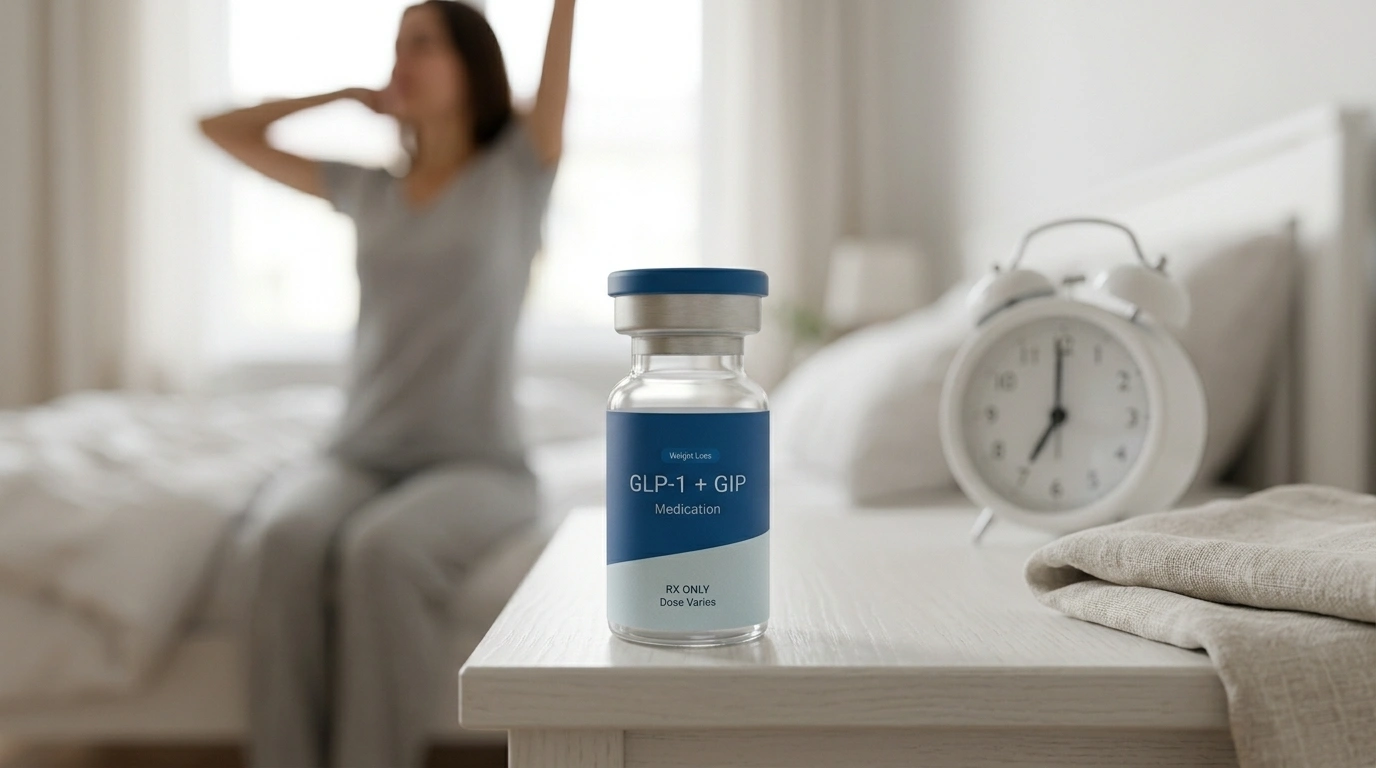
Zepbound® is a brand-name prescription medication containing the active ingredient tirzepatide. It is a dual agonist, meaning it mimics two hormones naturally produced in the body: glucagon-like peptide-1 (GLP-1) and glucose-dependent insulinotropic polypeptide (GIP). These hormones work together to regulate appetite and blood sugar. For a deeper look at the muscle-loss concern on this medication, see our guide on whether Zepbound can lead to muscle loss.
When you take this medication, it slows down gastric emptying—the rate at which food leaves your stomach—which helps you feel full for longer. It also signals the brain to reduce hunger cues. While this is incredibly effective for fat loss, the significant calorie deficit it creates can sometimes lead the body to break down muscle tissue for energy. This is a primary reason why many people look toward supplements like creatine to help maintain their physical strength during treatment.
Understanding Creatine: More Than Just a “Bulking” Supplement
Creatine is one of the most thoroughly researched supplements in the world of sports nutrition. It is a naturally occurring compound found in small amounts in red meat and fish, and your body also produces it in the liver, kidneys, and pancreas. About 95% of the body’s creatine is stored in the skeletal muscles in the form of phosphocreatine.
The primary role of creatine is to help produce adenosine triphosphate (ATP). ATP is the fundamental “energy currency” of your cells. During high-intensity activities like lifting weights or sprinting, your muscles use ATP for power. Creatine helps replenish these energy stores quickly, allowing you to perform more repetitions or maintain intensity for longer. If you want to see how creatine fits into a Zepbound plan, our article on integrating creatine with Zepbound breaks down the approach.
Quick Answer: Yes, you can generally take creatine while on Zepbound®. Creatine helps preserve muscle mass and supports energy levels, which can be beneficial when you are in a calorie deficit, provided you stay properly hydrated.
The Risks of Muscle Loss During Rapid Weight Loss
When you lose weight quickly, your body does not just burn fat. Without the right interventions, a significant portion of the weight lost can come from lean muscle mass. Some clinical studies on GLP-1 medications have suggested that up to 25% to 40% of weight lost could potentially be lean mass if the patient is not careful.
For a broader look at prevention strategies, our post on Zepbound muscle loss prevention explains the role of protein and resistance training in more detail.
Losing muscle is problematic for several reasons:
- Lower Metabolic Rate: Muscle tissue burns more calories at rest than fat tissue. If you lose muscle, your resting metabolic rate (RMR) drops, making it harder to maintain weight loss in the long term.
- Physical Weakness: Significant muscle loss can lead to fatigue and a decreased ability to perform daily tasks or exercise.
- The “Skinny Fat” Look: If you lose a lot of weight without maintaining muscle, you may find that your body lacks definition despite being at a lower weight.
By incorporating creatine into your routine, you are providing your muscles with the energetic support they need to stay active, even when your total calorie intake is lower than usual.
Why Combine Creatine With Zepbound?
The synergy between Zepbound® and creatine lies in their opposing but complementary effects on body composition. While the medication handles the “energy out” side by reducing appetite and calorie intake, creatine helps manage the “muscle preservation” side.
1. Preservation of Lean Mass
Research suggests that creatine supplementation can help retain lean mass during periods of weight loss. It does this by increasing the water content within muscle cells (cellular hydration) and supporting the proteins involved in muscle repair. When you are on a personalized program through us, preserving muscle is a key goal for long-term success.
2. Improved Workout Performance
One common side effect of starting a weight loss medication is a temporary drop in energy. Because Zepbound® reduces your food intake, you might feel like you have less “gas in the tank” for your workouts. Creatine provides that extra boost of ATP, helping you maintain your strength training routine, which is the single best way to protect your metabolism. For more on that connection, read our guide to Zepbound strength training and body recomposition.
3. Metabolic Support
By helping you maintain or even build small amounts of muscle while losing fat, creatine ensures your metabolism stays as high as possible. This makes the transition to a maintenance phase much smoother once you reach your goal weight.
Key Takeaway: Using creatine while on Zepbound® acts as an insurance policy for your muscles, helping to ensure that the weight you lose is primarily fat rather than metabolic-boosting muscle tissue.
Potential Side Effects and Considerations
While the combination is generally considered safe, there are some specific factors to keep in mind when mixing a GLP-1/GIP medication with creatine.
Hydration and Kidney Function
Both Zepbound® and creatine affect how your body handles fluids. Creatine draws water into the muscle cells, which is beneficial for the muscle but means you need to drink more water to stay hydrated. Meanwhile, GLP-1 medications can sometimes reduce your thirst cues or cause mild dehydration if you experience gastrointestinal side effects.
It is vital to prioritize hydration. We often recommend that our patients focus on consistent water intake throughout the day. If you have any history of kidney issues, it is essential to consult with a healthcare provider before starting creatine, as they will want to monitor your kidney function markers (like creatinine levels) more closely.
The “Scale Weight” Confusion
One of the most frustrating aspects of starting creatine while on a weight loss journey is the scale. Creatine causes your muscles to hold onto more water. This is not fat gain, but it can lead to a slight increase in scale weight (usually 1 to 3 pounds) or a temporary stall in weight loss.
If you see the scale stop moving for a week after starting creatine, do not panic. Your body is likely losing fat while simultaneously increasing the water volume in your muscles. Over time, the fat loss will overcome this minor water retention, and the scale will continue to drop.
Gastrointestinal Sensitivity
Zepbound® can cause nausea or slow digestion. In some people, creatine monohydrate—especially in large doses—can also cause minor stomach upset. To avoid this, skip the “loading phase” often recommended by bodybuilders (where you take 20 grams a day) and start with a standard maintenance dose of 3 to 5 grams per day.
How to Safely Start Creatine While on Zepbound
If you and your healthcare provider decide that creatine is right for your program, follow these steps to ensure a smooth experience.
Step 1: Consult Your Healthcare Provider
Before adding any supplement to a prescription regimen, speak with your doctor or the specialist overseeing your program. They can review your recent lab work to ensure your kidney and liver markers are healthy. If you are still early in the process, the best next step is to complete the free assessment quiz and see whether a prescription program makes sense for you.
Step 2: Choose the Right Form
Stick with Creatine Monohydrate. It is the most researched, effective, and affordable form of the supplement. Other versions like creatine HCl or buffered creatine do not have the same level of evidence supporting their benefits.
Step 3: Skip the Loading Phase
Traditional creatine use often starts with a high-dose loading phase. However, when your digestion is already slowed by Zepbound®, this can lead to bloating or discomfort. Taking 3 to 5 grams once daily will reach full muscle saturation in about three to four weeks without the digestive stress.
Step 4: Time It Correctly
You can take creatine at any time of day, but many find it easiest to remember when taken with a meal or a protein shake. Consistency is more important than the specific hour you take it.
Step 5: Increase Your Fluid Intake
Aim for at least 80 to 100 ounces of water daily. Since both the medication and the supplement can impact your hydration status, consider adding electrolytes if you are very active or live in a hot climate.
The Role of Resistance Training
It is important to remember that creatine is not a magic pill that creates muscle out of thin air. Its primary benefit is that it allows you to work harder during resistance training. To see the benefits of taking creatine while on Zepbound®, you must engage in some form of strength training.
This does not mean you need to become a bodybuilder. Even two or three days a week of resistance exercises—such as using dumbbells, resistance bands, or bodyweight movements like squats and pushups—can make a massive difference in your body composition. When combined with the ATP-boosting power of creatine, these workouts become more effective, ensuring your weight loss journey results in a strong, healthy body.
Common Myths About Creatine and Weight Loss
There are several misconceptions that often prevent people from using creatine, especially when their primary goal is weight loss.
Myth: Creatine will make me look “bulky.” Fact: Bulking requires a significant calorie surplus and very heavy lifting. When you are on a weight loss medication, you are typically in a calorie deficit. Creatine will simply help your muscles look fuller and more defined rather than “bulky.”
Myth: Creatine is only for athletes. Fact: Research shows that creatine is beneficial for older adults, people losing weight, and even those interested in cognitive health. It is a foundational supplement for cellular energy, not just for the gym.
Myth: Creatine is a steroid. Fact: Creatine is a naturally occurring amino acid derivative. It has no relationship to anabolic steroids and does not affect your hormones in the same way.
Monitoring Your Progress
When you are using a dual approach—prescription medication for weight loss and supplements for muscle preservation—the scale is only one tool for measuring success. We recommend using additional methods to track your progress:
- Body Measurements: Use a tape measure to track your waist, hips, and arms. You may find you are losing inches even when the scale is stable.
- Progress Photos: Sometimes the mirror shows changes in muscle definition that a scale cannot capture.
- Strength Gains: Keep track of your workouts. If you are getting stronger or maintaining your strength while losing weight, your program is working perfectly.
- Energy Levels: Note how you feel during the day. If creatine is helping you avoid the “afternoon slump” often associated with low-calorie dieting, that is a major win.
| Feature | Zepbound® (Tirzepatide) | Creatine Monohydrate |
|---|---|---|
| Primary Goal | Appetite suppression & fat loss | Muscle energy & preservation |
| Mechanism | GLP-1/GIP Receptor Agonist | ATP production support |
| Common Side Effect | Nausea, slow digestion | Minor water retention (internal) |
| Hydration Need | Moderate to High | High |
| Form | Weekly injection | Daily powder or capsule |
Support Your Journey With the Right Nutrients
While creatine is an excellent tool, it works best when your foundation is solid. At TrimRx, we emphasize that medication is a tool to be used alongside a high-protein diet and proper supplementation. If you struggle to get enough nutrients due to a reduced appetite, GLP-1 Daily Support can help fill the gaps.
Ensuring you get enough protein is especially critical when taking creatine. Creatine helps with the energy for muscle work, but protein provides the actual building blocks for muscle repair. Aim for a protein-rich snack or meal after your workouts to maximize the benefits of your supplementation.
Managing Potential Gastrointestinal Issues
If you find that your stomach is particularly sensitive to Zepbound®, you might worry that adding a supplement will make things worse. To minimize any risk of GI distress:
- Dissolve it fully: If using powder, make sure it is completely dissolved in water before drinking. Undissolved creatine can sometimes sit in the gut and cause cramping.
- Avoid taking it on an empty stomach: Taking your supplement with a small meal can help buffer the stomach lining.
- Try micronized creatine: This version is ground into a finer powder, making it easier for the body to absorb and less likely to cause bloating.
Bottom line: While you should always be mindful of how your stomach feels, most people find that a standard dose of creatine is well-tolerated even when using GLP-1 medications.
When to Contact Your Healthcare Provider
While we advocate for the benefits of this combination, safety is always the priority. You should pause your supplement and contact your provider if you experience:
- Persistent or severe stomach pain.
- Signs of dehydration that don’t improve with water (dizziness, dark urine, extreme thirst).
- Any unusual swelling in your ankles or feet.
- Significant changes in your urinary frequency.
Your medical team can perform simple blood tests to ensure your body is processing both the medication and the supplement efficiently. Personalized care is the hallmark of a successful weight loss journey.
Conclusion
Taking creatine while on Zepbound® is not only generally safe for most people, but it can also be a highly effective strategy for optimizing your body composition. By supporting ATP production and cellular hydration, creatine helps you maintain the muscle mass that is so vital for a healthy metabolism and long-term weight maintenance. While you may notice some initial water retention on the scale, the benefits of improved workout performance and muscle preservation far outweigh a temporary stall in numbers.
Our mission is to help you achieve sustainable, healthy weight loss through a science-backed and empathetic approach. We understand that the journey is about more than just shedding pounds—it is about feeling strong, capable, and confident in your body. If you are ready to take the next step toward a healthier version of yourself, we invite you to start by taking our free assessment quiz to see which personalized program is right for you.
FAQ
Does creatine cause weight gain on Zepbound?
Creatine can cause a small amount of “water weight” gain, usually between one and three pounds, because it draws water into your muscle cells. This is not fat gain and is actually a sign that the supplement is working to hydrate and protect your muscles. Most people find that their fat loss continues and quickly offsets this minor change on the scale.
Is creatine hard on the kidneys if I am also taking weight loss medication?
For individuals with healthy kidney function, research shows that standard doses of creatine are safe. However, because both Zepbound® and creatine can affect your hydration status, it is important to drink plenty of water. If you have a history of kidney disease, you must consult your healthcare provider before starting any new supplement.
What is the best way to take creatine while on Zepbound?
The most effective way is to take 3 to 5 grams of creatine monohydrate daily. It is best to skip the “loading phase” to avoid potential stomach upset, as weight loss medications already slow down your digestion. Simply take one small scoop or a few capsules consistently at the same time every day.
Can I take creatine if I’m not exercising?
While creatine still provides some cellular benefits if you aren’t exercising, its primary advantages for muscle preservation are seen when combined with resistance training. To get the most out of your weight loss program, we recommend using the energy boost from creatine to power at least two or three strength-based workouts per week. If you want extra help with nutritional support while appetite is reduced, GLP-1 Daily Support may be a helpful option alongside your routine.
Disclaimer: This content is for informational purposes only and does not constitute medical advice. It is not intended to diagnose, treat, cure, or prevent any disease or condition. Individual results may vary. Always consult a qualified healthcare professional before starting any weight loss program or medication.

Transforming Lives, One Step at a Time
Keep reading

Why Is There a Bruise Where I Injected My Zepbound?
A bruise means a small blood vessel was disturbed under the skin and blood spread into the surrounding tissue. It is one of the…

My Zepbound Pen Won’t Click Past a Certain Dose
Start by checking which device you are holding, because the answer depends entirely on that. Zepbound has commonly been supplied in the United States…

Zepbound Alternatives: Your Options Compared
If Zepbound isn’t the right fit, the main alternative is semaglutide (sold as Wegovy), which produces slightly less weight loss but works similarly, along…


