How to Deal With Zepbound Nausea and Improve Your Comfort
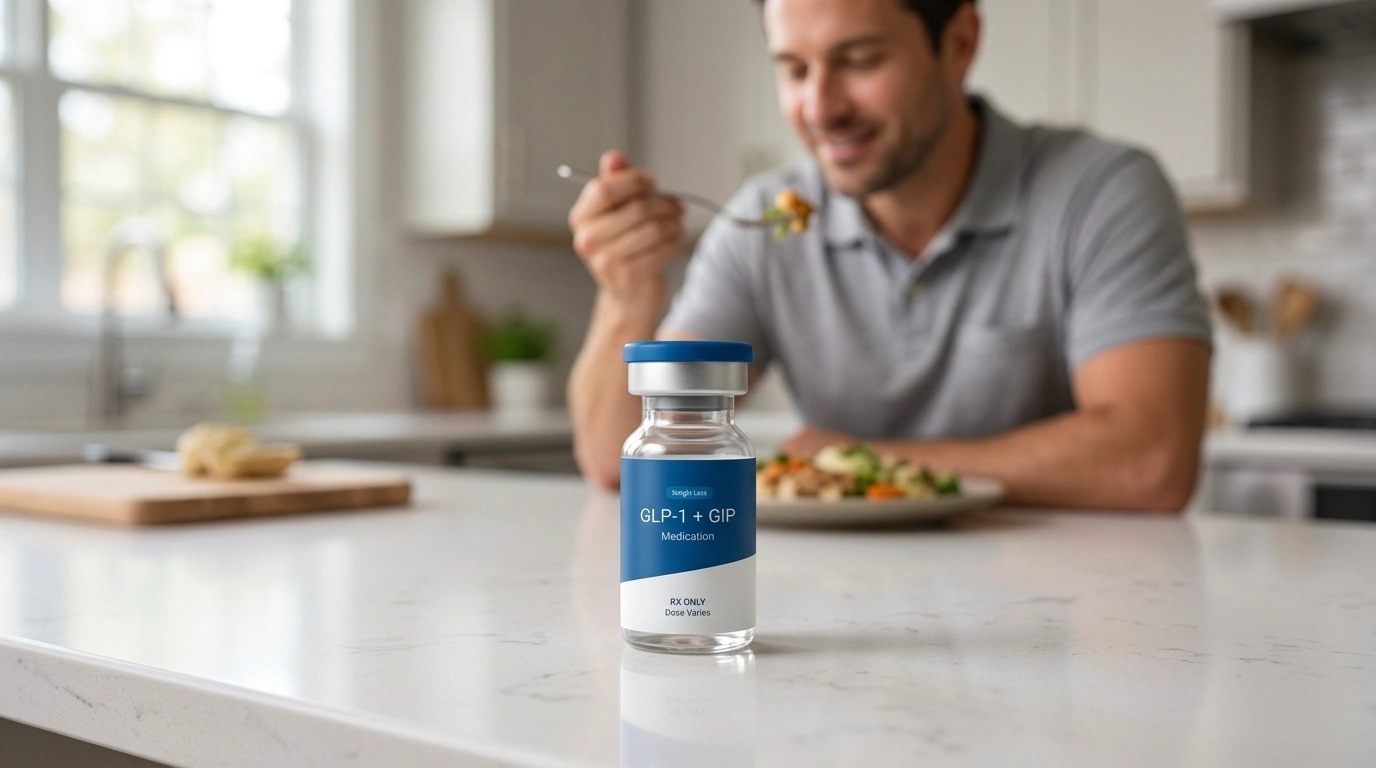
Table of Contents
- Introduction
- Why Zepbound Causes Nausea
- Dietary Strategies to Reduce Discomfort
- Optimizing Your Injection Routine
- Hydration and Natural Remedies
- Lifestyle Habits for Relief
- When to Contact a Healthcare Provider
- How Personalized Programs Help
- Conclusion
- FAQ
Introduction
Starting a weight loss journey with a highly effective medication like Zepbound® can feel like a major turning point. You are likely excited about the potential for significant health improvements and weight reduction. If you are wondering whether a personalized prescription program is the right fit, you can take the free assessment quiz to see what your next step could look like. However, for many individuals, that excitement is met with a common and frustrating hurdle: nausea. It is one of the most frequently reported side effects of tirzepatide, the active ingredient in Zepbound®. Feeling unwell can make it difficult to stay consistent with your treatment or enjoy your daily life.
At TrimRx, we believe that managing weight loss should not be a struggle you face in silence or discomfort. We focus on providing the tools and knowledge necessary to navigate these side effects effectively. This post covers the science behind why this medication affects your stomach, practical dietary changes, injection tips, and when you should seek professional medical advice. By the end of this guide, you will have a clear roadmap for how to deal with Zepbound nausea while staying on track with your goals.
Why Zepbound Causes Nausea
Zepbound® belongs to a class of medications known as dual agonists. It mimics two naturally occurring hormones in the body: glucagon-like peptide-1 (GLP-1) and glucose-dependent insulinotropic polypeptide (GIP). These hormones play a vital role in regulating appetite and blood sugar. If you want a broader breakdown of how this medication class behaves, our tirzepatide side effects guide is a helpful companion read. While these medications are highly effective for weight management, their influence on the digestive system is often the primary cause of nausea.
The most significant factor is delayed gastric emptying. This means the medication slows down the speed at which food leaves your stomach and enters the small intestine. This process helps you feel full for much longer, which is a key benefit for weight loss. However, if food remains in the stomach for an extended period, it can lead to a sensation of heaviness, bloating, and eventually nausea.
Tirzepatide also interacts directly with the brain’s “area postrema.” This is a specific region in the brainstem that controls the vomiting reflex. Because the medication crosses the blood-brain barrier to signal satiety (fullness), it can inadvertently trigger the brain’s nausea receptors. This is particularly common when first starting the medication or when increasing the dosage, as the nervous system needs time to adapt to these hormonal signals.
Key Takeaway: Nausea is primarily caused by food staying in your stomach longer and the medication’s direct interaction with the brain’s fullness centers.
Dietary Strategies to Reduce Discomfort
What you eat—and how you eat it—can significantly influence how your stomach reacts to Zepbound®. Because your digestion is slower, your previous eating habits may no longer serve you. Adapting your diet is often the most effective way to manage mild to moderate nausea without needing additional medication. For more meal-focused guidance, our GLP-1 diet guide offers a useful overview of supportive food choices.
Prioritize Small, Frequent Meals
Large meals can overwhelm a slowed digestive system. When the stomach cannot move food quickly, a large volume of food creates pressure and discomfort. Instead of the traditional three large meals, try eating five or six small “mini-meals” throughout the day. This keeps your blood sugar stable and prevents the stomach from becoming overly full.
Stop eating before you feel full. Because there is a delay in the signal from your gut to your brain, you may actually be “full” before you realize it. Eating slowly and putting your fork down between bites gives your body time to register satiety. If you feel even slightly full, stop eating immediately to avoid the nausea that follows overeating.
Focus on Bland and Low-Odor Foods
Strong smells can be a major trigger for nausea when using GLP-1 medications. Hot, aromatic foods like spicy curries, fried fish, or heavy garlic dishes can worsen the sensation of queasiness. Many patients find relief by focusing on cold or room-temperature foods, which generally have less intense odors.
The “BRAT” diet can be a helpful temporary measure. This includes Bananas, Rice, Applesauce, and Toast. While you should not stay on this restricted diet long-term, these bland, low-fiber options are easy for the stomach to process during peak nausea days, usually the first 24 to 48 hours after an injection.
Avoid Specific Trigger Foods
High-fat and greasy foods are the most common culprits for Zepbound® side effects. Fat is naturally slow to digest; when combined with a medication that already slows digestion, it can lead to severe indigestion and nausea. Avoid fried foods, heavy creams, and fatty cuts of meat.
Sugary foods and carbonated beverages should also be limited. High sugar intake can cause rapid shifts in fluid in the gut, leading to dumping-syndrome-like symptoms. Carbonation introduces gas into a stomach that is already processing food slowly, leading to bloating and increased pressure that triggers nausea.
Bottom line: Transitioning to smaller, bland meals and avoiding high-fat triggers can dramatically reduce the frequency and intensity of nausea episodes.
Optimizing Your Injection Routine
The way you administer your medication can impact your side effect profile. While the medication enters the bloodstream regardless of the site, many individuals report variations in nausea based on where and when they inject.
Choose Your Injection Site Wisely
Clinical observations suggest that injection site rotation matters. While Zepbound® is approved for injection in the abdomen, thigh, or back of the arm, many users find that injecting into the thigh results in fewer gastrointestinal side effects than the stomach.
Rotate your sites every week. This prevents skin irritation and may help regulate how the medication is absorbed. If you are experiencing significant nausea with abdominal injections, try the front of the thigh for your next dose and monitor if the symptoms improve.
Timing and Preparation
Injecting before bed can help you “sleep through” the initial onset of side effects. For some, nausea peaks 6 to 12 hours after the injection. By timing the dose on a Friday or Saturday night, you may find that the worst of the discomfort occurs while you are asleep or during a day when you do not have work obligations.
Never inject on a completely empty or a completely full stomach. Having a small, protein-rich snack an hour before your injection can help stabilize your system. Additionally, ensure your medication is at the proper temperature. While Zepbound® pens should be stored in the refrigerator, taking the pen out 30 minutes prior to injection to reach room temperature can make the process more comfortable.
Step 1: Remove the medication from the refrigerator 30 minutes before use. Step 2: Select the thigh as the injection site if you are prone to nausea. Step 3: Clean the area with an alcohol swab and allow it to dry. Step 4: Administer the injection and dispose of the pen in a sharps container. Step 5: Document any side effects to share with your healthcare provider.
Hydration and Natural Remedies
Dehydration is a leading cause of worsened nausea. When you feel nauseous, you may not want to drink water, but a lack of fluids slows down digestion even further and can lead to headaches and fatigue. For a deeper look at fluid goals, see our hydration guide for GLP-1 users.
Smart Hydration Techniques
Avoid “chugging” large amounts of water at once. This can distend the stomach and trigger a gag reflex. Instead, take small sips of water throughout the day. If plain water is unappealing, try adding a slice of lemon or cucumber for a very light flavor that does not overwhelm your senses.
Incorporate electrolytes. If you are struggling to eat, your electrolyte levels (sodium, potassium, and magnesium) may drop. Drinking an electrolyte-balanced beverage can help maintain your energy levels and reduce the “washed out” feeling that often accompanies nausea.
Utilize Natural Ginger and Peppermint
Ginger has been used for centuries as a natural anti-nausea remedy. It works by encouraging digestive enzymes and neutralizing stomach acid. You can try:
- Fresh ginger tea
- Ginger chews (low sugar)
- Ginger capsules
Peppermint can help relax the digestive tract. Peppermint tea or inhaling peppermint essential oil can provide immediate, temporary relief from the sensation of queasiness. However, be cautious if you also suffer from acid reflux, as peppermint can sometimes relax the esophageal sphincter and worsen heartburn.
Note: If you choose to use supplements or natural remedies, it is always best to consult with a healthcare professional to ensure they do not interfere with your primary treatment plan.
Lifestyle Habits for Relief
Physical activity and posture play a surprising role in how you feel. Simple changes to how you move and rest after eating can facilitate better digestion and reduce the likelihood of nausea.
Maintain an Upright Posture
Gravity is your friend when digestion is slow. Avoid lying down for at least two to three hours after eating. If you must rest, use a wedge pillow to keep your upper body elevated. This prevents stomach contents from moving back toward the esophagus, which can trigger both nausea and acid reflux.
Gentle Movement
Strenuous exercise can sometimes worsen nausea, but gentle walking is beneficial. A 10-minute walk after a meal can help stimulate the “peristalsis” (the wave-like muscle contractions) of the digestive tract. This encourages food to move through the stomach more efficiently, potentially reducing that heavy, nauseous feeling.
Fresh Air and Temperature Control
Overheating can exacerbate feelings of sickness. If you feel a wave of nausea coming on, step outside for fresh air or sit near a fan. Applying a cool compress to the back of your neck can also help reset your body’s temperature and calm the nervous system response associated with queasiness.
When to Contact a Healthcare Provider
While mild nausea is common, it should not be debilitating. It is important to distinguish between “normal” side effects and those that require medical intervention. Most nausea should decrease over the first few weeks as your body builds a tolerance to the medication.
Seek medical attention if you experience persistent vomiting. If you cannot keep down liquids for more than 24 hours, you are at a high risk for dehydration and kidney strain. This is a situation that requires a consultation with a provider to discuss anti-nausea medications or a dosage adjustment.
Watch for signs of rare but serious complications. While very uncommon, GLP-1 and GIP medications can be associated with pancreatitis or gallbladder issues. If your nausea is accompanied by severe abdominal pain that radiates to your back, a high fever, or yellowing of the eyes (jaundice), contact a doctor immediately.
Myth: You have to suffer through the nausea for the medication to work. Fact: Effective weight loss should not compromise your daily functioning. There are many ways to adjust your treatment plan to improve your comfort while maintaining results.
How Personalized Programs Help
At TrimRx, we understand that every individual’s response to tirzepatide is unique. A “one-size-fits-all” approach rarely works when it comes to managing the nuances of metabolic health. This is why our platform emphasizes personalized care and ongoing support. If you are ready to see whether a program is a fit, you can complete the free assessment quiz and get a clearer picture of your options.
Our program connects you with licensed providers who can tailor your treatment. If you are experiencing significant nausea, your provider may suggest a slower titration schedule—meaning you stay on a lower dose for a longer period to allow your body to adjust. This personalized pacing is often the key to long-term success and sustainability.
We also offer supplementary support. Our GLP-1 Daily Support supplement is designed to complement your journey by providing essential nutrients that may be lacking if your appetite is significantly reduced. By focusing on the whole person, not just the prescription, we help you achieve your goals with more confidence and less discomfort.
Conclusion
Managing the side effects of Zepbound® is a critical part of a successful weight loss journey. By understanding that nausea is a result of how the medication interacts with your gut and brain, you can take proactive steps to minimize it. From adjusting your injection site to the thigh, eating smaller, bland meals, and staying hydrated with electrolytes, these small changes can make a massive difference in your daily quality of life.
Our mission at TrimRx is to provide a supportive, science-backed environment where you can navigate these challenges with expert guidance. You don’t have to choose between reaching your weight goals and feeling your best. With the right strategies and a personalized approach, you can successfully manage nausea and stay focused on the healthier future you deserve.
Next Steps:
- Take our free assessment quiz to see if a personalized prescription program is right for you.
- Consult with your healthcare provider about adjusting your dosing schedule if nausea persists.
- Ensure you have bland, stomach-friendly foods on hand for your injection days.
FAQ
How long does Zepbound nausea usually last?
For most people, nausea is most intense during the first few days after an injection and typically subsides as the body gets used to the medication. As you continue your treatment over several months, the frequency and severity of these episodes often decrease significantly.
Does the injection site affect nausea levels?
Many patients and some clinical observations suggest that injecting into the thigh or back of the arm may result in fewer gastrointestinal side effects than injecting into the abdomen. If you are struggling with nausea, try rotating your next dose to the thigh to see if your symptoms improve.
What are the best foods to eat when feeling sick on Zepbound?
Stick to bland, low-odor, and easy-to-digest foods like bananas, white rice, plain toast, or crackers. Avoiding high-fat, greasy, or very sweet foods is essential, as these take longer to digest and can significantly worsen the feeling of queasiness.
Should I skip my dose if I am nauseous?
You should never skip a dose or change your dosing schedule without first consulting your healthcare provider. If your nausea is severe, your provider may recommend staying at your current dose longer rather than increasing it, or they may provide a prescription for anti-nausea medication. If you want to compare this experience with other common reactions, the GLP-1 side effects overview is a useful read.
Disclaimer: This content is for informational purposes only and does not constitute medical advice. It is not intended to diagnose, treat, cure, or prevent any disease or condition. Individual results may vary. Always consult a qualified healthcare professional before starting any weight loss program or medication.

Transforming Lives, One Step at a Time
Keep reading

Kids’ Birthday Party on Zepbound
If you have young children, birthday parties are a regular part of life: your own child’s, and the steady stream of classmates’ parties most…
Water Aerobics on Zepbound
For people with painful knees, hips, or backs, water aerobics and pool exercise are often the first kind of exercise that feels possible. The…

New Year’s Eve on Zepbound
New Year’s Eve is built around staying up late. There is usually a big dinner or a party spread, drinks through the evening, champagne…


