Can You Drink Coffee While Taking Mounjaro?
Introduction
For many of us, the morning doesn’t truly begin until the first sip of coffee. It is a ritual that provides clarity and energy. However, when you start a specialized medical weight loss program, you may worry that your favorite habits will interfere with your progress. If you are starting Mounjaro® (tirzepatide), you might find yourself standing in front of the coffee pot wondering: can you drink coffee while taking Mounjaro?
At TrimRx, we believe that understanding how your body interacts with both your medication and your daily habits is essential for long-term success. While there is no direct “danger” in mixing the two, there are several physiological factors you should consider to ensure you feel your best. This article will look at how caffeine interacts with your digestive system while on tirzepatide, how to manage potential side effects, and how to optimize your coffee routine for better weight loss results. Ultimately, you can typically enjoy your coffee, but a few small adjustments can make a significant difference in your comfort.
Quick Answer: There is no known direct drug interaction between Mounjaro and caffeine. However, because both can affect your digestive system and heart rate, drinking coffee may worsen side effects like nausea, acid reflux, or jitters.
Understanding Mounjaro and How It Works
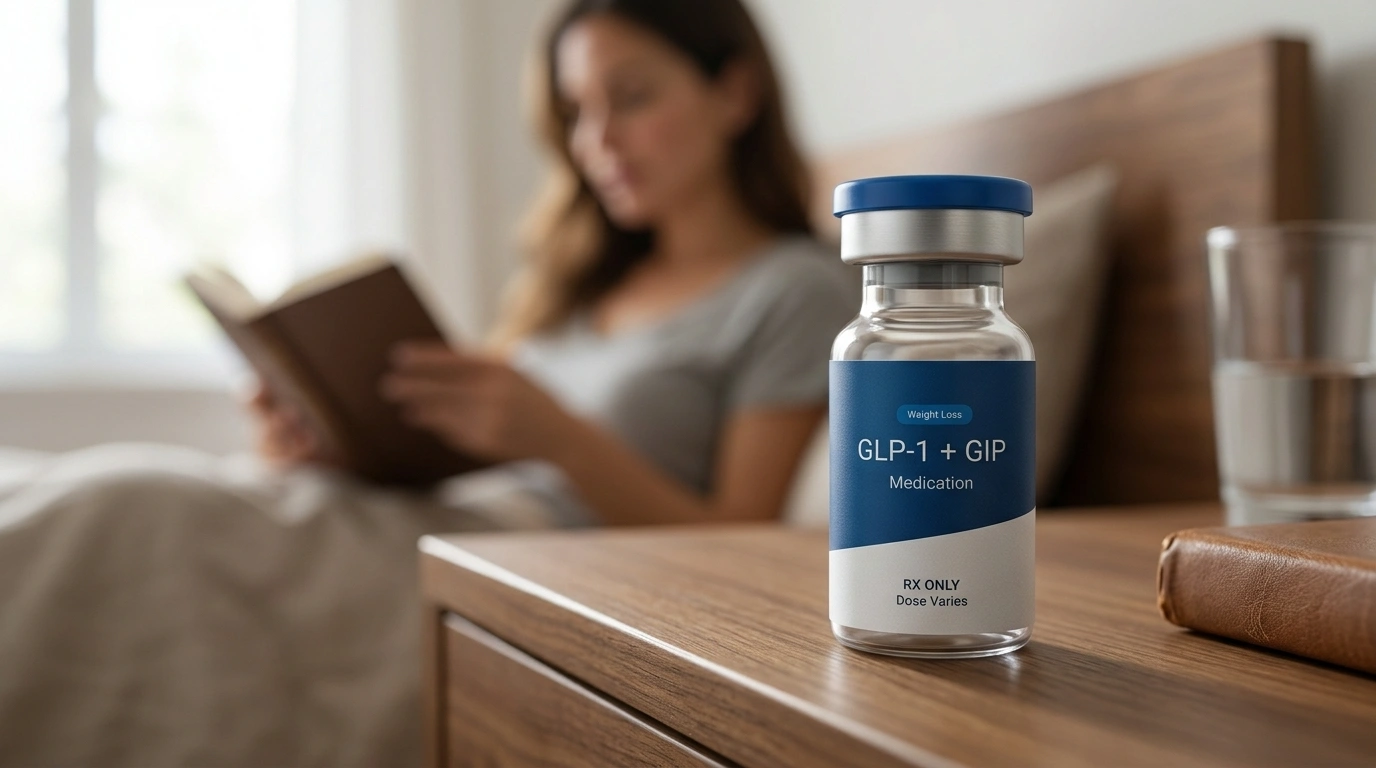
To understand the relationship between coffee and your medication, it helps to understand what the medication actually does. Mounjaro® is the brand name for tirzepatide, a dual-acting medication known as a GIP (glucose-dependent insulinotropic polypeptide) and GLP-1 (glucagon-like peptide-1) receptor agonist. For additional background, read this guide to how GLP-1 medications work in weight management.
These are hormones that your body naturally produces. When you take this medication, it mimics these hormones to help regulate your blood sugar and reduce your appetite. One of the primary ways it helps with weight management is by slowing down gastric emptying. This means that food stays in your stomach for a longer period, which helps you feel full and satisfied for much longer than usual.
Because the medication slows down how quickly your stomach empties, anything you consume—including coffee—will stay in your system differently than it did before. This shift in digestion is the main reason why many people notice a change in how they tolerate caffeine.
Can You Drink Coffee While Taking Mounjaro?
The short answer is yes, you can generally continue to drink coffee while taking this medication. There is no evidence suggesting that caffeine reduces the effectiveness of tirzepatide or creates a toxic interaction. Many people successfully navigate their weight loss journey while maintaining their daily caffeine habit.
However, “can you” and “should you” are sometimes different questions. While it is safe from a pharmacological standpoint, your personal tolerance may change. Some people find that they suddenly lose the taste for coffee, while others find that even a small cup makes them feel more nauseous than usual. You can also review this coffee and GLP-1 medication guide for more practical considerations.
Potential Side Effects of Combining Coffee and Tirzepatide
Because both caffeine and tirzepatide interact with your gastrointestinal (GI) tract and your central nervous system, they can sometimes have an “additive” effect. This means they can make certain symptoms feel more intense.
Worsening Nausea and Acid Reflux
One of the most common side effects of GLP-1 medications is nausea. Coffee is naturally acidic and can stimulate the production of stomach acid. When your stomach is already emptying slowly due to the medication, that extra acid can sit in your stomach longer, leading to:
- Increased feelings of queasiness.
- Heartburn or acid reflux (GERD).
- A “sour” stomach feeling that lasts for hours.
For more information about managing this concern, see this guide to tirzepatide-related acid reflux.
Dehydration Risks
Both caffeine and tirzepatide can influence your hydration levels. Caffeine is a mild diuretic, meaning it encourages your body to release water. At the same time, many people on weight loss medications forget to drink enough water because they simply aren’t as thirsty or hungry as they used to be.
If you experience diarrhea or vomiting as a side effect of your medication, adding a diuretic like coffee can increase the risk of dehydration. Symptoms of dehydration can include dizziness, fatigue, and headaches—which are often mistaken for medication side effects. These hydration considerations are also covered in this article about water and weight loss.
Increased Heart Rate and Jitters
Tirzepatide can lead to a slight increase in your resting heart rate. Caffeine is a stimulant that also raises your heart rate and can cause “jitters” or anxiety in some people. When you combine them, you might feel more “on edge” or notice your heart racing more than usual.
Key Takeaway: While coffee is safe to drink, its acidity and stimulant properties can amplify the common digestive side effects of tirzepatide, such as nausea and acid reflux.
The Impact of Coffee Additives on Weight Loss
While the coffee itself might be fine, what you put in it matters immensely. Many popular coffee drinks are actually “liquid calories” that can hinder your progress.
| Additive Type | Impact on Weight Loss | Better Alternative |
|---|---|---|
| Refined Sugar / Syrups | Spikes blood sugar; counteracts medication goals. | Stevia, monk fruit, or sugar-free syrups. |
| Full-Fat Creamer | High in saturated fat; can trigger nausea. | Unsweetened almond or soy milk; low-fat dairy. |
| Whipped Cream | High calorie; low nutrient density. | A sprinkle of cinnamon or nutmeg for flavor. |
| Bulletproof / Butter | Extremely high fat; slows digestion further. | Plain black coffee or a splash of protein shake. |
If you are using Mounjaro® to manage type 2 diabetes or for weight loss, adding high amounts of sugar to your coffee can cause glucose spikes that the medication is working hard to prevent. We recommend keeping your coffee as simple as possible to maximize the benefits of our personalized programs.
Managing Your Coffee Habit for Better Comfort
If you aren’t ready to give up your morning cup, you don’t necessarily have to. Instead, consider these adjustments to make the experience more comfortable for your body.
1. Never Drink Coffee on an Empty Stomach
Before you reach for the carafe, try to eat a small amount of protein or drink a full glass of water. Because tirzepatide slows your digestion, coffee hitting an empty, slow-moving stomach can cause immediate irritation. A small yogurt or a piece of whole-grain toast can act as a “buffer.”
2. Switch to Low-Acid Options
If you find that coffee is giving you heartburn, you might not need to quit; you might just need a different bean. Cold brew coffee is significantly less acidic than traditionally brewed hot coffee. Many people find it much easier on the stomach while taking GLP-1 medications.
3. Hydrate First
A good rule of thumb is to drink 8 to 16 ounces of water for every cup of coffee you consume. This helps counteract the diuretic effect of the caffeine and keeps your digestive system moving smoothly.
4. Watch the Timing
Some patients find that their nausea is worse in the 24 to 48 hours immediately following their weekly injection. You might choose to skip coffee on your “injection day” and the day after, then resume once your body has settled.
Caffeine and the Masking of Hypoglycemia
If you are using tirzepatide to manage blood sugar, it is important to know that caffeine can occasionally mask the symptoms of low blood sugar (hypoglycemia).
Common signs of low blood sugar include:
- Shakiness or tremors.
- Dizziness.
- Fatigue or drowsiness.
- Heart palpitations.
Since caffeine can cause jitters and a racing heart, you might mistake a blood sugar drop for a “caffeine rush,” or the caffeine might give you a temporary burst of energy that hides how tired you actually are. If you feel “off,” it is always better to check your glucose levels rather than reaching for another cup of coffee.
When to Consult Your Healthcare Provider
While most people can handle coffee and Mounjaro® without issue, you should speak with a professional if you experience the following:
- Severe Palpitations: If your heart feels like it is skipping beats or racing uncontrollably after drinking coffee.
- Persistent Vomiting: If you cannot keep any liquids down, including your coffee or water.
- Extreme Anxiety: If the combination makes you feel excessively panicked or restless.
- Worsening GI Pain: If you have sharp pains in your upper abdomen that do not go away.
At TrimRx, our platform connects you with licensed providers who can help you navigate these symptoms and adjust your plan as needed. If you are considering whether a prescription program may be appropriate, you can complete a free eligibility assessment.
The TrimRx Approach to Sustainable Weight Loss
Weight loss is about more than just a prescription; it is about how that treatment fits into your life. We believe that you shouldn’t have to give up everything you love to see results. Instead, we focus on personalized programs that provide the medical supervision and support needed to make these lifestyle transitions easier.
Our mission is to provide a telehealth-first experience where you can access the care you need without the stress of a waiting room. Whether you are using branded medications or compounded alternatives from our partner pharmacies, we are here to support your metabolic health through every cup of coffee and every milestone. For people looking for additional energy support during weight loss, the Weight Loss Boost supplement may fit into a broader wellness routine.
Key Takeaway: Moderation and mindfulness are the keys to enjoying coffee while on Mounjaro. By choosing low-acid options and prioritizing hydration, you can maintain your routine while supporting your health goals.
Practical Steps for Starting Your Journey
If you are ready to see how a personalized weight loss program can help you reach your goals, the process is simple and transparent.
- Step 1: Take the Assessment. Complete our free online health quiz. This helps our partner providers understand your medical history and goals.
- Step 2: Connect with a Provider. A licensed healthcare professional will review your profile to determine the best treatment path for you.
- Step 3: Receive Your Treatment. If prescribed, your medication is shipped directly to your door from an FDA-registered, inspected compounding pharmacy.
- Step 4: Ongoing Support. Access our team and your provider whenever you have questions about side effects, diet, or lifestyle adjustments.
For a broader look at building sustainable habits during treatment, explore this guide to long-term weight loss success on GLP-1 medications.
Why Your “Coffee Taste” Might Change
It is a curious but common phenomenon: many people on GLP-1 and GIP medications report that they simply don’t want coffee anymore. Research suggests that these medications affect the reward centers in the brain.
Just as the medication reduces your cravings for high-fat or high-sugar foods, it may also reduce the “dopamine hit” you get from caffeine. If you find yourself forgetting to drink your coffee or find that it no longer tastes good, don’t worry. This is a normal part of how the medication resets your body’s relationship with stimulants and cravings. You can also learn more about how appetite and cravings may change with GLP-1 treatment.
Conclusion
Can you drink coffee while taking Mounjaro®? The answer is a clear yes, but with a side of caution. While no dangerous drug interaction exists, the way your body processes caffeine will likely change as your digestion slows down. By staying hydrated, choosing less acidic brews, and avoiding high-sugar additives, you can continue to enjoy your morning ritual without compromising your comfort or your weight loss progress.
Our mission at TrimRx is to empower you with the tools, medication, and knowledge to make these adjustments effortlessly. We are committed to a transparent, science-backed approach that treats you as an individual, not just a patient.
Bottom line: Listen to your body. If coffee makes you feel great, enjoy it in moderation. If it starts to cause discomfort, try the tips mentioned above or consider a temporary break while your body adjusts to its new metabolic rhythm.
If you are interested in exploring a medically supervised weight loss plan that includes personalized care and access to leading medications, your next step is waiting.
Take the first step today by completing our free health assessment quiz to see which program is right for your unique needs.
FAQ
Does caffeine make Mounjaro less effective for weight loss?
No, caffeine does not interfere with the mechanism of tirzepatide. However, if your coffee is loaded with high-calorie sugars and fats, those extra calories can slow your weight loss progress.
Why does coffee make me more nauseous now that I’m on Mounjaro?
The medication slows down your digestion, meaning the natural acids in coffee stay in your stomach longer. This can lead to increased irritation, acid reflux, and a lingering feeling of nausea. If these symptoms continue, review this overview of tirzepatide side effects and tolerability.
Is decaf coffee a better option while taking GLP-1 medications?
Decaf can be a great choice if you find that the stimulant effects of caffeine are making you jittery or keeping you awake. It still contains acid, so if reflux is your main issue, you may still need to choose a low-acid variety.
Can I drink energy drinks instead of coffee while on this medication?
Energy drinks often contain much higher levels of caffeine and artificial sweeteners or sugars than a standard cup of coffee. These can significantly increase your heart rate and cause more severe GI upset, so they should be used with extreme caution. For a caffeine-free wellness option focused on energy support, explore the Weight Loss Boost supplement.
Disclaimer: This content is for informational purposes only and does not constitute medical advice. It is not intended to diagnose, treat, cure, or prevent any disease or condition. Individual results may vary. Always consult a qualified healthcare professional before starting any weight loss program or medication.

Transforming Lives, One Step at a Time
Keep reading
When You and Your Spouse Are Both on Mounjaro
It is increasingly common for both people in a couple to be on the same medication. Sometimes one partner starts and the other follows…
Black Friday Shopping on Mounjaro
For a lot of families, Black Friday is a tradition: lining up before dawn, racing through stores with a list, and shopping until the…
Mounjaro Alternatives: What Else to Consider
If Mounjaro isn’t the right fit, the closest alternatives are other GLP-1 medications, chiefly semaglutide (Ozempic for diabetes, Wegovy for weight), along with a…


