Can You Eat Bibimbap on a GLP-1?
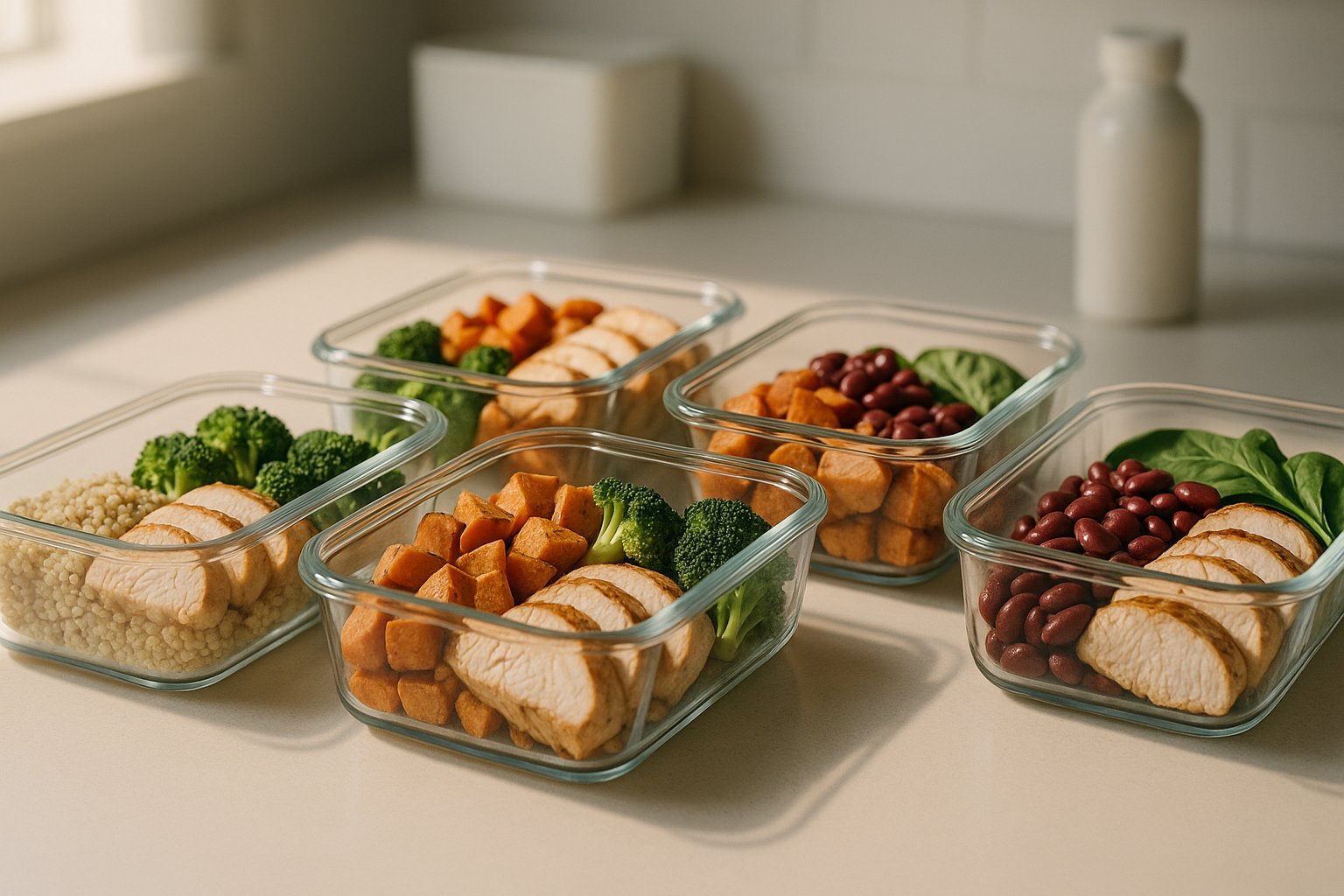
Bibimbap is a Korean rice bowl topped with seasoned vegetables, a fried or raw egg, often some beef, chicken, or tofu, and a spoonful of spicy gochujang. Served in a sizzling stone bowl, it is a satisfying meal with a little of everything. If you take a GLP-1 medication such as semaglutide or tirzepatide, bibimbap can be a good choice, as long as the rice does not crowd out the rest.
Here is how to make bibimbap work during treatment.
The short answer
Yes, you can eat bibimbap on a GLP-1. With extra protein, plenty of vegetables, and a smaller amount of rice, it can be a balanced, comfortable meal. A big bowl that is mostly rice, with lots of spicy sauce, is more likely to leave you overfull or with heartburn.
Why the order you eat matters
A pharmacovigilance analysis of adverse event reports for semaglutide found gastrointestinal events to be the dominant category by a wide margin. These medications slow how quickly your stomach empties and make you feel full sooner. If you mix the bowl together and eat mostly rice in each bite, you may fill up before you get much protein.
Eat the toppings first
Before mixing, eat the egg and the beef, chicken, or tofu, along with some of the vegetables. Then mix in a little rice if you still have room. Our guide on getting the most out of your GLP-1 treatment covers why protein and strength training matter.
Ordering tips
- Ask for extra protein or an extra egg.
- Ask for less rice, if the restaurant allows.
- Choose bulgogi beef, chicken, or tofu.
- Go easy on gochujang, which is spicy and sweet. Add a little at a time.
Stone bowl or regular bowl
Dolsot bibimbap, served in a hot stone bowl, has crispy rice at the bottom. It is delicious but easy to keep eating. Enjoy a little crispy rice and leave the rest.
Vegetables
Seasoned spinach, bean sprouts, carrots, zucchini, mushrooms, and other vegetables add fiber and nutrients. Cooked vegetables are often gentler than raw ones. Kimchi on the side can be spicy and may add to heartburn for some people.
Spice and heartburn
Gochujang and kimchi can bring heartburn, especially in the days after a dose increase. Choose a mild amount and avoid lying down soon after eating. Our guide on what to eat to minimize nausea has gentle food ideas.
Raw egg
Some bibimbap is served with a raw egg yolk, which cooks partly from the heat of the bowl. If you are pregnant or have a weakened immune system, ask for a fully cooked egg.
Dose increases
These medications are started at a low dose and increased gradually, and side effects tend to be strongest early and after each increase. A smaller bowl with mild sauce may be easier in those days. If you are comparing medications, our guide on tirzepatide and semaglutide side effects covers how they differ.
If you have diabetes
The prescribing information for Wegovy, a semaglutide medication, notes that patients with diabetes mellitus taking it in combination with insulin or an insulin secretagogue, such as a sulfonylurea, may have an increased risk of hypoglycemia, including severe hypoglycemia. Rice and sweet sauces affect blood sugar, so keep the rice portion small, check your blood sugar as directed, and never change those medicines on your own.
Track how it sits
Note how much rice and sauce feel comfortable. Watch for persistent fatigue, feeling cold, hair shedding, dizziness when you stand, losing strength, and losing weight faster than you and your provider intended. Our guide on tracking your progress covers ways to record more than your weight.
Bibimbap is also easy to make at home with leftovers. A small scoop of rice, whatever cooked vegetables you have, a fried egg, and some leftover chicken or tofu make a quick bowl in minutes. Store-bought gochujang keeps for months, so you can add just a little for flavor. Making it yourself lets you flip the usual proportions, with more protein and vegetables and less rice.
At Korean restaurants, other dishes can work well alongside or instead of bibimbap. Soft tofu stew (sundubu jjigae) gives you protein in a warm broth, and grilled fish or chicken dishes are lighter than fried options like Korean fried chicken. Ordering one of these and sharing a bibimbap with someone is an easy way to get a taste of everything.
Consider this scenario: a man on a GLP-1 orders a large stone-bowl bibimbap, mixes everything together with plenty of gochujang, and eats quickly. He fills up on rice after a few spoonfuls, leaves most of the beef and egg, and has heartburn later that evening. Eating the egg, beef, and vegetables first, asking for less rice and an extra egg, and adding gochujang a little at a time would very likely have given him a more comfortable, protein-rich meal.
The short version
You can eat bibimbap on a GLP-1. Eat the egg, protein, and vegetables before mixing in rice, ask for extra protein and less rice, and go easy on gochujang and kimchi if spice bothers you. Enjoy a little crispy rice from stone bowls, ask for a cooked egg if you need one, and keep rice small if you have diabetes.
If you want a provider who will help you enjoy the foods you love on treatment, TrimRx includes ongoing provider access alongside treatment.
This information is for educational purposes and is not medical advice. Consult with a healthcare provider before starting any medication. Individual results may vary.

Transforming Lives, One Step at a Time
Keep reading
Can You Eat Pierogi on a GLP-1?
Pierogi are a beloved comfort food in many Polish, Ukrainian, and Eastern European families: soft dough dumplings filled with potato and cheese, sauerkraut, meat,…

Colonoscopy Prep on a GLP-1
If you are on a GLP-1 and have a colonoscopy, upper endoscopy, or any procedure with sedation coming up, the single most important step…
Warehouse Shifts on a GLP-1: Energy, Strength and Timed Breaks
Warehouse and fulfillment work is physically demanding in a very specific way: long shifts, many miles of walking, repeated lifting, rate targets, and breaks…


