Can You Eat Peanut Butter on Wegovy? Tips for Your Diet
Introduction
Standing in the kitchen with a jar of peanut butter and a spoon is a familiar moment for many. It is a quick, high-protein snack that satisfies a specific craving for something salty and creamy. However, when you start a weight management journey using a GLP-1 medication like Wegovy®, your relationship with your favorite kitchen staples often changes. You might wonder if that tablespoon of peanut butter will support your goals or lead to an afternoon of digestive regret. At TrimRx, we know that successful weight loss is about more than just a prescription; it is about learning how to navigate these daily nutritional choices with confidence. This post covers how peanut butter interacts with your body during treatment, the best ways to manage potential side effects, and how to include healthy fats in your program effectively. While peanut butter is not off-limits, its high fat content requires a thoughtful approach to portion sizes and timing to ensure it works for you, not against you.
Understanding How GLP-1 Medications Change Digestion
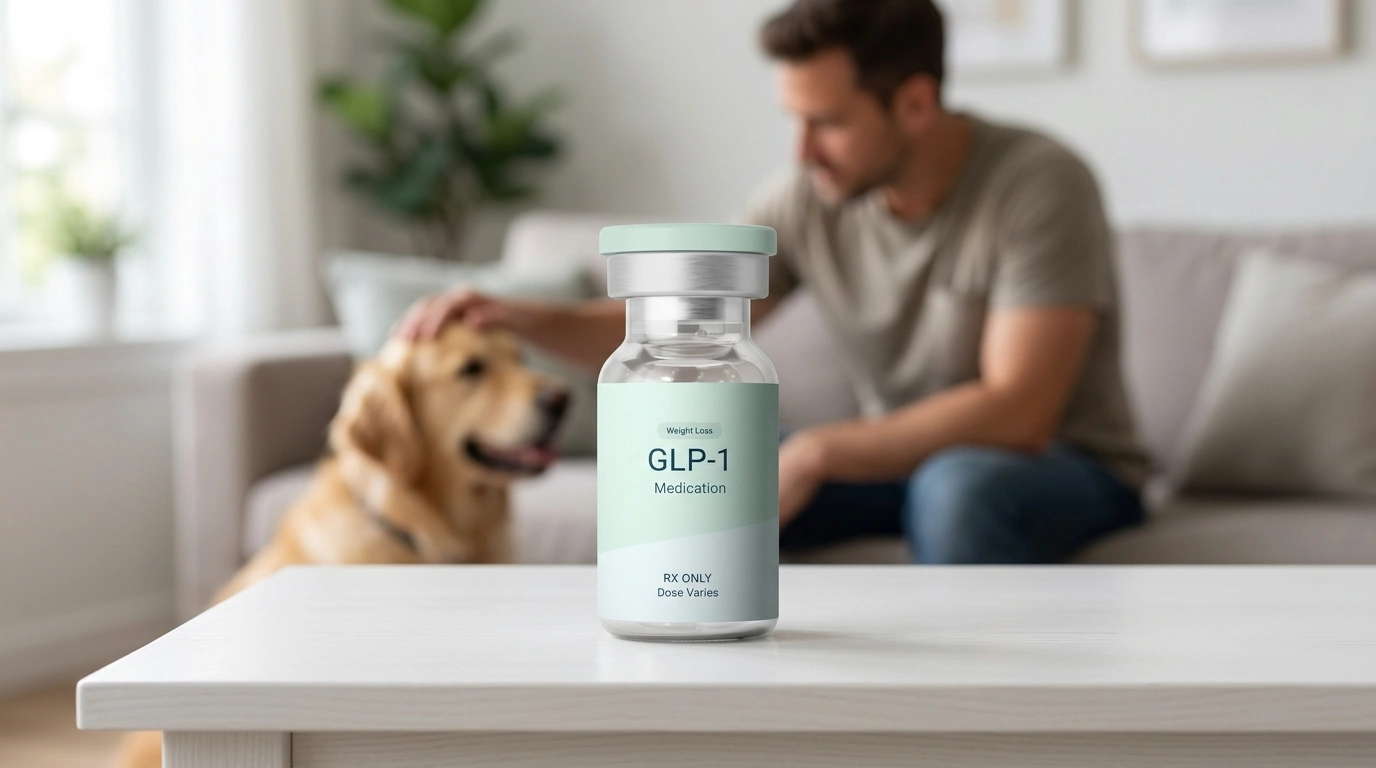
To answer whether peanut butter is a good choice, we must first look at the biological changes happening in your body. Wegovy® belongs to a class of medications known as GLP-1 (glucagon-like peptide-1) receptor agonists. These medications mimic a natural hormone that your body releases after a meal. Their primary role is to communicate with the brain to reduce hunger and increase the feeling of being full.
One of the most significant physical effects of this medication is the slowing of gastric emptying. This is the medical term for the rate at which food leaves your stomach and moves into the small intestine. By keeping food in the stomach for a longer duration, the medication helps you feel satisfied for hours on a much smaller amount of food. This is the cornerstone of how these programs support sustainable weight loss. If you are considering whether a prescription program may be appropriate, you can complete a free eligibility assessment.
However, this “digestive speed limit” creates a unique challenge for high-fat foods. Fat is naturally the slowest macronutrient to digest, even without the influence of medication. When you combine a medication that slows your stomach down with a food that already takes a long time to process, like peanut butter, the result can be a digestive “backlog.” For many individuals, this leads to feelings of excessive heaviness or discomfort if the portion size is too large.
Quick Answer: Yes, you can eat peanut butter while taking Wegovy®, but moderation is essential. Because the medication slows your digestion, the high fat content in peanut butter can lead to nausea or reflux if you eat too much at once.
For more practical food guidance, review these GLP-1 nutrition strategies for choosing satisfying foods while appetite is reduced.
The Nutritional Benefits of Peanut Butter
Despite the need for caution, peanut butter is not a “bad” food. In fact, it is a nutrient-dense powerhouse that can provide significant support during a weight loss journey when used correctly. Because you are likely eating much less total food than you did before starting your program, every bite you take needs to offer the most nutritional value possible.
Supporting Muscle Mass with Protein
One of our primary goals is helping individuals lose fat while preserving lean muscle mass. When the body is in a calorie deficit, it can sometimes break down muscle tissue for energy. Peanut butter provides roughly 4 grams of protein per tablespoon, offering a plant-based boost that helps your body maintain its structural health. While it should not be your only protein source, it is an excellent supplemental tool.
A broader high-protein meal plan for GLP-1 patients can help you think beyond one snack and build protein into your daily routine.
Healthy Fats and Satiety
Not all fats are created equal. Peanut butter is rich in monounsaturated and polyunsaturated fatty acids, which are the same heart-healthy fats found in a Mediterranean diet. These fats are essential for hormone production and the absorption of fat-soluble vitamins like A, D, E, and K. Furthermore, the combination of fat, protein, and a small amount of fiber makes peanut butter incredibly satiating. A small amount can keep “food noise”—those intrusive thoughts about snacking—at bay for several hours.
Key Takeaway: Peanut butter is an excellent source of protein and heart-healthy fats, which are critical for maintaining muscle and satiety during a reduced-calorie weight loss program.
Managing Potential Side Effects
While the benefits are clear, the interaction between peanut butter and a GLP-1 medication can sometimes trigger “breakthrough” side effects. Gastrointestinal symptoms are the most commonly reported issues during the initial weeks of treatment or when a licensed provider increases your dose.
For additional context, read about common GLP-1 side effects and ways to manage them.
Nausea and Over-Fullness
If you consume a large portion of peanut butter, the high fat content signals to your brain that your stomach is full. Because your medication is already amplifying that signal, the “double dose” of fullness can quickly transition into nausea. This is your body’s way of telling you that the digestive tract is currently at capacity. To avoid this, it is best to avoid eating peanut butter on an empty stomach or as a large standalone snack.
Acid Reflux and Heartburn
Since food remains in the stomach longer, the acid your body produces to break down that food also sticks around. Peanut butter is dense and can be slightly acidic for some people, which may relax the lower esophageal sphincter and allow acid to travel upward. If you are prone to nighttime heartburn, consuming peanut butter as a late-night snack can be a major trigger for discomfort.
You can also explore this explanation of how GLP-1 medications may affect acid reflux when deciding which eating habits feel most comfortable.
The “Heavy” Stomach Feeling
Some patients describe a sensation of a “brick” sitting in their upper abdomen after eating dense fats. This is a direct result of slowed gastric emptying. If you experience this, it is a sign that the portion size was too large for your current level of medication. Pairing peanut butter with a high-water-content food, such as apple slices or celery, can help balance the density and support more comfortable movement through the digestive system.
Note: If you experience persistent vomiting or severe abdominal pain after eating high-fat foods, you should contact a healthcare professional immediately to discuss your symptoms and dosing schedule.
If you are deciding whether prescription treatment is worth discussing, you can start the assessment process and provide information for conditional licensed-provider review.
Choosing the Right Jar: Ingredient Quality Matters
Not all peanut butters are created equal, and the type you choose can significantly impact your results. Many traditional supermarket brands add extra ingredients to improve shelf life and sweetness, which can interfere with your metabolic goals.
- Natural Peanut Butter: Look for jars where the only ingredients are “peanuts” and “salt.” These varieties often have a layer of oil on top that requires stirring. This oil is a sign that the product is free from hydrogenated oils and emulsifiers.
- Avoid Added Sugars: Many brands add cane sugar or high-fructose corn syrup. These added sugars provide “empty” calories that can spike blood glucose levels and counteract the blood-sugar-stabilizing effects of your medication.
- Palm Oil and Hydrogenated Fats: These are often added to prevent the oil from separating, but they are higher in saturated fats and can contribute to inflammation. For the best results on a weight loss program, these should be kept to a minimum.
For more ideas about nutrient-dense choices, see this guide to the best foods for weight loss.
Bottom line: Selecting natural peanut butter without added sugars or palm oil ensures you are getting high-quality nutrients without the inflammatory additives that can hinder your progress.
Strategies for Including Peanut Butter in Your Program
You do not have to say goodbye to peanut butter, but you may need to redefine your relationship with it. Adopting a few simple strategies can help you enjoy the taste and benefits without the unwanted side effects.
Precision Portion Control
On a GLP-1 program, the traditional two-tablespoon serving might be too much. Try starting with just one teaspoon or one tablespoon. Use an actual measuring spoon rather than “eyeballing” it with a regular kitchen spoon. Because your appetite is naturally lower, you will likely find that a small, measured amount satisfies your craving just as much as a large portion once did.
The Power of Powdered Peanut Butter
If you find that the fat content consistently triggers nausea, consider trying powdered peanut butter. This product is made by pressing the oils out of roasted peanuts. You get the familiar flavor and the protein, but with roughly 85% less fat and significantly fewer calories. It can be easily mixed into oatmeal, yogurt, or a protein shake to give you the taste you love with much less digestive demand.
Timing is Everything
Try to consume peanut butter during your most active hours, such as breakfast or lunch. This gives your body several hours to process the fats while you are upright and moving. Moving around helps facilitate digestion and can mitigate the risk of acid reflux. Avoid eating peanut butter within three hours of bedtime to give your stomach plenty of time to empty before you lie down.
Why Protein-Rich Fats Support Muscle Preservation
A major concern during any significant weight loss journey is the risk of losing lean muscle mass. When you lose weight, you want that weight to come from fat stores, not your muscles. Muscles are metabolically active tissue; they burn more calories at rest than fat does. If you lose too much muscle, your metabolism can slow down, making it harder to maintain your results in the long term.
At TrimRx, our personalized programs emphasize the importance of high-protein intake to protect these vital tissues. While peanut butter is a fat-first food, its protein content makes it a valuable “bridge” food. For an individual who is struggling with a very low appetite, a small amount of peanut butter on a whole-grain cracker can provide enough energy and protein to prevent the body from entering a muscle-wasting state.
If you want to discuss whether a personalized prescription program fits your situation, you can see if you qualify for a personalized program.
Myth: You must follow a strictly low-fat diet while on Wegovy®. Fact: Your body needs healthy fats for brain health and vitamin absorption. The key is managing the amount and timing to avoid digestive sensitivity.
Step-by-Step: How to Safely Reintroduce Peanut Butter
If you have been avoiding peanut butter because you were afraid of side effects, follow this process to see how your body reacts.
Step 1: Inspect the ingredients.
Choose a natural brand containing only peanuts and a hint of salt. Avoid any varieties with “sugar” or “hydrogenated vegetable oil” on the label.
Step 2: Start with a “test dose.”
Measure out exactly one teaspoon of peanut butter. Eat it slowly on its own or spread very thinly on a piece of whole-grain toast.
Step 3: Monitor your reaction.
Pay attention to how you feel over the next two to four hours. Look for signs of nausea, reflux, or that heavy “brick” feeling in your stomach.
Step 4: Pair with fiber.
If the test dose went well, try a full tablespoon next time, paired with a high-fiber food like an apple or a few stalks of celery. The fiber and water content in the produce will help the fat move through your system more comfortably.
Step 5: Adjust your timing.
If you feel “icky” after eating it at lunch, try moving it to breakfast. If you feel fine, you have successfully identified a “safe” way to keep this favorite food in your routine.
The Role of Personalization in Your Diet
Every person’s body responds differently to weight loss medication. Some individuals can eat a regular portion of peanut butter with zero issues, while others find that even a small smear on toast leads to heartburn. This is why a “one-size-fits-all” diet plan rarely works for long-term success.
Our approach focuses on helping you listen to your body’s signals. As you progress through your journey, your “food map” will likely change. Foods that were triggers during your first month may become perfectly fine as your body adjusts to the medication. Keeping a simple food log for the first few weeks can be incredibly helpful. Note what you ate, what time you ate it, and how you felt afterward. This data allows you to make informed choices that support your comfort and your weight loss goals simultaneously.
Actionable Tips for Daily Nutrition
Beyond peanut butter, focusing on a few core nutritional habits can make your overall experience much smoother.
- Prioritize Protein First: Always eat your protein source before your carbohydrates or fats. This ensures you meet your muscle-preservation goals even if you get full quickly.
- Stay Hydrated: Slowed digestion can sometimes lead to constipation. Drink at least 64 ounces of water daily, but try to take small sips throughout the day rather than drinking large amounts during a meal.
- Eat Slowly: It takes about 20 minutes for your stomach to signal to your brain that it is full. Since your medication is already making you feel full sooner, eating slowly helps you catch that signal before you have overeaten.
- Focus on Whole Foods: The less processed a food is, the easier it generally is for your body to process. Focus on lean meats, vegetables, fruits, and “natural” versions of pantry staples.
For more guidance on protein and everyday eating patterns, review these GLP-1 meal-planning ideas.
Navigating the Path to Sustainable Health
Weight loss is a marathon, not a sprint. The goal is not just to see a lower number on the scale, but to build a lifestyle that you can maintain for years to come. Including foods you enjoy—like peanut butter—is a key part of that sustainability. If you deprive yourself of every food you love, you are more likely to feel frustrated or give up.
Our mission at TrimRx is to provide the medical expertise and empathetic guidance needed to help you find this balance. We merge modern telehealth technology with personalized clinical support so you can manage your health from the comfort of home. By understanding how your medication works and making small, smart adjustments to your diet, you can achieve results that are both meaningful and lasting.
Conclusion
Can you eat peanut butter on Wegovy®? The answer is a clear yes. Peanut butter is a nutrient-dense food that provides essential protein and healthy fats, both of which are vital for your health during a weight loss journey. However, the key to success lies in understanding your body’s new digestive pace. By choosing natural varieties, practicing strict portion control, and timing your intake for earlier in the day, you can enjoy this favorite snack without triggering the nausea or reflux often associated with high-fat foods.
Key Takeaway: Success on a GLP-1 program is not about “forbidden” foods; it is about finding the right balance of portion, quality, and timing for your unique biology.
If you are ready to take the next step toward a healthier lifestyle, we are here to help. Our personalized programs provide access to licensed providers who can tailor a treatment plan specifically to your medical history and goals. You can begin with a free assessment to see if our program is the right fit for you.
FAQ
Can I eat peanut butter every day while on Wegovy®?
Yes, you can eat it daily as long as you tolerate it well and it fits within your overall nutritional goals. Most people find that sticking to a one-tablespoon portion size helps them enjoy the benefits without experiencing digestive discomfort.
Will peanut butter make my nausea worse?
It can if you eat too much of it. High-fat foods take longer to digest, and because the medication already slows your stomach, a large portion of peanut butter can lead to feelings of nausea or excessive fullness. You can review more guidance on managing nausea with GLP-1 medications if these symptoms continue.
Does peanut butter slow down weight loss progress?
Peanut butter is calorie-dense, so if you eat large amounts without tracking, it could impact your calorie deficit. However, its high satiety and protein content can actually support weight loss by keeping you full and helping to preserve muscle mass.
What is the best time of day to eat peanut butter on this medication?
Most patients find that eating peanut butter at breakfast or lunch is best. Consuming it earlier in the day allows more time for digestion while you are upright, which significantly reduces the risk of nighttime acid reflux or heartburn. If you are considering treatment, you can complete the intake assessment so a licensed provider can review your information and outline appropriate next steps.
TrimRX does not practice medicine or prescribe medications. Compounded medications are not FDA-approved and are not evaluated by the FDA for safety or efficacy. Results vary by individual and are not guaranteed.
Disclaimer: This content is for informational purposes only and does not constitute medical advice. It is not intended to diagnose, treat, cure, or prevent any disease or condition. Individual results may vary. Always consult a qualified healthcare professional before starting any weight loss program or medication.

Transforming Lives, One Step at a Time
Keep reading

Can You Eat Meatloaf on Wegovy?
Meatloaf is classic home cooking: ground meat mixed with breadcrumbs, egg, and seasoning, baked with a sweet tomato glaze, and served with mashed potatoes…

Can You Eat Cheesecake on Wegovy?
Cheesecake is a celebration dessert for many people: birthdays, anniversaries, holidays, or a special dinner out. It is also one of the richest desserts…

Can You Eat Lentils on Wegovy?
Lentils are one of the most affordable, nutritious foods around. They are rich in plant protein, fiber, iron, and folate, cook quickly without soaking,…


