Can You Eat Steak on Zepbound? Tips for Protein and Digestion
Introduction
Sitting down to a favorite meal like a grilled steak should be a pleasure, but when you start a medication like Zepbound®, your relationship with food begins to shift. Many individuals find that the foods they once enjoyed now feel “heavy” or lead to unexpected discomfort. If you are wondering if you can eat steak on Zepbound, the short answer is yes, but the experience may be different than it was before you began your treatment. At TrimRx, we believe that understanding how your body processes specific foods while on GLP-1 medications is essential for a comfortable and successful journey. This post covers how to incorporate steak into your routine, which cuts to choose, and how to manage your digestion to avoid common side effects. By focusing on quality and preparation, you can maintain your protein intake while supporting your metabolic health.
If you are considering prescription GLP-1 treatment, you can complete a free eligibility assessment to find out whether a personalized program may be appropriate for you.
Understanding How Zepbound Affects Digestion
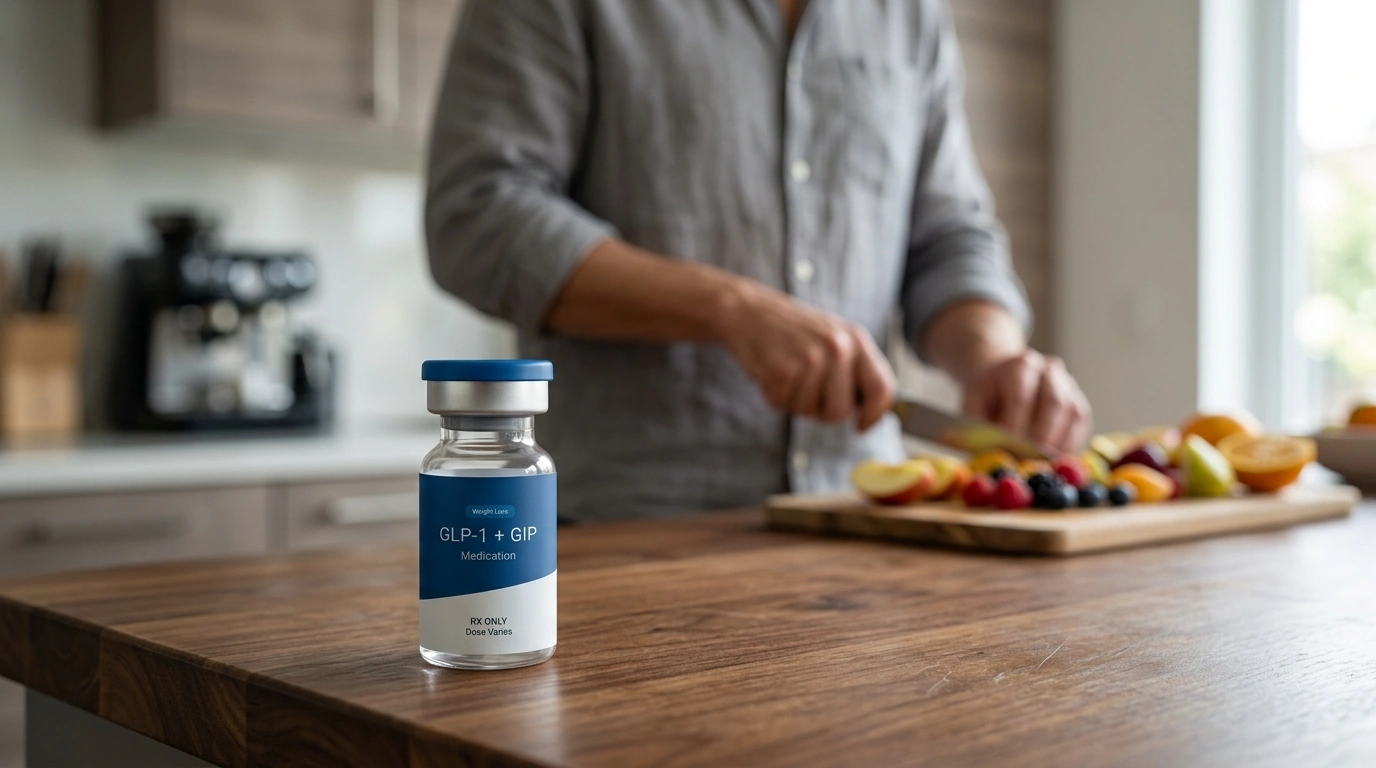
To understand why a steak dinner might feel different now, it is helpful to look at how Zepbound® (tirzepatide) works in the body. This medication is a dual receptor agonist, meaning it mimics two different hormones: glucagon-like peptide-1 (GLP-1) and glucose-dependent insulinotropic polypeptide (GIP). These hormones work together to regulate blood sugar and influence the brain’s signals for hunger and fullness.
One of the primary ways these medications support weight loss is by slowing down gastric emptying. This is a scientific way of saying that food stays in your stomach for a longer period of time before moving into the small intestine. When food remains in the stomach longer, you feel full faster and stay satisfied for a greater duration. However, this slowed process can make dense, high-fat, or high-protein foods like steak more challenging to digest.
For more context about this effect, read how long food can stay in your stomach on Zepbound.
Quick Answer: Yes, you can eat steak while taking Zepbound®, but it is often best to choose lean cuts and smaller portions. Because the medication slows digestion, fatty or heavy meats may cause discomfort, such as nausea or indigestion, if consumed in large quantities.
The Importance of Protein on Your Weight Loss Journey
While you may need to adjust how you eat steak, maintaining a high protein intake is vital during medical weight loss. When the body loses weight rapidly, there is a risk of losing muscle mass along with fat. Consuming adequate protein helps protect your lean muscle, which is essential for maintaining a healthy metabolism.
Steak is an excellent source of complete protein, meaning it contains all the essential amino acids your body needs. It also provides critical nutrients like iron, B vitamins, and zinc. The challenge for those on Zepbound® is finding the balance between getting enough protein and avoiding the gastrointestinal upset that can come with eating heavy red meat.
For additional guidance, review how protein supports weight loss.
Choosing the Right Cut of Steak
Not all steaks are created equal, especially when your digestion has slowed down. The fat content of the meat is the most significant factor in how well you will tolerate it. High-fat foods are notorious for causing nausea, heartburn, and “sulfur burps” when paired with GLP-1 or GIP medications.
Lean Cuts to Prioritize
When shopping or ordering at a restaurant, look for “loin” or “round” in the name. These cuts are generally lower in fat and easier for the digestive system to break down.
- Eye of Round: One of the leanest options available.
- Sirloin Tip Side Steak: Very lean and high in protein.
- Top Sirloin: A flavorful option that remains relatively low in fat.
- Filet Mignon (Tenderloin): While tender, this cut is leaner than a ribeye, though it still contains some fat. It is often well-tolerated in small portions.
- Flank Steak: A lean, fibrous cut that is great for slicing thin across the grain.
Cuts to Approach with Caution
Fatty cuts can sit in the stomach for a very long time, leading to significant discomfort.
- Ribeye: Known for its heavy marbling, this is one of the fattiest steaks and may cause issues.
- T-Bone and Porterhouse: These contain portions of the strip and the tenderloin but often have significant fat caps.
- Prime Rib: This is typically high in saturated fat and often served with heavy au jus or butter, which can trigger nausea.
Preparation Methods Matter
How you cook your steak is just as important as the cut you choose. Traditional steakhouse preparations often involve heavy amounts of butter, oil, or rich sauces. These added fats can double the “heaviness” of the meal and lead to indigestion.
Grilling and Broiling
These methods allow excess fat to drip away from the meat. Using a simple rub of salt, pepper, and herbs provides flavor without adding the fats that complicate digestion.
Sous Vide
This method involves cooking the meat in a vacuum-sealed bag in a temperature-controlled water bath. It results in a very tender steak without the need for excess oils. Because the meat is more tender, it is easier to chew thoroughly, which is a major help for digestion.
Avoid Frying
Pan-searing a steak in a pool of butter or oil is a recipe for a stomachache while on Zepbound®. If you are searing your meat, use a minimal amount of a high-smoke-point oil like avocado oil and pat the meat dry afterward to remove excess grease.
For more meal-planning ideas, explore what to eat before a Zepbound injection.
Why Slower Eating and Thorough Chewing are Essential
Because Zepbound® slows the movement of food out of the stomach, the mechanical process of digestion becomes more important. Digestion begins in the mouth. When you chew your food thoroughly, you are breaking down the dense protein fibers into smaller, more manageable pieces for your stomach to process.
If you swallow large chunks of steak, they will sit in your stomach significantly longer. This can lead to a feeling of “bricks” in the stomach or contribute to acid reflux. Aim to chew each bite until it is almost a paste-like consistency. This simple change can make a world of difference in how you feel after a meal.
Key Takeaway: To enjoy steak comfortably on Zepbound®, prioritize lean cuts like top sirloin, use low-fat cooking methods, and chew each bite thoroughly to assist your slowed digestive system.
Managing Portion Sizes and Satiety
One of the most profound effects of tirzepatide is the “fullness signal.” You may find that you are satisfied after just three or four ounces of steak, whereas you might have previously eaten an eight or twelve-ounce portion.
It is important to listen to these signals immediately. On this medication, the window between “I’m starting to feel full” and “I am uncomfortably stuffed” is very small. If you continue to eat steak past the point of initial fullness, you are likely to experience nausea or vomiting later in the evening because there is simply no more room in the stomach for the dense protein to go.
The 80% Rule
Many people find success by aiming to feel 80% full. Because the signal from the stomach to the brain takes a few minutes to catch up, stopping when you feel mostly satisfied usually means you will feel perfectly full ten minutes later.
Potential Side Effects of Eating Steak on Zepbound
While steak is nutritious, it can trigger specific side effects due to its density and the way Zepbound® interacts with the gut.
- Acid Reflux and Heartburn: Beef is a common trigger for gastroesophageal reflux. When combined with delayed gastric emptying, the acid and food may back up into the esophagus.
- Nausea: If the steak is too fatty or the portion is too large, it may linger in the stomach long enough to cause waves of nausea.
- Sulfur Burps: This is a common side effect where gas produced by the slow breakdown of proteins in the stomach has a distinct smell. High-protein meals can sometimes exacerbate this.
- Constipation: Red meat lacks fiber. Since GLP-1 medications can already slow down the bowels, a diet high in steak without enough water and fiber may lead to constipation.
For broader guidance, read what to expect from common GLP-1 side effects.
Bottom line: While side effects are possible, most can be managed by reducing portion sizes, choosing lean cuts, and avoiding eating heavy meals late at night.
How to Balance Your Plate
When eating steak, what you pair it with is just as important as the meat itself. To support your digestion and overall health, your plate should be balanced.
Focus on Fiber
Since steak has no fiber, you must pair it with vegetables. Roasted broccoli, asparagus, or a leafy green salad can help keep things moving through your digestive tract. Fiber is your best friend when taking medications that slow down the gut.
Stay Hydrated
Digesting protein requires water. If you are dehydrated, your body will have a harder time processing a dense meal like steak. Ensure you are drinking water throughout the day, though you may want to avoid drinking large amounts during the meal to prevent your stomach from becoming overly distended.
For more information about bowel changes, read how GLP-1 medications can affect digestion and regularity.
Consider Digestive Support
Some people find that certain supplements can help manage the transition as they adjust to their medication. At TrimRx, we offer options like GLP-1 Daily Support, which is designed to help provide the nutrients your body needs during your weight loss journey. While not a replacement for a good diet, these supports can be a helpful part of a broader wellness plan.
When to Consult a Professional
If you find that you cannot tolerate any red meat, or if eating steak causes persistent vomiting or severe abdominal pain, it is important to speak with a healthcare provider. Every individual’s body reacts differently to tirzepatide.
The team at TrimRx provides access to licensed providers who can help you navigate these dietary adjustments. Our personalized programs are designed to look at your specific health profile and goals, ensuring that your weight loss journey is as smooth as possible. We offer a telehealth-first approach, meaning you can get the guidance you need without the hassle of a waiting room.
If you are exploring whether prescription treatment is appropriate for you, you can see if you qualify for a personalized program.
Starting Your Journey with TrimRx
Navigating the world of GLP-1 and GIP medications can feel overwhelming, especially when it comes to the “rules” of what you should or shouldn’t eat. At TrimRx, we aim to simplify this process. We provide a platform where you can connect with medical professionals who understand the nuances of medications like compounded semaglutide or tirzepatide.
Our mission is to help you embrace a healthier lifestyle through science and empathy. We provide a transparent, personalized approach that includes doctor consultations, lab work, and medication shipped from FDA-registered, inspected compounding pharmacies. We believe that weight loss is not just about the number on the scale, but about how you feel every day—including how you feel after a delicious steak dinner.
Conclusion
You do not have to give up steak while taking Zepbound®, but you do need to be more intentional about how you consume it. By choosing lean cuts, practicing portion control, and paying close attention to your body’s fullness signals, you can continue to enjoy red meat as a valuable source of protein. Remember that your digestive system is working at a different pace now, and giving it a little extra help through thorough chewing and fiber-rich side dishes will go a long way.
If you are ready to take the next step in your health journey with a program that offers 24/7 access to specialists and a fully personalized plan, we are here to help. Our approach is built on providing you with the tools and medical supervision necessary for sustainable, long-term success.
Key Takeaway: Success on Zepbound® involves listening to your body’s new signals. Enjoying steak in moderation and choosing leaner options allows you to maintain muscle mass while avoiding the digestive pitfalls of high-fat meals.
To see if a personalized weight loss program is right for you, the best first step is to take our free assessment quiz. This helps our partner providers understand your medical history and goals to determine the most appropriate path forward for your unique needs.
FAQ
Why does steak make me feel so full on Zepbound?
Zepbound® slows down the rate at which your stomach empties food into the small intestine. Because steak is a dense protein that already takes longer to digest than carbohydrates or fats, it stays in your stomach for an extended period, leading to a prolonged and intense feeling of fullness.
For a closer look at this process, read how long it takes to digest food on Zepbound.
What is the best way to cook steak to avoid side effects?
The best way to cook steak while on this medication is to use low-fat methods such as grilling, broiling, or sous vide. Avoiding heavy butter, oils, and rich sauces will reduce the overall fat content of the meal, which helps minimize the risk of nausea and acid reflux.
Can I eat a ribeye steak while taking tirzepatide?
While you can eat a ribeye, it is much more likely to cause digestive upset like “sulfur burps” or nausea due to its high fat content. If you choose a ribeye, it is recommended to keep the portion very small—around 2 to 3 ounces—and trim away any visible exterior fat before eating.
Is it okay to eat steak late at night on Zepbound?
It is generally better to avoid eating heavy, protein-dense meals like steak late in the evening. Because your digestion is slower, eating a steak too close to bedtime may lead to significant acid reflux or a “heavy” feeling that interferes with your sleep, as the food will still be in your stomach when you lie down.
If you are ready to explore whether a supervised GLP-1 program fits your goals, complete the free assessment.
Disclaimer: This content is for informational purposes only and does not constitute medical advice. It is not intended to diagnose, treat, cure, or prevent any disease or condition. Individual results may vary. Always consult a qualified healthcare professional before starting any weight loss program or medication.

Transforming Lives, One Step at a Time
Keep reading

Kids’ Birthday Party on Zepbound
If you have young children, birthday parties are a regular part of life: your own child’s, and the steady stream of classmates’ parties most…
Water Aerobics on Zepbound
For people with painful knees, hips, or backs, water aerobics and pool exercise are often the first kind of exercise that feels possible. The…

New Year’s Eve on Zepbound
New Year’s Eve is built around staying up late. There is usually a big dinner or a party spread, drinks through the evening, champagne…


