Can You Go Down a Dose on Zepbound for Weight Loss?
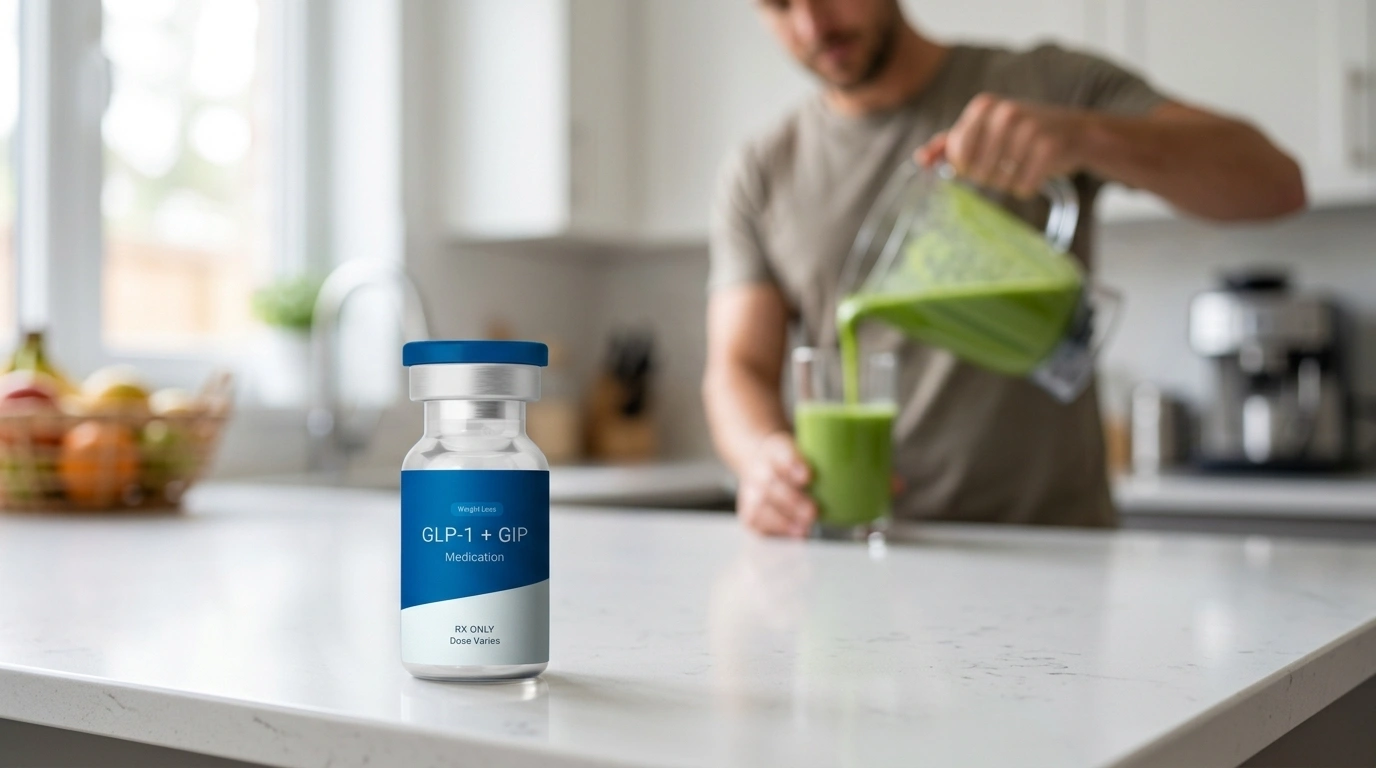
Table of Contents
- Introduction
- How Zepbound Dosing and Titration Work
- Common Reasons to Decrease Your Dose
- Is It Safe to Lower Your Dose?
- What Happens to Your Body When You Step Down?
- Will You Regain Weight on a Lower Dose?
- The Role of Personalized Programs in Dosing
- Managing the Transition: A Step-by-Step Guide
- Supporting Your Journey with Targeted Nutrition
- Why Telehealth Makes Dosing Adjustments Easier
- The Importance of Long-Term Thinking
- Conclusion
- FAQ
Introduction
Deciding to adjust your medication dosage can feel like a high-stakes decision, especially when you have already started seeing progress on your weight loss journey. Perhaps you have reached a higher strength and found that the side effects are becoming difficult to manage, or maybe you have reached your goal weight and are looking for a sustainable long-term plan. If you are asking, “can you go down a dose on Zepbound,” the short answer is yes—provided you do so under the careful supervision of a licensed healthcare provider.
At TrimRx, we believe that weight management is a personal evolution rather than a rigid, one-way path. Our platform connects you with providers who understand that the “right” dose is the one that balances effectiveness with your daily quality of life. This article will explain the clinical reasons for decreasing your dose, how it affects your metabolism, and what you can expect as your body adjusts to a lower amount of tirzepatide. Our goal is to equip you with the knowledge to make informed decisions alongside your medical team.
Quick Answer: Yes, you can lower your Zepbound® dose if you are experiencing intolerable side effects or transitioning to a maintenance phase. This adjustment must be managed by a healthcare provider to prevent a rapid return of appetite and to ensure your weight remains stable.
How Zepbound Dosing and Titration Work
To understand why you might go down a dose, it is helpful to first understand why the dosage increases in the first place. Zepbound® is a branded medication containing tirzepatide, a dual-receptor agonist. This means the drug mimics two natural hormones in your body: glucagon-like peptide-1 (GLP-1) and glucose-dependent insulinotropic polypeptide (GIP). These hormones work in tandem to slow down how quickly your stomach empties and signal to your brain that you are full.
The standard process for taking this medication is called titration. This is a medical strategy where you start at a very low dose, typically 2.5 mg, and slowly increase it every four weeks. This gradual climb allows your digestive system to adapt to the hormonal changes. The goal is to reach a maintenance dose—usually 5 mg, 10 mg, or 15 mg—that provides the best weight loss results with the fewest interruptions to your daily life. For additional context, review this guide to Zepbound dosing and maintenance levels.
However, clinical progress is rarely a straight line. Many individuals find that as they reach higher doses, such as 12.5 mg or 15 mg, their body reacts more intensely than it did at lower strengths. In these instances, “stepping down” to a previous dose is a common and medically sound clinical tool.
Common Reasons to Decrease Your Dose
There are several valid reasons why a provider might recommend lowering your dosage. It is rarely a sign of failure; rather, it is an adjustment to help the medication work better for your specific biology.
Managing Intolerable Side Effects
The most frequent reason for dose reduction is the management of gastrointestinal side effects. Because tirzepatide affects the speed of your digestion, it can lead to nausea, vomiting, diarrhea, or significant stomach discomfort. While these symptoms are often temporary, they can sometimes become severe enough to interfere with your work, sleep, or ability to exercise. You can learn more in this guide to tirzepatide side effects and symptom management.
If a patient is unable to consume enough protein or stay hydrated because of constant nausea, the higher dose may actually be hindering their health. In these cases, moving back down to a lower, better-tolerated dose allows the body to stabilize while still benefiting from the medication’s metabolic support.
Transitioning to a Maintenance Phase
Reaching your target weight is a major milestone. Once you are no longer in an active weight loss phase, you and your provider may decide to find the “minimum effective dose.” This is the lowest possible amount of medication required to maintain your new weight and keep “food noise”—those intrusive, persistent thoughts about eating—at bay. Many people find they can stay at their goal weight on 5 mg or 7.5 mg even if they needed 12.5 mg to lose the initial weight.
For more information about building sustainable habits during this phase, read about long-term weight loss success on GLP-1 medications.
Addressing Supply and Access Issues
In some cases, patients may need to go down a dose due to pharmacy shortages. While it is always best to stay on the prescribed titration schedule, taking a lower dose is generally considered safer than stopping the medication abruptly. Continuing at a lower strength helps maintain the hormone receptor saturation in your body, making it easier to return to your target dose once the supply is restored.
Is It Safe to Lower Your Dose?
Generally, it is safe to lower your dose of Zepbound® as long as you are working with a licensed professional. Unlike some categories of medication that require a strictly timed “tapering” to avoid physical withdrawal symptoms, tirzepatide does not typically cause a physical withdrawal.
However, “safe” does not mean “without changes.” The primary risk of lowering your dose is that your appetite may return more quickly, or you may experience a plateau in your weight loss. This is why it is essential to have a plan in place to manage nutrition and lifestyle habits during the transition.
If you are considering a prescription weight management program, you can complete a free eligibility assessment to begin a conversation with a qualified provider.
Key Takeaway: Lowering your dose is a safe and standard medical practice for managing side effects or maintaining weight, but it should never be done by attempting to split or alter a single-use branded pen.
What Happens to Your Body When You Step Down?
When you decrease the amount of tirzepatide in your system, your body undergoes several physiological shifts. Understanding these can help you stay on track and avoid frustration.
Faster Gastric Emptying
The medication works partly by slowing down the rate at which food leaves your stomach. When you lower the dose, your stomach will begin to empty more quickly. You might notice that you feel hungry two or three hours after a meal instead of four or five.
Return of Food Noise
Higher doses are very effective at silencing the brain’s cravings. At a lower dose, you may find that you have to use more conscious effort to manage your food choices. This is where the habits you built during titration—like prioritizing protein and fiber—become your most important tools.
Improvement in Energy Levels
For some, high doses of GLP-1 medications can cause a specific type of fatigue. By stepping down, many patients report feeling a “lifting” of this tiredness, allowing them to return to more vigorous physical activity, which further supports their metabolic health. Some people also explore energy support during weight loss alongside nutrition and lifestyle changes.
Will You Regain Weight on a Lower Dose?
Weight regain is the most common fear when discussing a dose reduction. However, moving to a lower dose does not automatically mean the weight will return.
Clinical research suggest that many individuals can maintain their progress on a lower dose if they have firmly established healthy lifestyle routines. The medication is a tool that helps you implement changes, but the changes themselves—the muscle you’ve built and the nutrition habits you’ve formed—are what sustain you.
If you are moving from 15 mg to 10 mg, you are still receiving a significant amount of hormonal support. You may find that your weight loss simply slows down rather than stopping entirely. If you are in the maintenance phase, the goal of the lower dose is specifically to stop further weight loss while preventing any gain.
The Role of Personalized Programs in Dosing
One of the challenges of branded medications like Zepbound® is the rigid nature of the pre-filled pens. They only come in specific increments. At TrimRx, we recognize that every body is unique, and sometimes those standard increments don’t perfectly match a patient’s needs.
Through our platform, patients may be prescribed compounded tirzepatide. Compounded medications are prepared by FDA-registered, inspected compounding pharmacies. While these are not FDA-approved like the branded versions, they offer a level of personalization that can be helpful for those sensitive to dose changes. For instance, if 5 mg isn’t quite enough but 7.5 mg causes too much nausea, a provider might be able to find a middle ground that works specifically for your system. This personalized approach is at the heart of our mission to make weight loss sustainable and humane.
Managing the Transition: A Step-by-Step Guide
If you and your provider have decided to lower your dose, following a structured plan can help you succeed.
Step 1: Consult Your Provider
Never change your dose based on a hunch. Discuss your side effects or goals with your medical team. They will ensure that your new prescription is safe and appropriate for your health history.
Step 2: Anticipate Appetite Changes
Be prepared for your hunger to return earlier in the week. Many people find that the “wearing off” effect happens a day or two sooner on a lower dose. Plan your meals ahead of time so you aren’t caught off guard by sudden hunger.
Step 3: Focus on Satiety-Boosting Foods
Protein and fiber are your best friends during a dose reduction. Protein helps preserve lean muscle mass, while fiber adds bulk to your meals, helping you feel physically full even as the medication’s effects on gastric emptying decrease. These strategies are also covered in this guide to getting the most out of GLP-1 treatment.
Step 4: Track Your Data
Keep a simple log of your weight, your hunger levels, and your side effects. This data is invaluable for your provider. It helps them decide if the lower dose is your new “sweet spot” or if further adjustments are needed.
Supporting Your Journey with Targeted Nutrition
Regardless of your dose, your body needs specific support when you are in a calorie deficit. When you eat less, it is much harder to get the daily vitamins and minerals your body requires for optimal function.
We offer quick-access supplements like GLP-1 Daily Support, which is specifically formulated for individuals on these medication pathways. These supplements can be particularly helpful during a dose reduction, as they provide essential nutrients that support energy levels and metabolic health without requiring a prescription or a medical quiz. Ensuring your body is nourished helps mitigate the fatigue that sometimes accompanies weight loss and helps you stay active as you adjust your dosage.
Note: If you are experiencing severe vomiting or can’t keep fluids down, do not wait for your next dose to “see if it gets better.” Contact a healthcare professional immediately to prevent dehydration.
Why Telehealth Makes Dosing Adjustments Easier
Navigating dose changes can be stressful, especially if you have to wait weeks for an in-person appointment. The TrimRx platform is built to provide continuous, telehealth-first support. We remove the barriers of waiting rooms and difficult scheduling.
When you are on a personalized program through our platform, you have 24/7 access to a dedicated team. If you wake up on a Tuesday feeling that your current dose is too much to handle, you can reach out for guidance. This constant connection ensures that you aren’t guessing about your health. We merge clinical expertise with modern technology to make sure your program is always aligned with how you feel today, not how you felt three months ago.
The Importance of Long-Term Thinking
Weight management is not a sprint to a finish line; it is a long-term commitment to your metabolic health. If you need to go down a dose on Zepbound®, view it as a strategic move rather than a step backward.
The goal of any successful program is to find a balance where you can live your life, enjoy food in moderation, and maintain a healthy weight without feeling constantly ill. Success is defined by your ability to stay the course over the long term. By listening to your body and working closely with the providers we connect you with, you can find a dosage that supports your health goals and your happiness.
You can also review this guide to finding the right Zepbound dose balance before discussing your options with a provider.
Key Takeaway: A successful weight loss journey is one that is sustainable. If a lower dose allows you to maintain your lifestyle and avoid severe side effects, it is a clinical win.
Conclusion
Going down a dose on your weight loss medication is a common and often necessary part of a successful program. Whether you are managing side effects, transitioning to maintenance, or navigating supply issues, the key is to stay connected with your healthcare team. At TrimRx, we are committed to providing an empathetic, science-backed environment where you can navigate these changes with confidence.
We believe in a personalized approach that respects your body’s unique signals. If you are ready to take the next step toward a weight loss plan that is tailored to your needs, your journey starts with a simple conversation.
Next Steps for Your Health:
- For Personalized Treatment: If you are looking for a medically supervised program that offers dosing flexibility and expert guidance, take our free assessment quiz to see if you are eligible.
- For Daily Support: If you are already on a program and want to optimize your results, explore our GLP-1 Daily Support supplements to ensure your body has the nutrients it needs to thrive.
FAQ
Can I go back up to a higher dose later if I go down now?
Yes, many patients temporarily lower their dose to manage side effects or life events and then slowly titrate back up once they feel more stable. This should always be done under the guidance of your provider to ensure you follow a safe schedule.
Will I regain all the weight if I decrease my dose?
Not necessarily. While a lower dose may lead to increased appetite, many people successfully maintain their weight loss by doubling down on high-protein nutrition and regular exercise. The medication is a support system, but your lifestyle habits are the primary drivers of long-term maintenance.
How long does it take for side effects to improve after lowering the dose?
Most people notice a significant improvement in nausea and digestive issues within 3 to 7 days after their first lower-dose injection. Because the medication has a long half-life, it takes a short period for the higher concentration to leave your system. For additional information, read about why tirzepatide can cause nausea.
Can I just split my Zepbound pen to save money and lower the dose?
No, you should never attempt to split or “hack” a single-use branded pen. These devices are designed to deliver a precise, one-time dose. Altering the pen can lead to incorrect dosing, contamination, or injury; always use a new prescription for a lower dose strength.
Disclaimer: This content is for informational purposes only and does not constitute medical advice. It is not intended to diagnose, treat, cure, or prevent any disease or condition. Individual results may vary. Always consult a qualified healthcare professional before starting any weight loss program or medication.

Transforming Lives, One Step at a Time
Keep reading
Surfing on Zepbound: Paddling Strength, Cold Water, and Dawn Patrol
Surfing asks a lot of your body. Paddling out through broken waves takes shoulder, back, and core strength. Cold water drains energy. Dawn sessions…

Skydiving on Zepbound: Planning a Tandem Jump
For many people who have lost weight, a skydive is a goal they set years ago and finally feel ready for. Some dropzones have…
A Day at the Renaissance Faire on Zepbound
A Renaissance faire is a full day out: jousts, stage shows, artisan stalls, dusty lanes, and food built for spectacle, from giant turkey legs…


