Can You Skip a Week of GLP-1? What to Expect and How to Restart

Introduction
Life rarely follows a perfect schedule. Whether you are traveling for a long-awaited vacation, navigating a temporary medication shortage, or simply forgot your injection day, the question of whether you can skip a week of GLP-1 (glucagon-like peptide-1) medication is incredibly common. At TrimRx, we understand that consistency is the foundation of any metabolic health journey, but we also know that real life happens. This article covers what occurs in your body when you miss a dose, how to safely get back on track, and the clinical differences between skipping a single week versus a longer break. While skipping a dose occasionally may not derail your progress, the way you resume treatment is critical for avoiding uncomfortable side effects and maintaining your long-term weight management goals.
If you are considering a medically supervised prescription program, you can complete a free eligibility assessment to see whether a personalized plan may be appropriate for you.
Quick Answer: Yes, you can skip a week of GLP-1 medication, but your appetite and “food noise” may return as the drug levels in your system drop. If you miss one week, you can usually resume your normal dose, but missing two or more weeks often requires a dose adjustment to prevent severe gastrointestinal side effects.
The Science of the “Skip”: How GLP-1 Stays in Your System
To understand what happens when you skip a week, it is helpful to look at how these medications function within your body. GLP-1 receptor agonists—such as Semaglutide and Tirzepatide—are designed to mimic a natural hormone that regulates appetite and blood sugar. These medications are generally administered once a week because they have what scientists call a “long half-life.”
For a broader explanation of how these medications affect appetite, digestion, and fullness, review this guide to how GLP-1 medications work for weight loss.
A half-life is the amount of time it takes for the concentration of a substance in your body to reduce by exactly one-half. For many popular GLP-1 medications, the half-life is approximately seven days. This means that one week after your last injection, about 50% of the medication is still active in your system. This long duration is why you do not immediately feel a “crash” or a total loss of benefit the moment you miss a dose.
However, as the levels continue to decline during that skipped week, the biological effects begin to wane. The medication works by slowing down gastric emptying (how fast food leaves your stomach) and signaling to your brain that you are full. As the drug levels dip below a certain threshold, those signals become weaker.
What Happens in Your Body During a Missed Week
When you skip a week, your body begins a gradual transition back to its baseline metabolic state. While you won’t lose all your progress in seven days, several distinct shifts often occur.
The Return of Food Noise
Many people taking GLP-1 medications report the disappearance of “food noise”—the intrusive, constant thoughts about eating and cravings. As the medication levels drop during a skipped week, this food noise often begins to return. You might find yourself thinking about snacks more often or feeling less satisfied after a meal that previously would have kept you full for hours.
For additional guidance on managing appetite changes, read about what to expect after missing a weekly GLP-1 injection.
Changes in Blood Sugar and Digestion
For those using these medications to support glucose levels, a missed dose can lead to a slight rise in blood sugar. Additionally, the “fullness” sensation caused by delayed gastric emptying begins to fade. Your digestion may speed back up to its natural pace, which can lead to increased hunger.
Physical Side Effects
Interestingly, skipping a dose usually does not cause immediate side effects like nausea. In fact, some people who struggle with mild side effects find they feel “better” or more energetic during a skip week. The challenge is not the week you skip, but the week you restart. If the medication levels drop too low, reintroducing the full dose can “shock” the digestive system, leading to the return of nausea or indigestion.
If nausea is a concern, you can review this guide to managing tirzepatide side effects.
Comparing Branded Medication Protocols for Missed Doses
Different medications have specific manufacturer guidelines for how to handle a missed dose. If you are using a program through a platform like ours, your provider will give you specific instructions, but here is how the common branded medications typically handle a “skip.”
| Medication | Missed Dose Window | What to Do If Window Passes |
|---|---|---|
| Ozempic® | Within 5 days | Skip missed dose, resume next regular day |
| Wegovy® | Within 5 days | Skip missed dose, resume next regular day |
| Mounjaro® | Within 4 days | Skip missed dose, resume next regular day |
| Zepbound® | Within 4 days | Skip missed dose, resume next regular day |
Note: The medications listed above are trademarked brands not affiliated with TrimRx. These guidelines are provided for educational purposes based on manufacturer labeling.
For more information about semaglutide timing and schedule changes, review this guide to taking semaglutide at the same time each week.
Key Takeaway: The most important rule for any missed GLP-1 dose is to never take two doses at once or “double up” to make up for a missed week. This significantly increases the risk of severe nausea and vomiting.
The Two-Week Rule: When a Skip Becomes a Reset
While skipping a single week is generally manageable, missing two or more weeks changes the clinical picture. By the 14-day mark, the amount of medication in your system has dropped significantly.
Why the 14-day mark matters:
GLP-1 medications are started at a very low “starter dose” and slowly increased over several months. This process, called titration, allows your body to build a tolerance to the medication. If you are off the medication for 14 days or longer, your tolerance begins to fade.
If you were on a high maintenance dose and try to restart that same dose after a two-week break, your body may react as if it is being introduced to the medication for the first time. This often results in:
- Severe nausea and vomiting
- Abdominal cramping
- Significant diarrhea or constipation
- Dehydration
If you miss two or more doses, we strongly recommend reaching out to your healthcare provider. In many cases, they will suggest “stepping back” to a lower dose for a week or two to let your body readjust before returning to your previous high dose. At TrimRx, our personalized programs allow for this kind of clinical agility, ensuring you stay safe while getting back on track.
If you are unsure whether prescription treatment is appropriate for you, you can see if you qualify for a personalized program.
Common Reasons for Skipping a Week
Understanding why you are skipping can help you manage the gap more effectively.
Managing Side Effects During Special Events
Some individuals consider skipping a week during holidays, weddings, or vacations to avoid side effects like fatigue or nausea while they are trying to enjoy themselves. While this is understandable, it can lead to overeating or “rebound” hunger. Instead of skipping entirely, some providers may suggest staying on a lower dose or timing the dose differently.
Medication Shortages
Supply chain issues have made branded medications like Wegovy® or Zepbound® difficult to find at local pharmacies. This is a primary reason people find themselves skipping weeks involuntarily. To address this, we connect patients with licensed providers who may prescribe compounded versions of medications like Compounded Semaglutide or Compounded Tirzepatide. These are prepared by FDA-registered, inspected compounding pharmacies, providing a reliable alternative when branded options are unavailable.
Travel Logistics
Forgetting to pack your medication or being unable to keep it at the required temperature during travel is another common reason for a skip. Most GLP-1 pens can stay at room temperature for up to 21–56 days (depending on the specific brand), but if a pen is left in a hot car or lost, a skip may be unavoidable.
How to Stay on Track During a Skip Week
If you find yourself in a position where you must skip a week, you can take proactive steps to ensure your weight loss progress doesn’t stall.
- Prioritize Protein and Fiber: Since the medication’s appetite suppression is waning, focus on foods that naturally promote fullness. High-fiber vegetables and lean proteins will help manage the returning hunger.
- Hydrate Aggressively: GLP-1 medications can affect your thirst signals. During a skip week, ensure you are drinking plenty of water to help with digestion and energy levels.
- Monitor Portions: Be aware that your brain may not send the “full” signal as quickly as it did while the medication was at peak levels. Use smaller plates and eat slowly to give your body time to register satiety.
- Use Supplemental Support: When your body is transitioning between doses or experiencing a gap, targeted nutrients can help. We offer GLP-1 Daily Support supplement, designed to provide essential nutrients that may be lacking during treatment or during a medication gap.
Restarting Safely: A Step-by-Step Guide
If you have skipped a dose, follow these steps to resume your journey safely.
Step 1: Check the Calendar
Determine exactly how many days it has been since your last injection.
Step 2: Consult the “Window” Rules
If you are within the 4-to-5-day window of your missed dose, take it now and keep your next scheduled day the same (unless your provider says otherwise). If you are past that window, skip the dose entirely and wait for your next regular day.
For more detail, review this guide to semaglutide dosing and missed weekly injections.
Step 3: Assess Your Dosage Level
If you are on a “starter dose” (the lowest possible dose), restarting after a 7–10 day gap is usually straightforward. However, if you are on a high dose, be extra cautious.
Step 4: Monitor Your Symptoms
When you take your first dose after a skip, pay close attention to your body. If you experience significant nausea, reach out to your provider. They may recommend over-the-counter anti-nausea options or a temporary dose reduction.
Myth: “Skipping a week means I’ll gain back all the weight I lost.” Fact: Weight regain typically happens over months of inconsistent treatment, not one week. While your hunger might increase, a single skipped week is a minor speed bump, not a total derailment.
Managing Hunger During the Gap
One of the hardest parts of skipping a week is the psychological shift. When you have been used to a quiet mind and a suppressed appetite, the sudden return of cravings can feel like a personal failure. It is important to remember that this is a biological response to the medication leaving your receptors—it is not a lack of willpower.
During this time, we recommend focusing on the “Weight Loss Boost” approach. This involves leaning into the healthy habits you’ve built while on the medication. Use the skip week as a “test run” for your maintenance habits. Practice mindful eating and stay active. This shift in mindset can help you feel empowered rather than discouraged by the missed dose.
For additional energy and metabolic support during weight loss, explore the Weight Loss Boost supplement.
When to Contact Your Healthcare Provider
While skipping a week is usually not a medical emergency, there are times when professional guidance is essential.
- If you miss more than 14 days: As discussed, the risk of side effects increases significantly after two missed doses.
- If you have Type 2 Diabetes: Missing a dose can lead to spikes in blood sugar that may need to be monitored or managed with other medications.
- If you experience severe pain: If you restart your medication and experience intense abdominal pain or persistent vomiting, seek medical attention immediately, as these could be signs of more serious complications like pancreatitis.
- If you are pregnant or planning to be: These medications generally need to be discontinued several months before pregnancy.
Our platform provides 24/7 access to a dedicated team of specialists. If you are unsure about how to handle a gap in your program, reaching out to your provider through the TrimRx platform is the safest way to ensure your treatment remains effective.
The TrimRx Approach to Consistent Care
We believe that weight loss is not a straight line. Our mission is to provide the science, empathy, and medical supervision needed to navigate the inevitable ups and downs of a metabolic health journey.
Our personalized programs are built to be flexible. We provide access to medications that are shipped from FDA-registered, inspected compounding pharmacies, which helps our members avoid many of the “forced skips” caused by national branded medication shortages. Whether you are using Compounded Semaglutide or Compounded Tirzepatide, we ensure you have the support and the supply needed to maintain consistency.
Bottom line: One skipped week won’t ruin your journey, but two weeks requires a conversation with your provider. Consistency is key, but safety always comes first.
Summary: Your Action Plan for a Missed Dose
If you realize today that you’ve missed your GLP-1 injection, don’t panic. Follow this simple checklist:
- Determine the gap: Is it less than 5 days? Take it now. Is it more than 5 days? Wait until your next scheduled day.
- Check your supply: If you skipped because you ran out, consider taking our free assessment quiz to see if a personalized program with a consistent supply is right for you.
- Adjust your diet: Increase protein and fiber for the next few days to combat the return of food noise.
- Observe: Watch for increased side effects when you take your next dose and report any severe symptoms to your provider.
By focusing on these steps, you can navigate a skip week with confidence and keep your focus on your long-term health goals.
FAQ
Can I take my dose a day late if I forgot?
Yes, if you forget your injection on your scheduled day, you can usually take it up to 4 or 5 days late (depending on the specific medication) and still stay on schedule. If you are more than 5 days late, it is typically recommended to skip that week entirely and wait for your next regularly scheduled day to avoid bringing the doses too close together.
For more information about timing changes, read this guide to when to take semaglutide each week.
Will I feel hungry immediately if I skip a week?
Not necessarily. Because GLP-1 medications have a long half-life, a significant amount of the drug remains in your system for several days after your missed dose. Most people begin to feel an increase in hunger or “food noise” toward the end of the skip week or at the beginning of the second week without the medication.
Can I skip a week to avoid side effects on vacation?
While some people choose to skip a week to enjoy a vacation without nausea or fatigue, it is important to realize your appetite will likely return, which may lead to overeating. A better approach is often to discuss a temporary dose adjustment with your provider so you can maintain some level of appetite control without the heavy side effects.
What should I do if I’ve missed three weeks of GLP-1?
If you have missed three weeks, the medication is almost entirely out of your system. Restarting at your previous high dose could cause severe gastrointestinal distress. You should consult your healthcare provider, as they will likely suggest restarting at a lower “starter dose” to safely retitrate your body back to your maintenance level.
If you need guidance about whether a personalized prescription program may be appropriate, you can complete a free eligibility assessment.
Disclaimer: This content is for informational purposes only and does not constitute medical advice. It is not intended to diagnose, treat, cure, or prevent any disease or condition. Individual results may vary. Always consult a qualified healthcare professional before starting any weight loss program or medication.

Transforming Lives, One Step at a Time
Keep reading
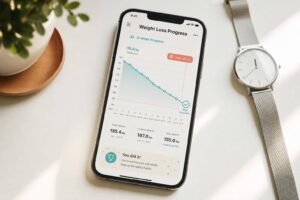
Weight Loss Progress Tracker
Track your weight loss over time, see progress clearly, and stay motivated with simple charts, summaries, and goal-based insights.
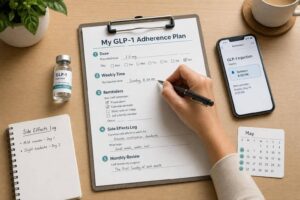
How to Create a Personalized Adherence Plan
Build a one-page GLP-1 adherence plan: record dose, pick a weekly time, set reminders, log side effects, and review monthly.

Weight Loss Medication Dosage Calculator
Estimate weight loss medication doses by weight and drug type, with starting guidance, dose progression info, and a clear medical disclaimer.


