Can You Switch From Zepbound to Mounjaro?
Introduction
Standing at a pharmacy counter only to find out your medication is out of stock is a deeply frustrating experience. If you are currently using tirzepatide for weight management or blood sugar control, you may have wondered if you can simply swap one brand name for another. Because Zepbound® and Mounjaro® both contain the exact same active ingredient, the question of switching is common among patients facing supply shortages or insurance changes. At TrimRx, we believe that navigating the complexities of modern weight loss should be clear and stress-free. This article will explain the clinical relationship between these two medications, why a person might switch between them, and the medical steps required to do so safely. Understanding the nuances of these treatments is the first step toward a more sustainable health journey.
For additional context, read this overview of how Zepbound and Mounjaro compare.
Tirzepatide: The Common Thread
To understand if you can switch between these two products, you first need to understand the medication they share. Both medications use a molecule called tirzepatide. This is a dual-acting receptor agonist, which means it mimics hormones that already exist in your body.
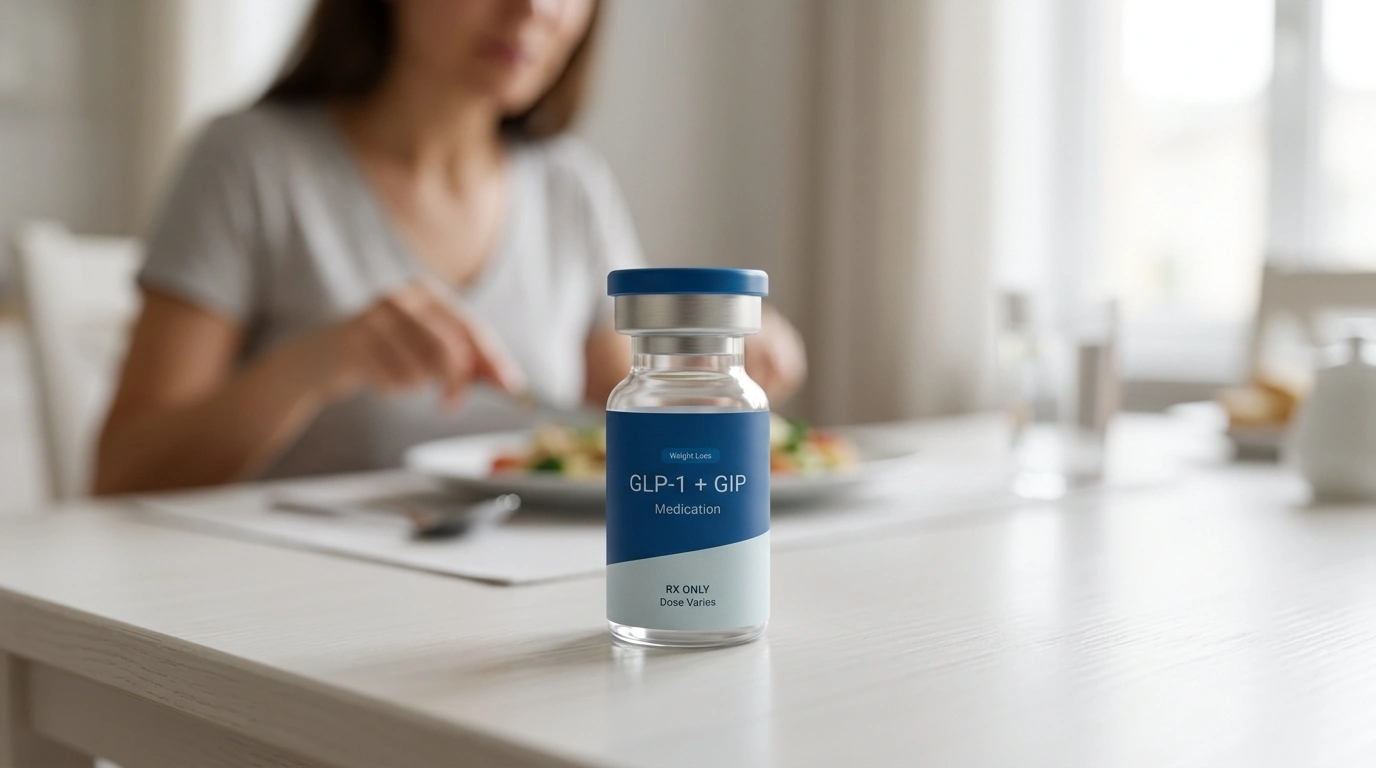
Specifically, tirzepatide acts like two different hormones: glucagon-like peptide-1 (GLP-1) and glucose-dependent insulinotropic polypeptide (GIP). These hormones play a critical role in how your body manages metabolism. The GLP-1 component helps slow down how quickly your stomach empties and tells your brain that you are full. The GIP component works alongside it to improve how your body breaks down sugar and manages fat storage.
Because both brand names contain this identical molecule in the same concentrations and delivery systems, they function exactly the same way once they enter your system. They are manufactured by the same company and use the same type of auto-injector pen for administration.
To better understand the shared medication class, explore this guide to GLP-1 medications.
Key Takeaway: Zepbound and Mounjaro are different brand names for the exact same medication: tirzepatide. They work identically in the body to regulate appetite and blood sugar.
Why Patients Consider Switching
There are several practical reasons why an individual might look to move from one brand to the other. While the medicine inside the pen is the same, the way the healthcare system views them is quite different.
Navigating Medication Shortages
Supply chain issues have become a common hurdle for those on GLP-1 and GIP medications. If a local pharmacy is out of Zepbound, a patient might ask their provider for a prescription for Mounjaro to ensure they do not miss a dose. Maintaining a consistent dosing schedule is vital for managing side effects and achieving long-term health goals.
For more information about brand-to-brand transitions, review this tirzepatide switching guide.
Insurance and Coverage Changes
Insurance companies often have a “preferred” drug list, also known as a formulary. An insurance plan might cover one brand but not the other, even though they are the same drug. This often depends on the specific “indication” or medical reason for the prescription. For example, if a patient’s insurance policy only covers treatments for Type 2 Diabetes, they may be required to use the brand labeled specifically for that condition.
Changes in Medical Diagnosis
A patient might start on a weight management program and later be diagnosed with Type 2 Diabetes. Conversely, a patient managing diabetes might reach a point where their primary clinical focus shifts toward weight maintenance. In these cases, a healthcare provider might switch the brand name to align the prescription with the patient’s updated primary diagnosis.
Is a Switch Medically Possible?
From a purely clinical perspective, a healthcare provider can transition a patient from one to the other. Because the active ingredient is identical, there is no “washout period” required. A washout period is a gap of time where a patient stops one medication before starting another to avoid interactions. Since you are staying on the same molecule, this is not necessary.
The dosage levels for both medications are also identical. They both start at a 2.5 mg dose and can increase in 2.5 mg increments up to a maximum of 15 mg. If you are currently taking 5 mg of one, your provider would typically move you to 5 mg of the other.
You can also review this tirzepatide dosage guide for more detail about dose escalation.
However, you cannot simply use a different brand name at the pharmacy without a new prescription. Even though the liquid inside is the same, they are legally different products. Your doctor must write a new script specifically for the brand you intend to pick up.
The Difference Between Indications
The primary difference between these two medications lies in their FDA-approved “indications.” An indication is the specific medical condition that the FDA has officially approved a drug to treat based on clinical trial data.
- Mounjaro®: This brand is FDA-approved specifically for the treatment of Type 2 Diabetes. It is intended to help improve blood sugar levels in adults alongside diet and exercise.
- Zepbound®: This brand is FDA-approved specifically for chronic weight management. It is intended for adults with obesity or those who are overweight and have weight-related medical problems, such as high blood pressure or high cholesterol.
Why does this matter? It mostly affects legal marketing and insurance coverage. Manufacturers are only allowed to market a drug for its approved indication. More importantly, insurance companies use these indications to decide whether they will pay for the medication. If you do not have a diagnosis of Type 2 Diabetes, getting insurance to cover the brand labeled for diabetes can be extremely difficult.
| Feature | Mounjaro® | Zepbound® |
|---|---|---|
| Active Ingredient | Tirzepatide | Tirzepatide |
| Primary Indication | Type 2 Diabetes | Chronic Weight Management |
| Dosing Schedule | Once Weekly | Once Weekly |
| Manufacturer | Eli Lilly | Eli Lilly |
Navigating Insurance and Coverage
The most significant barrier to switching is often the insurance provider. Insurance companies have strict rules about which medications they will cover and under what circumstances. This process often involves something called a Prior Authorization (PA).
A Prior Authorization is a requirement that your physician obtain approval from your insurance plan before the pharmacy can fill the prescription. To switch from Zepbound to Mounjaro, your doctor would likely have to prove to the insurance company that you have Type 2 Diabetes. To switch the other way, the doctor would need to show that you meet the specific criteria for weight management coverage, which often includes a specific Body Mass Index (BMI) threshold.
Note: Always contact your insurance provider before requesting a switch. Even if the medications are identical, your out-of-pocket costs could change significantly based on your plan’s formulary.
If you need help determining whether a prescription weight management program may fit your needs, complete a free eligibility assessment.
Managing the Transition Safely
If your healthcare provider agrees that a switch is appropriate, the transition is usually straightforward. However, there are still steps you should take to ensure your health remains the priority during the change.
Step 1: Consult Your Healthcare Provider
Never attempt to switch medications on your own or use someone else’s prescription. A licensed provider must evaluate your current health status, your progress on tirzepatide, and your reasons for wanting to switch. They will determine if the new brand is appropriate for your specific medical history.
Step 2: Confirm the Dosage
Ensure the new prescription matches your current dosage. If you were recently planning to “titrate up” (increase your dose), this transition period is a good time to discuss that with your doctor. Maintaining the correct dose is essential to keep side effects like nausea or indigestion manageable.
Step 3: Check for Side Effects
While the medication is the same, every person’s body can react differently to changes. Some patients report slight differences in how they feel after a switch, though this is often related to the timing of the dose rather than the drug itself. Monitor your body for any changes in gastrointestinal symptoms and keep your provider informed.
Step 4: Verify Pharmacy Availability
Before your doctor sends the new prescription, call your pharmacy. Verify that they actually have the other brand name in stock in your specific dosage. It is counterproductive to switch prescriptions only to find that the second brand is also facing a shortage.
The Role of Personalised Care
At TrimRx, we understand that the “one-size-fits-all” approach to weight loss often falls short. Many people find the branded medication landscape confusing and difficult to navigate. This is where a telehealth-based platform can offer significant support.
We connect you with licensed healthcare providers who can assess your unique health profile. If branded tirzepatide is unavailable or not covered by your insurance, these providers can discuss other options. This includes compounded tirzepatide.
Compounded medications are custom-prepared by pharmacists to meet the specific needs of an individual patient. While compounded tirzepatide is not FDA-approved, it is prepared in FDA-registered and inspected compounding pharmacies. For many, this provides a reliable alternative when branded supplies are low or insurance hurdles become insurmountable. Through our platform, we focus on providing a transparent path to sustainable weight management without the typical pharmacy-counter stress.
Dealing With Side Effects During a Switch
One of the main concerns patients have when switching is whether their side effects will return or worsen. Since the medication is the same, you shouldn’t experience “new” side effects, but your body is still processing a powerful metabolic tool.
Common side effects of tirzepatide include:
- Nausea
- Diarrhea or constipation
- Stomach pain
- Occasional vomiting
- Decreased appetite
To manage these during a transition, we recommend staying well-hydrated and focusing on small, nutrient-dense meals. If you find that the transition makes you feel more sensitive to the medication, products like GLP-1 Daily Support can help provide the essential nutrients your body needs when your appetite is significantly reduced.
For additional education about navigating treatment changes, read about managing the transition after stopping Zepbound.
Quick Answer: Yes, you can switch between Zepbound and Mounjaro because they contain the same active ingredient, tirzepatide. However, you must have a new prescription from a healthcare provider, as they are approved for different medical conditions.
Long-Term Success and Metabolic Health
Whether you are on Zepbound, Mounjaro, or a compounded version of tirzepatide, the medication is only one part of the puzzle. Sustainable weight loss and metabolic health require a holistic approach. These medications are designed to be used alongside healthy lifestyle changes, including a balanced diet and regular physical activity.
The goal of these treatments is to help “reset” your body’s internal signals. By mimicking GIP and GLP-1, tirzepatide helps correct the hormonal imbalances that often make losing weight feel like an uphill battle. Once those signals are balanced, it becomes much easier to stick to a healthy routine.
We believe that medical support should be empathetic and results-oriented. A weight loss journey is a marathon, not a sprint, and having a dedicated team to guide you through brand switches, insurance questions, and side effect management can make all the difference.
Summary of the Switching Process
If you and your doctor decide that switching is the right path for you, here is what the process typically looks like:
- Medical Review: Your provider reviews your progress and confirms that tirzepatide is still the right medication for you.
- Prescription Update: Your provider issues a new prescription for the alternate brand.
- Insurance Verification: The pharmacy or your doctor’s office submits a new Prior Authorization if required by your insurance plan.
- Pharmacy Pickup: You pick up the new brand and continue your weekly dosing schedule at the same dosage level you were previously prescribed.
- Ongoing Monitoring: You continue to check in with your provider to track your weight loss or blood sugar goals.
Bottom line: While the brand name on the box might change, your clinical treatment remains consistent because the active medication does not change.
Conclusion
Switching from Zepbound to Mounjaro is a common and medically sound transition for many individuals, provided it is done under the care of a healthcare professional. Both medications offer the powerful dual-hormone action of tirzepatide, helping you manage your metabolic health effectively. Whether you are facing a supply shortage or navigating the complexities of insurance coverage, the most important thing is to maintain the consistency of your treatment.
Our mission at TrimRx is to help individuals embrace healthier lifestyles through science and a transparent, personalized approach. We are here to simplify the process, offering you access to expert guidance and high-quality treatment options from the comfort of your home. If you are ready to take the next step in your health journey, our team is ready to support you.
Next Step: To see if a personalized weight loss program is right for you, take the free assessment quiz today.
FAQ
Do I need a new prescription to switch from Zepbound to Mounjaro?
Yes, you must obtain a new prescription from your healthcare provider. Even though both medications contain tirzepatide, they are legally distinct products with different FDA-approved uses, and a pharmacy cannot substitute one for the other without a doctor’s order. If you are considering treatment, see if you qualify for a personalized program.
Will my side effects change if I switch brands?
Because the active ingredient and the delivery system are identical, most patients do not experience a change in side effects when switching. You should continue to follow the same management strategies, such as staying hydrated and eating small meals, to keep any gastrointestinal symptoms in check.
Is the dosage for Mounjaro the same as Zepbound?
Yes, the dosing schedules for both medications are identical. They both come in 2.5 mg, 5 mg, 7.5 mg, 10 mg, 12.5 mg, and 15 mg doses, allowing for a direct one-to-one transition at your current strength.
Why would my insurance cover one but not the other?
Insurance coverage is based on the “indication” or the specific medical condition a drug is approved to treat. Some plans only cover medications for Type 2 Diabetes (Mounjaro), while others have specific policies for chronic weight management (Zepbound).
Disclaimer: This content is for informational purposes only and does not constitute medical advice. It is not intended to diagnose, treat, cure, or prevent any disease or condition. Individual results may vary. Always consult a qualified healthcare professional before starting any weight loss program or medication.

Transforming Lives, One Step at a Time
Keep reading

Can You Lower Your Zepbound Dose Without Losing Your Progress?
Often yes, and the honest caveat is that the evidence for dose reduction specifically is thinner than the evidence for stopping. We know a…
Why Is There a Bruise Where I Injected My Zepbound?
A bruise means a small blood vessel was disturbed under the skin and blood spread into the surrounding tissue. It is one of the…

My Zepbound Pen Won’t Click Past a Certain Dose
Start by checking which device you are holding, because the answer depends entirely on that. Zepbound has commonly been supplied in the United States…


