Survodutide vs Zepbound: Glucagon Versus GIP as the Second Hormone
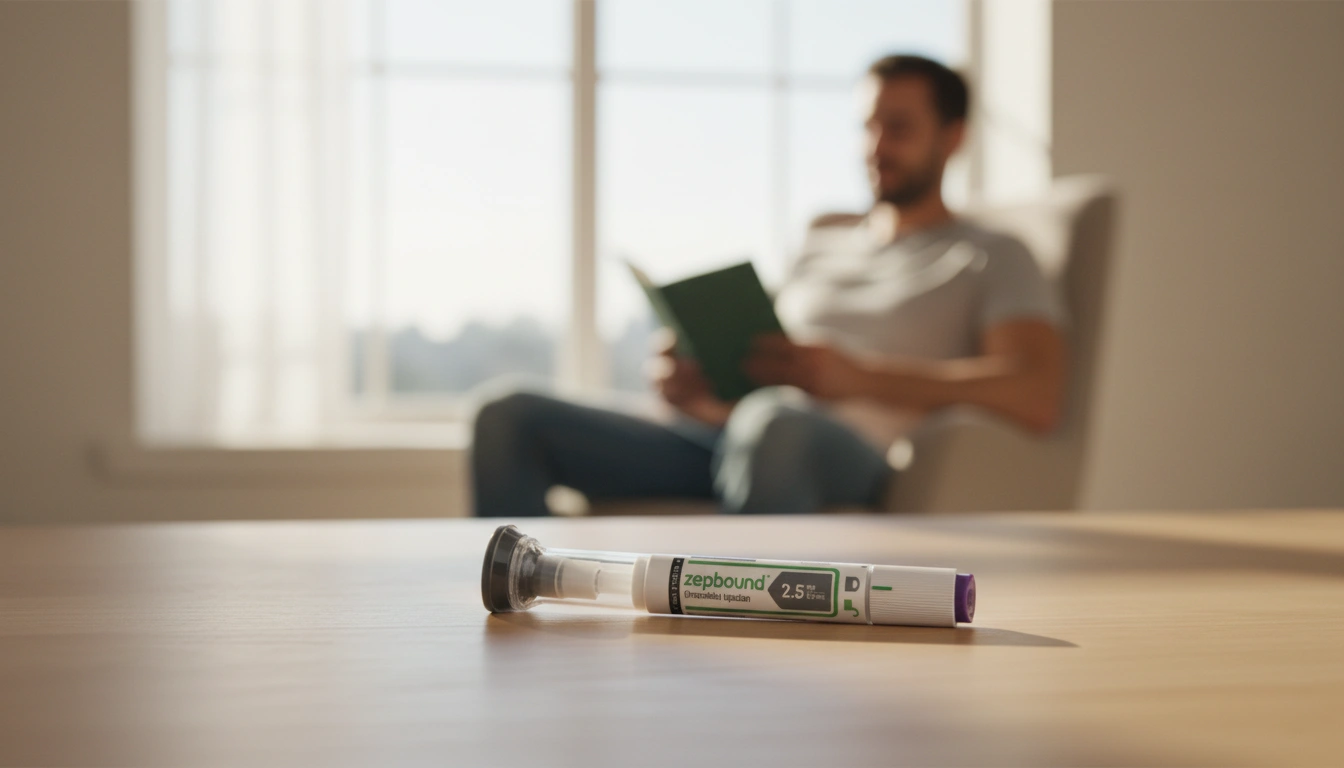
Survodutide and Zepbound are both dual-hormone injections, but they pair GLP-1 with different partners, and that shapes their strengths: survodutide adds glucagon (with strong liver benefits), while Zepbound adds GIP (with greater weight loss). Zepbound is approved and produces more weight loss; survodutide is investigational but stands out for treating fatty liver disease. Here’s how these two dual agonists compare and what the difference in second hormone means.
Different Second Hormones, Different Strengths
Both drugs go beyond single-hormone therapy, but they choose different partners for GLP-1. Zepbound (tirzepatide) adds GIP, a hormone that enhances weight loss. Survodutide adds glucagon, which increases calorie burning and, notably, acts directly on the liver to reduce fat and scarring. So while both are dual agonists given by injection, they’re built for somewhat different priorities: Zepbound for maximum weight loss, survodutide with a strong eye toward liver disease.
Head to Head
| Feature | Survodutide | Zepbound (tirzepatide) |
|---|---|---|
| Second hormone | Glucagon | GIP |
| Approximate weight loss | Up to about 16.6% | Up to about 21% |
| Standout trait | Strong liver (MASH) data | Higher weight loss, sleep apnea approval |
| Status | Investigational | FDA approved |
| Availability | Clinical trials only | Available now |
Weight Loss: Zepbound Leads
On weight loss, Zepbound is ahead. Tirzepatide produced up to about 21% in its pivotal trials, while survodutide reached up to about 16.6% in its obesity studies. So for pure weight loss, Zepbound has the stronger data, and it’s the approved, available option. Survodutide is competitive but slightly behind on this measure and isn’t yet available.
Survodutide’s Liver Advantage
Where survodutide distinguishes itself is liver disease. Its glucagon component gives it a direct effect on the liver, and a phase 2 trial published in the New England Journal of Medicine in 2024 found it improved MASH (a serious fatty liver disease) in up to about 62% of patients and reduced liver scarring, earning FDA Breakthrough Therapy status for MASH. Zepbound also benefits the liver (fatty liver often improves with weight loss), but survodutide is being developed specifically as a liver drug. Consider a hypothetical patient with obesity and significant fatty liver disease: survodutide’s targeted liver mechanism could be appealing, though it’s not available yet, while Zepbound is here now and improves liver fat too.
Availability: Zepbound Wins for Now
This is decisive today. Zepbound is FDA approved and widely available, with an established track record and an additional approval for sleep apnea. Survodutide, despite its promising liver data, is investigational and only accessible through clinical trials, with phase 3 testing underway. For anyone seeking treatment now, Zepbound is the accessible option.
What This Means for You Right Now
Survodutide is not available, and TrimRx does not offer it. Zepbound (tirzepatide) is among the brand options TrimRx offers, alongside compounded tirzepatide and compounded semaglutide and other brand GLP-1 medications. If you want strong, proven weight loss now (which also tends to improve fatty liver), tirzepatide-based treatment is available, while survodutide remains a promising future option for liver disease specifically. Anyone with diagnosed liver disease should be under a provider’s care.
Frequently Asked Questions
Is survodutide or Zepbound better for weight loss?
Zepbound (tirzepatide) produces more weight loss (up to about 21% versus up to about 16.6% for survodutide) and is approved and available. Survodutide’s standout strength is treating fatty liver disease, not maximum weight loss.
What’s the difference between glucagon and GIP in these drugs?
Both are the “second hormone” added to GLP-1. Survodutide adds glucagon (which burns calories and directly benefits the liver), while Zepbound adds GIP (which enhances weight loss). This gives survodutide a liver edge and Zepbound a weight-loss edge.
Can I get survodutide?
No. Survodutide is investigational and available only through clinical trials. Zepbound is FDA approved and available, and TrimRx offers tirzepatide-based options.
To focus on what you can actually start with today, you can explore the options available to you now with a licensed provider.
This information is for educational purposes and is not medical advice. Survodutide is investigational and not FDA approved; details and timelines may change. Consult a healthcare provider before starting any medication or for concerns about liver disease. Individual results may vary.

Transforming Lives, One Step at a Time
Keep reading

Why Is There a Bruise Where I Injected My Zepbound?
A bruise means a small blood vessel was disturbed under the skin and blood spread into the surrounding tissue. It is one of the…

My Zepbound Pen Won’t Click Past a Certain Dose
Start by checking which device you are holding, because the answer depends entirely on that. Zepbound has commonly been supplied in the United States…

Zepbound Alternatives: Your Options Compared
If Zepbound isn’t the right fit, the main alternative is semaglutide (sold as Wegovy), which produces slightly less weight loss but works similarly, along…


