Can You Take Fiber Supplements With Wegovy Safely?
Introduction
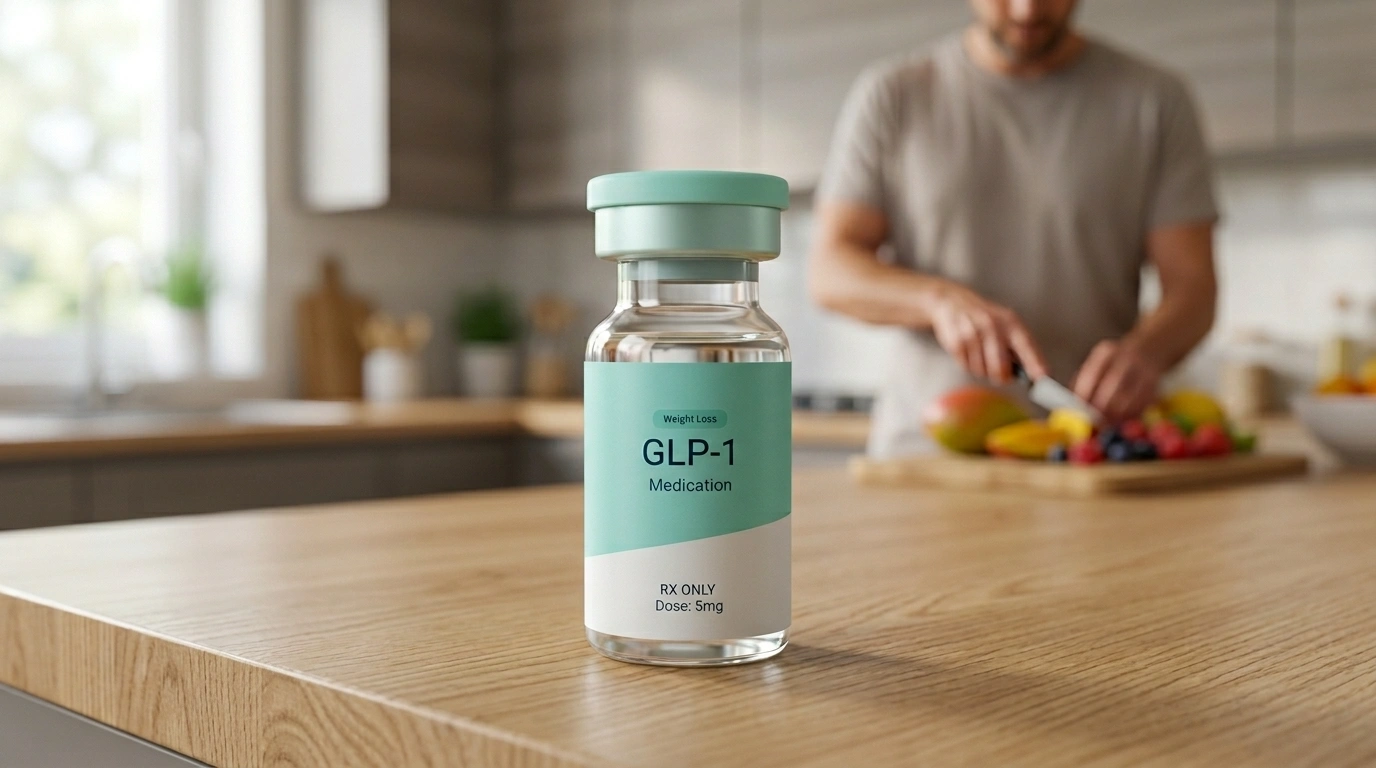
Starting a weight loss journey with a GLP-1 medication can feel like a major turning point, but it often comes with unexpected digestive changes. If you have recently started Wegovy®, you might notice that your bathroom habits have shifted, leading to the common and often uncomfortable hurdle of constipation. It is natural to reach for a solution, which leads many to ask: can you take fiber supplements with wegovy without interfering with the medication?
At TrimRx, we believe that managing side effects is just as important as the medication itself for long-term success. This post covers the safety of combining fiber with semaglutide, the best types of supplements to choose, and how to maintain digestive comfort while on a personalized weight loss program. Most importantly, we will discuss why hydration is the secret ingredient to making this combination work. While fiber is generally safe, understanding the timing and the biological “why” behind your symptoms is the key to feeling your best. If you are considering a personalized prescription program, you can complete a free eligibility assessment.
Quick Answer: Yes, you can generally take fiber supplements like psyllium husk with Wegovy®. There are no known direct drug interactions between fiber and injected semaglutide. However, because both the medication and fiber affect your gut speed, you must increase water intake significantly and start with a low dose to avoid worsening gas or bloating.
How Wegovy Affects Your Digestive System
Wegovy® belongs to a class of drugs called GLP-1 receptor agonists. The active ingredient, semaglutide, mimics a hormone your body naturally produces to regulate appetite and blood sugar. While it is highly effective for weight management, its primary mechanism involves slowing down the movement of food through your digestive tract. For additional context, read this guide to how GLP-1 medications affect bowel changes.
Delayed gastric emptying is the medical term for food staying in your stomach longer. This process is what helps you feel full on smaller portions and keeps that fullness lasting for hours. However, when the “transit time” of food slows down in the stomach, it often slows down in the intestines as well. When waste moves slowly through the colon, the body has more time to absorb water from it, which leads to harder, drier stools that are difficult to pass.
Constipation is one of the most frequently reported side effects of semaglutide. Research suggests that a significant percentage of patients experience some level of gastrointestinal change during the first few months of treatment. This is usually most noticeable when you are titrating, or gradually increasing, your dose. Understanding that this is a biological response to the medication can help lower the frustration that comes with these changes.
The Safety of Combining Fiber and Semaglutide
The short answer is that there is no known pharmacological interaction between fiber supplements and Wegovy®. Because Wegovy® is an injectable medication, it enters your bloodstream through the subcutaneous tissue, bypassing the initial digestive process. This means that fiber sitting in your gut will not “trap” the medication or prevent it from working in the way it might with certain oral pills.
Fiber is often recommended by healthcare providers as a first-line defense against GLP-1 side effects. Instead of relying solely on stimulant laxatives, which can be harsh and habit-forming, fiber works with your body to add bulk and moisture to the stool. When used correctly, it can help “normalize” the transit time that the medication has slowed down. You can also review these Wegovy constipation relief strategies for additional digestive-health guidance.
Personalized programs often include guidance on digestive health. We emphasize that every body reacts differently to GLP-1s. While one person may need a daily fiber supplement, another might find that increasing leafy greens is sufficient. The goal is to find a balance where you are losing weight effectively without sacrificing your daily comfort.
Key Takeaway: Fiber supplements do not interfere with the weight loss mechanism of GLP-1 injections. They act locally in the gut to manage side effects, while the medication acts systemically to manage appetite.
Types of Fiber Supplements to Consider
Not all fiber is created equal, especially when your digestion is already slowed down by a GLP-1. Fiber is generally categorized into two types: soluble and insoluble. Understanding the difference is vital for avoiding extra bloating.
Soluble Fiber
Soluble fiber dissolves in water to form a gel-like substance. This is the type most commonly found in supplements like psyllium husk (Metamucil®) or methylcellulose (Citrucel®). It is generally the preferred choice for those on Wegovy® because it helps soften the stool by holding onto water.
Insoluble Fiber
Insoluble fiber does not dissolve in water and adds “roughage” to the stool. It is found in wheat bran, vegetables, and whole grains. While essential for health, adding too much insoluble fiber too quickly can sometimes feel “scratchy” or heavy in a gut that is moving slowly, potentially leading to more cramping.
| Fiber Type | Common Source | Best Used For | Effect on GLP-1 Users |
|---|---|---|---|
| Psyllium Husk | Metamucil® | Constipation relief | Very effective; requires high water intake. |
| Methylcellulose | Citrucel® | Regularity | Less likely to cause gas/bloating. |
| Wheat Dextrin | Benefiber® | Daily maintenance | Dissolves completely; easy to add to coffee/water. |
| Inulin | Chicory Root | Prebiotic health | May cause gas if introduced too quickly. |
The Critical Importance of Hydration
Taking fiber without enough water can actually make constipation worse. This is the most important rule for anyone combining supplements with a GLP-1 medication. Fiber functions like a sponge; it needs liquid to expand and soften. If you take a fiber pill or powder and do not drink enough, that “sponge” can turn into a hard mass in your colon, leading to further blockage. For more hydration guidance, explore how water supports weight loss and GLP-1 treatment.
Wegovy® can sometimes dull your thirst signals along with your hunger signals. Many patients report that they simply forget to drink water because they don’t feel “driven” to consume anything. When you add a fiber supplement to this scenario, the risk of dehydration and worsened constipation increases.
We recommend a “water-first” approach. Before you even reach for a supplement, ensure you are hitting a daily hydration goal. If you find it difficult to drink plain water due to mild nausea, try adding electrolytes or a squeeze of lemon. Proper hydration ensures that the fiber can do its job of sweeping waste through your system effectively.
How to Introduce Fiber Safely
If you decide to add a supplement to your routine, the “start low and go slow” method is the gold standard. Your gut is already adjusting to a new hormonal environment, and hitting it with a massive dose of fiber can cause significant distress.
Step 1: Check with your provider. / Before starting any new supplement, ensure it is appropriate for your specific medical history and other medications. If you are evaluating whether prescription GLP-1 treatment is appropriate for you, take the free assessment quiz. Step 2: Choose a single-ingredient supplement. / Start with something simple like psyllium husk or wheat dextrin without added sugars or artificial stimulants. Step 3: Start with a half-dose. / If the package recommends one tablespoon, start with half a tablespoon once a day for the first week. Step 4: Monitor your bloating levels. / If you feel excessively gassy, stay at that dose or decrease it until your body adjusts. Step 5: Increase gradually. / Only increase the dose once your body has tolerated the current amount for several days without discomfort.
Bottom line: Rushing into high-dose fiber can lead to the very bloating and gas you are trying to avoid. Patience is key when adjusting your digestive rhythm.
Potential Side Effects of Fiber While on GLP-1s
While fiber is helpful, it is not without its own side effects, especially when paired with a medication like Wegovy®. You should be aware of how these two can interact in terms of your physical symptoms.
- Increased Bloating: Since the medication keeps food in your system longer, any gas produced by fiber fermentation in the gut can feel trapped, leading to a distended stomach.
- Abdominal Cramping: As the fiber adds bulk, your intestines may work harder to move that bulk along, which can occasionally cause mild “colicky” pain.
- Early Satiety: Fiber makes you feel full. When combined with the appetite-suppressing effects of a GLP-1, you might find it even harder to finish your meals. This can be a double-edged sword if you are struggling to meet your daily protein requirements.
If you experience severe pain, vomiting, or a complete lack of bowel movements for several days, stop the supplement and contact a healthcare professional immediately. These could be signs of a more serious intestinal issue that requires clinical attention.
Timing and Other Medication Interactions
While fiber does not stop Wegovy® from working, it can affect oral medications. Fiber can slow down the absorption of pills taken by mouth. If you take medications for thyroid health, blood pressure, or seizures, taking them at the exact same time as a large dose of fiber might reduce their effectiveness.
The “Two-Hour Rule” is a safe standard. Most pharmacists recommend taking your oral medications at least two hours before or four hours after consuming a high-fiber supplement. Since Wegovy® is an injection, you don’t have to worry about this timing for the shot itself, but you should keep it in mind for any other supplements or prescriptions you take.
At TrimRx, our clinical partners look at your entire health profile. This includes the other medications you take. Our goal is to ensure that your weight loss journey doesn’t interfere with the management of other chronic conditions. Using a telehealth platform allows for consistent check-ins to adjust these protocols as needed.
Food-First Fiber: A Natural Alternative
Supplements are convenient, but getting fiber from whole foods is often better for your gut microbiome. Whole foods provide a mix of different fiber types along with essential vitamins and minerals.
High-fiber foods that are usually well-tolerated include:
- Raspberries and Blackberries: High in fiber but low in sugar.
- Chia Seeds: These can be added to water or yogurt and provide a “mucilage” that helps with regularity.
- Cooked Vegetables: Raw vegetables can sometimes be hard to digest when your gut is slow. Steaming or roasting broccoli, carrots, and squash makes the fiber easier on your stomach.
- Lentils and Beans: Excellent sources of both fiber and protein, though they should be introduced in small portions to prevent gas.
Avoid “Fiber-Enriched” processed snacks. Many “keto” or “diet” bars use isolated fibers like chicory root (inulin) in very high amounts. These are notorious for causing intense gas and bloating, which is the last thing you want when your digestion is already sensitive from a GLP-1 medication.
Managing the “Fullness” Factor
One of the challenges of taking fiber while on a GLP-1 is the feeling of being “too full.” Because both fiber and the medication promote satiety, you might find that you lose your appetite entirely. While this sounds like a win for weight loss, it can lead to muscle loss if you aren’t eating enough protein.
Try to separate your fiber intake from your largest meal. If you take your fiber supplement right before dinner, you might only be able to eat a few bites of your protein. Taking your fiber in the morning or mid-afternoon may help you maintain a regular digestive flow without ruining your ability to eat a nutritious meal later.
Focus on “nutrient density.” When your appetite is low, every bite counts. Ensure that when you do eat, you are prioritizing lean proteins and healthy fats, using the fiber supplement only as a tool to keep things moving.
Why a Personalized Program Matters
Weight loss is not a “one size fits all” process. Some people may find that Wegovy® causes no digestive issues at all, while others struggle from the very first dose. This is why having access to a dedicated team of specialists is so beneficial.
Through our platform, we connect you with licensed providers who can help you navigate these nuances. If fiber isn’t working, they might suggest different magnesium supplements or stool softeners that are safer for your specific situation. Our program includes the doctor consultation and unlimited support, ensuring you never have to guess whether a supplement is right for you.
Medication is just one piece of the puzzle. A successful journey integrates medication with lifestyle adjustments, side-effect management, and long-term habits. Whether you are using compounded semaglutide or branded options like Ozempic® or Wegovy®, the support structure around the medication determines your comfort and sustainability. To understand how supplements may fit into semaglutide treatment, review this guide to supplement considerations during semaglutide treatment.
Myth: You must take fiber to lose weight on a GLP-1. Fact: Fiber is a tool for comfort and health, but it is not what causes the weight loss. The medication manages your metabolic signals; the fiber simply manages the digestive side effects.
The Role of Supplements in Holistic Health
While fiber is the primary focus for constipation, other supplements can support your body while on a GLP-1. For instance, our GLP-1 Daily Support is designed to complement your treatment by providing nutrients that might be lacking when your food intake decreases.
Weight Loss Boost can also be an option for those looking to optimize their metabolic health alongside their prescription program. However, the golden rule remains: supplements should support your body, not overwhelm it. If you are exploring energy and metabolic support during weight loss, consider the Weight Loss Boost supplement. If you are considering prescription treatment, you can also find out whether GLP-1 medications may be appropriate for you.
When to Consult Your Provider
While fiber is a common over-the-counter solution, it is not a cure-all. There are times when constipation or digestive changes require a medical intervention rather than more fiber.
You should reach out to a professional if:
- You have not had a bowel movement in more than three or four days.
- You experience severe, sharp abdominal pain or cramping.
- You notice blood in your stool.
- You feel “clogged” but have liquid diarrhea leaking around the blockage (a sign of fecal impaction).
- You are experiencing persistent vomiting along with constipation.
Your provider may recommend a different approach, such as a temporary dose reduction or a different type of laxative that works differently than bulk-forming fiber. Always be honest about your supplement use so your clinical team can provide the best guidance.
Success with TrimRx
Navigating the world of GLP-1 medications can be confusing, especially when social media is full of conflicting advice about what to eat and which supplements to buy. We aim to clear that confusion by providing a telehealth-first experience that puts your health and comfort at the center.
Our mission is to help you embrace a healthier lifestyle through science and empathy. By providing access to specialized providers and high-quality medications from FDA-registered, inspected compounding pharmacies, we ensure your journey is medically supervised and personalized to your needs. Weight loss is a marathon, not a sprint, and having the right tools—like the knowledge of how to use fiber safely—makes that marathon much easier to run.
Summary of Best Practices
To make the most of your weight loss program while keeping your digestion on track, follow these simple guidelines:
- Hydrate religiously: Aim for at least 80–100 ounces of water daily if you are using fiber.
- Choose soluble fiber: Stick to psyllium or methylcellulose to reduce gas risk.
- Timing matters: Keep fiber away from your other oral medications by at least two hours.
- Listen to your gut: If you feel worse after taking fiber, stop and reassess.
- Prioritize protein: Don’t let fiber-induced fullness prevent you from getting the protein your muscles need.
By taking a proactive and informed approach to your digestive health, you can minimize the discomfort of Wegovy® and focus on the incredible progress you are making toward your health goals.
FAQ
Can fiber supplements stop Wegovy from working?
No, fiber supplements do not stop Wegovy® from working. Because the medication is injected, it bypasses the digestive tract where the fiber is located, meaning the fiber cannot interfere with the drug’s absorption or its effect on your brain’s hunger signals. For more information, review this guide to taking fiber supplements with Wegovy.
Which fiber supplement is best for GLP-1 constipation?
Psyllium husk is often considered the most effective for GLP-1-induced constipation because it is a soluble, bulk-forming fiber that holds onto water. However, if you are prone to gas, methylcellulose may be a better option as it is less likely to ferment in the gut.
How much water do I need when taking fiber with Wegovy?
You should aim for at least 8 to 10 glasses of water per day. When taking a dose of fiber, drink at least 8 ounces of water immediately with the supplement and follow it with another glass of water shortly after to ensure the fiber moves through your slowed digestive system.
Can I take Metamucil every day with my weight loss shot?
Yes, many people take a daily fiber supplement like Metamucil® to maintain regularity while on weight loss medications. It is best to start with a low dose once a day and only increase to twice a day if your body tolerates it well and you are drinking sufficient fluids. If you are considering a medically supervised program, start with the free assessment quiz.
Disclaimer: This content is for informational purposes only and does not constitute medical advice. It is not intended to diagnose, treat, cure, or prevent any disease or condition. Individual results may vary. Always consult a qualified healthcare professional before starting any weight loss program or medication.

Transforming Lives, One Step at a Time
Keep reading
Wegovy Prior Authorization Approved, Then Reversed: What Happens Now
Getting an approval and then losing it is worse than never being approved, and not only because of the medication. You made a plan…
Can the Wegovy Pill Hold the Weight You Lost on Semaglutide Injections?
Most likely yes, once you reach the maintenance dose. The risk is not the destination but the trip: switching means restarting titration on the…

Wegovy Alternatives: What Else Works for Weight Loss
If Wegovy isn’t working out, the strongest alternative is tirzepatide (Zepbound), which tends to produce more weight loss, followed by other GLP-1 options and…


