Can You Take GLP-1 at Night? Best Timing for Weight Loss
Introduction
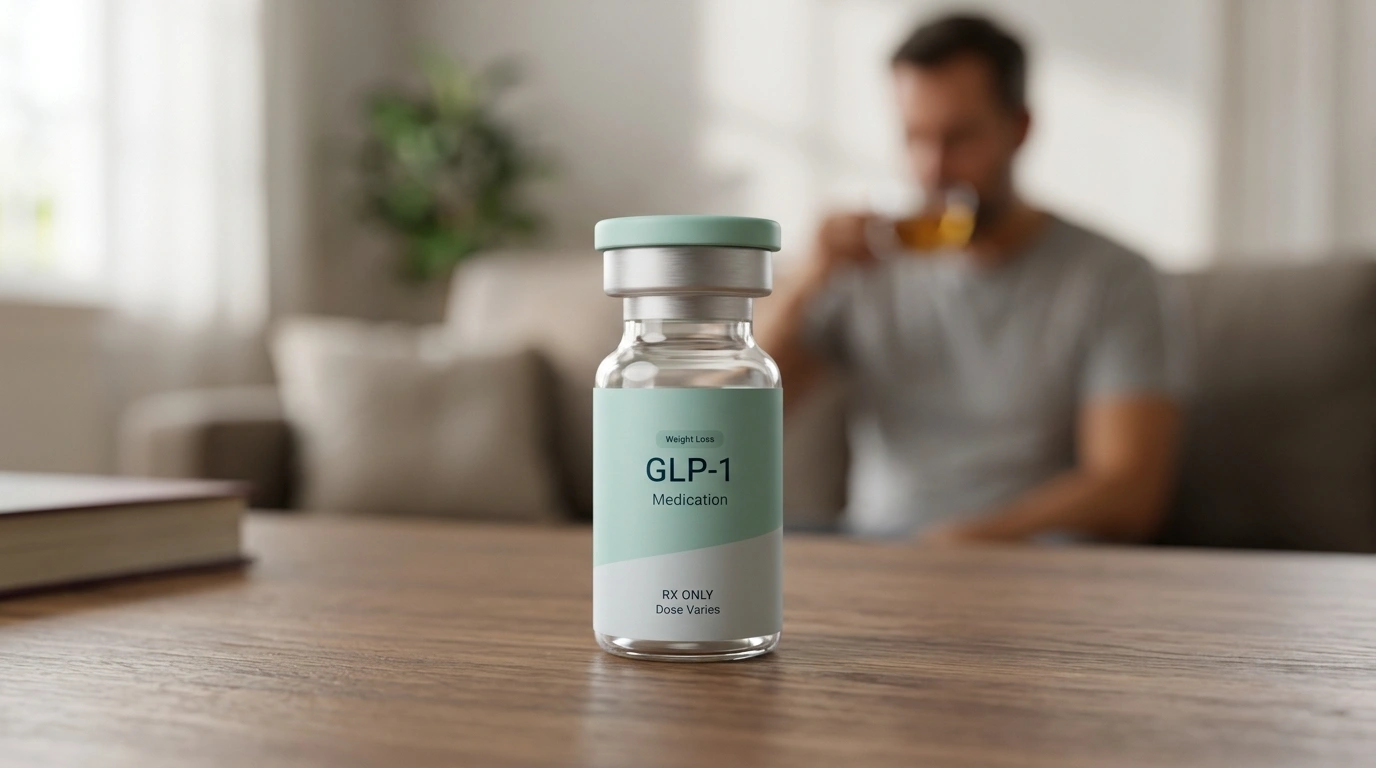
Standing in your kitchen with your medication in hand, you might find yourself pausing to wonder if the clock matters as much as the dose. You want to give your body every advantage on this journey, yet the instructions for many GLP-1 (glucagon-like peptide-1) medications often simply say “once weekly.” At TrimRx, we know that these small details feel significant when you are working toward sustainable health goals. Whether you choose the morning or the evening, the most important factor is creating a routine that you can maintain consistently without disruption.
This post covers the benefits of different timing options, how to manage common side effects like nausea through strategic scheduling, and why your personal lifestyle is the ultimate guide. While the clinical effectiveness of these medications remains steady regardless of the hour, the “best” time is the one that helps you feel your best. We are here to help you navigate these nuances so you can move forward with confidence. For more guidance, read our guide to when to take your GLP-1 shot.
Understanding the Best Time to Take Your GLP-1 Dose
When you start a GLP-1 receptor agonist—a class of medication that mimics a natural hormone to regulate appetite and blood sugar—your body begins a process of metabolic recalibration. Because most of these treatments, including semaglutide and tirzepatide, are administered as once-weekly injections, they have a long half-life. This means the medication stays in your system at a relatively stable level throughout the week.
Quick Answer: Yes, you can take your GLP-1 injection at night. For weekly injectable medications, the time of day does not change the drug’s effectiveness. The best time is the one that minimizes side effects and fits your personal schedule.
For many, the question of “when” is less about the drug’s potency and more about managing the body’s reaction to it. Every individual reacts differently to these medications. Some may feel a wave of fatigue shortly after an injection, while others may experience mild queasiness as the hormone begins to slow down gastric emptying (the speed at which food leaves the stomach). Choosing between morning and night is a strategic decision to help you balance these effects with your daily responsibilities. If you are considering prescription treatment, you can complete a free eligibility assessment.
The Case for Nighttime Injections
Many individuals find that taking their dose in the evening is the most comfortable way to manage their treatment. This is particularly true during the first few weeks of a program or when transitioning to a higher dosage.
Sleeping Through Side Effects
The most common reason to take a GLP-1 at night is the potential to “sleep through” initial side effects. For some, the onset of the medication can cause mild nausea, dizziness, or a general feeling of “yuckiness” that begins a few hours after the injection. By taking the dose shortly before bed, you allow your body to process this initial phase while you are asleep. Many people wake up the next morning feeling refreshed, with the medication already beginning its work to suppress appetite. For additional guidance, explore this semaglutide side-effect management guide.
Consistency and Routine
Mornings can be chaotic. Between work commutes, preparing children for school, or simply trying to wake up, adding a medical task to the mix can lead to forgotten doses or rushed administrations. The evening often provides a more predictable, quiet window. Pairing your injection with a nightly habit—like your skincare routine or a final glass of water—can make it much easier to remember.
Managing Daytime Productivity
If you have a high-stakes job or a busy social schedule, you may not want to risk feeling queasy during a mid-morning meeting. A nighttime dose ensures that if you do experience a reaction, it happens in the comfort of your home. This can reduce the anxiety associated with starting a new medication, as you know you have several hours of rest ahead of you before you need to be “on” for the world.
The Case for Morning Injections
While nighttime is popular, morning injections have distinct advantages for a different set of lifestyle needs.
Establishing a Weekly “Reset”
For many, the morning represents a fresh start. Taking your injection on a Saturday or Sunday morning can act as a psychological “reset” for your health goals. It serves as a physical reminder of your commitment to your program, which can influence your food choices for the rest of the day.
Avoiding Sleep Disruptions
While not a universal side effect, some people report feeling a bit restless or having vivid dreams if they take their injection too close to bedtime. If you are already prone to insomnia or find that your heart rate feels slightly elevated after a dose, a morning injection allows that initial “surge” to dissipate before you try to sleep.
Monitoring Your Response
If you are brand new to GLP-1 medications, taking your first few doses in the morning allows you to monitor how your body responds in real-time. This can provide valuable data to share with us during your follow-up consultations. Knowing exactly when your appetite suppression kicks in or when you feel the most fatigue helps us tailor your program more effectively.
Injectable vs. Oral GLP-1 Medications
It is vital to distinguish between the format of your medication, as the rules for timing change significantly depending on whether you are using an injection or a tablet.
Weekly Injections
Branded injectable medications such as Ozempic®, Wegovy®, Mounjaro®, and Zepbound® are FDA-approved for various uses including type 2 diabetes and chronic weight management. These medications are absorbed through the subcutaneous tissue (the fat layer under your skin). Because they bypass the digestive tract for absorption, they can be taken at any time of day, with or without food.
Oral Formulations
If your provider prescribes an oral version of semaglutide, such as Rybelsus® or a compounded oral tablet, timing is no longer a matter of personal preference—it is a clinical requirement. These tablets must be taken:
- First thing in the morning on a completely empty stomach.
- With no more than 4 ounces of plain water.
- At least 30 minutes before eating, drinking anything else, or taking other oral medications.
Important: Taking oral GLP-1 medications at night or with food can significantly reduce their absorption, making the treatment much less effective. Always follow the specific instructions provided with your prescription.
At TrimRx, we connect you with licensed providers who can determine which format is best for your health profile. While we do not ship branded medications, we provide access to compounded semaglutide and tirzepatide from FDA-registered, inspected compounding pharmacies, ensuring you have high-quality options tailored to your needs.
Managing the “Peak Window” Strategy
To truly optimize your timing, it helps to understand the “peak window.” Semaglutide and tirzepatide typically reach their highest concentration in your bloodstream approximately 24 to 48 hours after the injection.
For most people, the day after the injection is when they feel the strongest appetite suppression—but it is also when they are most likely to experience gastrointestinal symptoms. You can use this knowledge to schedule your dose around your life’s demands.
Key Takeaway: If you have a high-pressure workweek that starts on Monday, consider taking your dose on Friday evening. This allows the peak concentration to hit on Saturday and Sunday when you are home and have more control over your environment and food intake.
If you find that the medication makes you feel particularly tired, scheduling your peak window for the weekend allows you to catch up on rest without it interfering with your professional life. Conversely, if you struggle with weekend overeating, a Friday dose ensures your appetite suppression is at its strongest during those traditionally difficult social hours. For another perspective, read about timing tirzepatide at night.
How to Switch Your Injection Time Safely
It is common to realize after a few weeks that your initial choice isn’t working for you. Perhaps you started with Monday mornings but find that the Tuesday afternoon nausea is interfering with your productivity. You can change the day or time of your weekly dose, provided you follow a few simple safety rules.
- The 48-Hour Rule: For semaglutide, you can change your dose day as long as the time between two doses is at least 48 hours (some providers recommend 72 hours for tirzepatide).
- Don’t Double Up: Never take two doses within the same 48-hour window to “catch up” or move your schedule faster.
- Commit to the New Day: Once you move your injection to a new time or day, that becomes your new “anchor” day. Try to stay consistent from that point forward.
Step-by-Step: Changing Your Schedule
- Wait at least 48 hours since your last injection.
- Choose your new “anchor” time. (e.g., Sunday at 8:00 PM).
- Administer the dose at that new time.
- Set a new reminder on your phone to maintain this schedule moving forward.
Tips for Reducing Side Effects Regardless of Timing
While timing can help you “hide” side effects, it won’t necessarily eliminate them. Incorporating these supportive habits can improve your experience whether you are an early riser or a night owl.
Prioritize Hydration
Dehydration is one of the leading causes of fatigue and headaches on GLP-1 medications. The medication can sometimes dull your thirst cues as well as your hunger. Aim to drink plenty of water throughout the day before your injection and the day after. If you are taking your dose at night, make sure you’ve hydrated well during the day so you aren’t waking up parched.
Focus on “Gentle” Nutrition
In the 24 hours surrounding your dose, try to avoid heavy, greasy, or highly spicy foods. Because these medications slow down your digestion, a heavy meal can sit in your stomach longer, leading to acid reflux or increased nausea. Many of our patients find that a light, protein-forward meal (like chicken and steamed vegetables) is the best choice for “injection day.”
Consider Nutrient Support
For many, the journey isn’t just about what you take away, but what you add. Using supplements like our GLP-1 Daily Support supplement can help fill nutritional gaps and support your body’s natural pathways while you are eating less. If you find that your energy levels dip significantly regardless of when you take your shot, supporting your metabolic health with the right vitamins can make a noticeable difference.
Personalizing Your Routine with TrimRx
At TrimRx, we believe that weight loss is not a one-size-fits-all experience. Our mission is to help individuals embrace healthier lifestyles through science, empathy, and a transparent, personalized approach. We provide a telehealth-first experience, meaning you don’t have to wait in a doctor’s office to get the answers you need about timing, side effects, or dosage.
Our programs are fully personalized based on your health profile, goals, and medical history. When you join our community, you gain 24/7 access to a dedicated team of specialists who can help you fine-tune your routine. Whether you are wondering if you should move your shot from morning to night or how to handle an upcoming vacation, we are in your corner.
Bottom line: There is no clinical “wrong” time for your injection. Use your personal history with nausea and your existing habits to decide which window offers the least resistance to your success.
Final Thoughts on Timing
Finding the right rhythm for your medication is a significant step in taking control of your health. While you can take your GLP-1 at night, the choice ultimately depends on how your body responds to the treatment. For some, the evening is a sanctuary that allows them to bypass early discomfort. For others, the morning is a powerful start to a week of healthy choices.
Success with these medications is built on consistency. Once you find a time that works for you, stick with it. Monitor your body’s signals, stay hydrated, and don’t be afraid to adjust your schedule if your lifestyle changes.
Our mission at TrimRx is to provide you with the tools and clinical oversight needed to make these decisions safely. We are committed to a transparent, medically supervised approach that prioritizes your long-term well-being. If you are ready to start a program tailored specifically to your life, the journey begins with understanding your unique needs.
To see if a personalized weight loss program is right for you, take the free assessment quiz. This simple step helps our providers understand your health history and goals, allowing us to recommend a path that fits your life—morning or night.
FAQ
Does GLP-1 work better if taken on an empty stomach?
For injectable medications like semaglutide and tirzepatide, food does not affect how the drug is absorbed because it enters through the fat layer under the skin. However, for oral semaglutide tablets, taking them on an empty stomach is mandatory for the medication to work. For more context, read this guide to GLP-1 injection timing.
What should I do if I forget to take my dose at night?
If you forget your dose, you can take it as soon as you remember, as long as it has been less than five days since your scheduled day. If more than five days have passed, skip the dose and resume your regular schedule on your next anchor day. Never take two doses at the same time to make up for a missed one.
Can taking my injection at night cause insomnia?
While gastrointestinal side effects are more common, some people do report increased alertness or restlessness after an injection. If you find that a nighttime dose interferes with your sleep quality, try moving your injection to the morning to see if your rest improves. If fatigue remains a concern, consider energy support during weight loss.
Is it safe to switch from morning to night injections?
Yes, it is generally safe to change your injection time. Ensure that there is a minimum of 48 hours between your last dose and your new scheduled time. Once you make the switch, try to stay consistent with the new time to keep the medication levels in your body stable.
Disclaimer: This content is for informational purposes only and does not constitute medical advice. It is not intended to diagnose, treat, cure, or prevent any disease or condition. Individual results may vary. Always consult a qualified healthcare professional before starting any weight loss program or medication.

Transforming Lives, One Step at a Time
Keep reading
Weight Loss Progress Tracker
Track your weight loss over time, see progress clearly, and stay motivated with simple charts, summaries, and goal-based insights.
How to Create a Personalized Adherence Plan
Build a one-page GLP-1 adherence plan: record dose, pick a weekly time, set reminders, log side effects, and review monthly.

Weight Loss Medication Dosage Calculator
Estimate weight loss medication doses by weight and drug type, with starting guidance, dose progression info, and a clear medical disclaimer.


