Can You Take Mounjaro If You Have COVID?
Introduction
Testing positive for COVID-19 is stressful, especially when you are in the middle of a structured weight loss or metabolic health program. You might find yourself staring at your weekly injection pen, wondering if the medication will interfere with your recovery or if the virus will make the drug’s side effects worse. At TrimRx, we believe that staying informed is the best way to manage your health during an unexpected illness. This article explores the safety of continuing Mounjaro® (tirzepatide) while fighting a viral infection, the primary risks you need to monitor, and when it is clinically appropriate to hit the pause button on your treatment. While many people can safely continue their regimen during a mild case of COVID-19, the decision depends on your specific symptoms and your body’s ability to stay hydrated.
Quick Answer: Most individuals with mild COVID-19 symptoms can continue taking Mounjaro as prescribed, provided they can maintain adequate hydration and nutrition. However, if you experience severe nausea, vomiting, or diarrhea, you should consult your healthcare provider about delaying your next dose to avoid the risk of severe dehydration.
If you are considering prescription support for weight management, you can take the free assessment quiz to see whether a personalized program may be appropriate for you.
The Science Behind Tirzepatide and Viral Infection
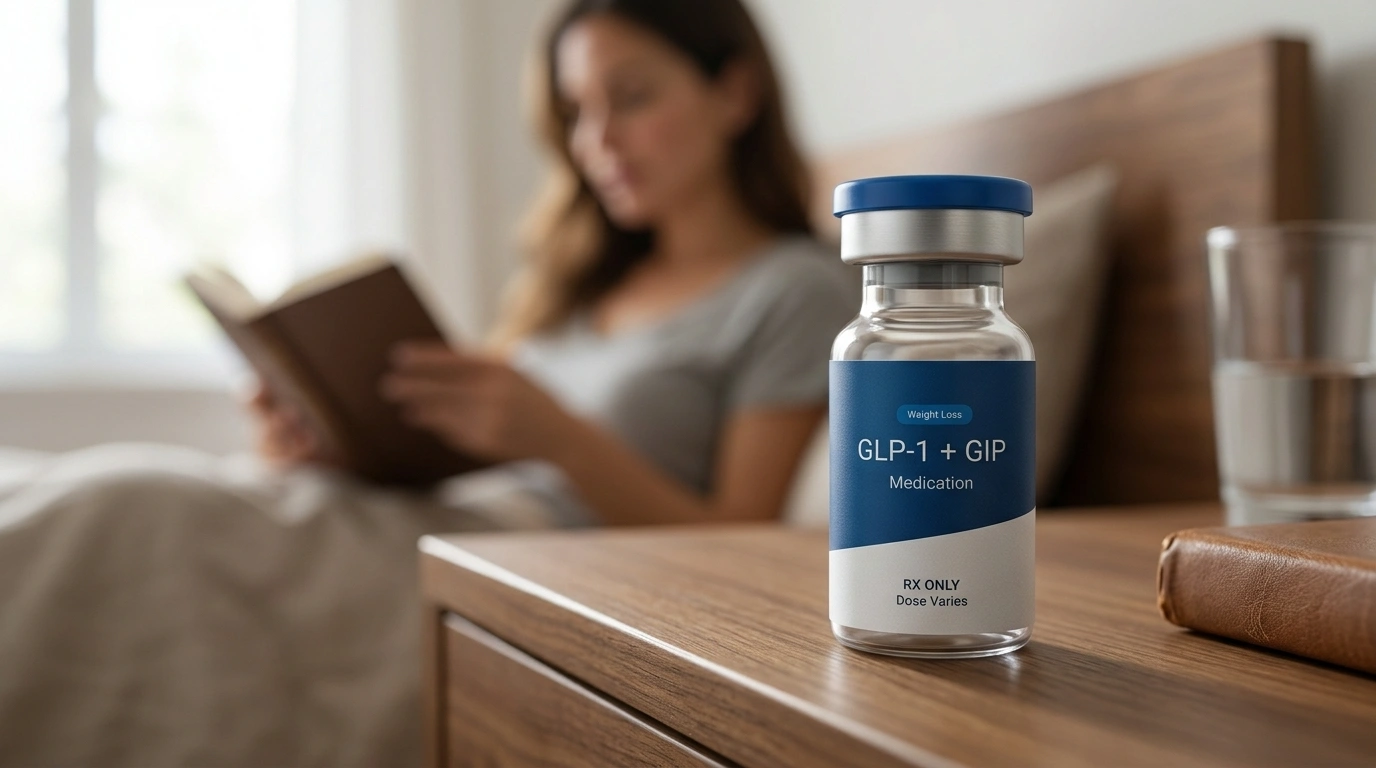
Mounjaro is a medication known as a dual GLP-1 (glucagon-like peptide-1) and GIP (glucose-dependent insulinotropic polypeptide) receptor agonist. These are naturally occurring hormones in your body that help regulate blood sugar and appetite. By mimicking these hormones, the medication slows down stomach emptying and signals your brain that you are full. For more background, read this guide to what tirzepatide does in the body.
When you have a viral infection like COVID-19, your body is already under significant metabolic stress. The immune response can cause fluctuations in blood sugar and may lead to gastrointestinal distress. Because this medication also affects the digestive system, the combination of the drug and the virus can sometimes create a “double hit” on your stomach and intestines.
Overlapping Symptoms
COVID-19 often presents with respiratory issues, but many variants also cause significant gastrointestinal symptoms. These can include:
- Nausea and loss of appetite
- Abdominal pain or cramping
- Diarrhea
- Vomiting
Interestingly, these are the same common side effects reported by individuals starting tirzepatide. If you are already experiencing mild side effects from your medication, an active COVID-19 infection may amplify them, making it harder to distinguish between the virus and the drug’s effects. You can also review this guide to common tirzepatide side effects for additional context.
The Primary Concern: Dehydration and Kidney Health
The single most important factor in deciding whether to take your next dose is your hydration status. COVID-19 often comes with a fever, which increases fluid loss through sweating and rapid breathing. If you also have diarrhea or vomiting from the virus, your risk of dehydration skyrockets. This hydration guide for people taking tirzepatide explains why fluid intake deserves close attention.
Mounjaro further complicates this because it slows gastric emptying. If you are too nauseous to drink water or keep fluids down, the medication can make it even more difficult to rehydrate quickly. Severe dehydration is not just about feeling thirsty; it puts a significant strain on the kidneys.
Acute Kidney Injury (AKI) is a rare but serious risk for anyone taking GLP-1 or GIP medications who becomes severely dehydrated. If your body does not have enough fluid to flush your system, the concentration of the medication and the stress of the illness can lead to kidney complications.
Key Takeaway: The primary risk of combining Mounjaro with COVID-19 is not a direct drug-virus interaction, but rather the increased potential for severe dehydration and subsequent kidney strain.
Managing COVID-19 If You Have Diabetes
For those using this medication specifically for the management of type 2 diabetes, the stakes are slightly higher. Infection is a known trigger for blood sugar spikes. When the body fights a virus, it releases stress hormones like cortisol and adrenaline, which tell the liver to release more glucose for energy.
If you are sick and cannot eat your normal meals, but you still have the medication in your system, your blood sugar levels may become unpredictable. While tirzepatide generally has a lower risk of causing hypoglycemia (dangerously low blood sugar) compared to insulin, the risk still exists—especially if you are also taking other glucose-lowering drugs.
Sick Day Rules for Diabetics:
- Monitor Frequently: Check your blood sugar more often than usual, perhaps every 4 hours.
- Stay Hydrated: Aim for at least 8 ounces of fluid every hour.
- Check for Ketones: If your blood sugar is consistently high, your doctor may want you to check for ketones in your urine.
- Consult Your Care Team: Never stop a diabetes medication without a clear plan from your healthcare provider.
Potential Drug Interactions: Paxlovid and OTC Meds
If you test positive for COVID-19, your doctor might prescribe an antiviral medication like Paxlovid®. This drug is a combination of nirmatrelvir and ritonavir. Ritonavir is a strong inhibitor of certain enzymes in the liver (specifically CYP450) that help process many medications.
Current clinical consensus suggests that there is no major direct contraindication between Paxlovid and tirzepatide. Because tirzepatide is an injectable peptide, it is not processed by the liver in the same way as many oral pills. However, Paxlovid can cause its own set of gastrointestinal side effects, including a metallic taste in the mouth and nausea. Combining these with the effects of Mounjaro might make the five-day antiviral course more difficult to tolerate.
When using over-the-counter (OTC) medications like ibuprofen (Advil®) or acetaminophen (Tylenol®) to manage fever, be mindful of your stomach. High doses of NSAIDs (like ibuprofen) can also stress the kidneys if you are dehydrated, which adds another layer of risk when combined with a GLP-1 medication during an illness.
When Should You Skip or Delay a Dose?
Deciding to delay your dose is often a safer path than forcing an injection when you are feeling poorly. Because tirzepatide has a long half-life (it stays in your system for several days), skipping or delaying a dose by a few days usually won’t significantly derail your long-term progress. For more information about nausea and digestive symptoms, review this tirzepatide nausea management guide.
Consider delaying your dose if:
- You are actively vomiting or cannot keep fluids down.
- You have severe diarrhea (more than 3–4 loose stools a day).
- You have a high fever that isn’t responding well to medication.
- You feel dizzy, lightheaded, or have a very dry mouth (signs of dehydration).
- Your healthcare provider specifically advises a “drug holiday” until you recover.
Note: If you delay your dose by more than two weeks, you must consult your healthcare provider before restarting. You may need to return to a lower dose to avoid severe gastrointestinal side effects upon resumption.
Step-by-Step: What to Do If You Test Positive
If you see those two lines on a COVID-19 test, follow these steps to manage your weight loss or diabetes treatment safely.
Step 1: Assess your symptoms.
Identify if your symptoms are primarily respiratory (cough, sore throat) or gastrointestinal (nausea, vomiting).
Step 2: Check your calendar.
Determine when your next injection is due. If it is more than 48 hours away, you have time to see how your symptoms evolve.
Step 3: Contact your healthcare provider.
Reach out to the professional who manages your prescription. Provide them with a list of your current symptoms and ask for a recommendation on your next dose.
Step 4: Prioritize hydration.
Begin a protocol of small, frequent sips of water or electrolyte-rich drinks. Avoid caffeine and sugary sodas, which can worsen dehydration.
Step 5: Monitor and document.
Keep a log of your temperature, blood sugar (if applicable), and how much fluid you are consuming. This information is invaluable if your condition worsens and you need urgent care.
If you have not started treatment and want to explore whether prescription support is appropriate, complete a free eligibility assessment.
How Personalized Programs Support Your Recovery
One of the benefits of a modern telehealth approach is the ability to get quick answers without sitting in a crowded waiting room while you are sick. Our platform is designed to provide this kind of agility. We connect you with licensed providers who understand the nuances of GLP-1 and GIP therapy.
When you use a program through us, you aren’t just getting a prescription; you are getting a dedicated team. If you fall ill, you can reach out for guidance on whether to hold your medication or how to manage emerging side effects. This personalized oversight ensures that your journey toward health is not compromised by a temporary viral setback.
Our mission at TrimRx is to provide science-backed, empathetic support that adapts to your life. We understand that health isn’t a straight line, and having a clinical team to guide you through illnesses like COVID-19 is a critical part of sustainable weight management.
Resuming Treatment After Recovery
Once your fever has broken and your appetite has started to return, you may feel ready to get back on track. However, you should not rush the process. If you need additional energy support while returning to your routine, explore the Weight Loss Boost supplement.
Wait until:
- You have been fever-free for at least 24 hours without the use of fever-reducing medicine.
- You are able to eat and drink normally without nausea.
- Your energy levels have begun to stabilize.
If you only missed your dose by 2 or 3 days, you can usually take it as soon as you feel better and then resume your normal weekly schedule. If you missed the dose by 5 days or more, check with your provider. They may suggest shifting your “injection day” permanently or waiting until the following week.
Bottom line: Recovery is the priority. Delaying a dose for a few days to ensure your body is hydrated and stable is a medically sound decision that will not ruin your long-term results.
FAQ
Can Mounjaro make COVID-19 symptoms worse?
While the medication doesn’t make the virus itself more aggressive, it can overlap with and intensify certain symptoms like nausea and diarrhea. This can lead to a higher risk of dehydration, which may make you feel more fatigued and weak during your recovery.
Should I stop taking tirzepatide if I have a fever?
A fever itself isn’t a reason to stop, but it does increase your need for fluids. If your fever is accompanied by an inability to drink enough water or keep food down, most providers will recommend delaying your next dose until the fever subsides and your hydration is stable.
Is it safe to take Paxlovid while on a weight loss injection?
Yes, there is no known direct drug interaction that makes the combination dangerous. However, both medications can cause stomach upset, so you should be extra diligent about eating bland foods and staying hydrated if you are taking both simultaneously.
Will I gain weight if I skip a dose because of COVID-19?
Skipping a single dose due to illness is unlikely to cause significant weight gain. In fact, many people find their appetite is naturally lower while they are sick with a virus; the most important thing is to focus on nutrient density and hydration so your immune system can do its job. If you are exploring a personalized prescription program, see if you qualify with the free assessment quiz.
Disclaimer: This content is for informational purposes only and does not constitute medical advice. It is not intended to diagnose, treat, cure, or prevent any disease or condition. Individual results may vary. Always consult a qualified healthcare professional before starting any weight loss program or medication.

Transforming Lives, One Step at a Time
Keep reading

When You and Your Spouse Are Both on Mounjaro
It is increasingly common for both people in a couple to be on the same medication. Sometimes one partner starts and the other follows…

Black Friday Shopping on Mounjaro
For a lot of families, Black Friday is a tradition: lining up before dawn, racing through stores with a list, and shopping until the…

Mounjaro Alternatives: What Else to Consider
If Mounjaro isn’t the right fit, the closest alternatives are other GLP-1 medications, chiefly semaglutide (Ozempic for diabetes, Wegovy for weight), along with a…


